

Mobile Mechanic Software for Roadside and Driveway Jobs
Driveway servicing, roadside repairs and glass jobs on one board, with the vehicle, the parts and the payment on the phone.
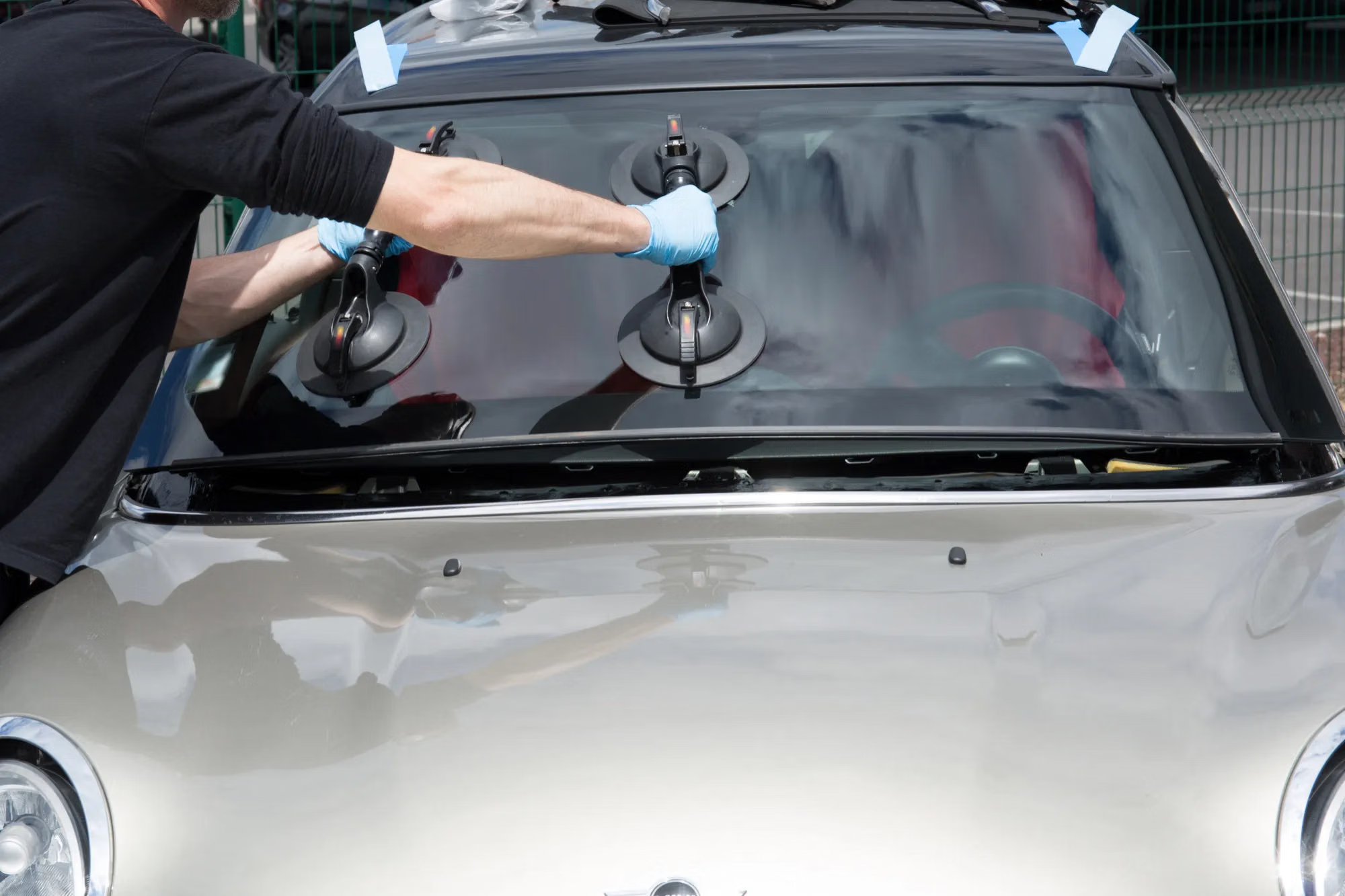
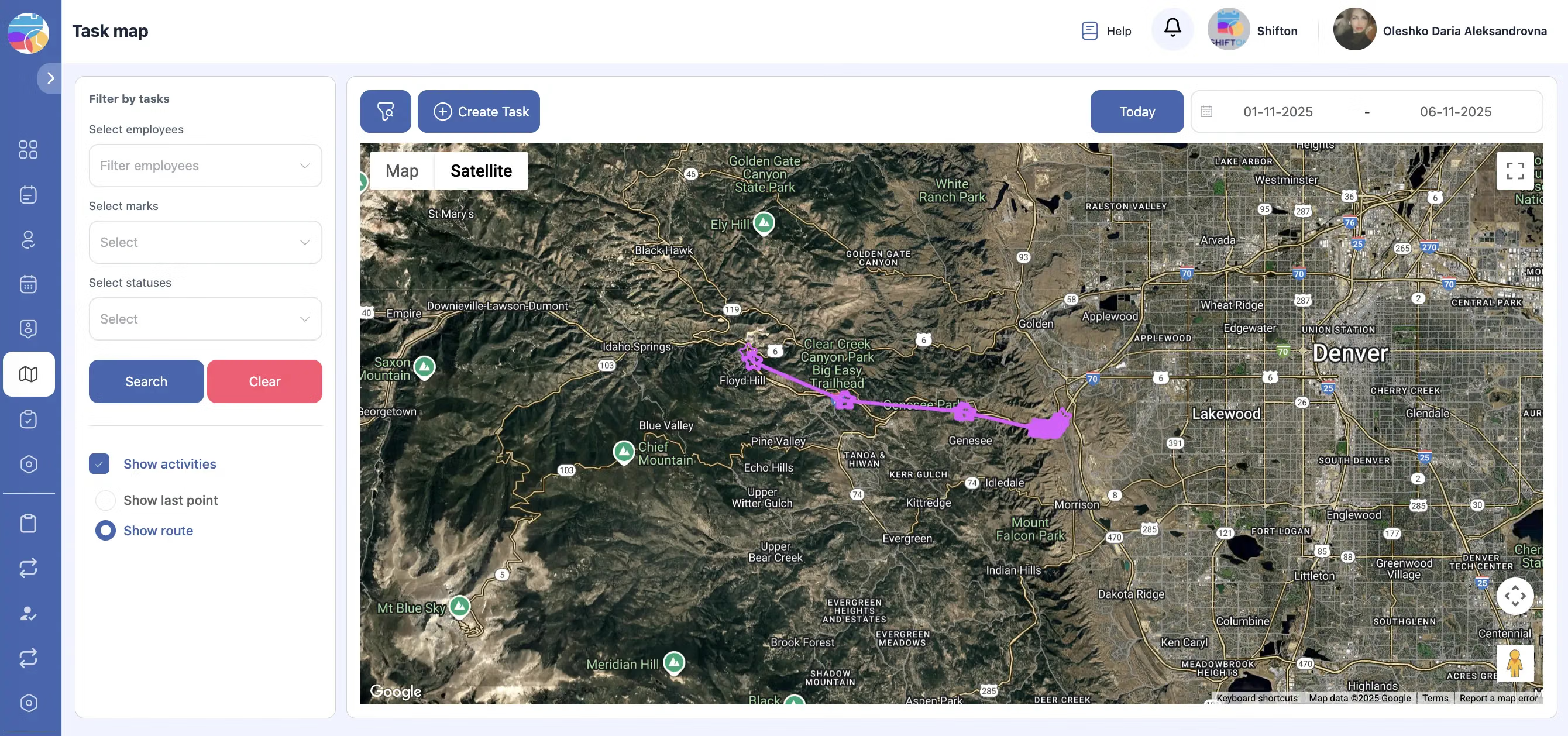
The customer is not at a garage, and neither are you
Mobile work removes the workshop and with it the buffer. There is no bay to leave the car in and no parts shelf to walk to. Everything depends on arriving at the right address, at the promised time, with the right components for that specific vehicle.
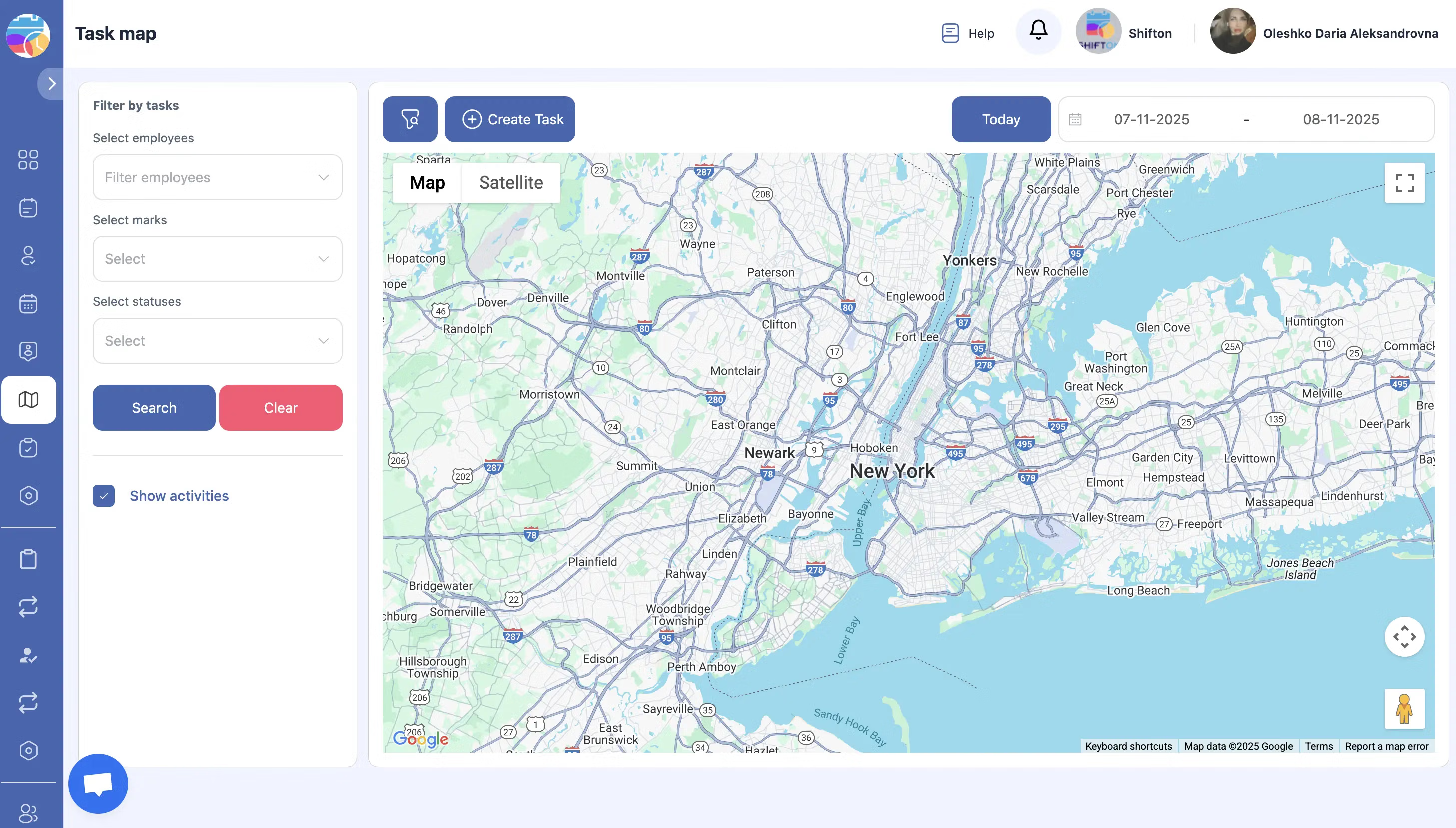
Parts decide whether it is one visit or two
A workshop can fetch a part in ten minutes. A mobile technician cannot. The whole economics of the trade rest on carrying the right components, which means knowing what the vehicle is before setting off and recording what gets used afterwards.
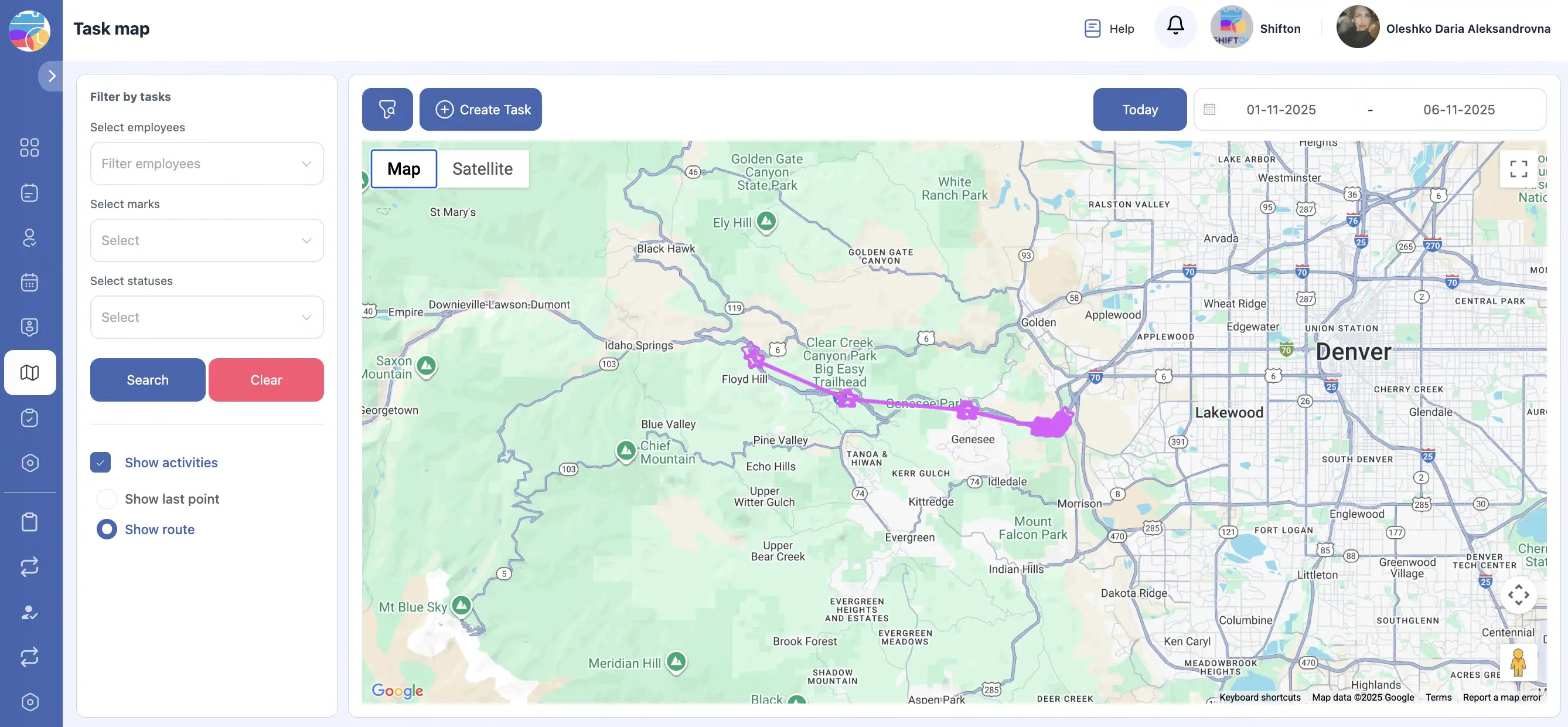
The record that protects both sides
Working on somebody's vehicle on their driveway means photographs matter. The condition of the car on arrival, the part that was replaced, the reading on the dash. All of it takes seconds and prevents the conversations that cost days.
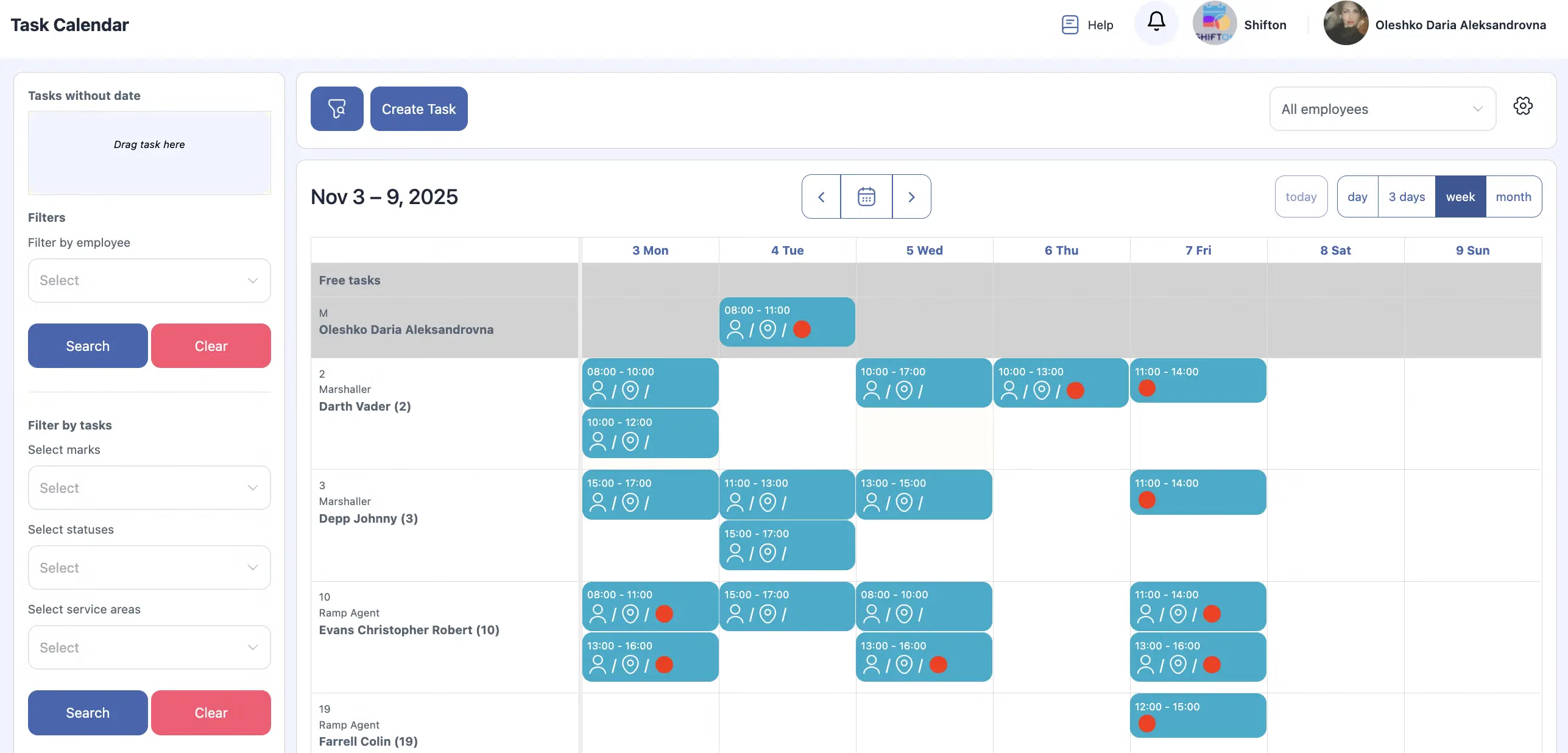
Paid at the roadside, and rebooked for the next service
Mobile work is usually paid on completion, and the next service is usually never booked because nobody asks. Building the invoice from the job and holding the vehicle history makes both straightforward.
Start with the Free Plan
No time limits. Get full access to core features and upgrade when you're ready.
Read the full guide to mobile mechanic software
A workshop without the workshop
Mobile mechanics and auto glass technicians do the same work as a garage without any of the garage's safety nets. There is no bay to leave a vehicle in overnight, no colleague to borrow a tool from, and no parts counter twenty metres away. Everything that a workshop absorbs quietly, mobile work exposes.
That is why the software question in this trade is not really about scheduling. It is about whether the technician arrives knowing exactly what vehicle they are looking at and carrying exactly what it needs.
Information before parts, parts before profit
The chain is simple. If the job card carries the make, model, year and registration, the right parts can be loaded. If the right parts are loaded, the job finishes on the first visit. If the job finishes on the first visit, it made money.
Break any link and the economics invert. A return visit to fit a part that should have been on the van consumes the margin on the original job and part of the next one, because the second trip is unpaid driving.
Learning what the van should carry
Most mobile technicians stock their van by instinct and adjust after a bad week. Recording parts against jobs replaces instinct with a list: what is actually used, how often, and on which kinds of vehicle. After a few months the stocking decision stops being a guess.
Photographs on someone else's driveway
Working on a customer's vehicle at their home changes the risk profile. Any mark on a wing, any scuff on a driveway, any pre-existing damage becomes a possible dispute, and the customer is watching from a window.
Photographs of the vehicle on arrival, the component removed and the finished work take under a minute and remove the entire category of argument. They also make warranty questions straightforward, because the part fitted and the date are on the record rather than in a notebook.
The service that never gets rebooked
Mobile servicing is repeat business that behaves like one-off business, because nobody asks for the next appointment. The vehicle needs the same service at the same interval, and the customer will find whoever contacts them first.
Holding the history against the registration, with the next interval scheduled, converts that from a marketing problem into a default. It costs nothing and it is the single largest source of easy revenue in the trade.
Getting paid at the kerb
Mobile jobs are paid on completion, which is an advantage over trade work with thirty day terms, but only if the invoice exists at the point of completion. Building it from the finished job, with parts and labour already recorded, means the payment conversation happens while the technician is still there rather than a week later by email.
What to check
Can the job carry the full vehicle details. Can parts be recorded on the job. Can the technician complete everything on a phone with no signal, including photographs and a signature. Can the invoice be produced on site. Those four questions cover mobile mechanical and glass work almost completely.
Starting free
A sole trader or a two-person operation runs free with no time limit: scheduling, digital job forms, the mobile app and reports are included.
Paid modules are added as the business grows, each with a free trial of up to 55 days: inventory for van stock, invoicing to bill at the roadside, location control when several technicians are working an area.
The parts are documented separately: task management and dispatch, the mobile app, digital job forms, inventory, client and vehicle records and invoicing. Prices are on the pricing page.
Frequently Asked Questions
How does the technician know which vehicle they are going to?
Make, model, year, registration and the reported fault are on the job card before they set off, along with the address and access notes. In mobile work that information is what decides whether the right parts are on the van.
Can we track parts used per job?
With the inventory module, parts are recorded against the job and the vehicle they were fitted to, and van stock reduces automatically. Over time this shows what the vans should carry, which is the main lever on first-time fix.
Does the app work at the roadside with no signal?
The mobile app for iOS and Android keeps the job, the checklist and the photos on the device and syncs when a connection returns, so a job on a rural road or in an underground car park is recorded normally.
Can the customer sign and be invoiced on site?
Yes. The customer signs on the technician's device and, with the invoicing module, the bill is produced from the completed job including labour, parts and call-out, so payment does not wait for an evening of paperwork.
Is vehicle history kept per registration?
Every job is held against the vehicle, so the full history of what has been done, when, and with which parts opens in one place. That is also what makes the next service easy to schedule rather than easy to forget.
Is this workable for a single mobile mechanic?
One or two people run free with no time limit: scheduling, digital job forms, the mobile app and reports are included, which covers a sole trader completely.
What does it cost as more technicians are added?
Above two employees pricing is per employee per month, and every paid module carries a free trial of up to 55 days, which is long enough to run a full quarter of mobile work through it.


Ready to transform your field operations?
Join thousands of field service companies that trust Shifton to run smarter every day.