

Window Tinting Software for Film and Mobile Fitting Teams
Jobs sized by glass and film type, mobile and shop work on one board, and photographs kept against the vehicle or the building.
Glass decides the job, not the vehicle
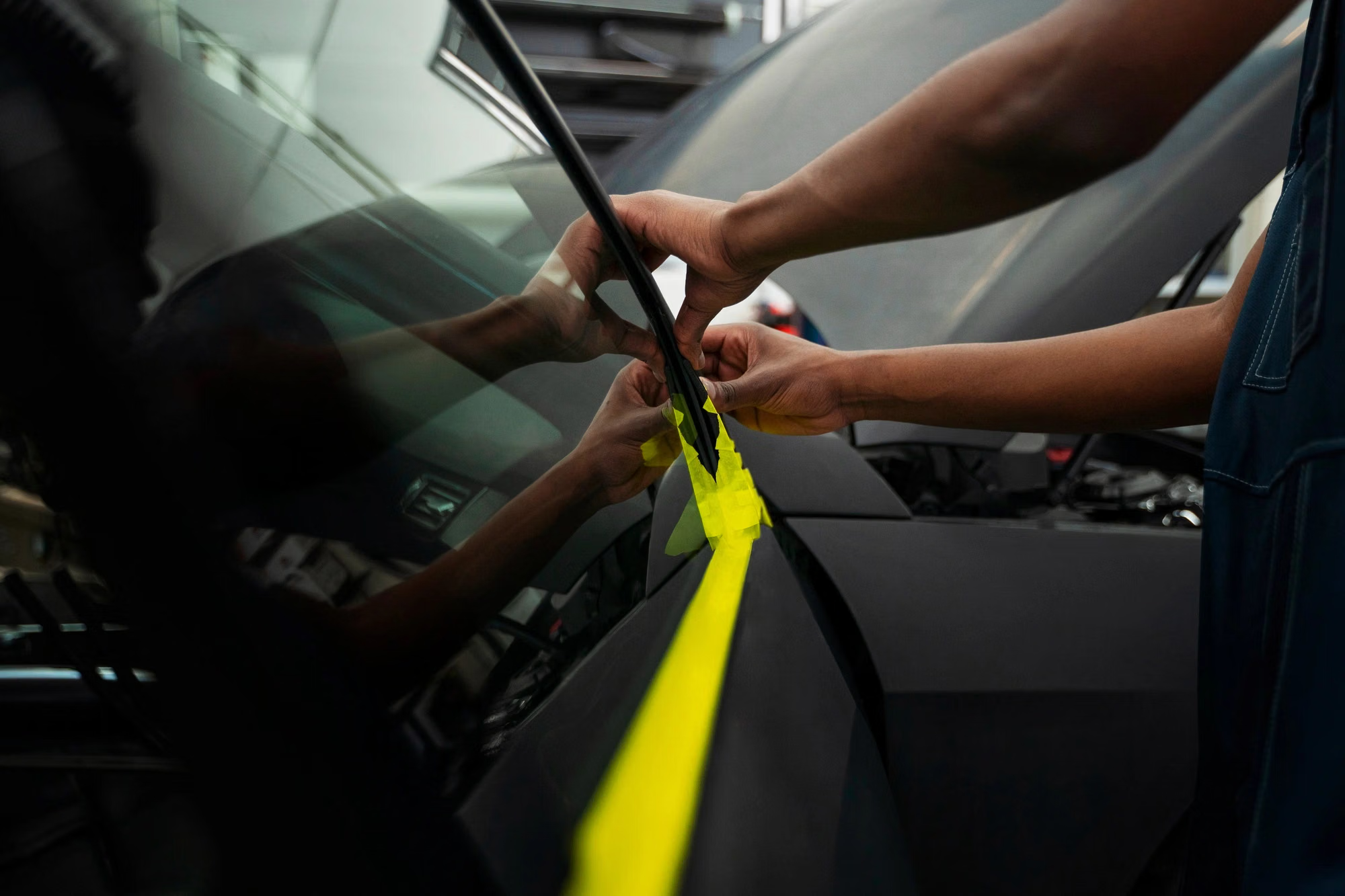
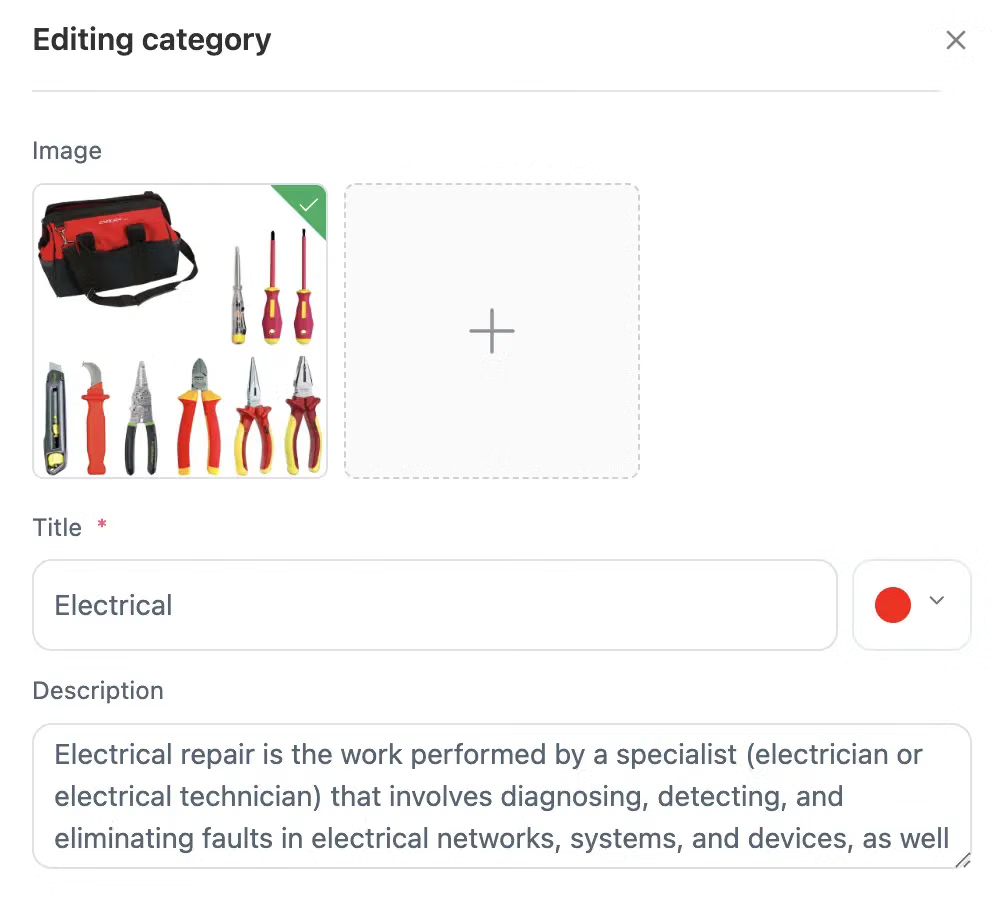
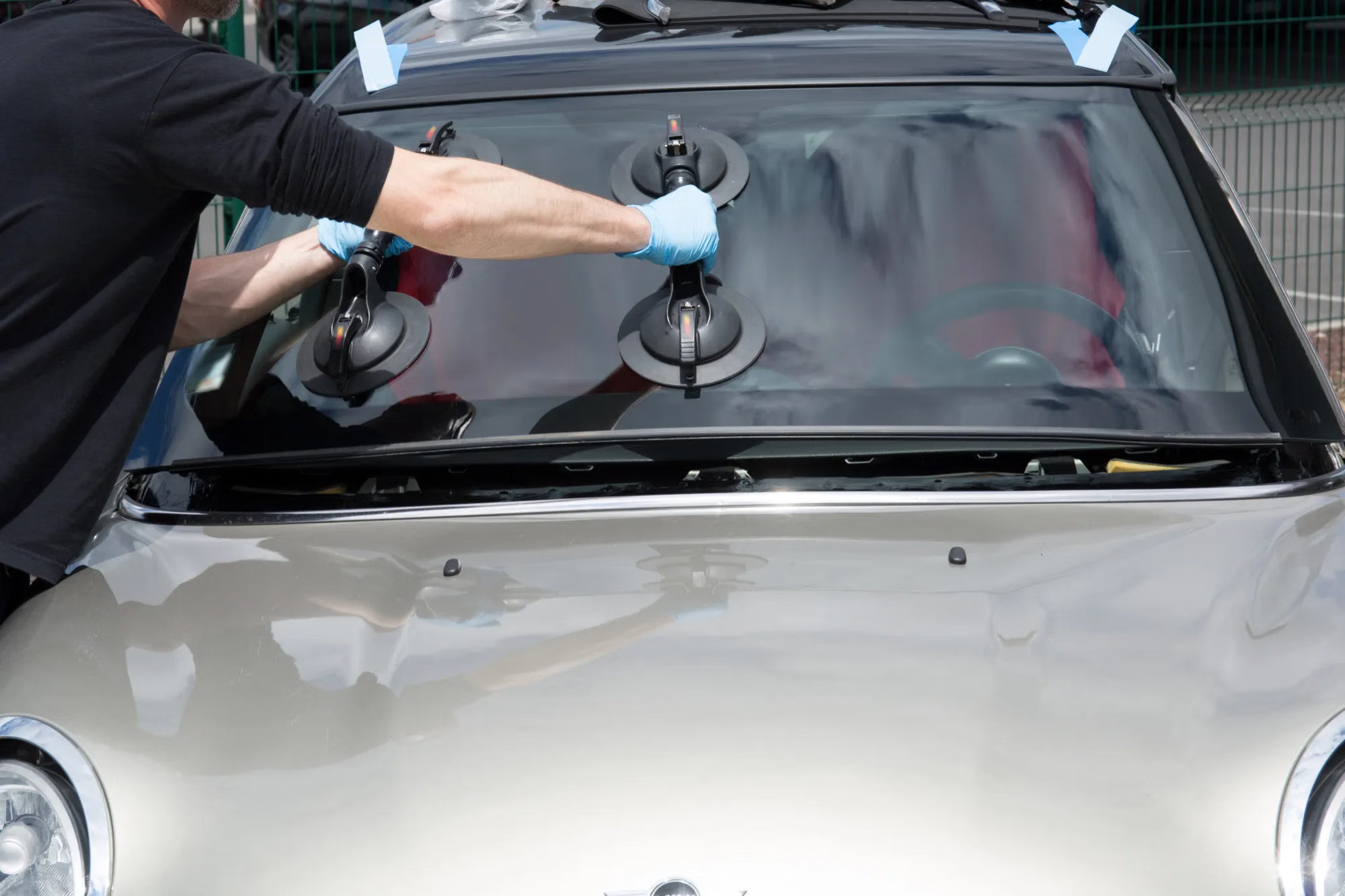
A tint job is priced by what has to be covered: how many windows, what shape, whether the rear screen is curved, whether old film has to be stripped first. A booking that records a car model and nothing else is a booking that will overrun.
Mobile and shop work on the same board
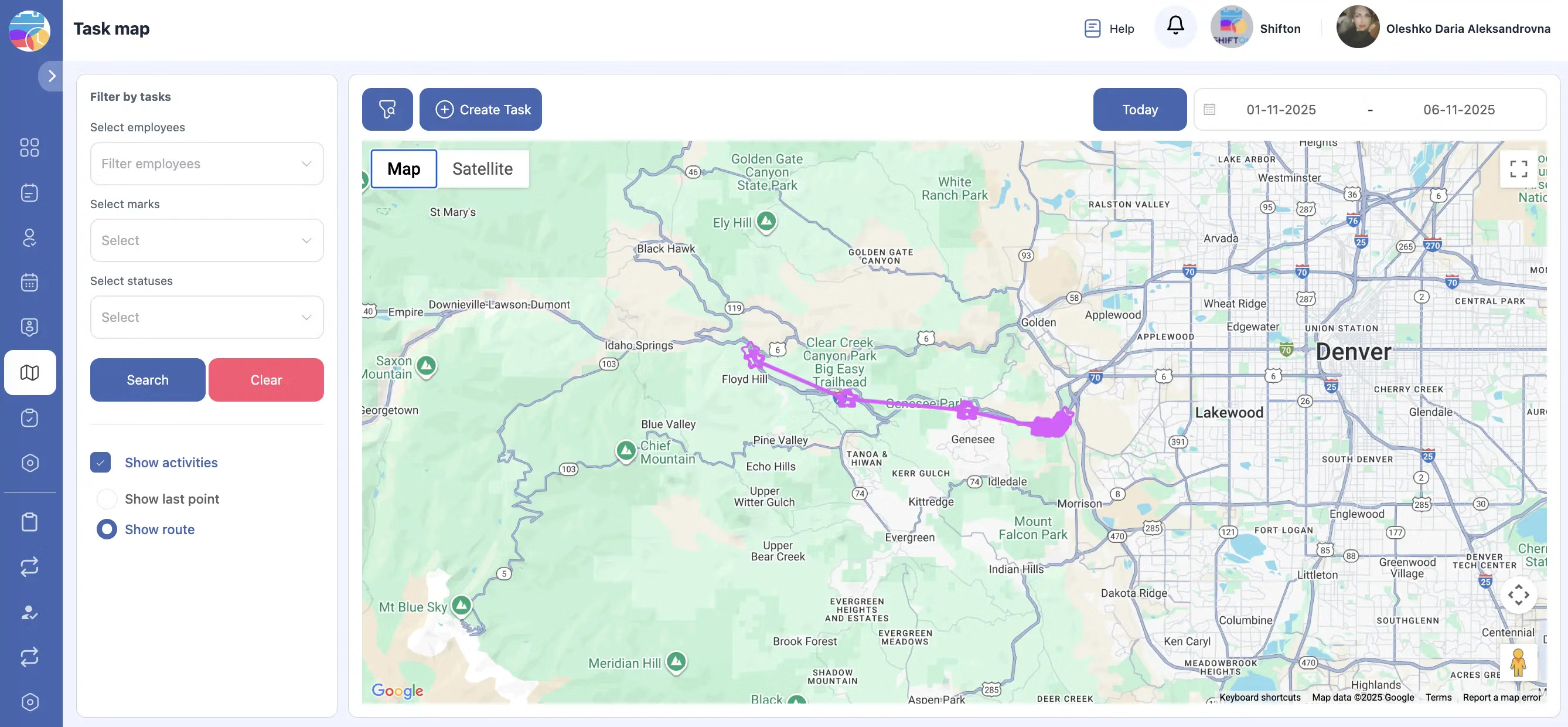
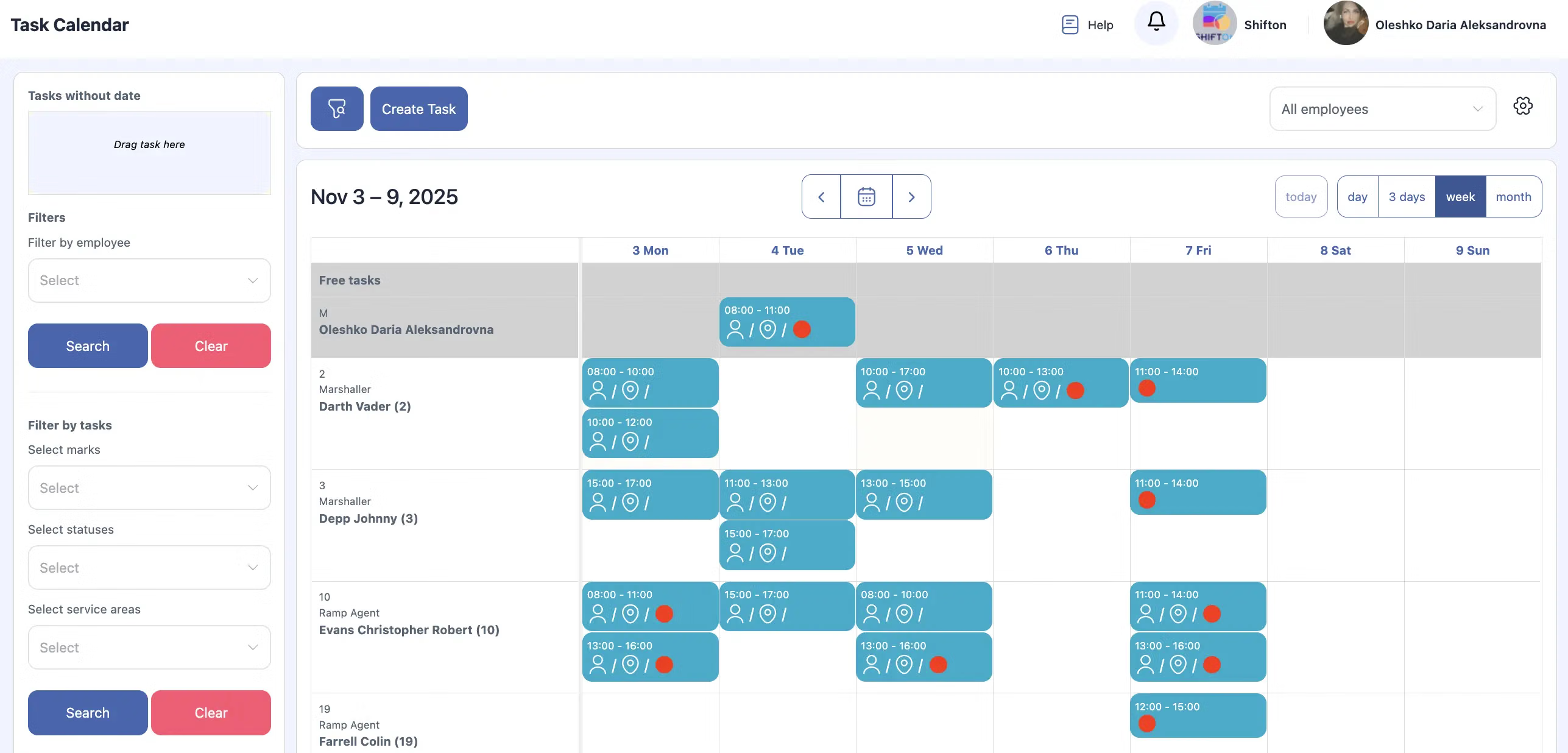
Most tinting businesses do both: vehicles at the unit, and mobile work on fleets, homes and commercial glass. The two have different durations, different conditions and the same fitters.
Evidence, warranty and the claim in a year's time
Film carries a warranty, and warranty claims arrive long after the fitter has forgotten the car. Bubbling, peeling and delamination all look like fitting faults, and only the record taken on the day separates them from damage.
Stock, offcuts and the hours behind the day
Film is bought in rolls and consumed in shapes, and the gap between the two is waste. Recording what each job used against what was cut is the only way that waste becomes visible.
Start with the Free Plan
No time limits. Get full access to core features and upgrade when you're ready.
Read the full guide to scheduling window film and tinting work
Tinting is a small-job trade, and small jobs punish bad scheduling
A window tinting business runs on volume: several jobs a day, modest value each, most of them booked within a week. There is no slack. One job that takes three hours instead of ninety minutes does not just lose its own margin, it pushes everything behind it and produces a customer waiting in a reception area.
Window tinting software is therefore bought for accuracy rather than for sophistication. The question is whether the slot on the board resembles the work that will actually happen.
What makes a job longer than booked
Old film
Stripping degraded film, especially from a rear screen with heating elements, is slow, delicate work that can take longer than the fitting that follows. A booking that did not ask about it has already gone wrong.
Glass shape
Curved rear windows, quarter lights and fixed panes all need shaping and heat forming. Flat commercial glass is fast. Treating them as the same unit of work produces a schedule that is wrong in both directions.
Conditions
Mobile fitting depends on somewhere clean, sheltered and warm enough for the film to behave. A driveway in the wind is not that, and finding out on arrival costs the visit.
Two businesses, one set of fitters
Automotive work is retail: booked by individuals, done at the unit, priced per vehicle. Architectural and commercial film is contract work: surveyed, quoted, done on site, often out of hours, often across multiple visits. Most firms do both because the skills transfer.
The scheduling conflict between them is real and constant. Keeping both on one board at least makes it visible, so a fleet day is not booked over three retail customers who were promised a Saturday.
The warranty tail
Quality film carries a long warranty, and claims surface after a year or more. By then the fitter has done a thousand cars, the customer is certain the problem was there from the start, and the manufacturer wants to know which product and batch was used.
Recording the film and batch against the job, with photographs of the glass before and after, turns that from an argument into an administrative exercise. It also protects the business in the more common case, where the film was damaged by a scraper, a seat belt or a pressure washer.
What Shifton Field Service does
It plans workshop and mobile work on one board, carries the job detail and checklists to the fitter, captures photographs and sign-off, tracks film and stock, and turns hours into invoices and reports. Two fitters or fewer pay nothing indefinitely for the board, the app, job forms and reporting, with invoicing, inventory, location control and the customer portal priced as modules.
It is not a quoting engine, it does not hold pattern libraries for plotters and it does not register warranties with manufacturers. It is the layer that decides who is doing what, and keeps the evidence of what they did.
Frequently Asked Questions
Can jobs be sized by the glass rather than by the car?
Yes. The job records which windows are being covered, the film agreed and whether old film has to be removed, which is the difference between a two hour fitting and most of a day.
Can mobile and workshop jobs sit on the same schedule?
They do. Mobile visits are grouped by area with their access and condition notes attached, while workshop jobs fill the unit, and the board shows both so a fitter is not double booked across them.
How do we handle warranty claims a year later?
Photographs before and after fitting, the film and batch used, and the customer's acceptance stay attached to the job. That record is what distinguishes a product fault from damage after fitting.
Can a fitter record a mobile job with no signal?
Yes. The job, the photographs and the customer's sign-off are captured on the phone at the vehicle or the building and upload when it reconnects.
Can we plan fleet work as one visit?
A site with several vehicles can be planned as a single job with the vehicles inside it, which is how the day actually runs, rather than as separate unrelated bookings.
Does it cover architectural film as well as automotive?
Both are job types with their own durations, conditions and checklists. Commercial glass on a building and a car at the unit are not the same work, and they should not carry the same default slot.
What does a small tinting business pay?
Two fitters or fewer pay nothing, permanently. The board, the app, job forms and reports are included; invoicing, film stock tracking, location control and the customer portal are separate paid modules.

Ready to transform your field operations?
Join thousands of field service companies that trust Shifton to run smarter every day.