

Electrical Contractor Software for Jobs and Certificates
Reactive faults, planned inspections and installs on one board, with the certificate, the photos and the materials attached to the job.

Two kinds of electrical work, one board
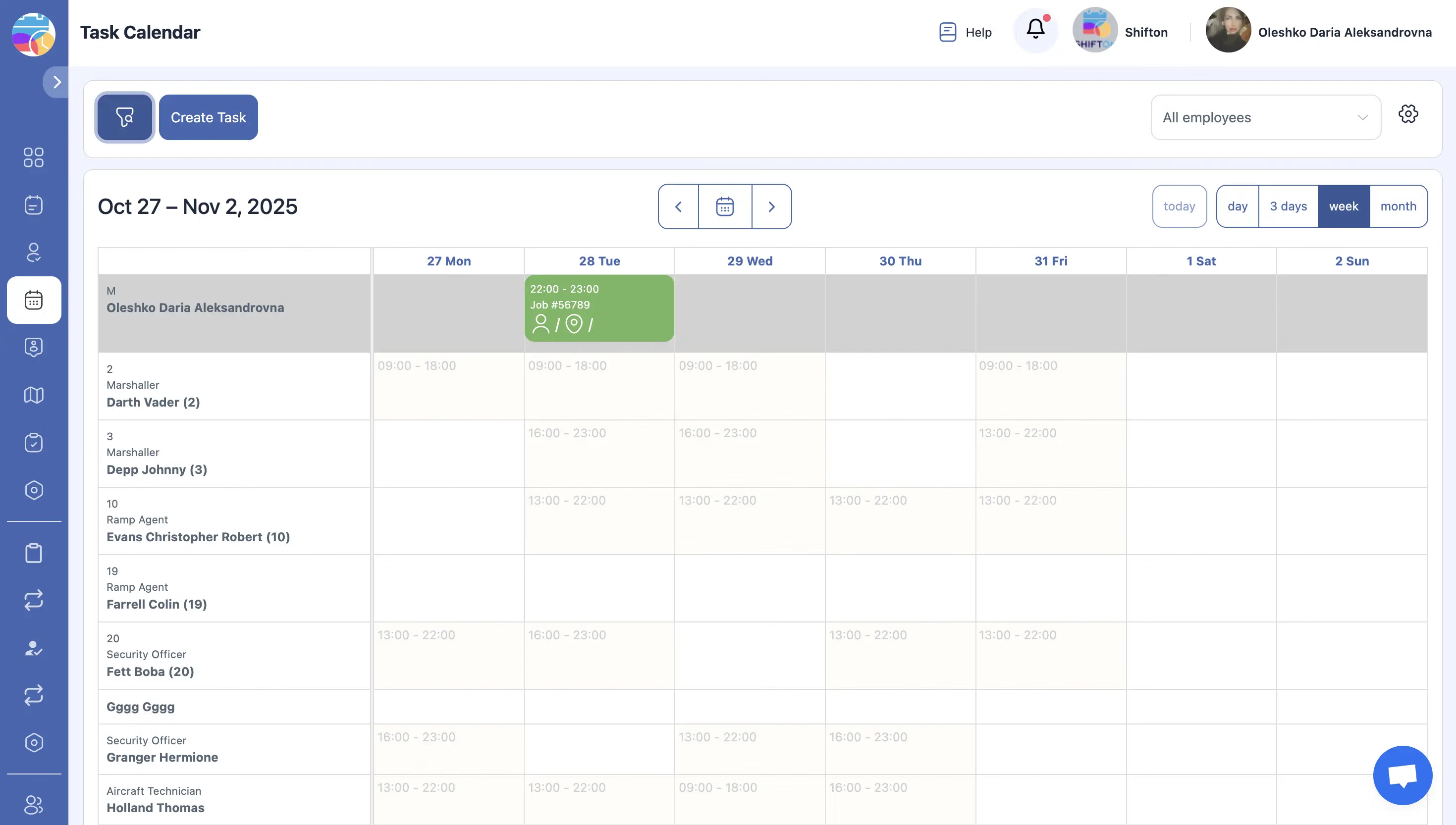
An electrical contractor runs reactive and planned work at the same time. Fault calls arrive without warning and have to be covered today. Fixed wire testing, inspections and install phases are booked weeks out and cannot slip without a conversation. Held in a diary, the two collide: the person taking the fault call cannot see what the planned work has already promised.
The job arrives on the phone with everything on it
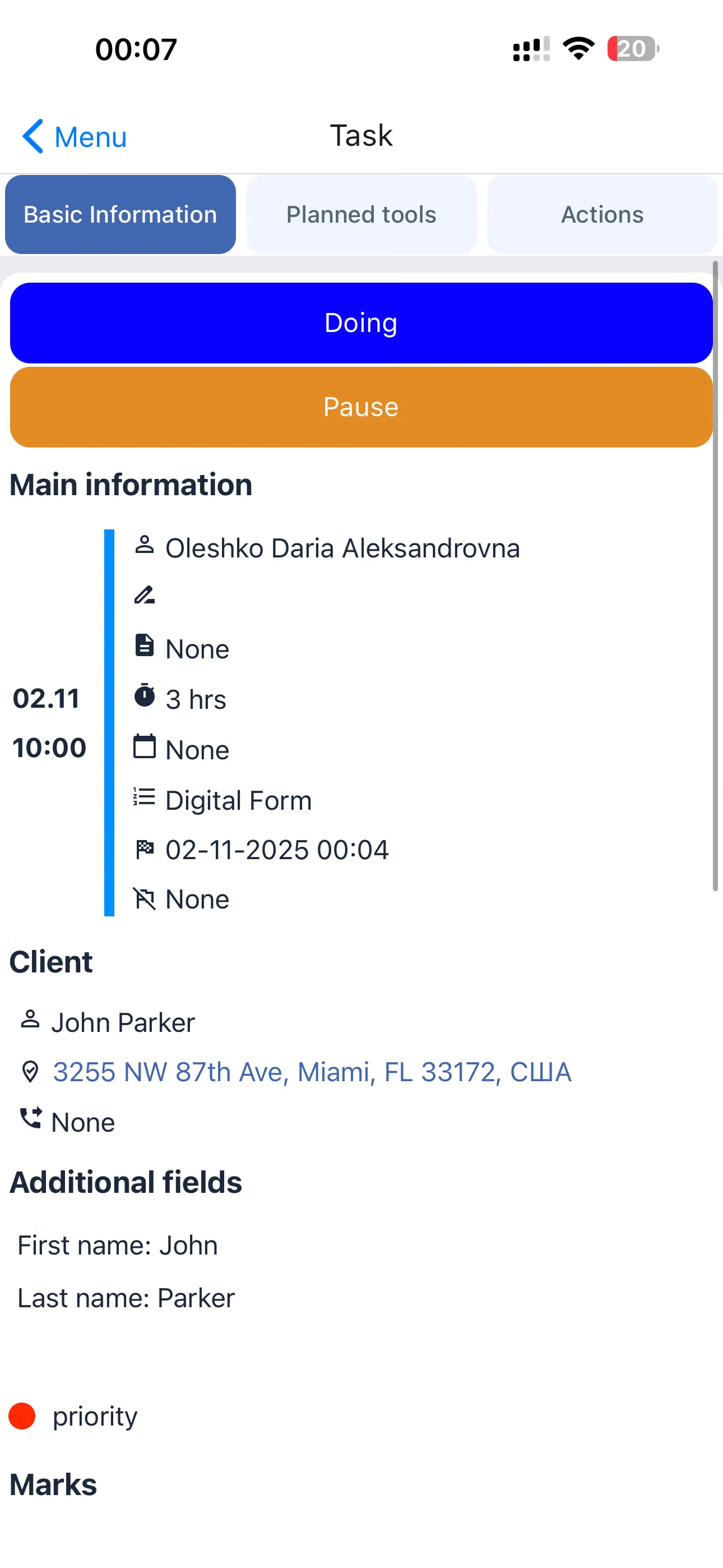
Most wasted hours on an electrical job are spent finding out what the job is. Which board, which circuit, what the last visit found, whether there is a key, whether the site needs an induction. Electrical service software puts that on the card before the van moves, so the first hour is work rather than discovery.
Certificates and test results made on site
Electrical work produces documents that outlive it. Installation and condition reports, minor works certificates, test schedules, photographs of a board before and after. Written on paper they are typed up at night, lost in vans and missing when a landlord or an insurer asks. Built as digital job forms they are finished before the electrician leaves.
Materials, invoices and the numbers behind the year
Cable, accessories and consumables move from the van to the job and quietly leave the margin behind. Tying materials to the job card fixes the arithmetic, and the invoice is then built from the finished work rather than reconstructed a fortnight later when nobody remembers what was fitted.
Start with the Free Plan
No time limits. Get full access to core features and upgrade when you're ready.
Read the full guide to electrical contractor software
What electrical contractors are actually managing
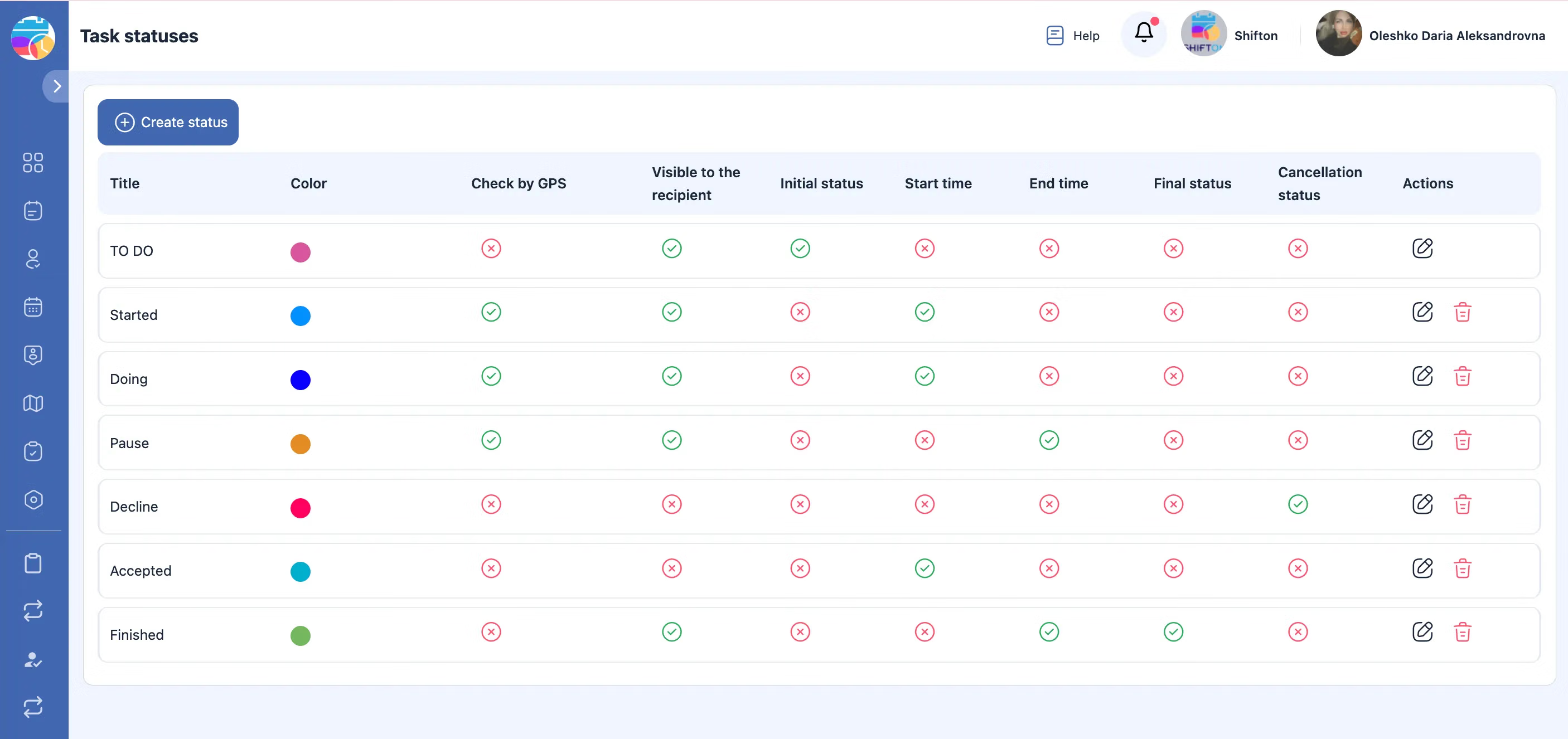
An electrical contracting business is three businesses wearing one name. There is reactive work, where the value is speed and the enemy is a van in the wrong part of the city. There is planned inspection and testing, where the value is coverage and the enemy is a missed date. There is installation, where the value is sequence and the enemy is a phase that starts before the previous one finished. Electrical contractor software has to hold all three without pretending they behave the same way.
That is the honest test for any package. Not whether it has a calendar, but whether an urgent fault can be placed into a week already full of booked testing without somebody rebuilding the plan by hand.
Assignment is a qualification question first
In most trades the dispatch question is who is nearest. In electrical work it is who is nearest and permitted. Sending an available person to a job they are not qualified to sign off produces a second visit and an awkward conversation, which is worse than sending nobody.
People, not a pool
Jobs are assigned to named electricians, and access rules decide who can see and take what. Apprentices see the work they are on. Approved staff see the work they can certify. The board stops offering choices that cannot be taken, which is a small thing that removes a whole class of mistakes.
Geography that is enforced
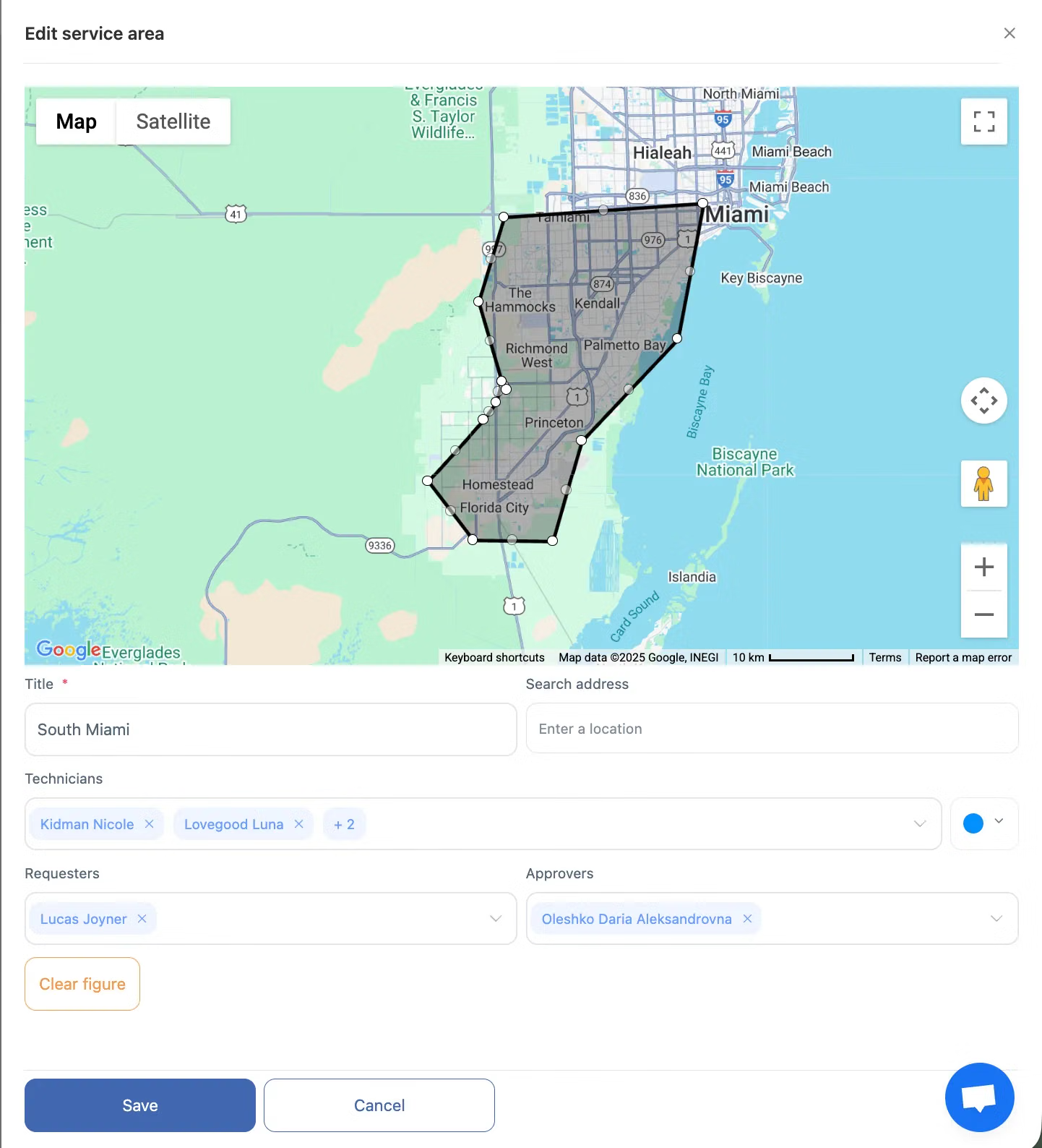
Service areas turn coverage from an intention into a rule. If a call comes from an area an electrician does not cover, they do not appear as an option. Nobody has to remember the boundary at half past four on a Friday.
The paperwork is the deliverable
Electrical work is unusual in that the document is part of the product. A customer buys a board change and receives a board change and a certificate. If the certificate is late, wrong or lost, the work is not finished, whatever the wiring looks like.
This is the strongest argument for doing the forms on the phone rather than on paper. A test schedule completed on site is completed once. The same schedule written on a pad is written once, typed once, chased once and, often enough, hunted for once more when a landlord's agent asks for it two years later. Digital job forms remove three of those four steps and keep the fourth to a search.
Photographs are evidence, not decoration
A photograph of the board before work started, the defect that was found, and the finished installation is the cheapest insurance an electrical contractor can buy. Attached to the work order with a time stamp, it settles disputes about what was there before you arrived. Sitting in a camera roll, it settles nothing.
Where the margin leaks
Three leaks are common and all three are visible in the numbers once the jobs are recorded properly. The first is materials: cable, accessories and consumables fitted and never billed. The second is travel: an hour and a half of driving hidden inside a job that was quoted for one hour of work. The third is the revisit, where the first visit finished without the part, the test or the signature that would have closed it.
Reports built from real jobs make these three arguable rather than invisible. First-time fix rates tell you whether the vans are stocked correctly. Time on site against time quoted tells you whether the estimates are honest. Jobs per electrician per day, with travel included, tells you whether the patch is drawn sensibly or whether two people are crossing the same city every morning.
Installation work needs sequence, not just slots
First fix, second fix and testing are not interchangeable appointments. They are a sequence tied to other trades, and the cost of getting the order wrong is a day of standing around. Holding installation phases as scheduled jobs against the same board as reactive work means the office can see, before it commits an electrician to an emergency, what that decision does to a site that is waiting on second fix tomorrow.
Starting small and adding modules
A two-person firm runs free with no time limit: scheduling, digital job forms, the mobile app and reports. That is enough to stop the diary being the only record and to see whether the way of working suits the business.
After that, modules are added when the pain is real. Inventory when materials stop reconciling. Invoicing when the gap between finishing and billing becomes a cash flow problem. Location control when routing decisions matter. The customer portal when the office spends its morning telling people the electrician is on the way. Each paid module carries a free trial of up to 55 days.
Details of each part are documented: dispatch and task management, digital job forms, the mobile app, role based access, invoicing and reporting, with module prices on the pricing page.
Frequently Asked Questions
Can I make sure a job only goes to a qualified electrician?
Yes. Work is assigned to named people rather than to a pool, and role based access controls who can see and take which jobs. Combined with service areas, that keeps a job from landing on somebody who is neither qualified for it nor anywhere near it.
Does the electrician app work on site with no signal?
The mobile app for iOS and Android holds the job, the checklist and the photos on the device. A basement plant room or a new build with no coverage does not stop the work being recorded, and everything syncs when the phone finds a connection.
How are electrical certificates and test results handled?
As digital job forms. The test schedule and checklist are completed on the phone, photos are attached, the customer signs on the device, and the finished document is stored against the site so it can be found without searching a van or a filing cabinet.
Can the system schedule recurring inspections and fixed wire testing?
Yes. Recurring visits are booked ahead, so periodic inspections and testing cycles appear on the board in advance. Each occurrence carries its own forms and evidence, and the site history shows every previous visit in order.
Can I track cable and accessories used on each job?
With the inventory module, yes. The electrician records materials used on the job card, stock is reduced automatically, and the same lines are carried into the invoice so consumables stop disappearing between the van and the bill.
Is this electrician software workable for a small firm?
Teams of two or fewer run on the free plan with no time limit, including scheduling, digital job forms, the mobile app and reports. Paid modules such as inventory, invoicing, location control and the customer portal are added when the work justifies them.
What does electrical business software cost here?
The free plan covers up to two employees permanently, and beyond that pricing is per employee per month. Every paid module carries a free trial of up to 55 days, which is long enough to run a full testing cycle through it before deciding.



Ready to transform your field operations?
Join thousands of field service companies that trust Shifton to run smarter every day.