

Refrigeration Service Software for Engineers and Contracts
Breakdowns, planned maintenance and compliance visits on one board, with the unit, the readings and the parts on the job.
A breakdown is a stock loss clock
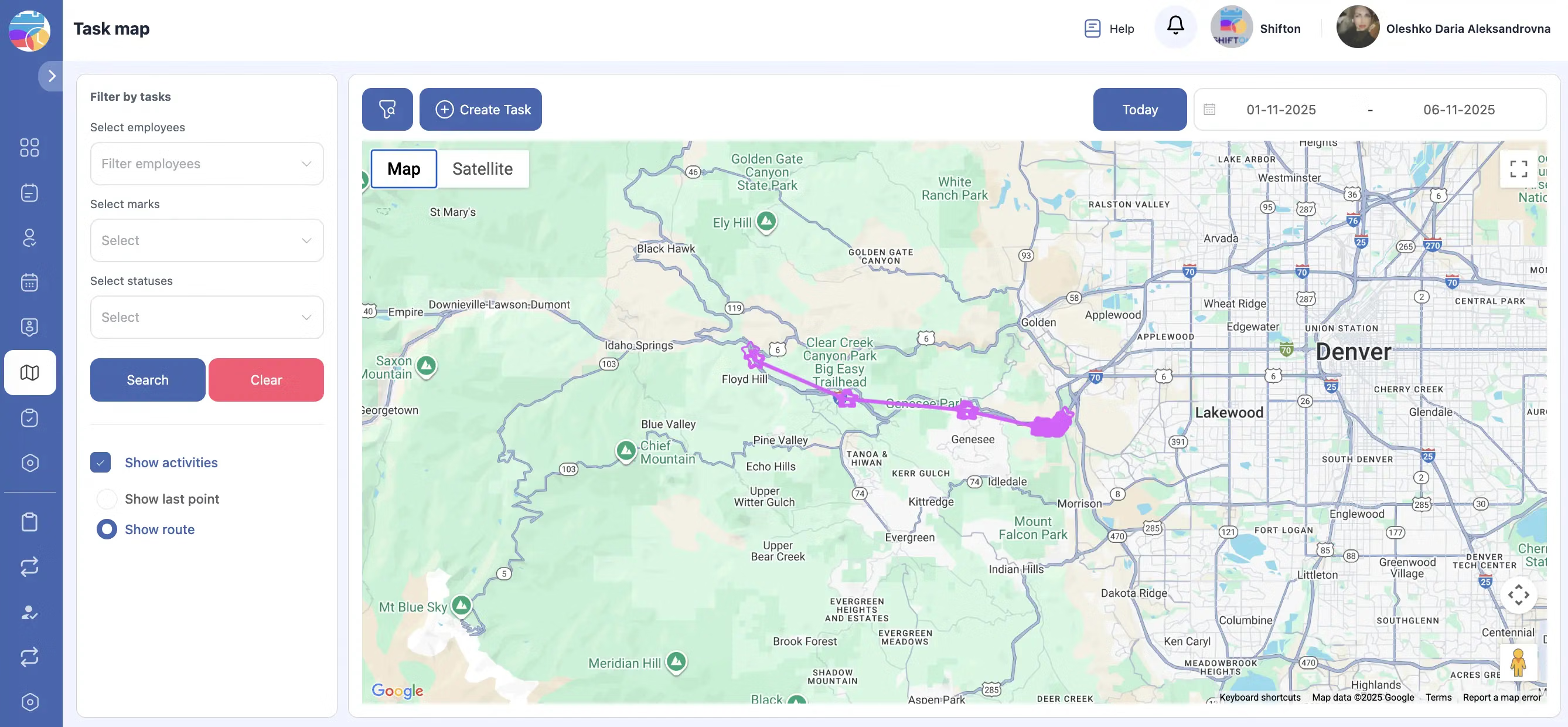
When a cold room fails, the customer is not counting minutes of downtime, they are counting the value of what is inside it. Response time in refrigeration is measured against spoiling stock, which is why the dispatch decision has to be made with the full picture rather than by ringing round.
Every unit has its own history
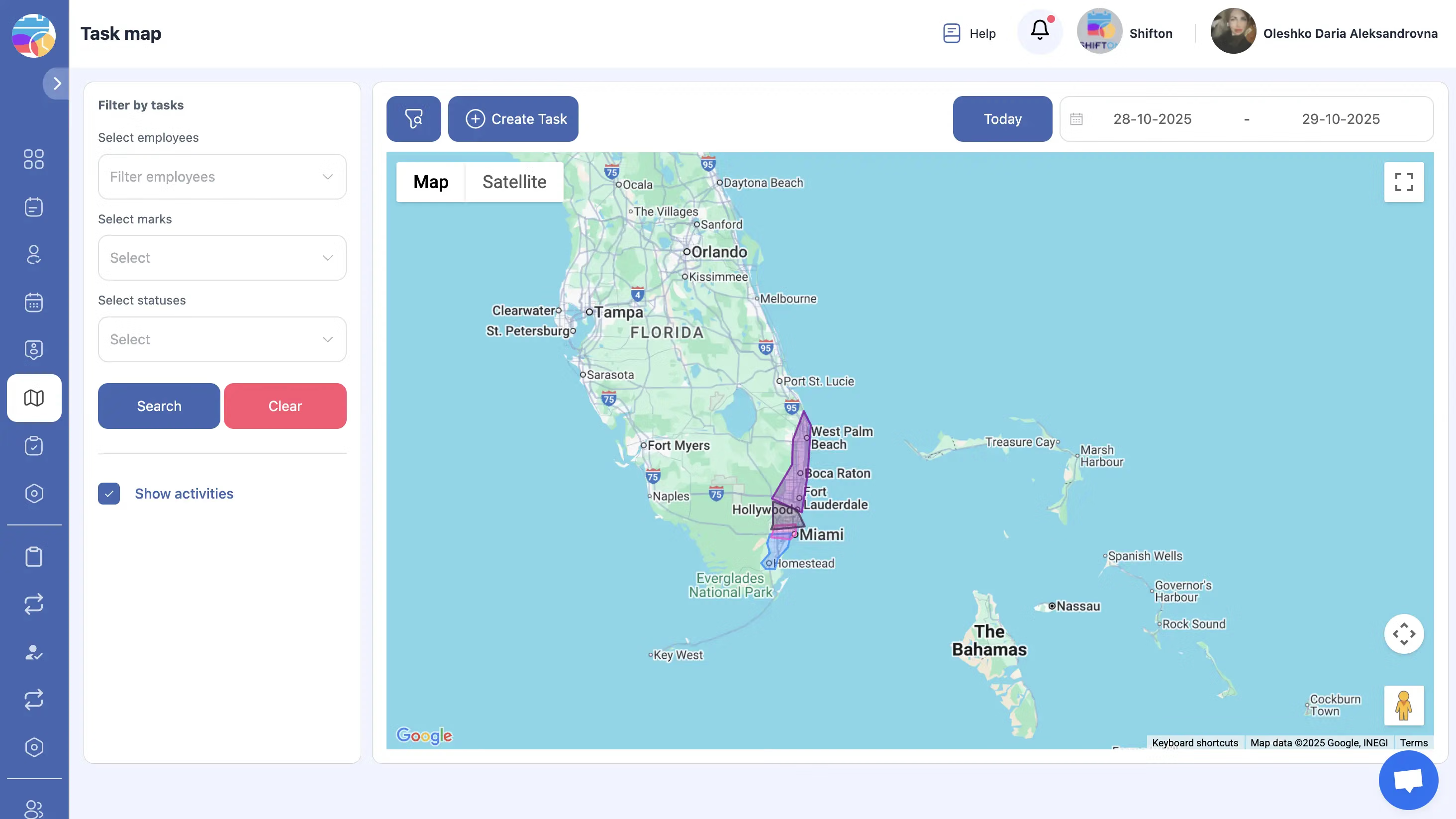
Pack, condenser, evaporator, controller, refrigerant type and charge, and the fault that keeps coming back. Held against the unit, that history is what turns a diagnostic visit into a repair, and what supports the case for replacement when repairs stop making sense.
Planned maintenance, gas records and the compliance file
Refrigeration carries obligations that follow the refrigerant: leak checks, records of gas added or recovered, service intervals per unit. All of them produce documents that somebody will ask for, and all of them are easier when the record is made on site.
Contracts, hours and what each site really costs
Maintenance is priced per site per year and delivered in visits, callouts and parts. Recording all three against the unit and the site is how you find the contracts that are quietly subsidised by the profitable ones.
Start with the Free Plan
No time limits. Get full access to core features and upgrade when you're ready.
Read the full guide to refrigeration service software
Downtime is measured in stock, not in hours
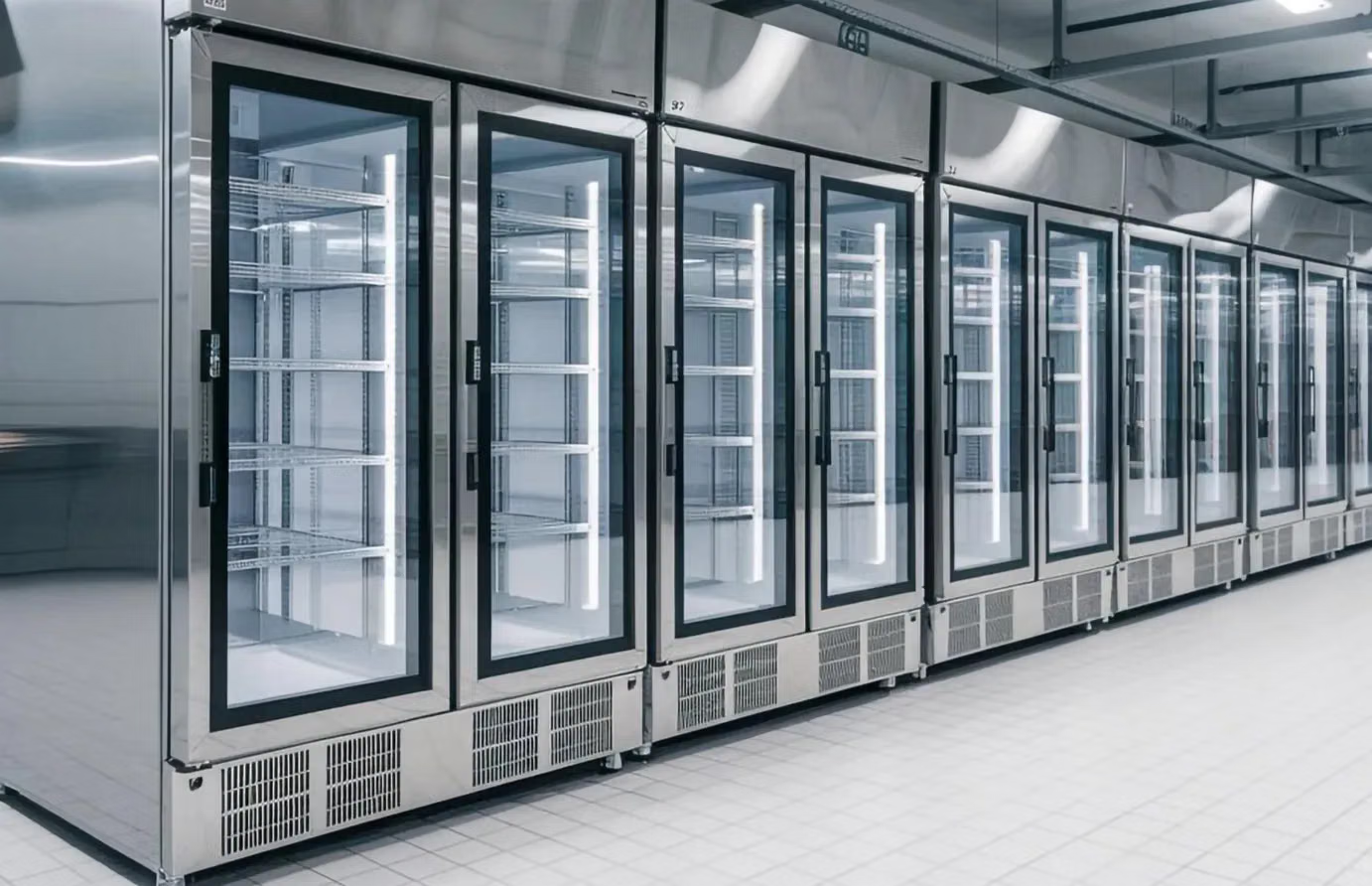
Refrigeration service is unusual because the cost of a failure is not the repair. A cold room in a restaurant, a chill cabinet in a convenience store or a blast freezer in a production kitchen holds stock that starts losing value the moment the temperature moves. The customer calling at nine on a Saturday night is not worried about a compressor, they are worried about what is in the room.
That changes what the dispatch decision has to be. It is not about who is free, it is about who can reach the site fastest with the competence to fix that plant, and about what the office is prepared to move to make it happen.
The unit is the record
A supermarket, a hotel kitchen or a cold store is not one asset. It is a set of packs, condensers, cabinets and rooms, each with its own model, refrigerant, history and habits. Recording work against the site alone loses everything useful. Recording it against the unit produces the picture an engineer needs before they set off and the evidence a client needs when the third repair on the same cabinet comes up.
History as an argument for replacement
The hardest conversation in refrigeration maintenance is telling a client that a unit should be replaced. It is a persuasive conversation when it comes with dates, faults, parts and gas quantities from the last two years, and an unpersuasive one when it comes as an engineer's judgement.
Gas records are not optional
Refrigerant handling carries record keeping obligations, and those records have a way of being requested at the least convenient moment. Quantities added or recovered, leak checks, the dates and the engineer who did the work: all of it belongs on the job at the time it happens.
Completed on a phone at the plant, the record is made once and is findable. Written on a service sheet and typed up on a Friday, it is made twice, less accurately, and sometimes not at all.
Planned maintenance is what stops the callouts
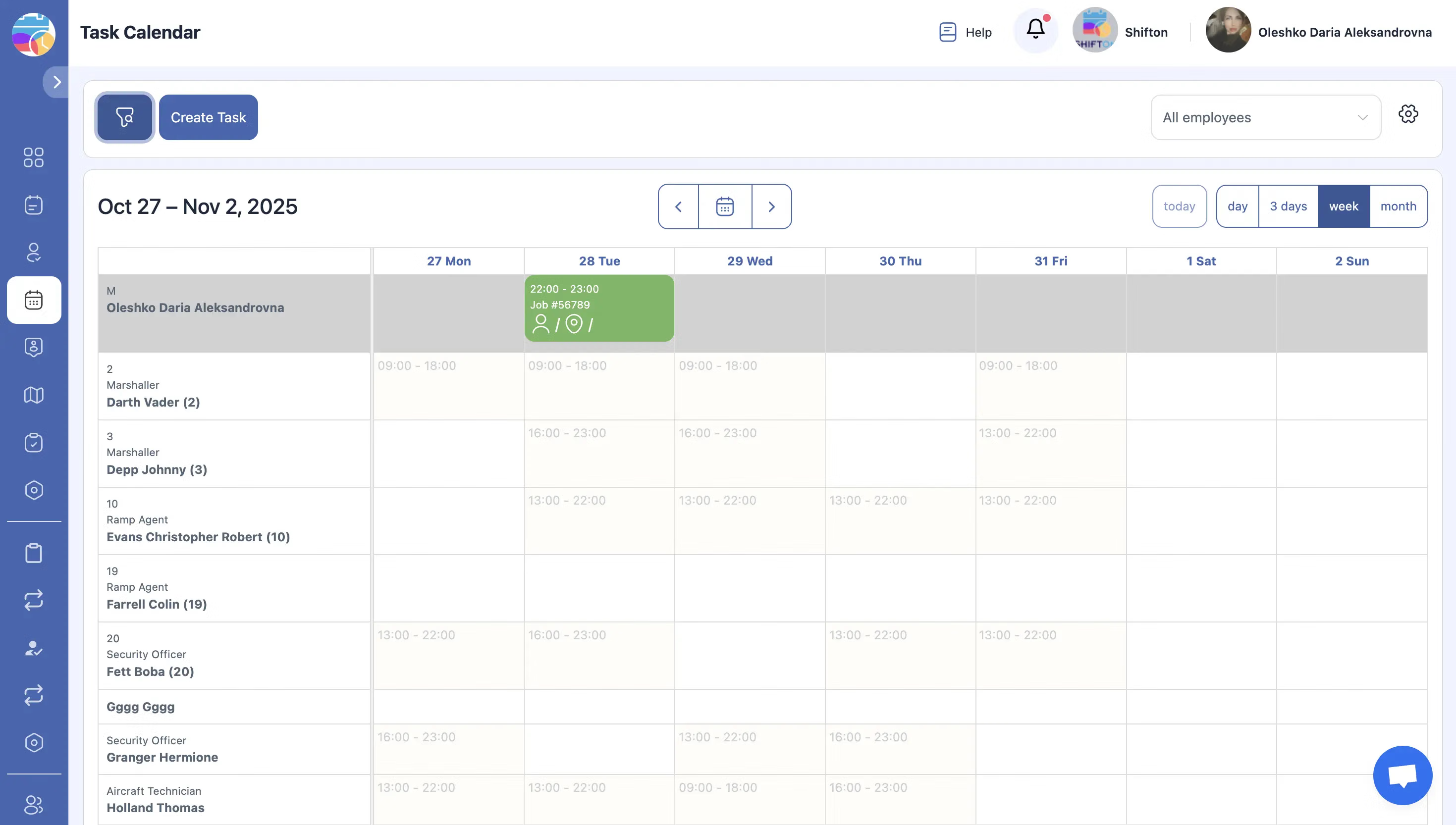
Every refrigeration business knows that planned maintenance reduces breakdowns and every refrigeration business struggles to protect it, because breakdowns are urgent and maintenance is not. The only reliable defence is visibility: seeing, at the moment an engineer is pulled off a service, which unit it was and when it will now happen.
The signal problem is structural
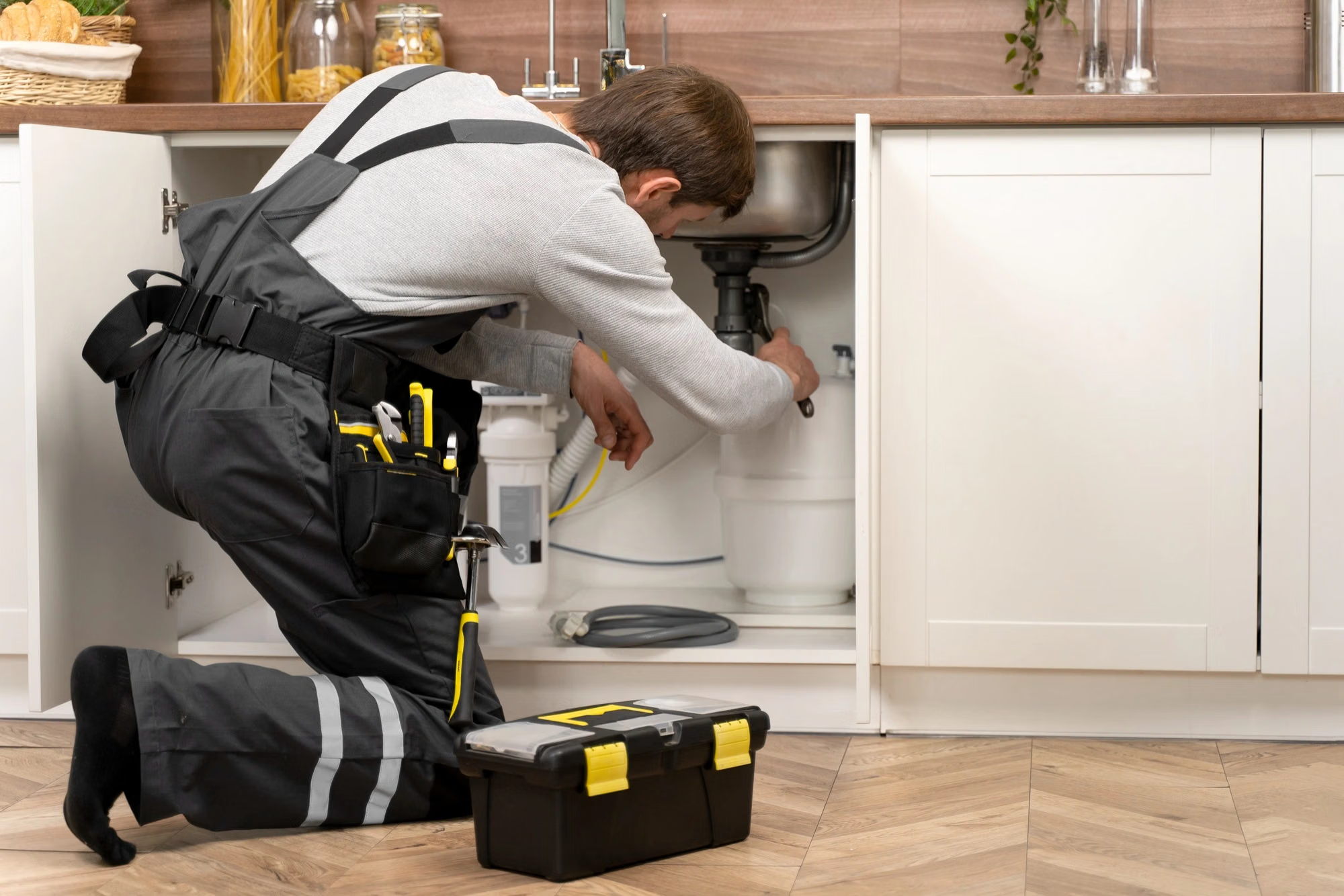
Cold stores, plant rooms, basements and back-of-house corridors are where this work happens, and none of them have coverage. Any tool that assumes connectivity will be filled in afterwards, in a van, and the checklists it produces will be identical every month regardless of what was found. That is worse than no checklist, because it looks like evidence.
What to look for
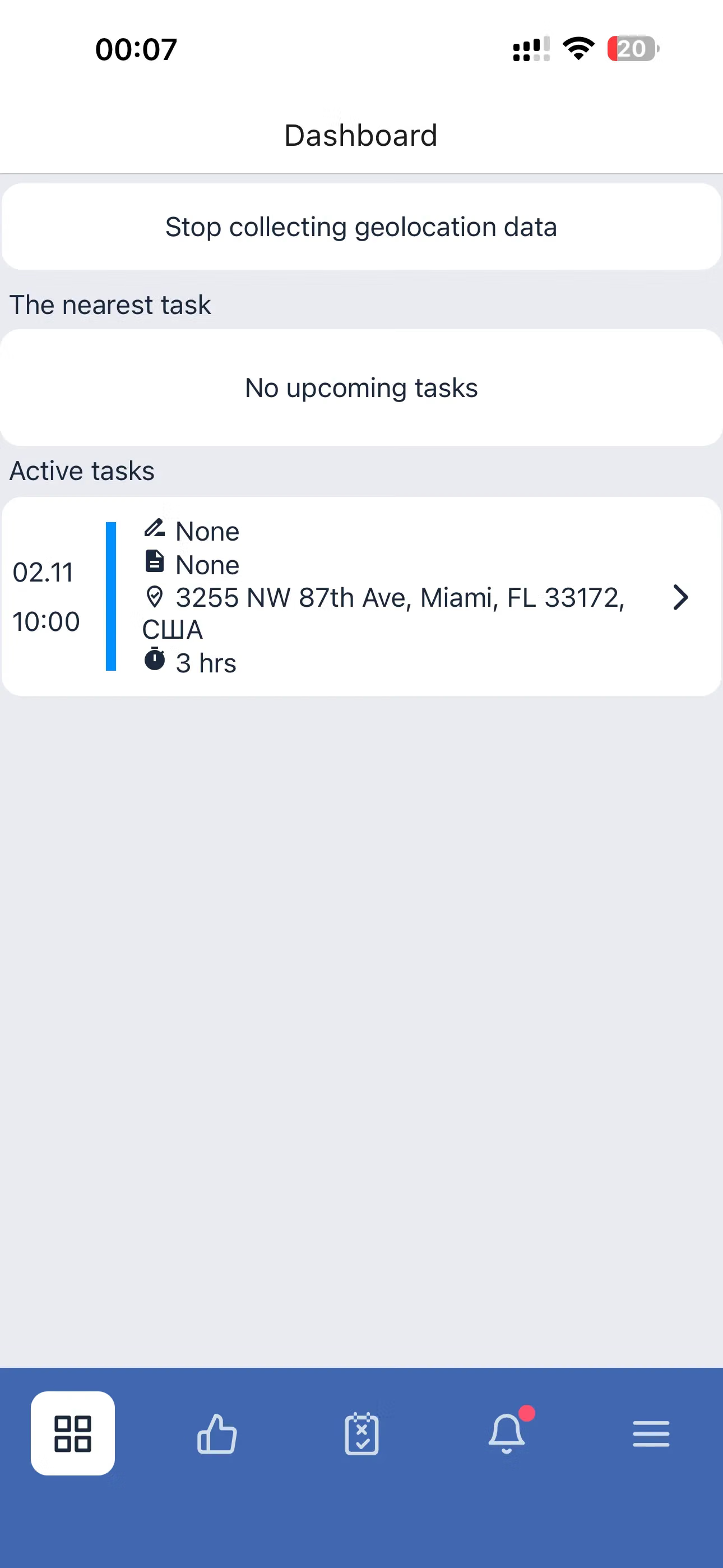
Can a breakdown be dispatched with the unit history attached. Is the record held per unit rather than per site. Can an engineer complete a visit, including gas records and photographs, with no signal. Can maintenance coverage and contract cost be reported without a spreadsheet.
Starting free
A two-person business runs free with no time limit: scheduling, digital job forms, the mobile app and reports are included, which is enough to test the approach across a handful of sites.
Paid modules follow the need, each with a free trial of up to 55 days: inventory for parts and gas, invoicing for callout billing, location control for engineers covering a region, the customer portal where clients want their own service history.
The parts are documented separately: dispatch and task management, work order history, digital job forms, the mobile app, inventory and reports. Prices are on the pricing page.
Frequently Asked Questions
How fast can an engineer be dispatched to a refrigeration breakdown?
The job is created with the site and unit details and pushed to the nearest qualified engineer on the mobile app. The on-call rota sits on the same board as the day schedule, so an out of hours call does not depend on somebody remembering who is available.
Is the service history held per unit?
Yes. Each pack, cold room or cabinet has its own record: make, model, refrigerant, previous faults and the parts fitted. A site with a dozen units has a dozen histories, which is what makes a recurring fault visible rather than anecdotal.
Does the app work in a cold store or plant room with no signal?
The mobile app for iOS and Android keeps the job, the checklist and the photographs on the device and syncs when the phone reconnects, which is the normal case in this trade rather than the exception.
Can leak checks and gas records be completed on site?
They are digital job forms completed on the phone during the visit, with quantities recorded against the unit and a signature where required. The document is stored on the record rather than being typed up later from a service sheet.
Can planned maintenance be scheduled per unit?
Recurring visits are set per unit at the contracted interval, so the portfolio appears on the board in advance and units falling behind their schedule can be seen before a client points it out.
Can we see what each maintenance contract actually costs?
Hours, parts and callouts are recorded against the site and unit, which rolls up into cost per contract and callouts per site. That is what identifies the contracts being kept alive by unbilled visits.
What does refrigeration service software cost to start?
Teams of two or fewer run free with no time limit, including scheduling, digital job forms, the mobile app and reports. Above that pricing is per employee per month and every paid module carries a free trial of up to 55 days.

Ready to transform your field operations?
Join thousands of field service companies that trust Shifton to run smarter every day.