

Roadside Assistance Software for Dispatch and Response
Every call becomes a job with a location, an assigned unit and a response clock, from the first ring to the signed completion.
Response time is the whole product
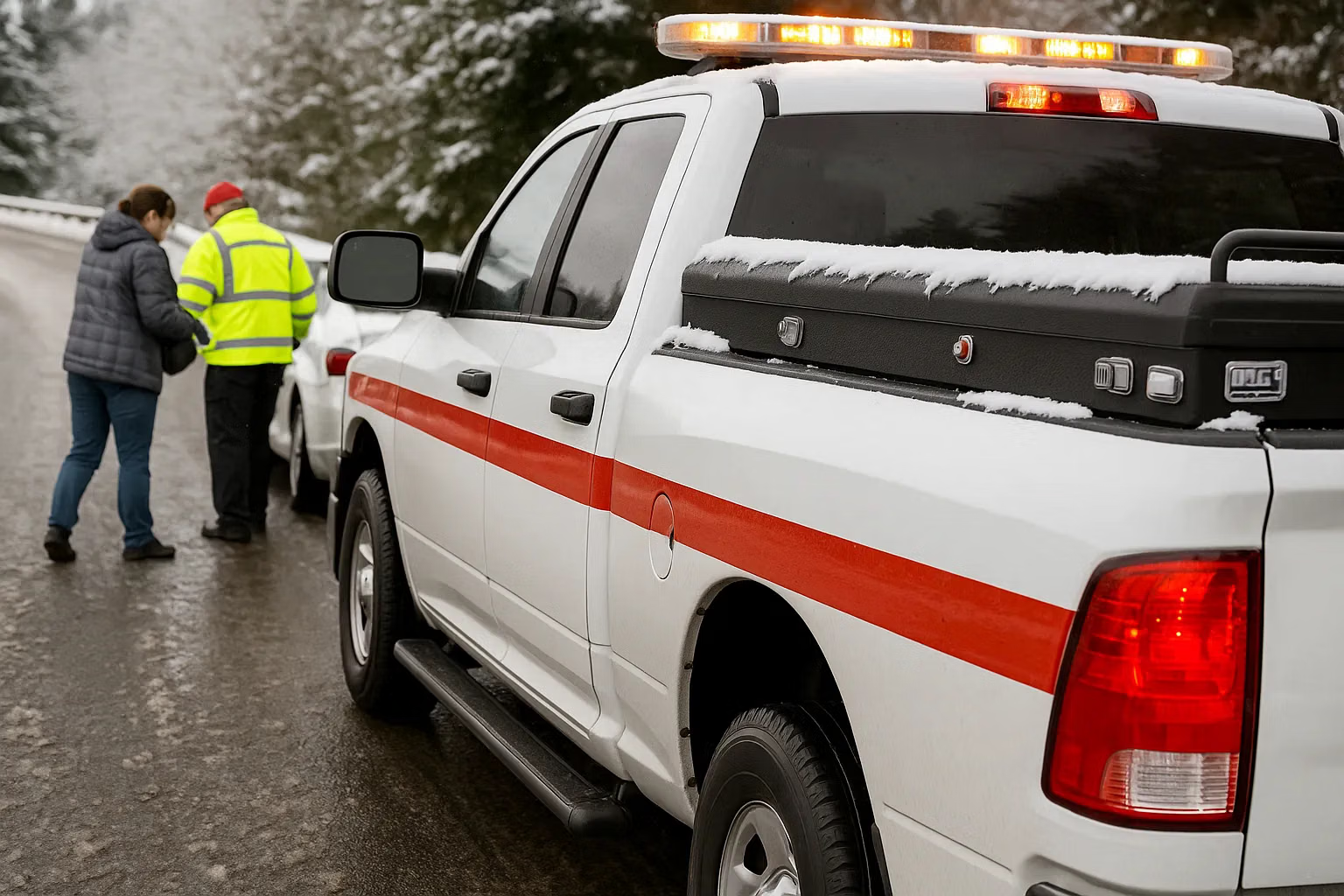
A roadside operation is judged on one number: how long the driver waits. Everything else follows from it, including whether a motor club renews the contract. Dispatch by phone and group chat cannot hold that number under load, because nobody can see all the units, all the open calls and all the promised arrival times at once.
From the call to the assignment in seconds
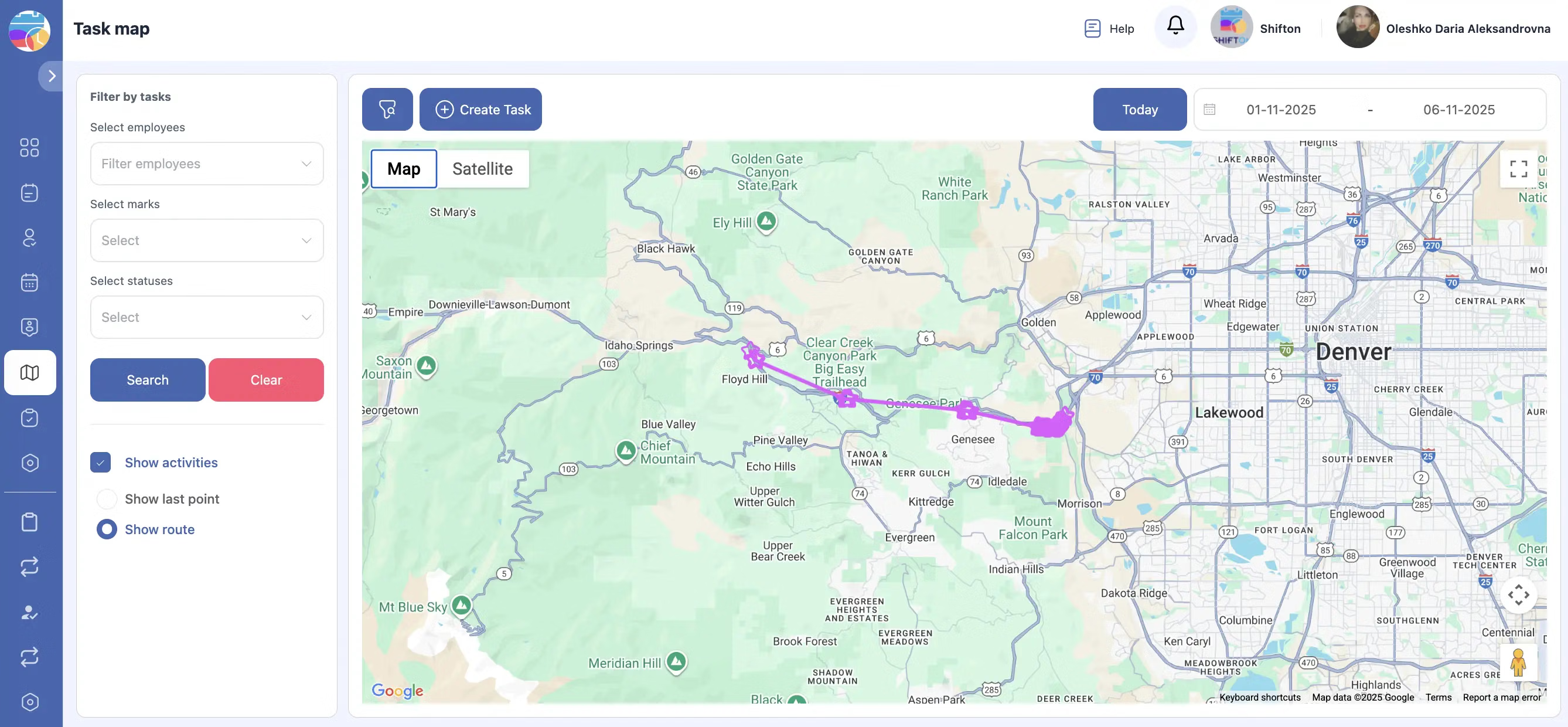
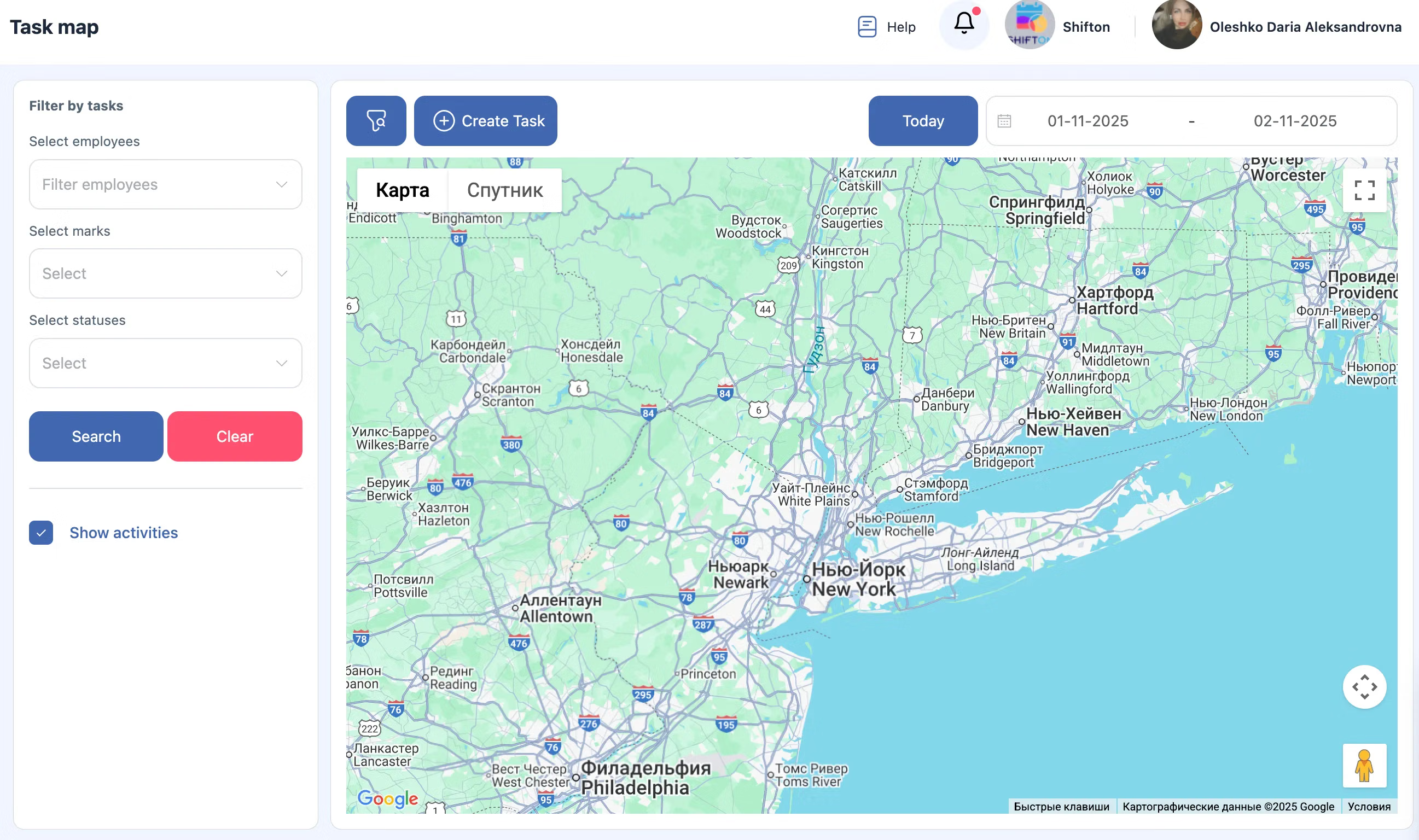
The call is where accounts are won and lost. A roadside assistance app for providers turns the conversation into a job while the caller is still on the line: location, vehicle, fault, contact number and the assigned unit, pushed to the driver's phone before the call ends.
Proof of what happened at the roadside
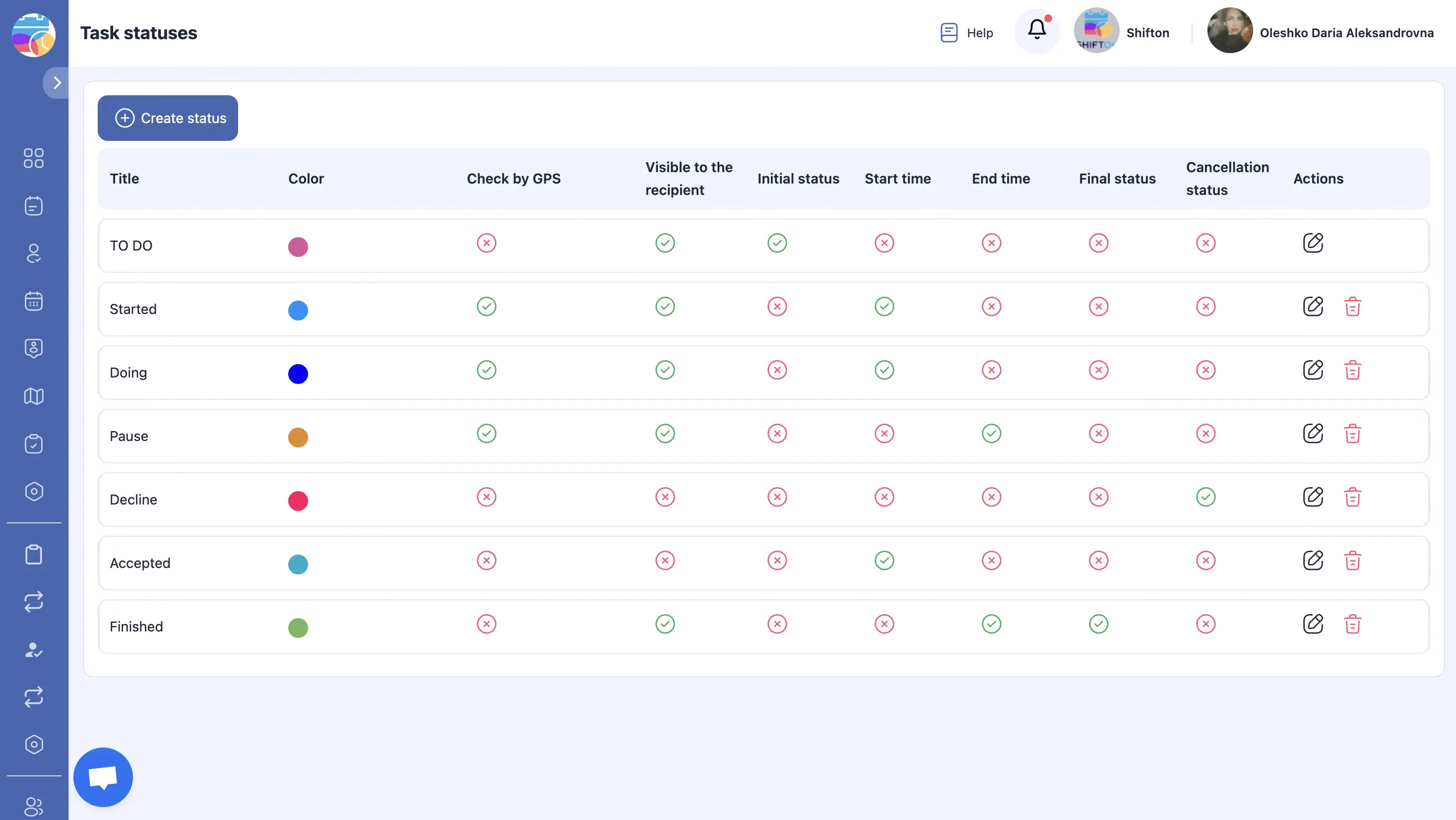
Damage claims, insurer queries and contract audits all end with the same question: what was done, when, and in what condition was the vehicle. Digital job forms answer it. Photos, notes, times and a signature are captured at the scene and stay attached to the job.
Cover, shifts and the numbers behind them
Roadside demand is not evenly spread, and neither should the rota be. Shift planning and job data sit in the same platform, so cover is built around the hours calls actually arrive rather than around habit.
Start with the Free Plan
No time limits. Get full access to core features and upgrade when you're ready.
Read the full guide to roadside assistance software
The only metric that survives a contract review
Roadside assistance is bought on response time. Motor clubs, insurers and fleet operators award and withdraw work on the basis of how long their customer stood at the side of a road, and every other measure is a way of explaining that one. Software for this industry is therefore judged on a single question: does it shorten the gap between the call landing and the unit arriving.
Dispatch by phone can hold four or five open calls. Beyond that the operator becomes the bottleneck, because the picture of who is free, who is nearest and what has already been promised only exists in their head. Roadside assistance software replaces that picture with a board everyone can see, which is why the difference shows up most on the busiest nights rather than the quiet ones.
What a roadside job actually contains
A breakdown call is not a booking. It has a location that may be approximate, a vehicle that may not be where the caller thinks, a fault described by someone who is not a mechanic, and a clock running from the moment the phone is answered.
Location and access
Getting to the vehicle is half the job. Motorway hard shoulders, multi storey car parks with height limits, gated estates and unlit rural lanes all change which unit should go and how long it will take. Holding access notes on the job card rather than in a phone call means the second unit sent to the same estate does not repeat the first one's mistakes.
The right unit, not the free unit
A flat battery and a heavy recovery are not interchangeable jobs. Assignment has to consider equipment as well as distance, otherwise a unit arrives that cannot lift the vehicle and the clock starts again. Matching capability to the call is the difference between one attendance and two.
Evidence at the scene
Condition photographs taken on arrival and again on release are the cheapest insurance a recovery operator has. Damage claims are made days later, when memory is worthless and a docket in a cab is unfindable. A roadside assistance app that captures the evidence at the scene turns those claims into a two minute search.
Cover built from demand, not from habit
Roadside work clusters: cold mornings, bank holidays, the first frost, motorway peaks. Rotas built on tradition leave the business short exactly when the contract is being tested. Because shift planning and job records live in the same platform, cover can be built against the hours calls actually arrive, and the effect of a change is visible in the response numbers the following week.
The same data settles the argument about fleet size. Utilisation per unit, idle hours and repeat calls tell you whether the answer to slow response is another truck or a better plan for the trucks you already run.
Working with motor clubs and insurers
Contracted work brings reporting obligations. Each account wants its own performance figures, and wants them in a form that can be checked. Reporting by account, with response times, time on scene and completion evidence attached to individual jobs, turns a quarterly review from an exercise in reconstruction into an export.
It also protects the operator. When a claim is made about a delay that did not happen, or damage that was already there, the record of the attendance carries the times, the photographs and the signature taken at the roadside.
Starting without disrupting the night shift
The safest way in is to run the board alongside the phone for a fortnight, creating jobs from calls as they land and letting the units work from the app. The response clock, the assignment history and the completion evidence appear from day one, and nothing depends on a migration finishing first.
Operators of two or fewer stay on the free plan permanently, and every paid module carries a trial of up to 55 days, which covers a full seasonal peak before any commitment is made.
Frequently Asked Questions
How quickly can a call become an assigned job?
In seconds. The operator creates the job with the location, vehicle and fault while the caller is on the line, and it is pushed to the chosen unit's phone immediately. The driver has the details before the call ends, which removes the relay of ringing round to find who is free.
Can the system show which unit is nearest to a breakdown?
Yes, through the work location control module. Live unit positions show who is closest and what they are already committed to, so the call goes to the unit that can genuinely arrive first. It is a paid module, added when fleet size justifies it.
Does the operator app work without a signal?
It does. The mobile app for iOS and Android holds the job, the checklist and the photos on the device. Jobs completed in tunnels, car parks or rural stretches sync when the phone finds signal again.
Can we record vehicle condition before and after a recovery?
Yes. Digital job forms take photographs, notes and a signature at the scene, on arrival and on release. The evidence stays attached to the job, which is what settles damage claims and insurer queries later.
Can we report response times per contract?
Reports break down by account, so performance against each motor club, insurer or fleet contract can be shown separately. Response time, time on scene, jobs per unit and repeat calls are all recorded as jobs are completed rather than compiled afterwards.
Is it suitable for a small operator with two trucks?
Yes. Teams of two or fewer run on the free plan permanently: scheduling, digital job forms, the mobile app and reports are included. Paid modules such as location control, invoicing, inventory and the customer portal are added when the operation grows.
What does the platform cost a roadside operation?
The free plan covers up to two employees with no time limit. Beyond that the platform is priced per employee per month, and each paid module carries a free trial of up to 55 days, long enough to run a full winter of call-outs through it.


Ready to transform your field operations?
Join thousands of field service companies that trust Shifton to run smarter every day.