

Mobile Tire Service Software for Vans and Fitters
Booked fittings, fleet contracts and emergency call-outs on one board, with the tires on the van tied to the job that used them.

A workshop that moves
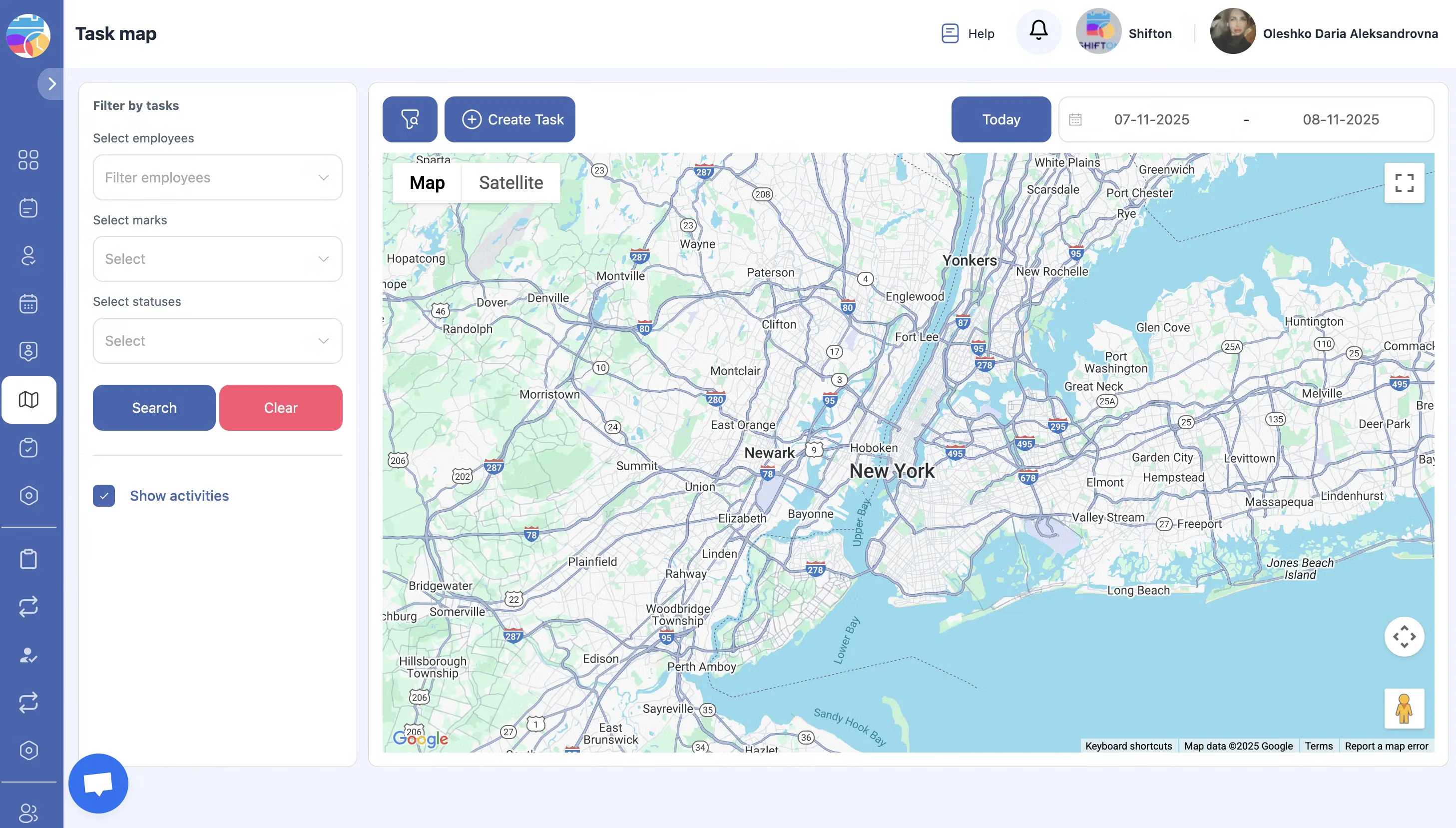
Mobile fitting removes the bay but keeps every other constraint. The fitter still needs the right size on board, the job still takes as long as it takes, and the customer still expects an arrival window that means something. What changes is that nothing can be fetched from the back of the shop, so planning has to be right before the van leaves.
Stock on the van, tied to the job
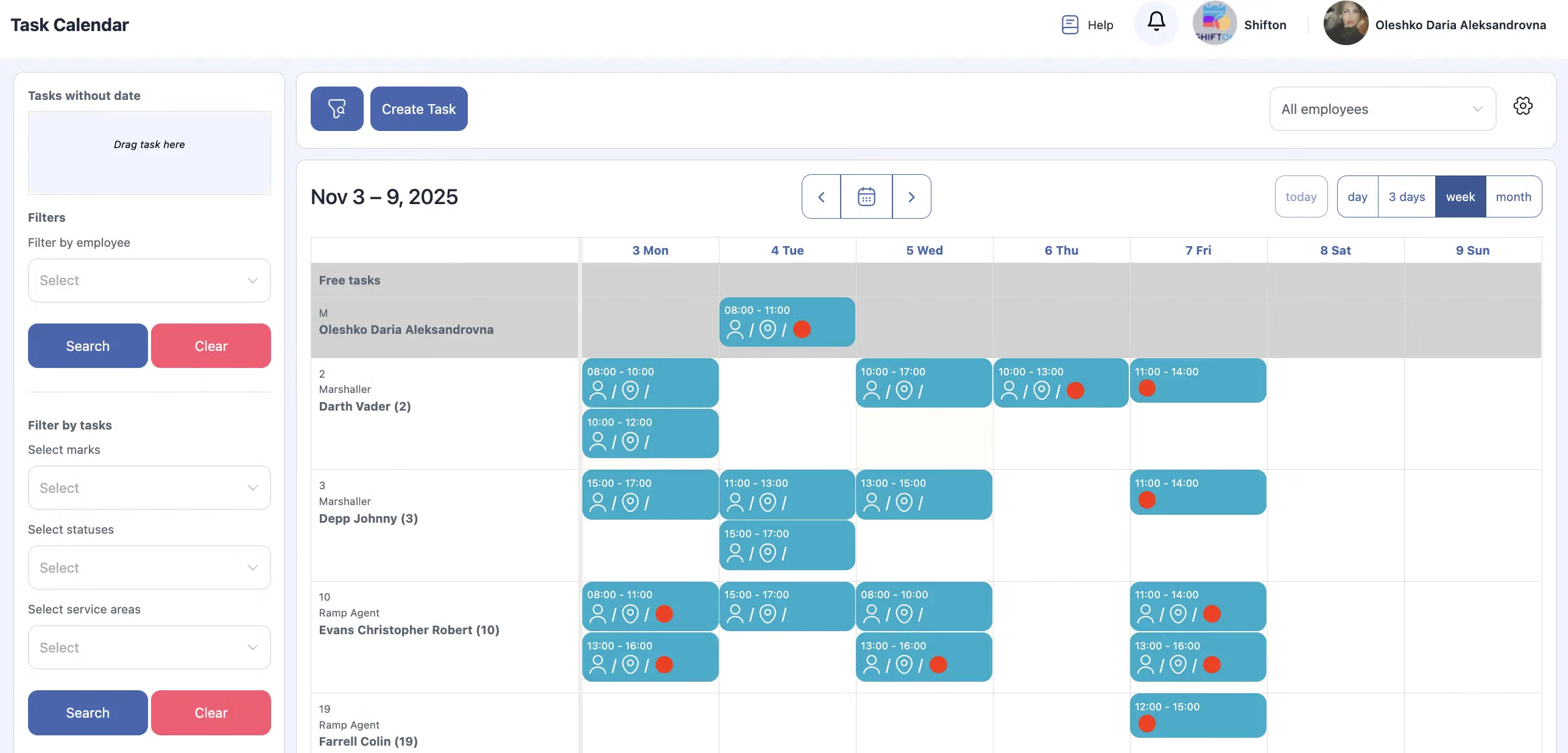
The van is the warehouse, and unrecorded stock is where the margin goes. Tire sizes, valves, weights and TPMS sensors leave the depot on the vehicle, and unless what was fitted is recorded against the job, the count drifts within a week.
Fleet contracts and scheduled changeovers
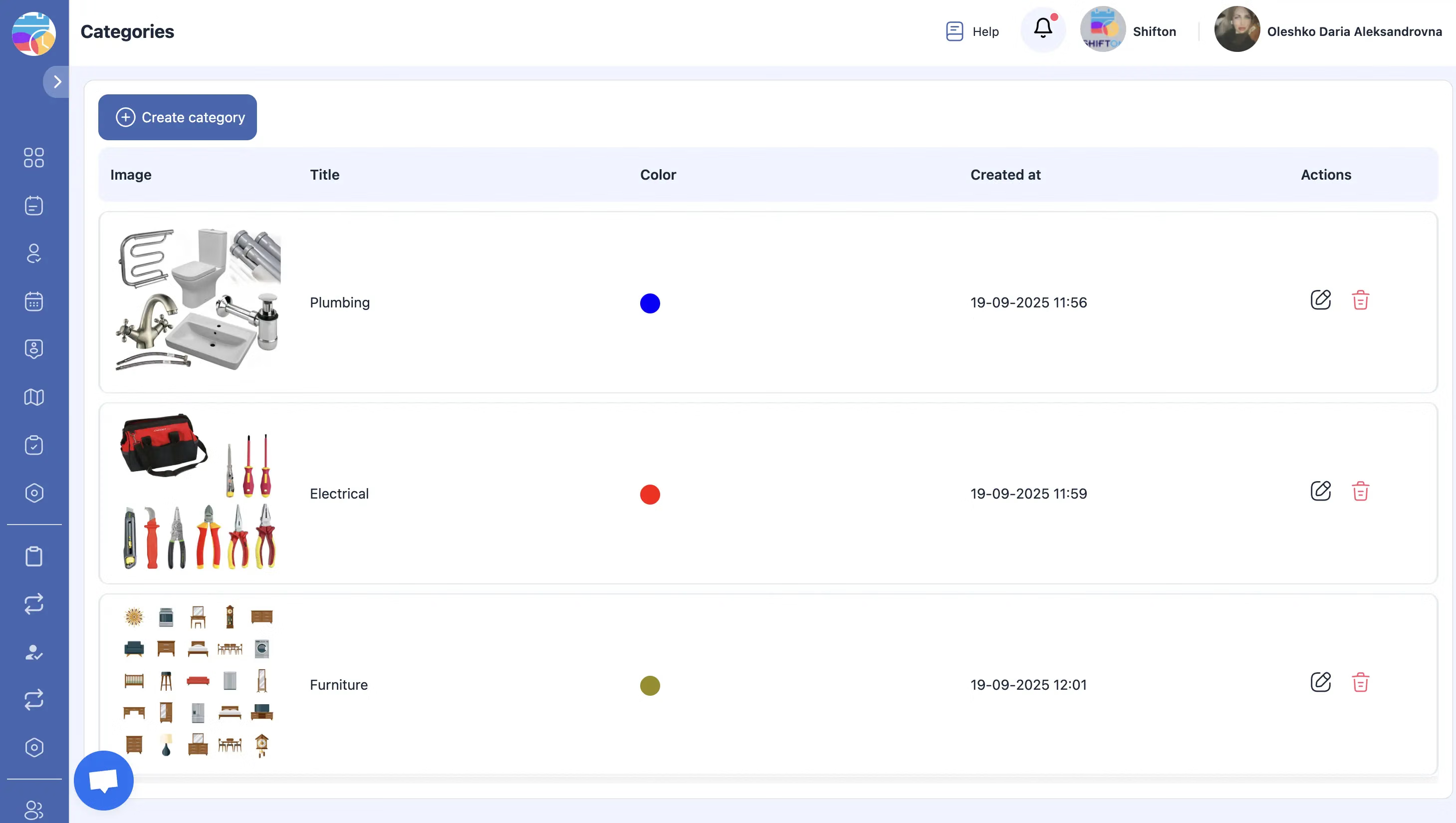
Fleet work is the base load that makes mobile fitting predictable, and it is won on organisation. Recurring visits, seasonal changeovers and inspection rounds are scheduled ahead so that a depot of vehicles is handled in one planned pass instead of a sequence of urgent calls.
Evidence, safety and the numbers
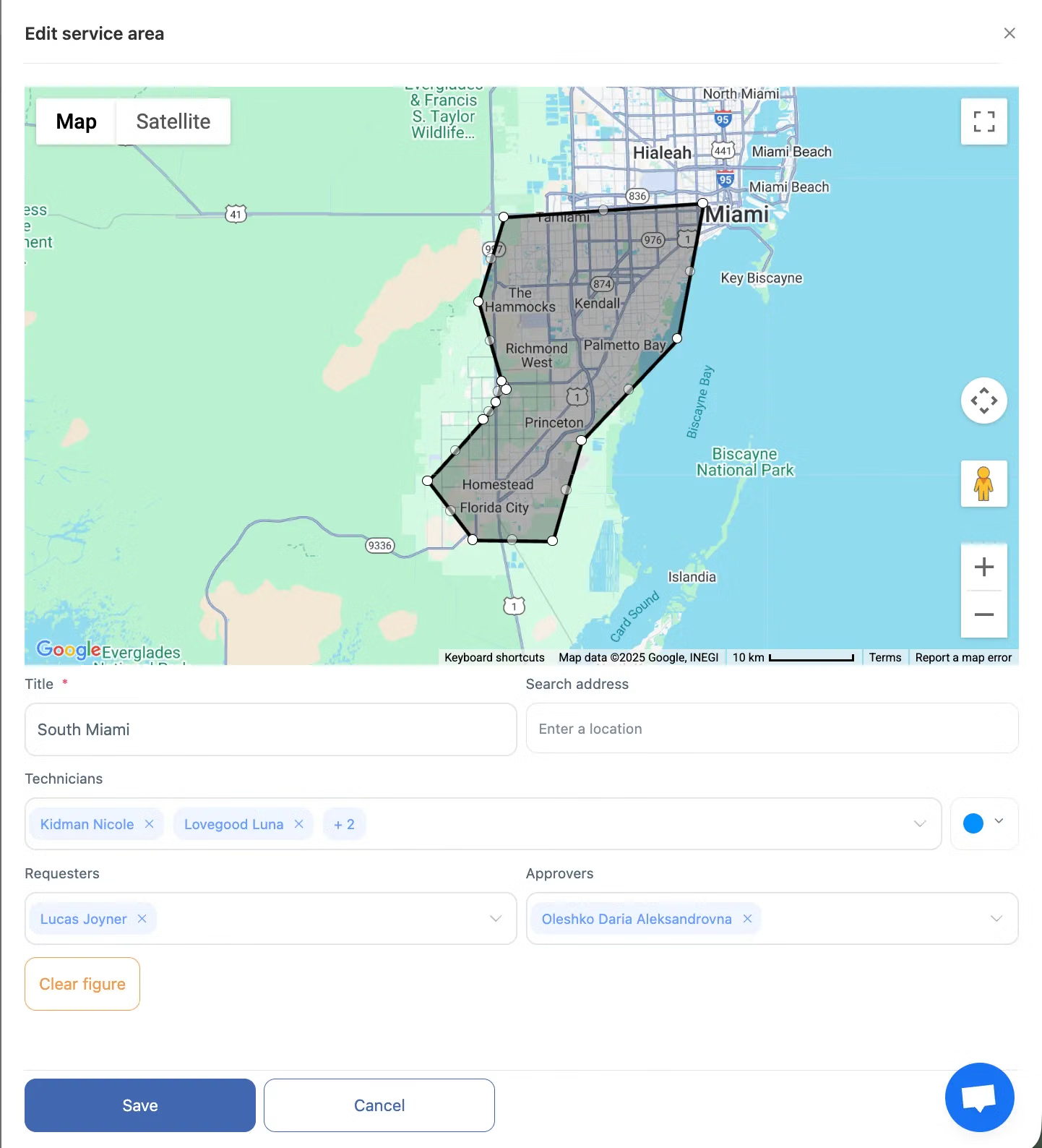
Tire work carries liability. Tread depths, torque settings, pressures and damage found need to be recorded at the roadside or the depot, not remembered. Digital forms capture them where the work happens and keep the record attached to the vehicle.
Start with the Free Plan
No time limits. Get full access to core features and upgrade when you're ready.
Read the full guide to mobile tire fitting software
Mobile fitting is a planning business
A fixed tire shop can absorb mistakes. If the size is wrong, someone walks to the racking. A mobile operation cannot: the wrong size means a wasted journey, an unhappy customer and a slot lost from the day. Everything that makes mobile fitting profitable happens before the van leaves the depot, which is why tire shop management software for this model has to be about the plan as much as the till.
Most systems sold to tire businesses are point of sale and workshop tools. They assume the vehicle comes to you. The mobile model reverses that assumption, and the software has to follow: jobs are located at the customer, travel is part of the work, and stock is whatever happens to be on that van this morning.
The three jobs a mobile tire business runs
Booked retail fittings
These are won on the arrival window. A slot that includes travel and a realistic fitting time can be promised and kept, while a slot built from optimism produces the call that starts with asking where the van is. Service areas keep the promise achievable by making sure the van that covers a postcode is the one offered to a customer in it.
Fleet and contract work
Fleet work is the load that fills the quiet parts of the week, and it rewards organisation more than price. Scheduled changeovers, inspection rounds and depot visits planned in advance mean a yard of vehicles is handled in one pass. Vehicle level history then answers the questions a transport manager asks: what was fitted, when, and what was found.
Emergency call-outs
Roadside and breakdown calls arrive without notice and pay well, but they destroy a day that has no slack in it. Holding them on the same board as booked work makes the trade-off visible: the office can see exactly which appointment is displaced and tell that customer before they are standing outside waiting.
Van stock is the whole margin
Tires are a low margin product moved in volume, and the difference between a profitable round and a busy one is usually stock discipline. When the fitter records what was used on the job, three things happen at once: the count stays true, the invoice matches the work, and the pattern of which sizes actually sell becomes visible. Without that, a van is restocked on instinct and the sizes that matter are the ones missing.
Sundries follow the same rule. Valves, weights, sensors and disposal fees are small individually and significant across a month. Attaching them to the job is the only way they reach the invoice reliably.
The record that protects the business
Tire work has consequences, and the questions that follow a failure are specific: what was the tread depth, what torque was applied, what pressure was set, what damage was noted before removal. Recording those at the point of work, with photographs, keeps a difficult conversation factual. It also demonstrates the standard of work to fleet customers who audit their suppliers.
What to measure
Jobs per van per day, time on site, first time fix rate and returns tell you whether the operation is improving. They come out of completed jobs rather than a separate report, which means they are available weekly and can actually change how the next week is planned.
Starting with one van
There is nothing to migrate. Bookings become jobs, the fitter works from the app, and stock and evidence begin accumulating from the first fitting. Operations of two or fewer stay on the free plan permanently, and the paid modules carry a trial of up to 55 days, long enough to run a full changeover season before deciding.
Frequently Asked Questions
Does this work for mobile fitting rather than a fixed workshop?
It is built for it. Jobs carry the customer address, the vehicle and the sizes required, the fitter receives them on the phone, and travel time sits inside the slot so arrival windows hold. A depot round and a single roadside call are planned in the same board.
Can we track the tires and sundries carried on each van?
Yes, with the inventory module. The fitter selects what was used on the job card, stock is reduced automatically and the same lines are carried into the invoice. Low stock levels are flagged before a size runs out mid round.
How are seasonal changeovers for fleet customers handled?
As recurring work. Changeovers and inspection rounds are scheduled ahead of the season, grouped by depot so a site is covered in one pass, and each vehicle keeps its own history of fittings and checks.
What happens if the fitter has no signal in an underground car park?
The mobile app holds the job and the form on the device. The fitter completes the work, records tread depths and torque settings and captures the signature offline, and the record syncs when the phone has signal again.
Can customers get a record of what was fitted?
Each completed job holds the sizes fitted, the photographs, the readings taken and the signature, and the invoicing module turns that into a document. The customer portal, a paid module, lets fleet customers follow the work themselves.
Is it suitable for a single van operation?
Yes. Teams of two or fewer run on the free plan with no time limit: scheduling, digital job forms, the mobile app and reports are included. Inventory, invoicing, location control and the customer portal are paid modules added as the fleet grows.
What does this cost a mobile fitting operation?
The free plan covers up to two employees permanently. Beyond that the platform is priced per employee per month, and every paid module has a free trial of up to 55 days, which covers an entire changeover season.


Ready to transform your field operations?
Join thousands of field service companies that trust Shifton to run smarter every day.