

Calibration Management Software for Lab Equipment Service Companies
Calibration rounds, repairs and preventive visits planned on one board, with readings, photographs and signatures kept against each instrument.

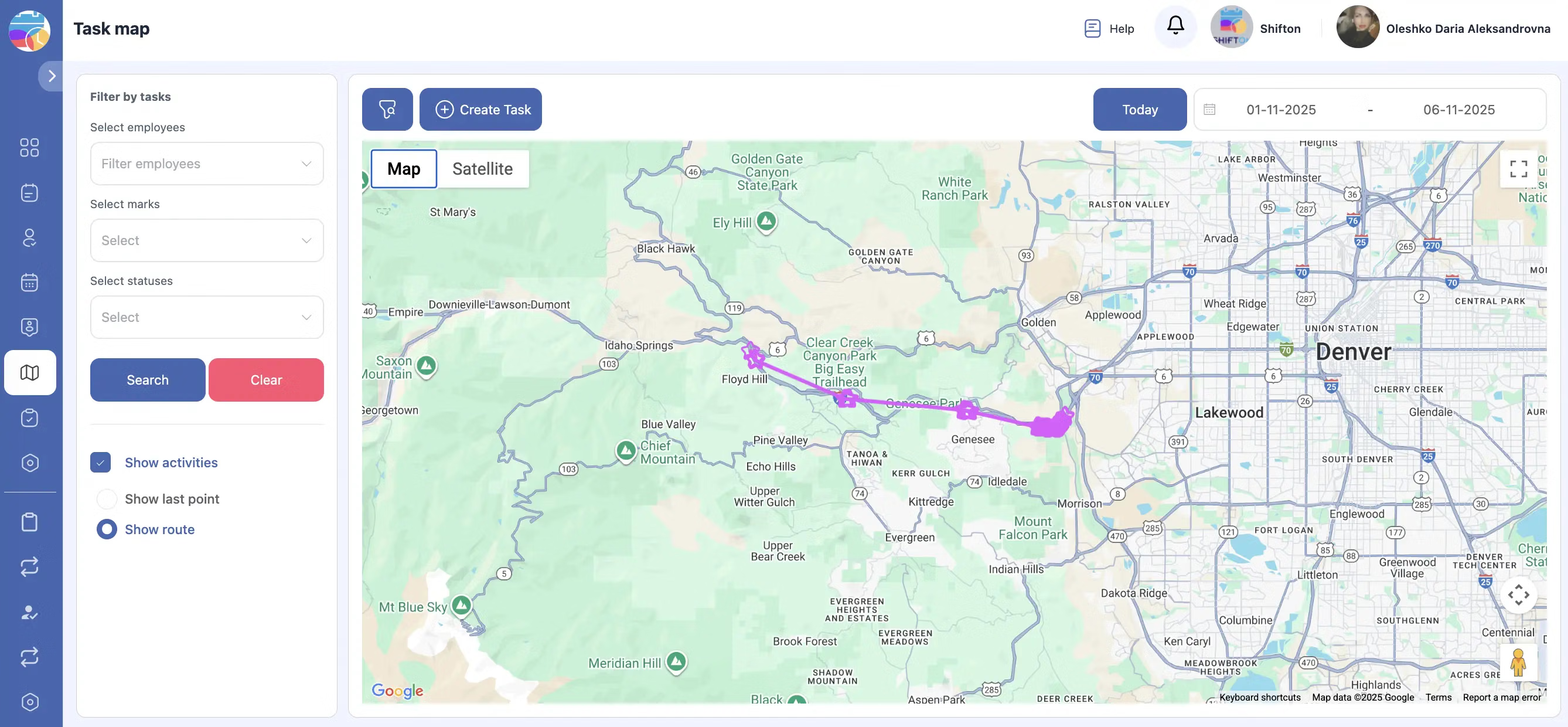
Due dates set the calendar months in advance
Every balance, pipette, oven and cold room in a customer's lab carries an interval, and the lab's quality lead will ask why any of them slipped. Remembering the date is the easy part. The hard part is getting the right engineer, carrying the right reference standards, into the building on a day the lab can release its instruments.
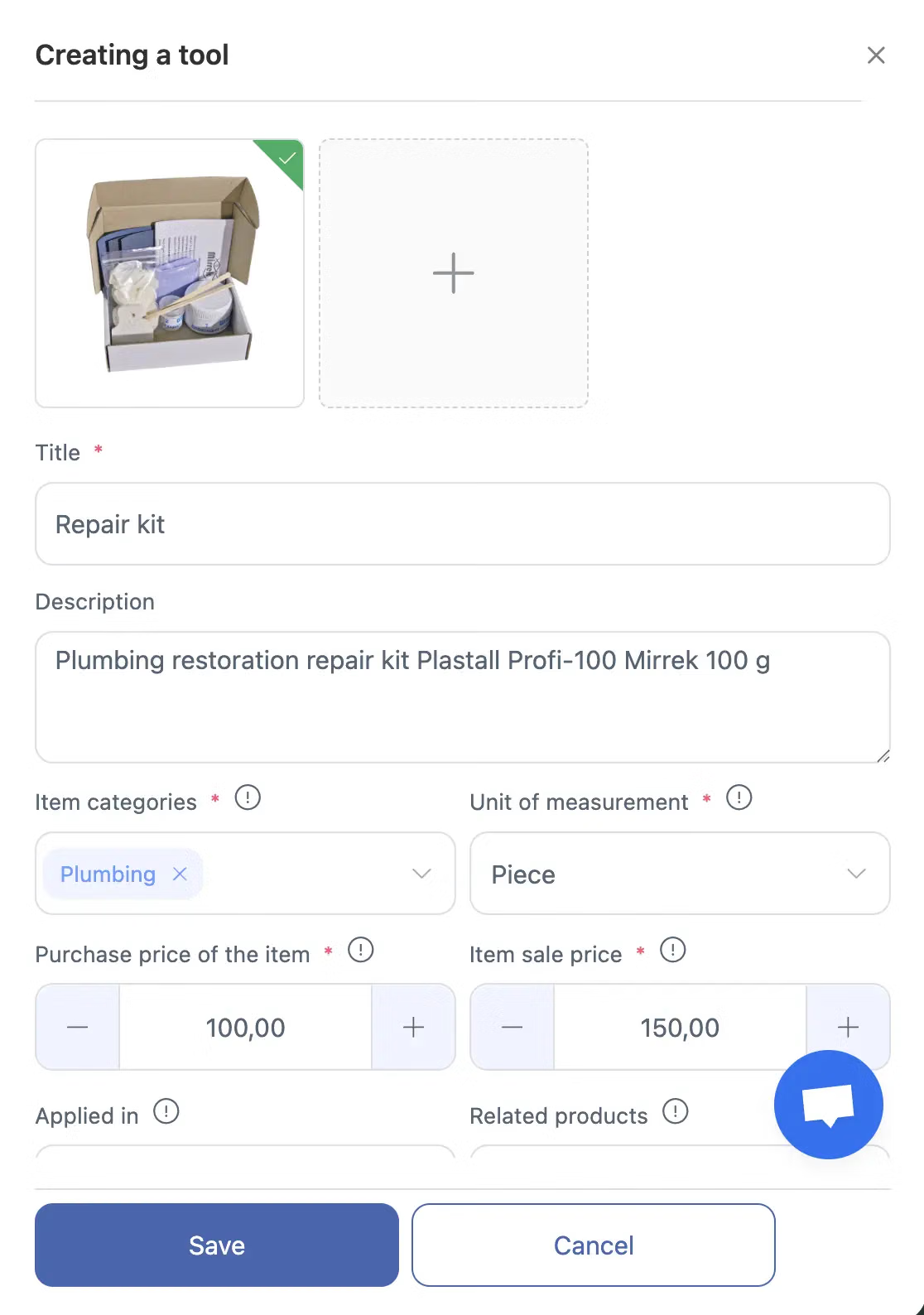
A form for each type of instrument
An analytical balance, a centrifuge and a biosafety cabinet are checked in completely different ways. The engineer needs the steps for the unit on the bench in front of them, with space for the as-found and as-left values the customer expects to see in the record.
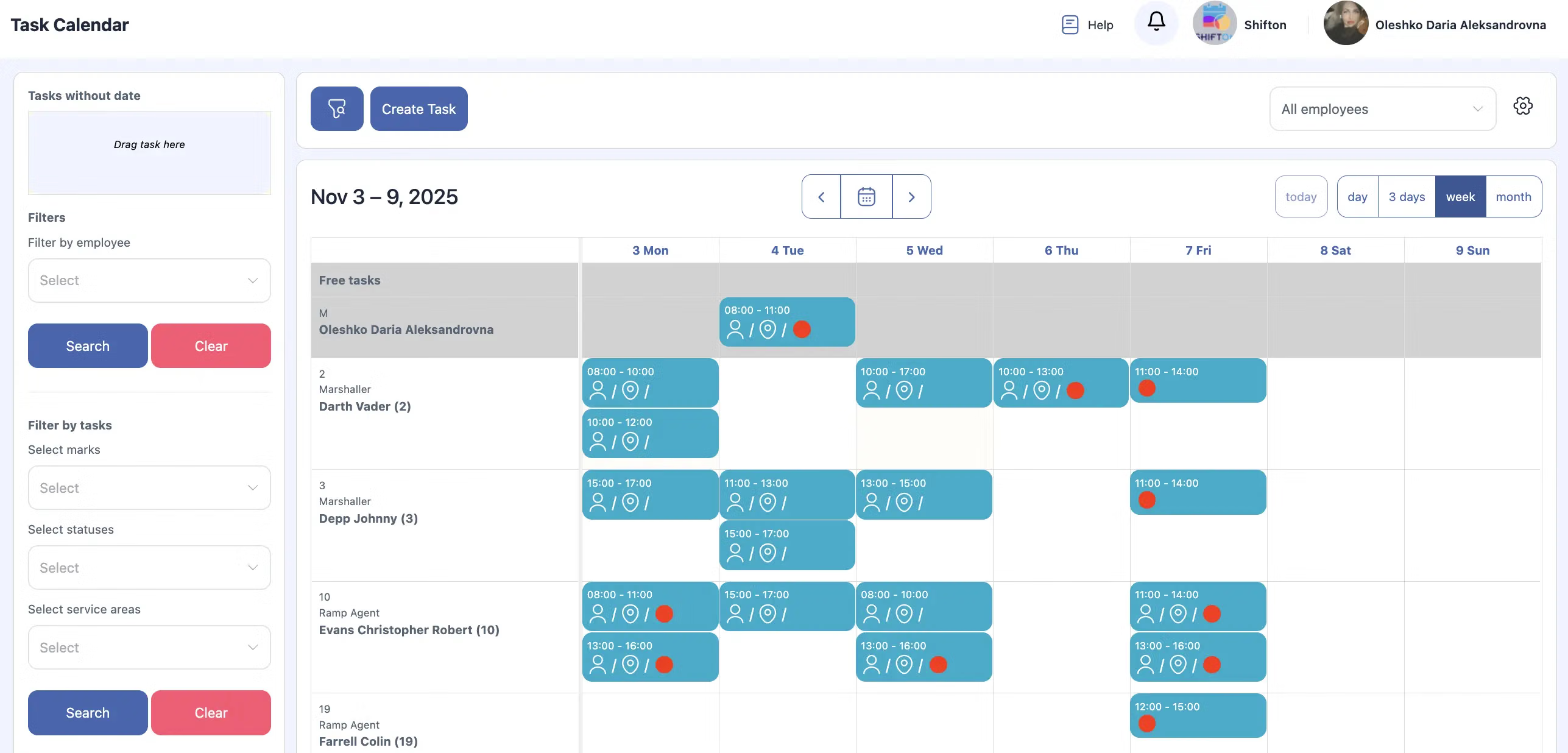
Repairs share the same engineers
Few lab service companies only calibrate. The same customer rings about a centrifuge that will not balance, an incubator that drifts or a fume cupboard alarm, and those calls land on the engineers already booked for scheduled rounds.
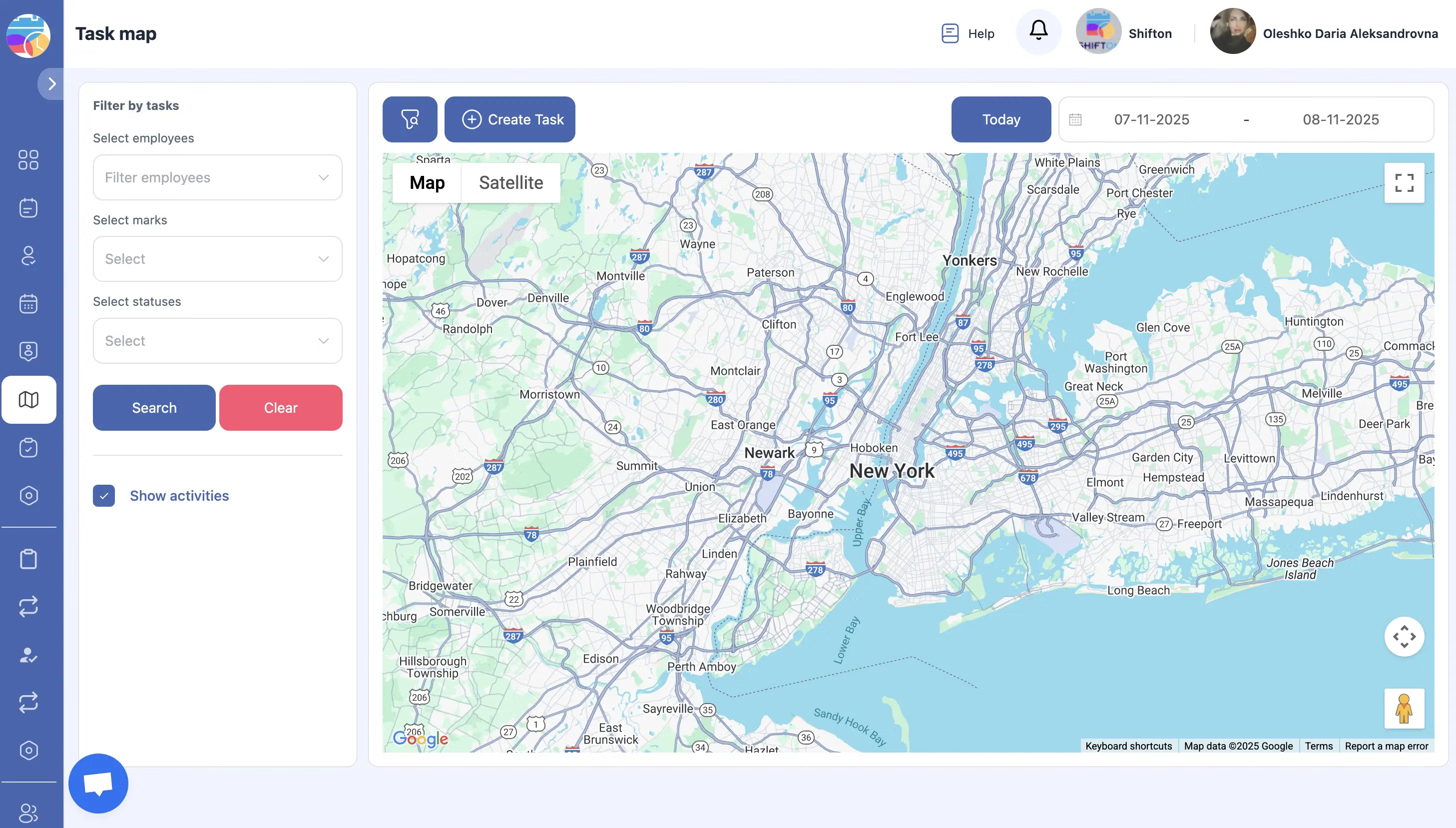
Answers ready before the audit
When a lab is inspected, the question is always the same: when was this instrument last serviced, by whom, and what was found? If that answer lives in email threads and paper sheets, someone loses a day assembling it.
Start with the Free Plan
No time limits. Get full access to core features and upgrade when you're ready.
Read how lab service firms plan calibration rounds and repairs
What calibration management software has to do for a field service company
Search for calibration management software and most results are written for the lab itself: an in-house quality team that owns the instruments and wants a register of due dates. A company that services other people's labs has a different problem. It owns none of the instruments, it works to its customers' intervals, and its real constraint is people: engineers with the right competence, the right reference equipment and a free day that matches the lab's availability. For that business, the software is a planning and evidence tool first.
That is the job Shifton Field Service does. It puts calibration rounds, repairs and preventive visits on one board, sends each engineer the list of instruments and the forms to complete, and keeps what they recorded against the job. It does not replace your calibration procedure or your certificate template, and it does not pretend to.
Intervals are fixed; availability is not
A pharmaceutical QC lab may only release its balances on a Friday afternoon. A university department wants everything done in the vacation. A hospital pathology lab needs instruments back within the hour. The due dates themselves rarely move, so the work of planning is fitting those dates around what each site allows. Planning the next round weeks ahead, rather than reacting when the lab's reminder arrives, is what keeps the calendar under control.
Competence and reference equipment
Not every engineer can sign off every instrument. Someone trained on balances may not be the right person for a spectrophotometer, and a temperature mapping job needs the logger set that is currently with another engineer two hundred miles away. The board lets the planner see who is where and what they are carrying before committing a date to the customer.
Instrument calibration management software versus the lab's own register
Many customers already run their own instrument calibration management software or a spreadsheet register. They do not want you to replace it; they want your visit record to match it. That means the job must name each instrument exactly as the customer does, record the result the customer's system expects, and come back with enough evidence that their quality team can file it without chasing you.
A practical approach is to agree the form with each large customer: which fields they need, which photographs, who signs. Once that form exists, every engineer fills it the same way, and the record that leaves site is the one the customer asked for.
Calibration asset management software is a different thing
Calibration asset management software, in the strict sense, holds each instrument's metrology history: uncertainty, traceability to national standards, drift over time, adjustment decisions. That is specialist work, and it is not what Shifton is. What Shifton keeps is the service history: which visits took place, what the engineer recorded, which parts were fitted and who accepted the work. For many service firms that is the part that was actually missing.
Lab equipment maintenance between calibrations
Calibration contracts often pay for the planned rounds, but lab equipment maintenance and repair fill the rest of the week. Centrifuge rotors need inspecting, incubator door seals perish, biosafety cabinet filters load up and fume cupboard face velocities drift. Each of these arrives with its own urgency, and each competes for the same engineers.
When those jobs sit on the same board as the scheduled rounds, the planner can see the knock-on effect of accepting an urgent call before accepting it. Parts taken for a repair are recorded against the job, time on site goes into the contract hours, and the lab contact signs when the unit is handed back.
Decontamination and access
Equipment from a microbiology or clinical lab may need a decontamination certificate before an engineer is allowed to open it. Cleanrooms have gowning rules, some sites require an induction, and some want an escort. Writing those conditions on the job, and asking for a photograph of the decontamination form before work starts, saves an engineer from arriving and being turned away.
What Shifton Field Service does
It plans calibration rounds, repairs and preventive visits on one board, gives engineers a mobile app with the instrument list, checklists and forms, collects readings, photographs and signatures, logs hours, and produces reports for each customer. Inventory, Invoicing, GPS work location control and the customer portal are paid modules added on top. A lab service business with one or two engineers can run the board, the app, forms and reports without paying, for as long as it stays that size.
It is not a metrology system. It does not calculate uncertainty, hold traceability chains, issue accredited certificates or connect to instruments and data loggers. It is the layer that decides which engineer visits which lab on which day, and keeps the proof of what they did there.
Frequently Asked Questions
Does it calculate measurement uncertainty or produce calibration certificates?
No. Shifton records the visit: which instruments were seen, the readings the engineer entered, photographs, parts and the customer's signature. Uncertainty budgets, traceability chains and the certificate itself stay in your calibration procedure and whatever system you already issue certificates from.
Can we see the full service history of one instrument?
Yes, as long as each job records the instrument's serial or asset tag. Searching the jobs then shows every calibration, repair and preventive visit for that unit, with the engineer, date and attached evidence.
Several customers fall due in the same month. How do we plan that?
Put the rounds on the board as planned jobs well ahead of the due dates and move them around by engineer and region. Clashes show up as a crowded week you can see early, rather than as a phone call from a lab whose instruments are already overdue.
Can engineers type readings straight into the phone?
Yes. Job forms can hold number and text fields for as-found and as-left values, pass or fail marks, notes and photographs. The completed form stays attached to the job for the office and, if you want, for the customer.
Our engineers work in basement labs with no signal. Is that a problem?
The engineer can keep working through the form on the phone while underground, and what they entered is sent once the phone picks up a connection again on the way out of the building.
Can we keep track of reference standards and spare parts?
With the paid Inventory module, stock items such as seals, filters and lamps are issued to jobs, and reference equipment such as weight sets can be kept as stock items issued to the job that uses them. It does not track the calibration status of those standards for you.
How much does it cost for a lab service firm with two engineers?
Nothing, and there is no time limit on that. Up to two employees get the board, the mobile app, job forms and reports free. Invoicing, Inventory, GPS work location control and the customer portal are paid modules you add only if you need them.
Can our customers see when their next visit is booked?
Through the paid customer portal, customers can see the jobs you have planned and completed for them. Without it, the office shares reports and visit dates the usual way.



Ready to transform your field operations?
Join thousands of field service companies that trust Shifton to run smarter every day.