

Inspections, Findings and Repairs for Every Playground You Look After
Every site on its own inspection cycle, every finding photographed and rated, and every repair followed through to sign-off.
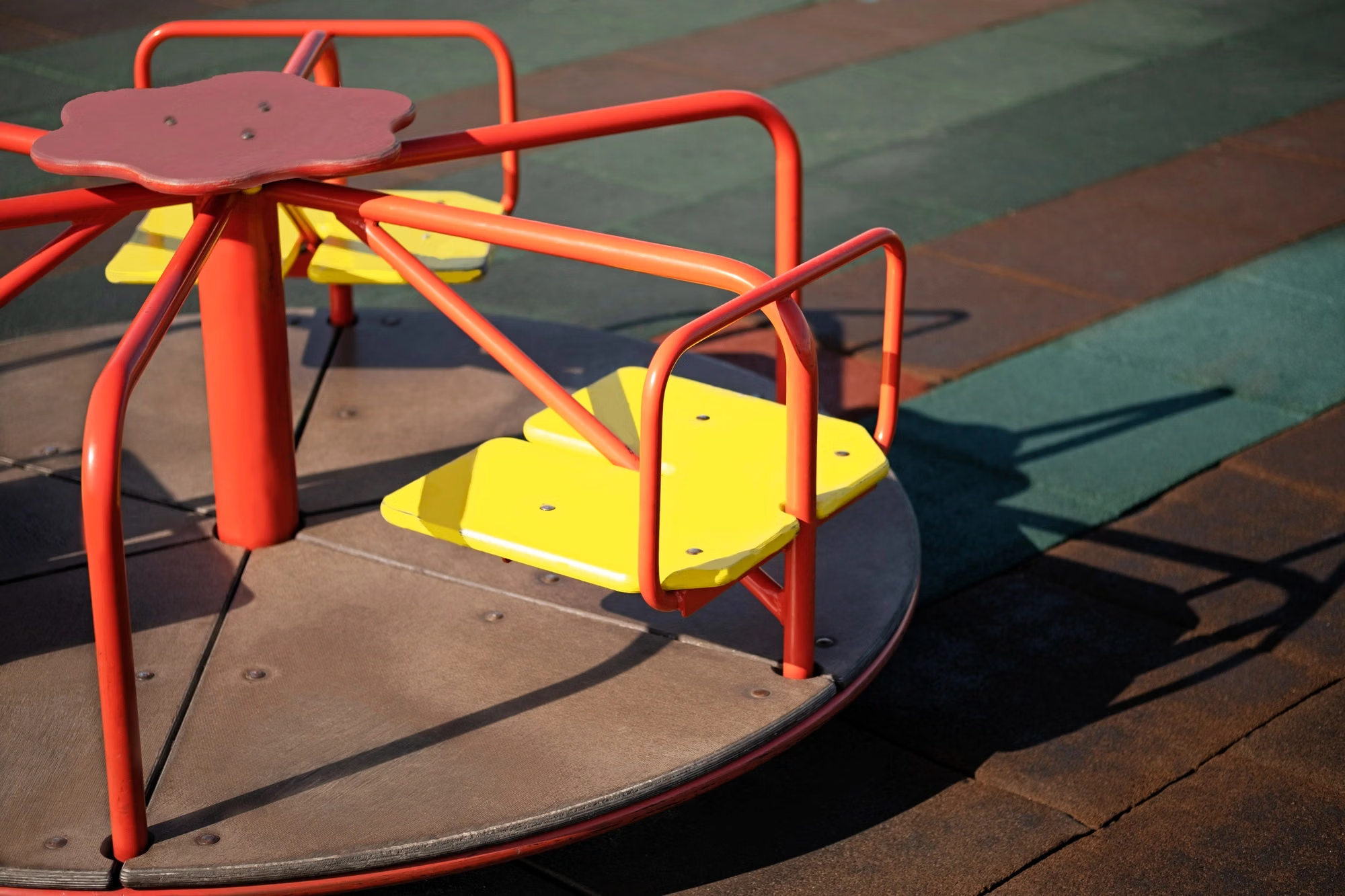
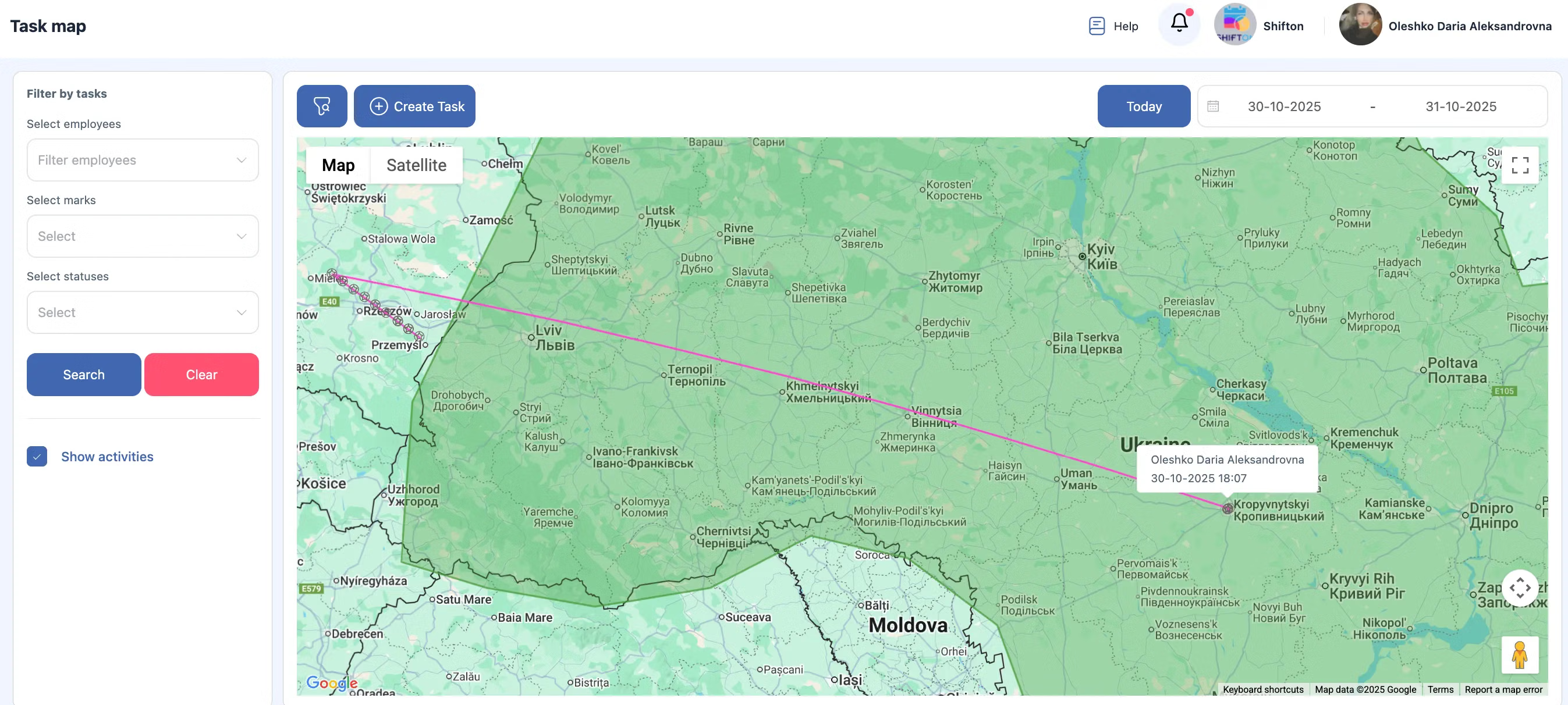
Many small sites, each on its own cycle
A contractor looking after playgrounds for a council, a housing association and a few schools may have two hundred sites. Some are inspected monthly, some quarterly, and all of them once a year in detail. The difficulty is not any single visit; it is making sure none of them quietly falls off the list.
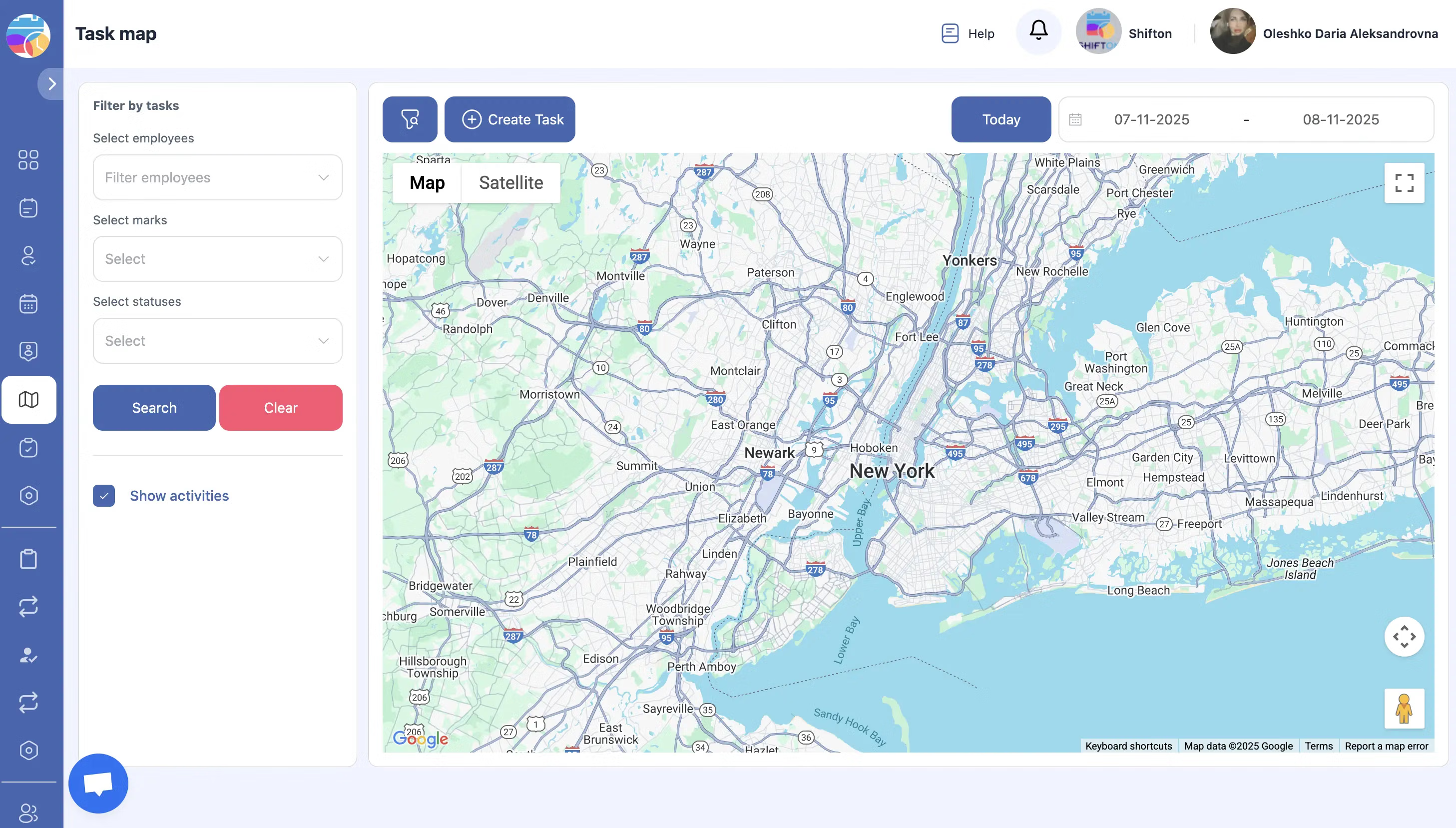
A finding needs a photo, a place and a risk level
"Chain worn" is not a useful finding in a park with four swing frames. Inspectors need to say which item, which part, what is wrong and how serious it is, and a photograph is worth more than the sentence.
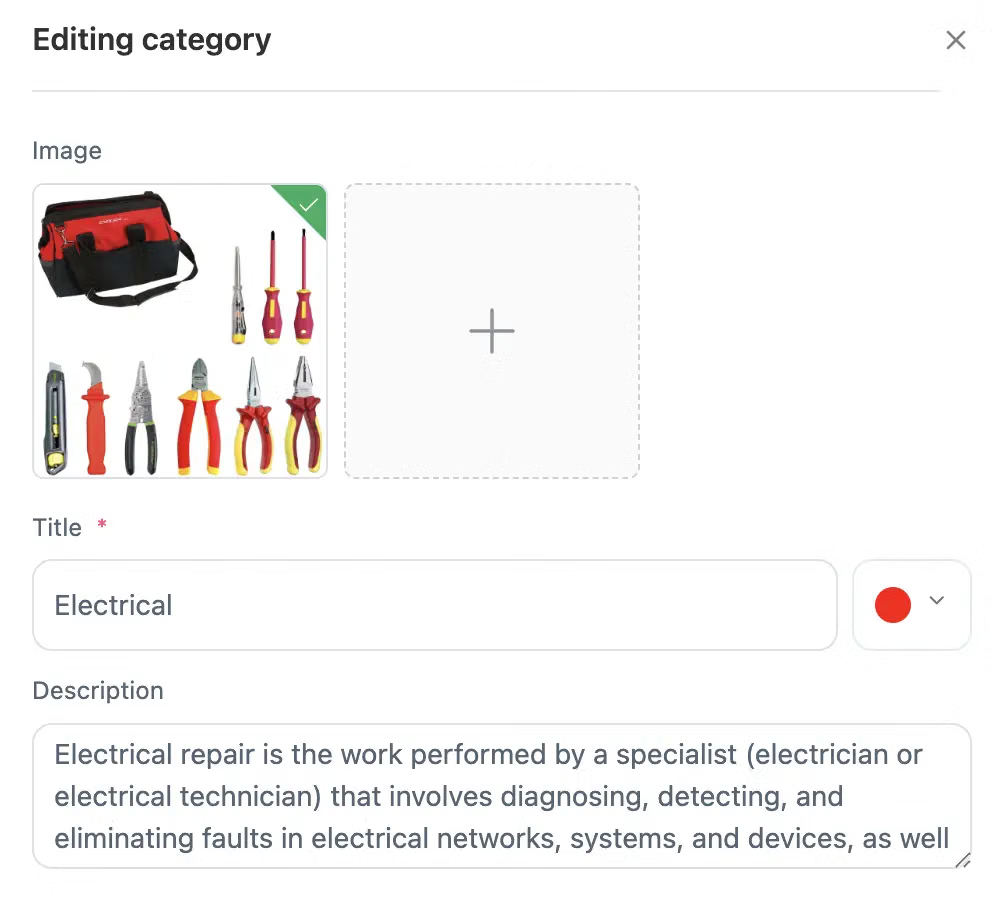
Closing a finding means a repair
The inspection is only half the service. High-risk items are taped off or removed from use on the day, and a repair has to follow. Parts may come from the original manufacturer and take weeks, so the finding stays open until someone fixes it.
Records for the day a claim arrives
When a child is hurt, the owner is asked what was inspected, when, by whom and what was found. The answer has to come from records made at the time, not reconstructed from memory.
Start with the Free Plan
No time limits. Get full access to core features and upgrade when you're ready.
See how playground inspectors plan visits and follow up repairs
What playground inspection software has to hold
Playground inspection software has two jobs. The first is planning: hundreds of sites, each on its own cycle, grouped into efficient days for inspectors who cover a whole county. The second is evidence: findings recorded against specific equipment with photos and risk ratings, and a trail from each finding to the repair that closed it. Tools that do only one of these leave the contractor filling the gap with spreadsheets.
Inspection levels
Routine visual checks are usually done by the site owner's staff, often daily or weekly. Operational inspections go deeper, looking at wear, moving parts and stability, typically every one to three months. The annual main inspection is the full assessment, done by a qualified inspector. A contractor may do all three for some clients and only the annual one for others, so each site needs its own set of dates.
Using a playground inspection app in the park
A playground inspection app earns its place when the inspector stands next to the equipment. Walking the site with a phone, opening the right form, tapping through the items and photographing anything wrong is faster than a clipboard, and it means the report exists the moment the visit ends. Surfacing depth under swings, gaps that could trap a finger or a head, and the condition of timber at ground level all go straight into the record.
Repair crews and the parts problem
Repair work is where schedules stall. Replacement parts for older equipment can be hard to source, and some repairs need two people or a vehicle with lifting gear. Keeping each repair as its own job, linked to the finding, shows the client what is outstanding and why. It also lets the office bundle several small repairs in the same district into one day for the crew, rather than sending a van out for a single missing bolt cap.
Timing around the people who use the site
Schools want repairs done in the holidays, parks are busiest in summer, and vandalism tends to arrive after warm weekends. Loose-fill surfacing gets kicked out from under swings and slides within weeks of being topped up. A contractor who records when each type of damage appears can plan return visits for the sites that need them, instead of treating every playground the same.
What Shifton Field Service does
It plans inspection rounds and repair jobs on one board, gives inspectors your forms and checklists on their phones, and stores findings, photos, hours and sign-off against each site. A two-person inspection business is covered by the free plan, which includes the board, app, forms and reports and does not expire; invoicing, inventory, GPS location control and the customer portal are separate paid options.
It is not a certification body, it does not assess risk for you, and it does not store manufacturers' drawings. It organises the visits and keeps the findings and repairs in order.
Frequently Asked Questions
Can the forms follow the standard we inspect to?
You build the inspection forms yourself, so the items and wording can follow the standard and the client specification you work to. The software itself does not certify compliance with any standard.
How do we record a defect on one item in a big play area?
Each finding names the item and the part, carries a photo and a risk rating, and is saved against the site so the next inspector can see it.
Can a high-risk finding turn into a repair job quickly?
The office creates the repair from the finding and puts it on the board for a fitter, with the photo and notes carried across, so nobody has to retype the defect.
What do we pay if it is just me and one other inspector?
Nothing. Teams of up to two use the board, app, forms and reports free without any time limit. Invoicing, inventory, GPS location control and the customer portal are optional paid modules.
Can our clients see inspection results themselves?
With the paid customer portal, clients can see their jobs and the records attached to them. Without it, you share reports produced from the inspection data.
Can we keep spare parts like chains, shackles and bolt caps?
The paid Inventory module holds your spares, and each repair records what was fitted, so van stock and the site history both stay accurate.



Ready to transform your field operations?
Join thousands of field service companies that trust Shifton to run smarter every day.