

Task Planning for Airport Ground Handling Teams
Cabin cleaning, equipment checks and ramp service tasks planned by shift, with checklists, photographs and sign-offs kept for every job.
Built for the tasks around the aircraft
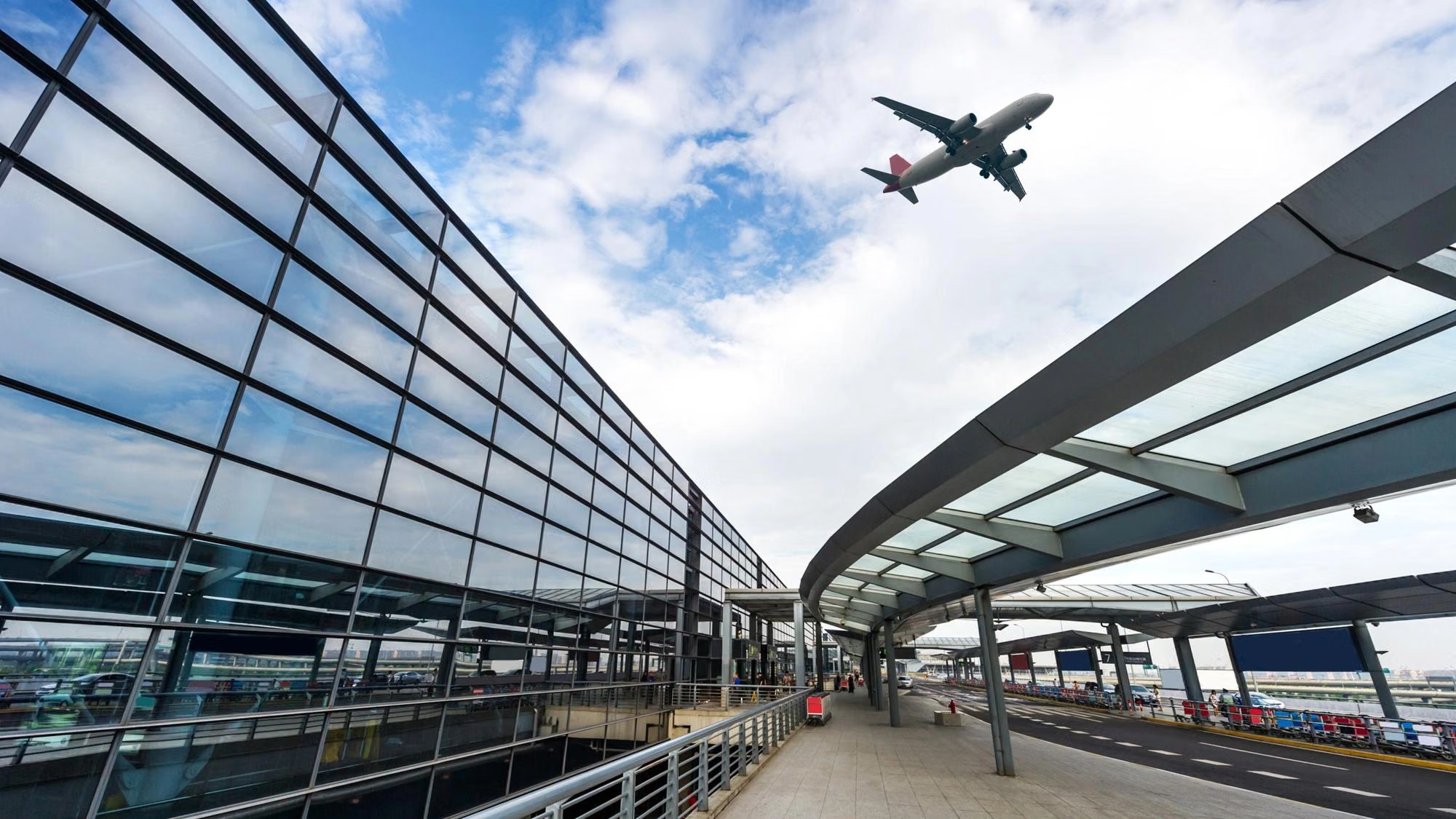
A handling operation is made of many small, repeatable jobs: cabin cleans, toilet and water service, daily checks on tugs, belt loaders and GPUs, equipment repairs in the workshop. Each needs a person, a time and proof it was done.
Equipment checks that actually happen
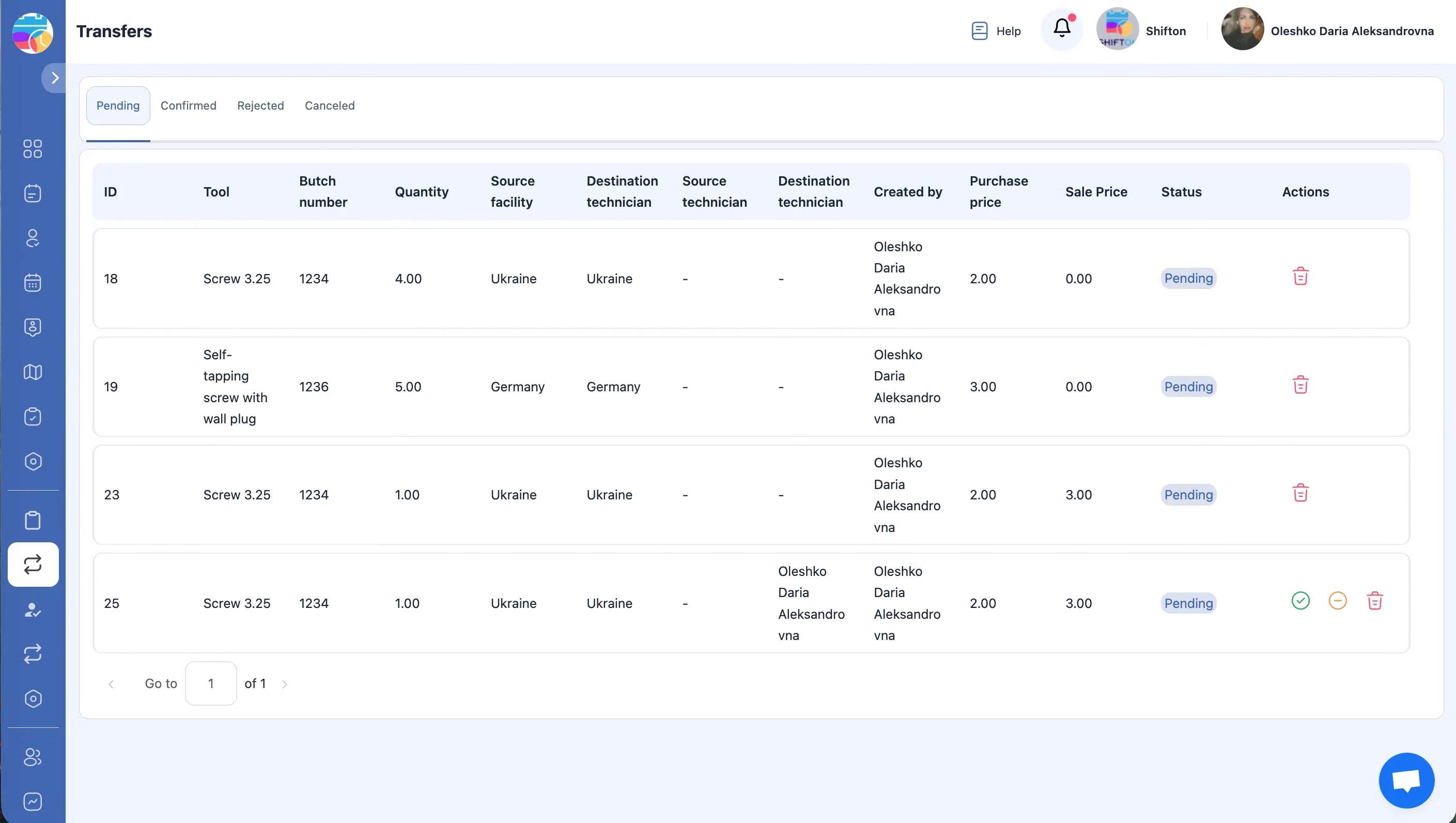
Ground support equipment must be checked before use and repaired quickly when it fails. A tug out of service at the wrong time delays departures.
Cabin cleaning to the airline's standard
Airlines set their own cleaning standards and check them. The handler needs to show what was done on each aircraft, especially when a complaint arrives.
Hours that match the contract
Handling contracts are priced on tasks and hours, and airlines compare invoices with their own records.
Start with the Free Plan
No time limits. Get full access to core features and upgrade when you're ready.
Read where task planning fits in a ground handling operation
Where airport ground handling software like Shifton fits
Airport ground handling software covers a wide range. At one end are systems that plan staff and equipment against live flight schedules and connect to airport and airline databases. At the other end are the everyday tasks that still have to be planned, done and proven: cleaning, equipment checks, workshop repairs and service jobs. Shifton Field Service sits at that second end.
That makes it a good fit for cleaning contractors, GSE maintenance teams, smaller handlers at regional airports and service companies working airside. It is not a replacement for a turnaround management system at a hub.
Planning tasks around the flight programme
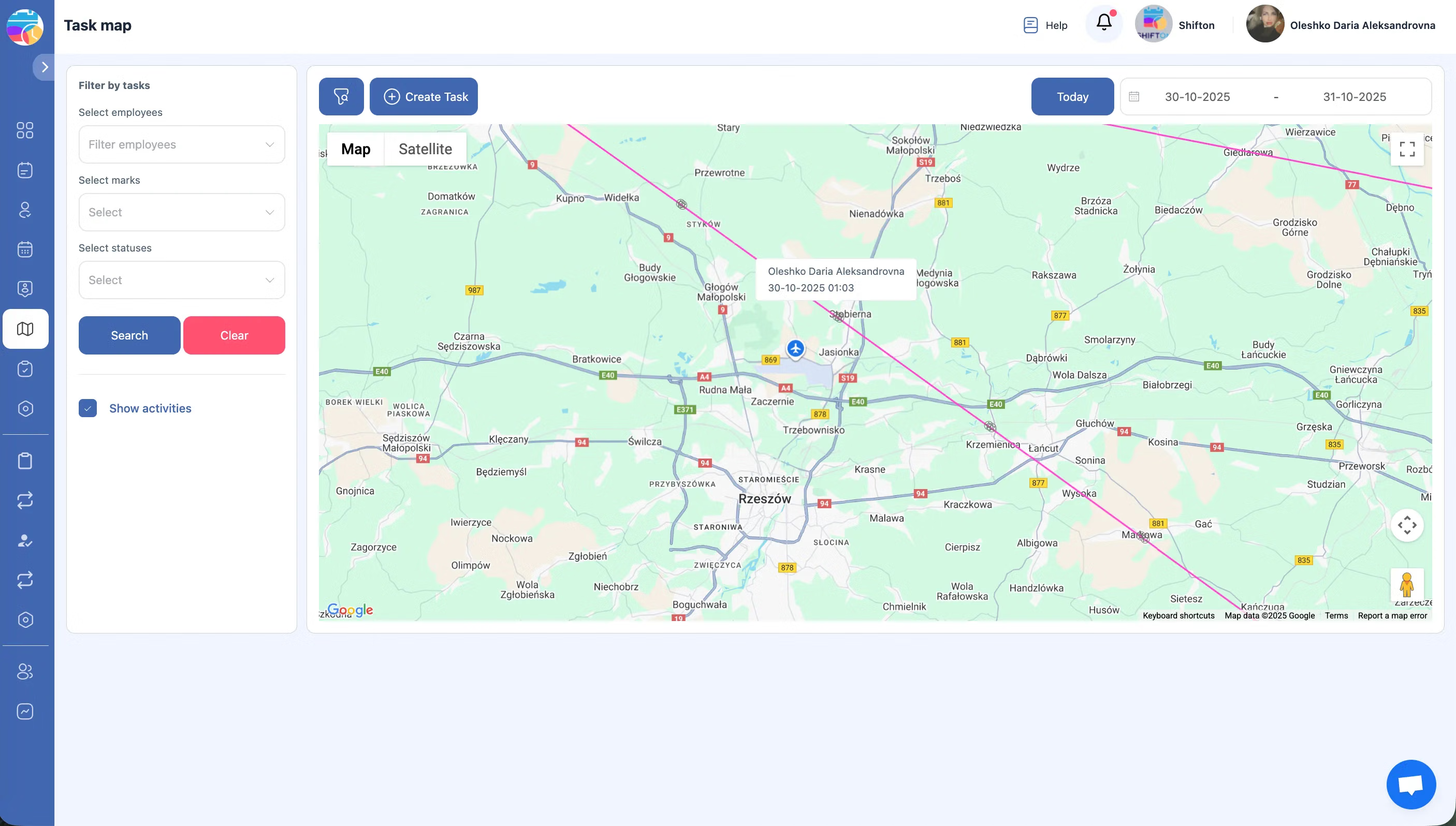
Planners create tasks on the board for each shift and note the flight, aircraft or stand. When a delay moves an arrival, the planner moves the task and the person sees the change on their phone. The link to the flight is kept by the planner, not by an automatic feed. For a handler with a stable daily programme, most tasks repeat from one day to the next, so the planning effort goes into the changes: extra flights, late arrivals, aircraft swaps and staff calling in sick. Those are exactly the moments when a shared board beats a whiteboard in the crew room.
Why records matter
Airlines audit their handlers. When a cabin is reported dirty, an equipment defect causes a delay or an invoice is questioned, the handler needs timed photos, checklists and names. Collecting them as part of each task is far easier than reconstructing them afterwards.
Short turnarounds, short cleans
On a tight turnaround, the cleaning team may get only a few minutes on board. A checklist that fits that window, with the few photographs the airline really checks, is worth more than a long form that nobody finishes. Many handlers keep two versions per airline: a transit clean and a full night-stop clean, each with its own list.
Seasonal staff
Summer schedules bring new starters who do not yet know each airline's standard. When the standard is written into the task checklist, a new cleaner or equipment operator follows the same steps as someone with five seasons behind them, and the supervisor can see from the records who needs more coaching.
Airside access and badges
Staff working airside need valid passes and training. The planner can note the requirement on the task; Shifton does not check badges or manage security clearances.
What Shifton Field Service does
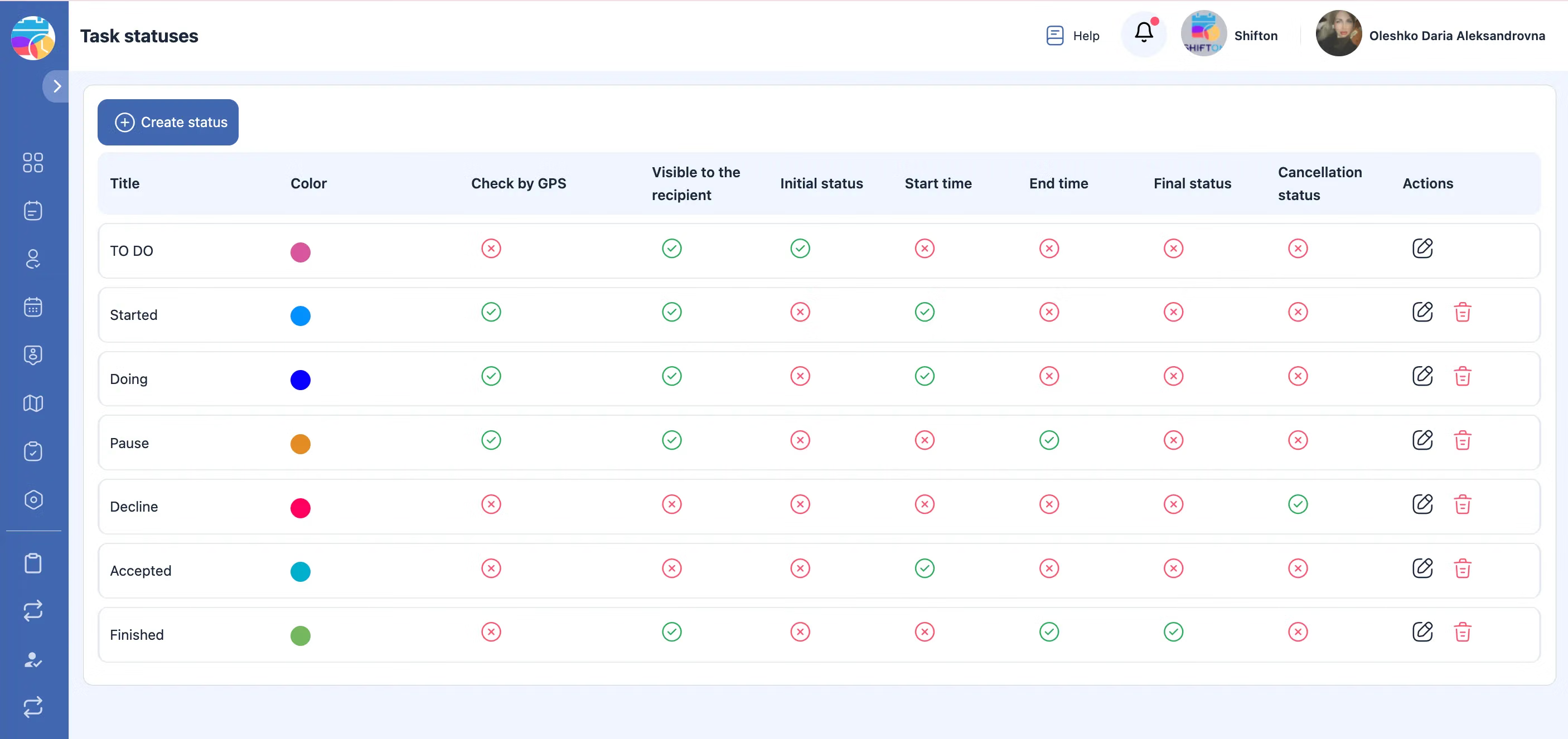
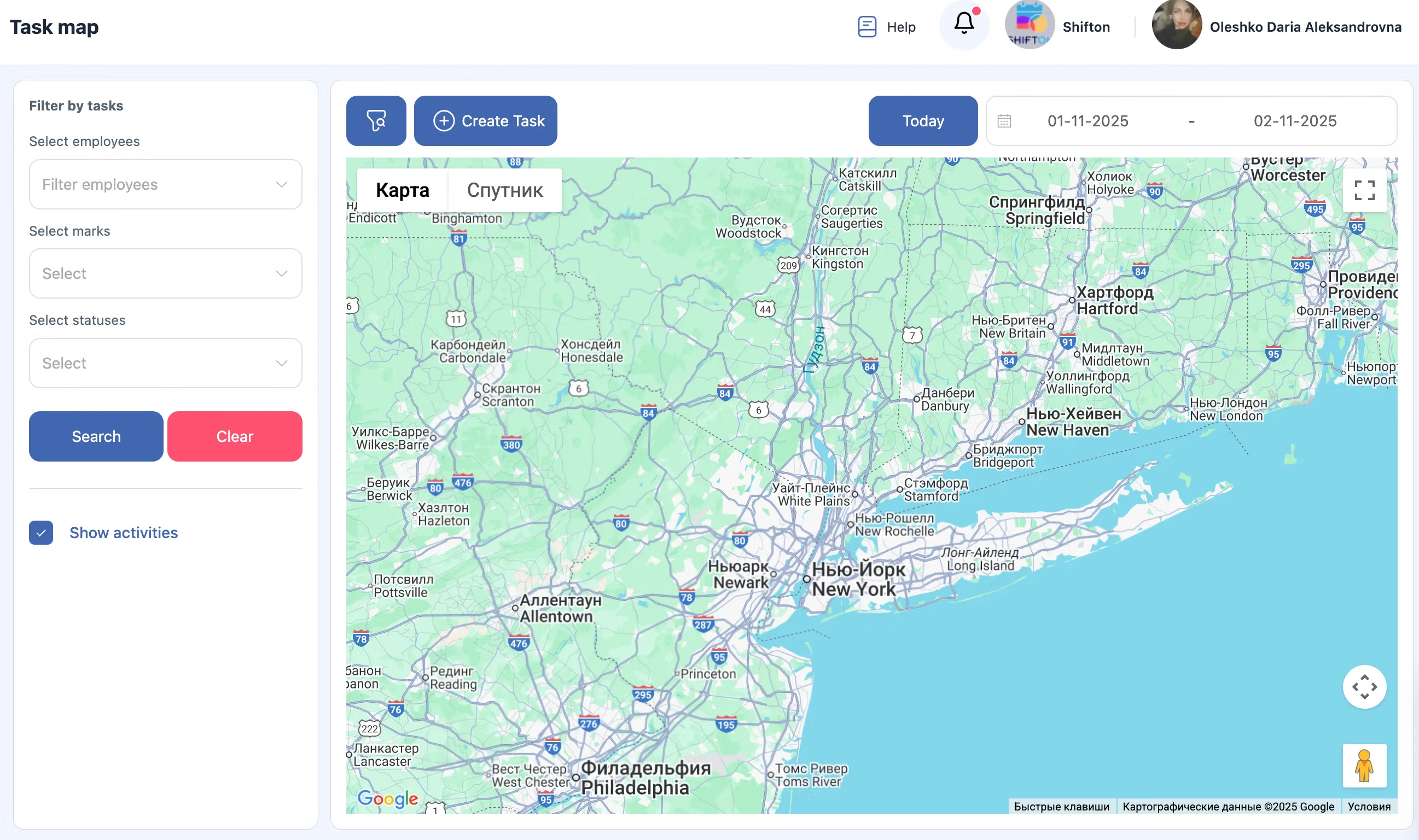
It plans tasks by shift on one board, gives staff checklists and job details in a mobile app, collects photos, signatures and hours, and produces reports per airline or customer. For an outfit of at most two people, that set is free and stays free. Inventory, Invoicing, GPS work location control and the customer portal are paid modules.
It is not a resource management system linked to flights, a departure control system or a load planning tool. It organises the tasks and keeps the evidence.
Frequently Asked Questions
Does Shifton take flight schedules from the airport systems?
No. It does not connect to airport operational databases, departure control or airline systems, and it does not build turnaround plans from flight data. Tasks are created by your planners, who can note the flight or stand on each one.
Is it suitable as ground handling software for a whole airport operation?
It fits best where the work is a set of tasks with evidence: cleaning, equipment checks, workshop repairs, water and toilet service. Full resource allocation driven by live flight changes needs specialised ground handling software.
Can our workshop manage equipment repairs with it?
Yes. Defects become repair jobs on the board, mechanics record work, parts and hours, and the equipment's repair history is kept in the job records.
Do staff need a special device on the ramp?
No. The mobile app runs on an ordinary phone. Each person signs in with their own login on their own device.
How is pricing worked out for a small handling contractor?
Organisations with one or two employees use the board, the app, forms and reports for free, with no end date. Larger teams pay per employee, and Inventory, Invoicing, GPS work location control and the customer portal are added as paid modules.
Can airlines see completed task records?
You can send them reports from completed jobs, or give them access through the paid customer portal.


Ready to transform your field operations?
Join thousands of field service companies that trust Shifton to run smarter every day.