

Aquarium Maintenance Software for Tank Service Routes
Recurring tank visits with the readings, the water changed and the state of the livestock written down every time.

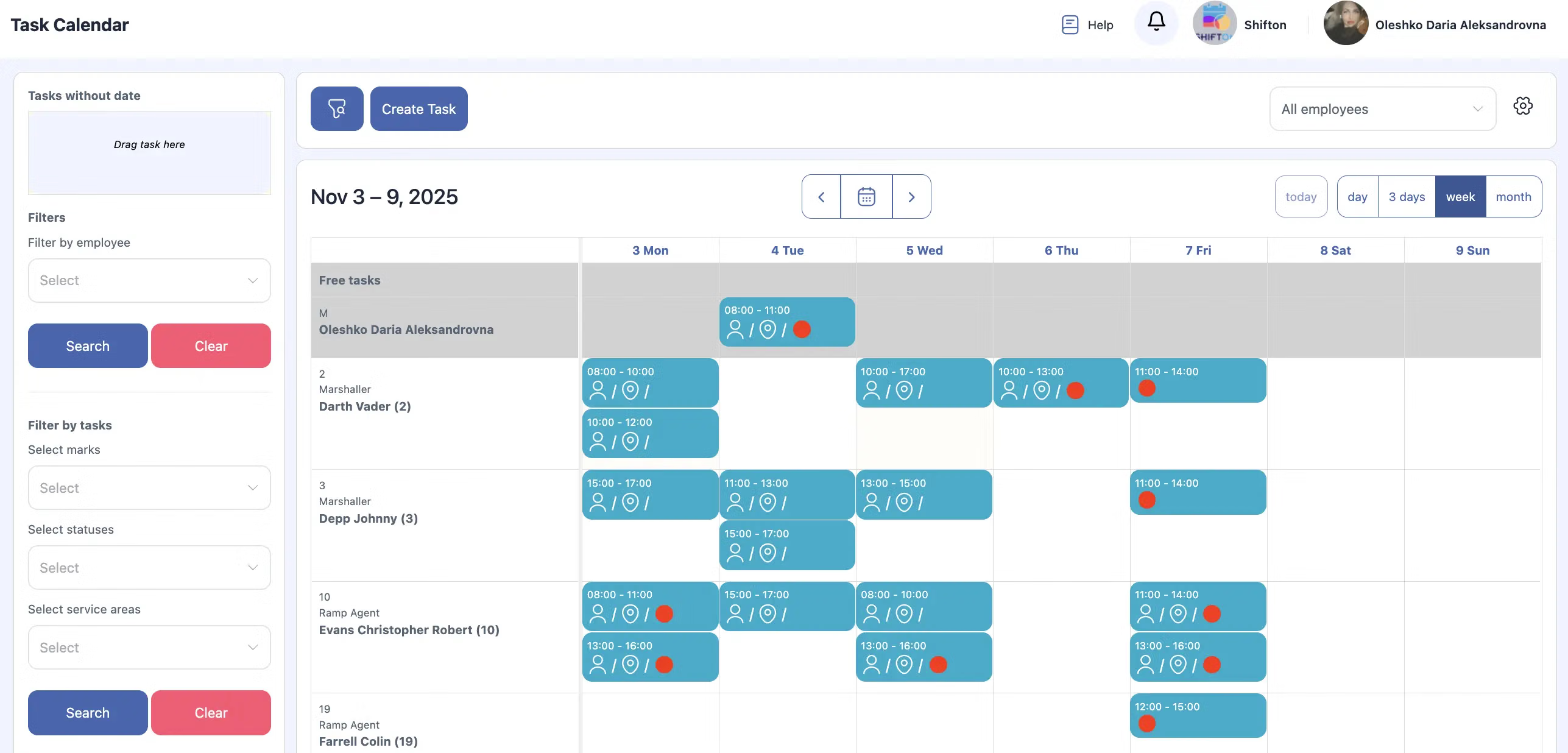
Every visit leaves a set of numbers
A maintenance visit is only as good as the test results behind it. Temperature, salinity, nitrate, phosphate, alkalinity on a reef: written on a sticky note, those readings are lost; kept on the job, they show a trend the client can see.
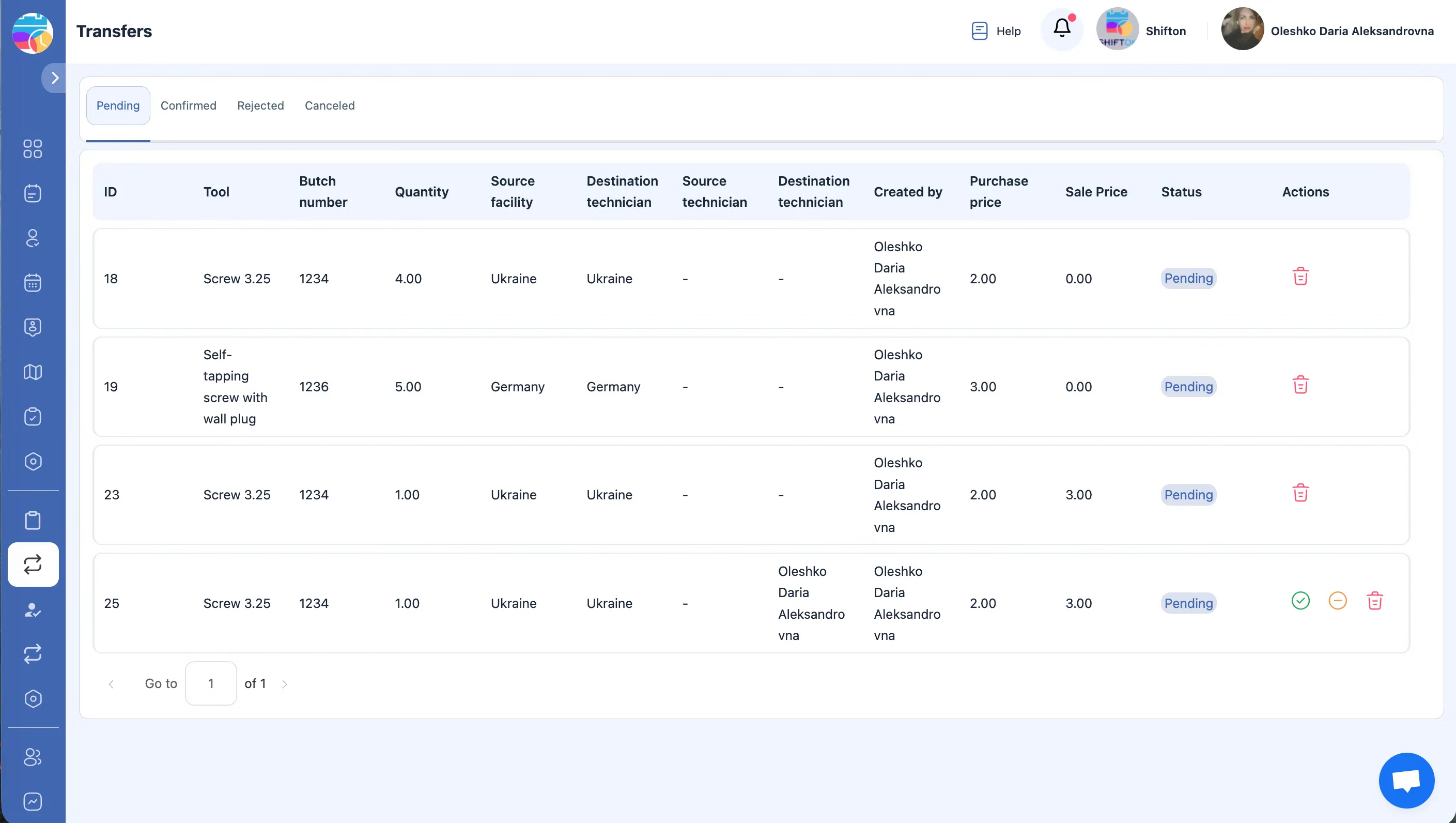
Livestock is the client's real concern
A client does not notice clean glass as much as a missing tang. When fish or corals are lost, the service company needs to show what the water looked like on the last visits and what was reported to the client.
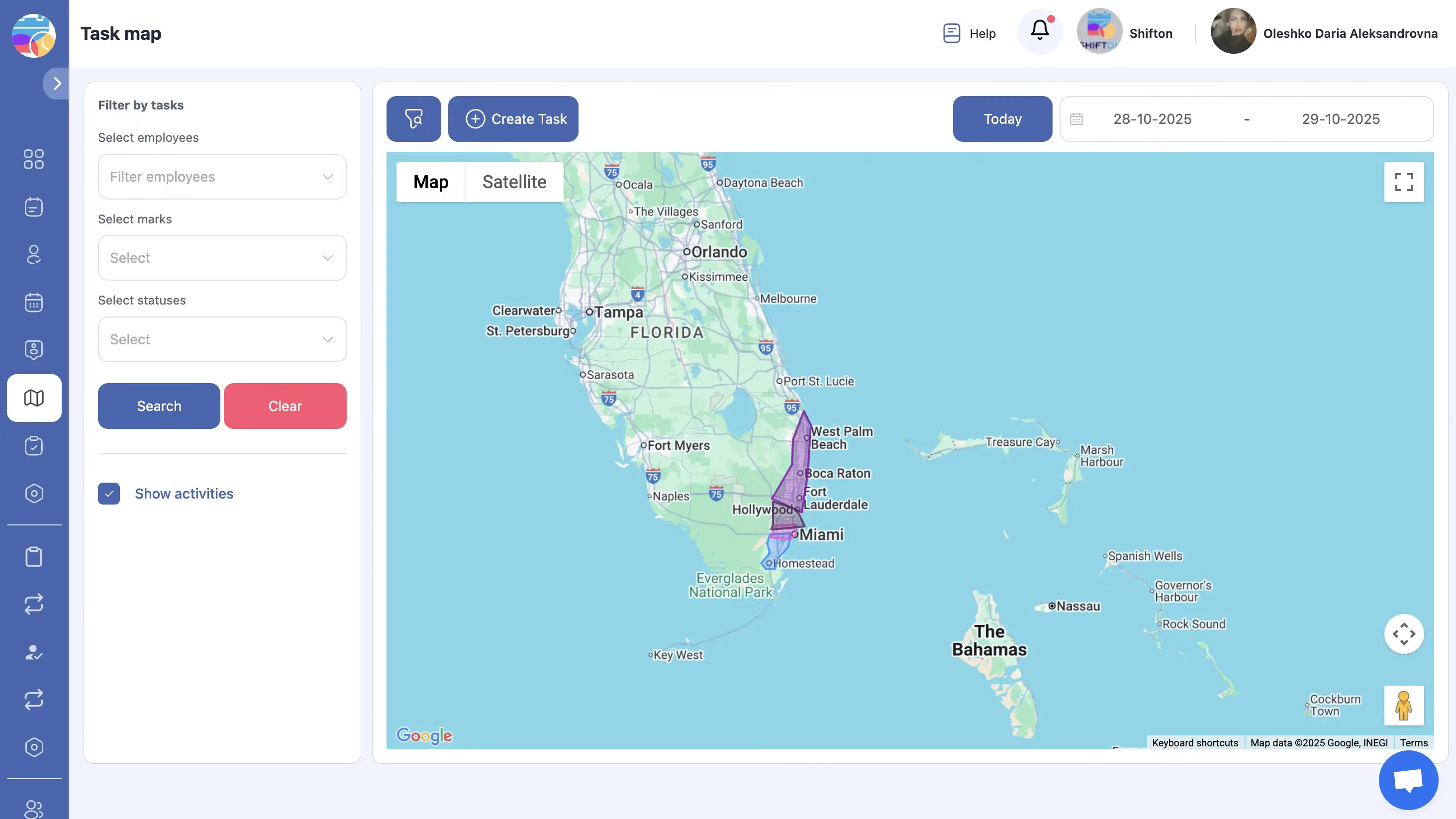
Equipment that fails between visits
Heaters stick, pumps seize, a return line starts to leak. Emergency calls cut into the recurring route, and the technician needs to know what equipment the tank has before arriving.
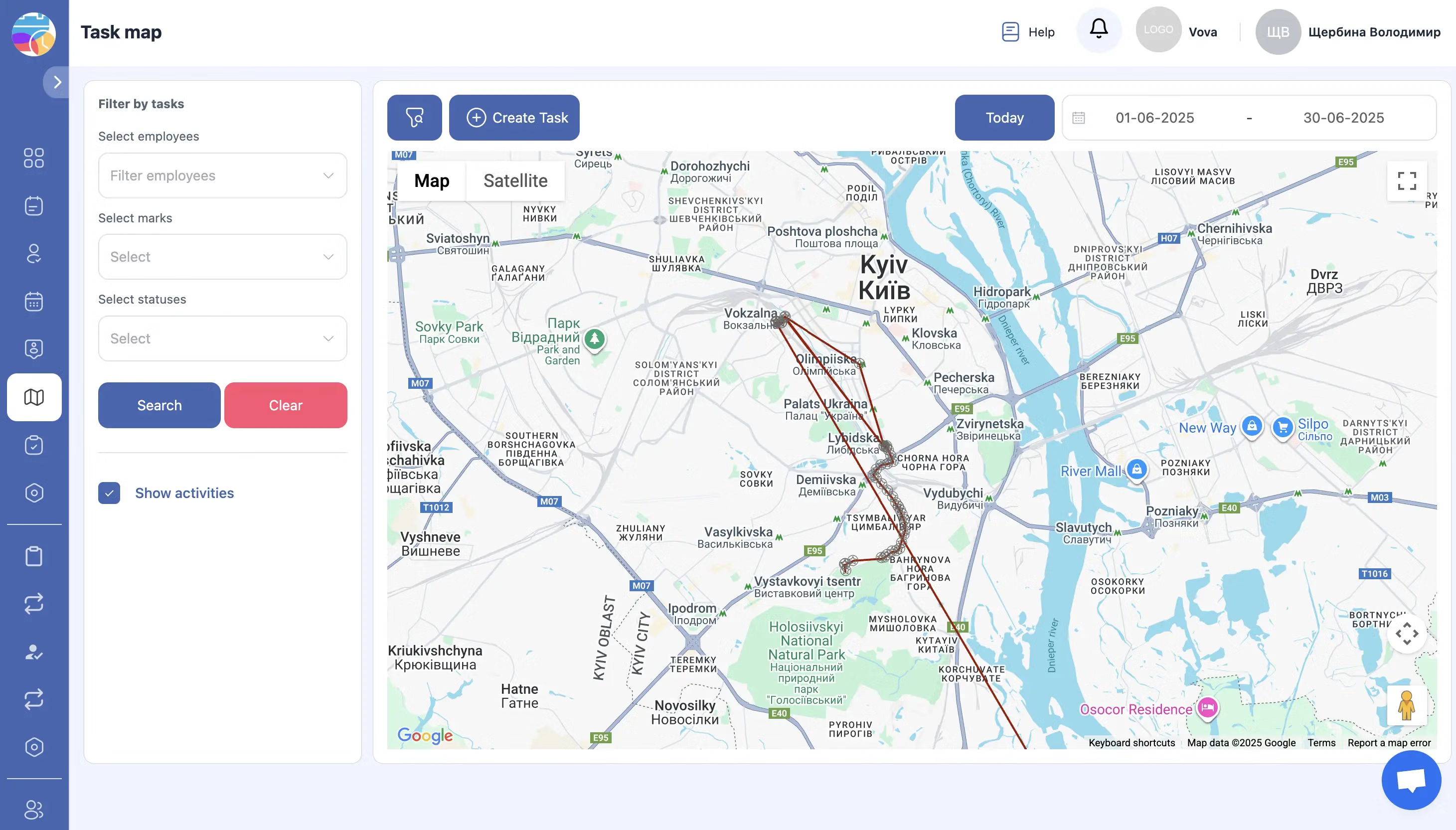
Consumables on the van
Salt, media, test reagents, food and replacement bulbs go out on the van every day. Running short mid-route means an unfinished service or a trip back to the store.
Start with the Free Plan
No time limits. Get full access to core features and upgrade when you're ready.
Read how tank service firms plan visits, readings and stock
What aquarium maintenance software should record
Aquarium maintenance software is useful when it turns each visit into a record: the readings taken, the water changed, what was dosed, what the livestock looked like and what the client was told. Tank maintenance is quiet, repetitive work, and its value only becomes visible when something goes wrong. A client with a crashed reef tank will ask what the water was like for the last two months; the company that can show it keeps the contract.
Homes, offices and restaurants
Commercial tanks come with access rules: before opening hours in a restaurant, outside meetings in an office, via a security desk in a hotel. Those notes belong on the client record so the technician arrives at the right time and knows whom to ask for.
Fresh water, salt water, reef
A freshwater community tank, a fish-only marine system and a mixed reef need different tests, different time on site and different stock. Aquarium service software that sets the checklist by tank type stops a technician from skipping alkalinity on a reef or wasting time on it in a goldfish pond.
Feeding visits while clients travel
Holiday feeding is a small job with a big risk: overfeed a tank for two weeks and the water quality collapses. Writing the exact portion and the feeding days on the visit keeps every technician on the same plan.
What Shifton Field Service does for tank maintenance
It plans recurring visits and emergency calls on one board, sends the technician each tank with its checklist and equipment list, and collects readings, photos, notes and client signatures. Hours per visit and per technician appear in reports. A tank service of one or two people keeps those basics without charge, indefinitely. Consumables stock, invoicing, location control and a portal where clients read their visit reports are the paid part.
It is not a controller for your pumps or lights, it does not read probes in the tank and it does not diagnose fish diseases. It is where the plan and the service history live.
Frequently Asked Questions
Can technicians log salinity, nitrate and other readings at each visit?
Build a checklist with the parameters you test and the technician completes it during the visit. Readings stay on the tank's history so you and the client can compare them over months.
How do we set up weekly or fortnightly tank visits?
Each client has recurring visits planned on the board at the interval you agree. The technician sees the day's tanks in order, with the notes and checklist for each.
Can we record fish or coral losses and what we advised?
Add a loss note with photos to the visit, along with any advice given to the client. That written record is what you will need if a client later disputes the cause.
Can we track salt, media and reagents used on each visit?
Stock tracking is part of the Inventory module, which is paid. With it, quantities used on each job come off the van's stock and the totals show what needs reordering.
How much does it cost for one technician and one assistant?
A technician and an assistant plan their round, fill in readings on the phone and pull reports without paying, and that does not lapse. Tracking salt and media, invoicing, location control and a client portal are priced separately.



Ready to transform your field operations?
Join thousands of field service companies that trust Shifton to run smarter every day.