

Dog Grooming Software for Salon Tables and Mobile Grooming Vans
Appointments sized by coat, size and temperament, with the salon tables and the van on the same board.
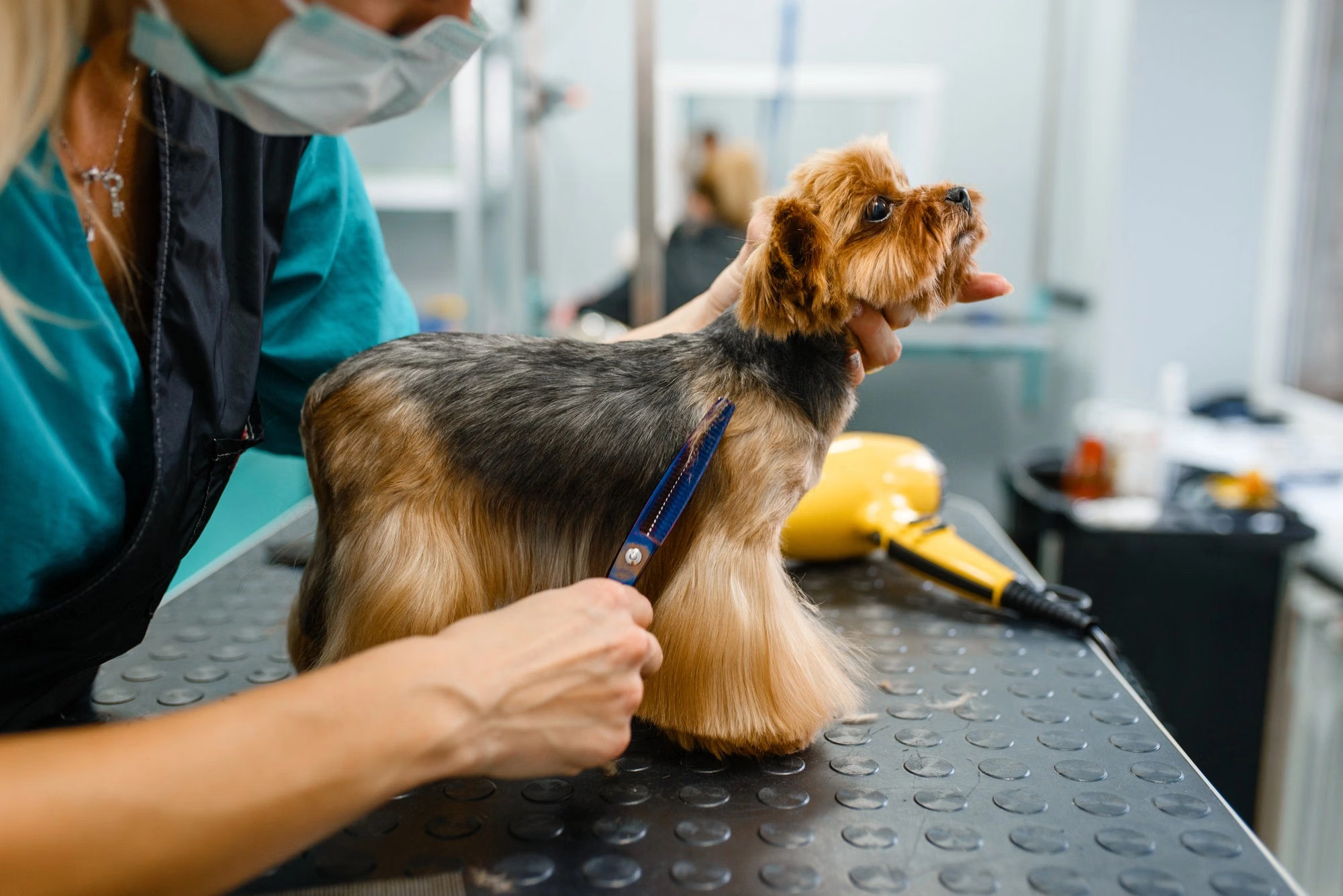
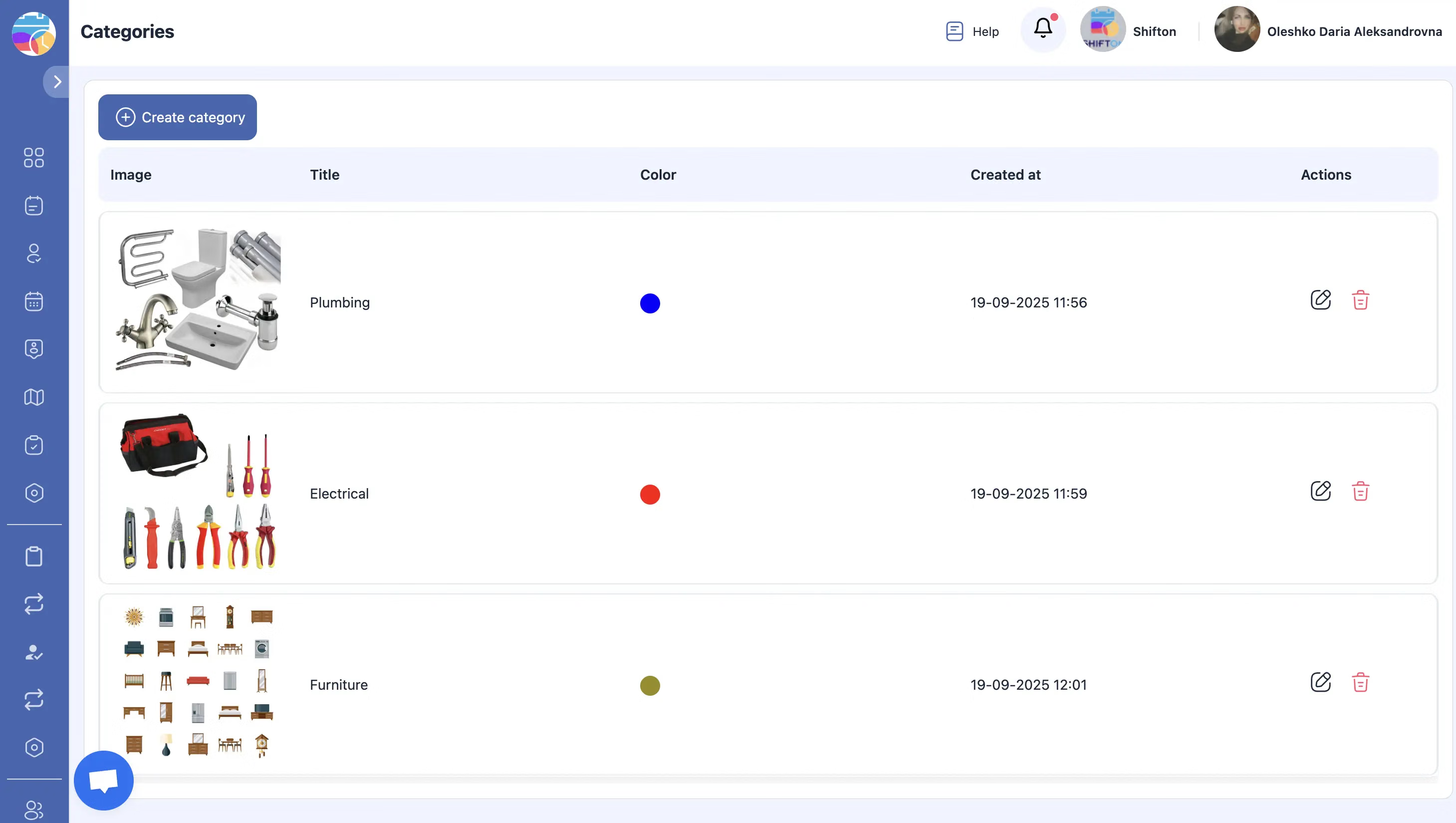
A booking slot is only as good as the coat behind it
A short-coated terrier and a matted doodle are both a full groom on the phone, and they are not the same job. When slot length ignores coat condition, the afternoon slides and the last owner waits in reception or on the pavement.
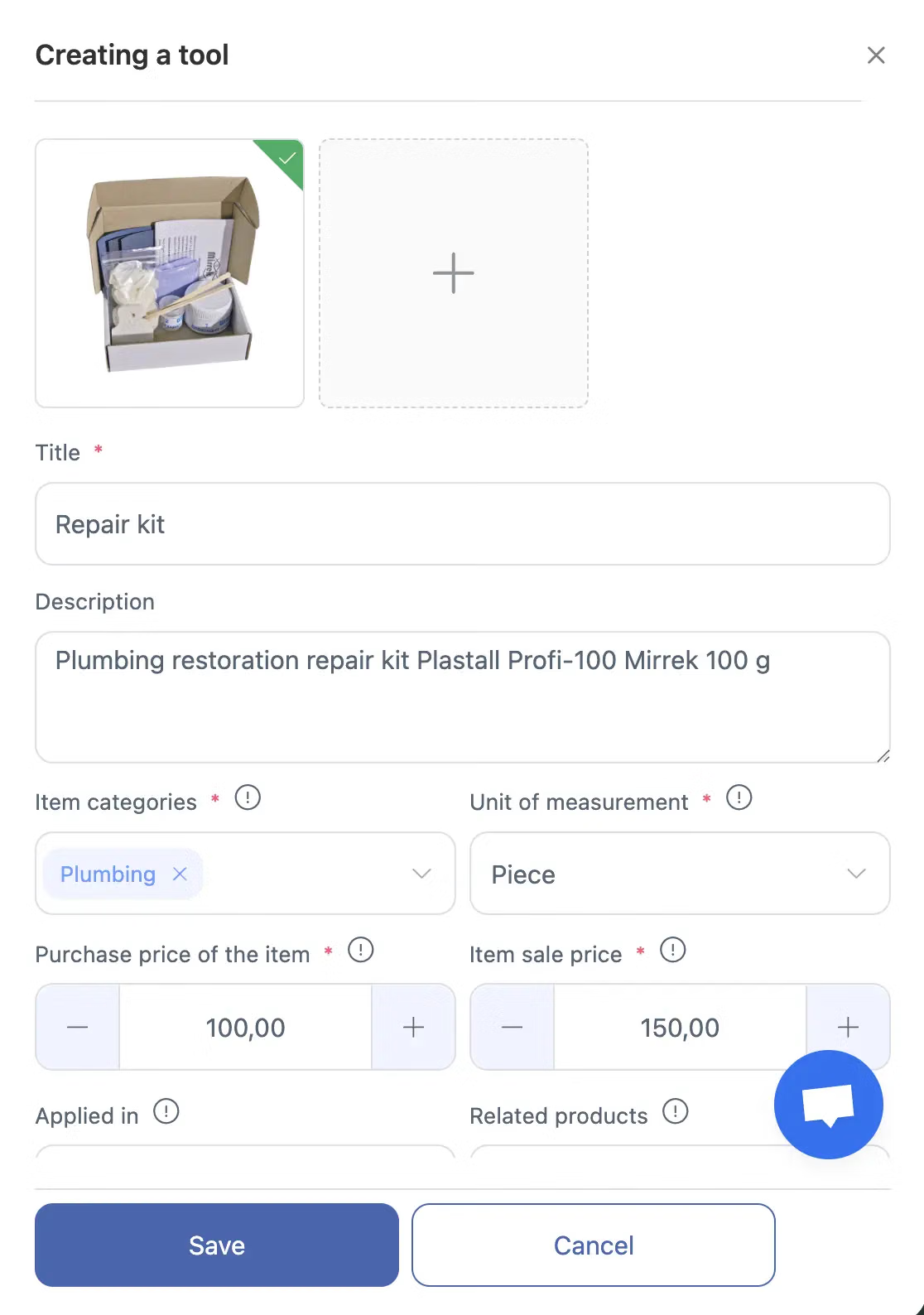
Intake is where disputes are prevented
Nicks, clipper rash, hot spots and shave-downs cause most grooming complaints, and nearly all of them turn on what the dog looked like before it arrived. A two-minute intake with photographs settles that before anyone raises their voice.
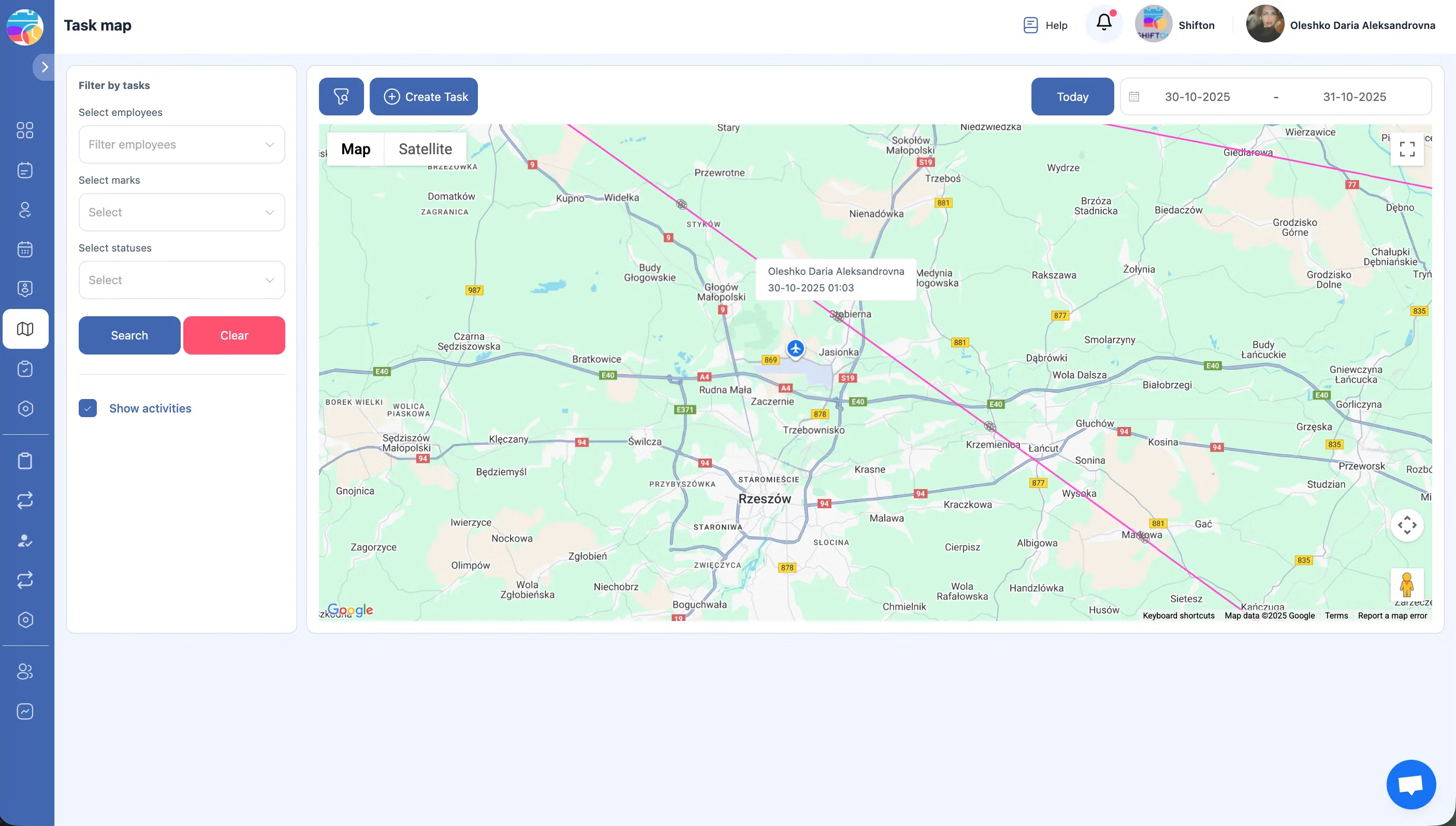
The van runs on water, power and parking
Mobile grooming has limits the salon never feels: a fresh water tank, a generator or shore power, a grey water tank that must be emptied, and a kerb wide enough to open the side door. A day planned without those limits breaks at the fourth dog.
Bather, groomer and front desk on one record
In a busy salon the bather preps, the groomer finishes and someone else hands the dog back. When each keeps separate notes, the owner hears three versions. One job record with the checklist, the notes and the photos keeps the story straight.
Start with the Free Plan
No time limits. Get full access to core features and upgrade when you're ready.
Read how grooming salons and vans plan coats, intake and rebooking
What dog grooming software has to get right
Dog grooming software earns its place on three things: giving each dog a slot that matches the work, recording the dog's condition in and out, and remembering what was done so the next visit is quicker. Everything else comes second. A salon can run on a paper diary for years, but the paper diary is where a two-hour matted poodle becomes a forty-five minute booking, and where the note about a bad hip disappears.
Why grooming days run late
Late days rarely come from slow groomers. They come from dogs arriving in worse condition than the owner described, double coats that take an hour to dry, nervous dogs that need breaks, and owners who drop off late and want to collect early. A booking that stores coat condition, size and temperament, and shows how long the last visit actually took, gives the person on the phone something better than a guess.
The last visit's time is the most honest number a salon has. If a cockapoo took two hours and ten minutes in March, a ninety-minute slot in May is a hope rather than a plan.
Intake, consent and the before photograph
Owners remember their dog as it looked after the last groom, not as it looks today. When a heavily matted coat has to come off, or clipper rash appears on sensitive skin, the conversation at collection depends on evidence. Photographs of coat and skin at drop-off, a note of existing lumps, hot spots or ear trouble, and a signed agreement for a shave-down turn an argument into a look at the record. Pet grooming software that makes intake a short form on the groomer's phone, instead of a sheet in a drawer, means intake still happens on a packed Saturday morning.
Health notes that change the job
Most salons ask for proof of certain vaccinations and want to know about heart conditions, seizures, recent surgery or old age. Those details belong on the client record where the groomer reads them before starting, not in the receptionist's memory. A fourteen-year-old dog with a heart murmur is a different job from the same breed at three, and the groomer should know that before the dryer goes on. If the vet has asked for a lighter trim, no bath for a week or a cone to stay on, that instruction goes on the record too.
Running a mobile grooming van
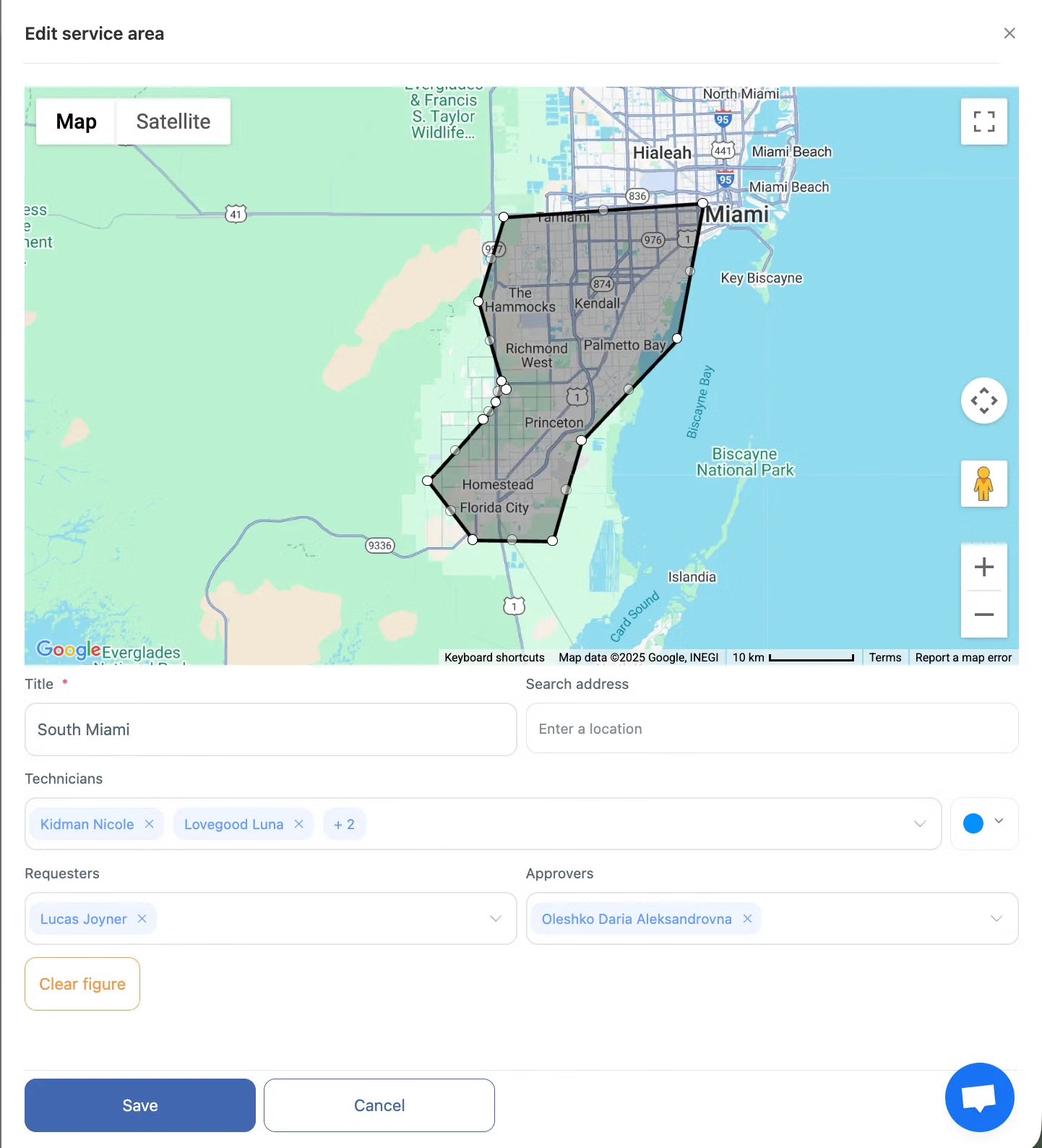
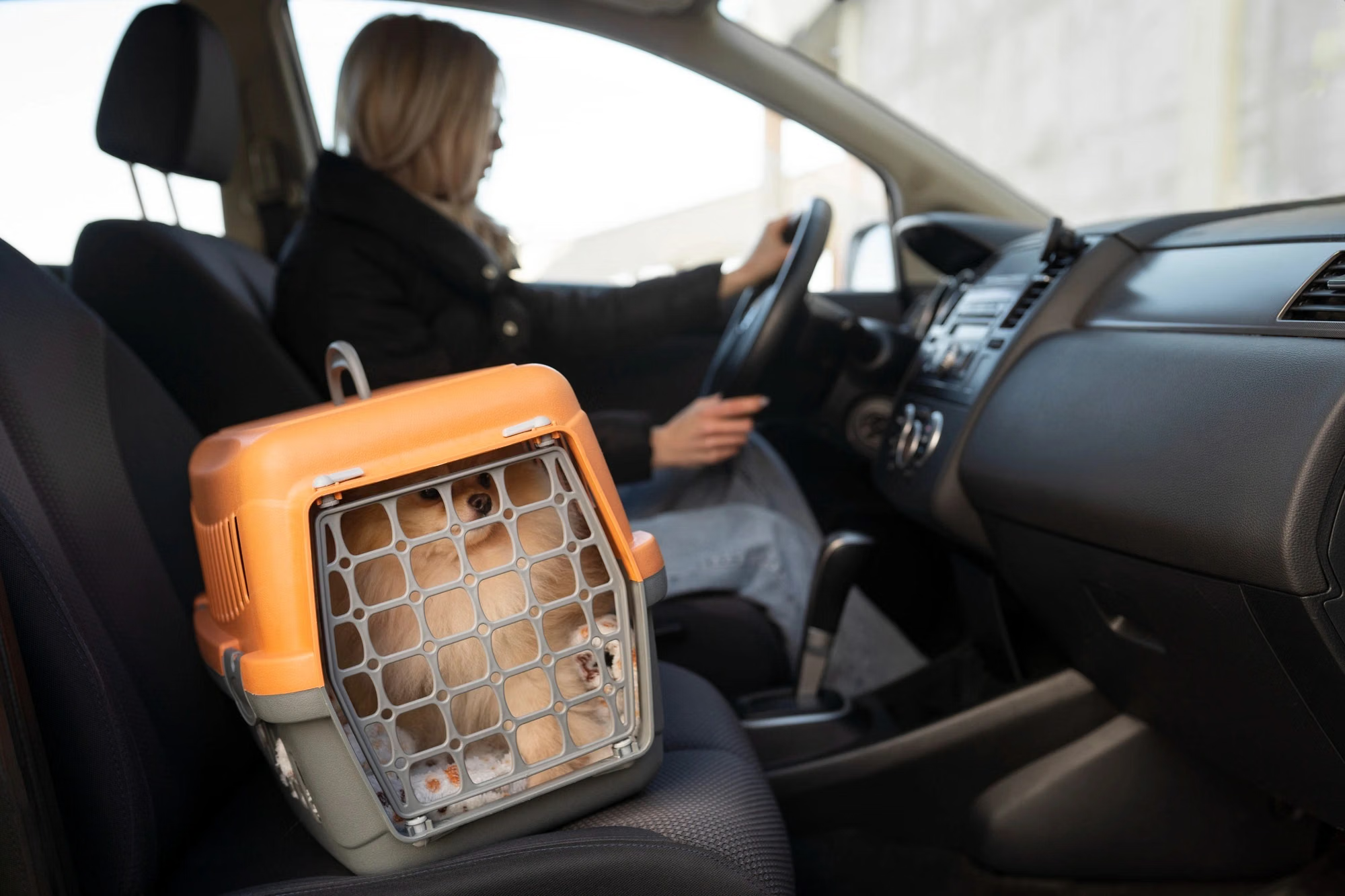
Mobile grooming software has a different job from the salon version. The van groomer works alone, one dog at a time, with no holding kennels and no second pair of hands. The day is limited by the water tank, the power source and the grey water, and each appointment depends on the one before finishing on time and on the drive between houses.
Planning around the tank
A small breed bath uses a fraction of the water a large double-coated dog needs. Three big dogs back to back can empty the tank before lunch. Recording rough size and coat on every booking lets whoever plans the day see its load in advance and put the refill where it fits.
Access and parking
Where the van parks decides whether the appointment happens at all: a steep drive, a narrow lane, a residents-only car park, an outdoor socket the groomer may or may not use. Those details sit on the client record, visible on the phone, so the groomer is not ringing the owner from the end of the road.
When the owner is out
Plenty of mobile clients hand over the dog and go back to work, or leave it with a neighbour. Collection instructions, gate codes and who may receive the dog go on the job, and the completion photo shows the dog handed back, with the time.
Salon workflow: bather, groomer, desk
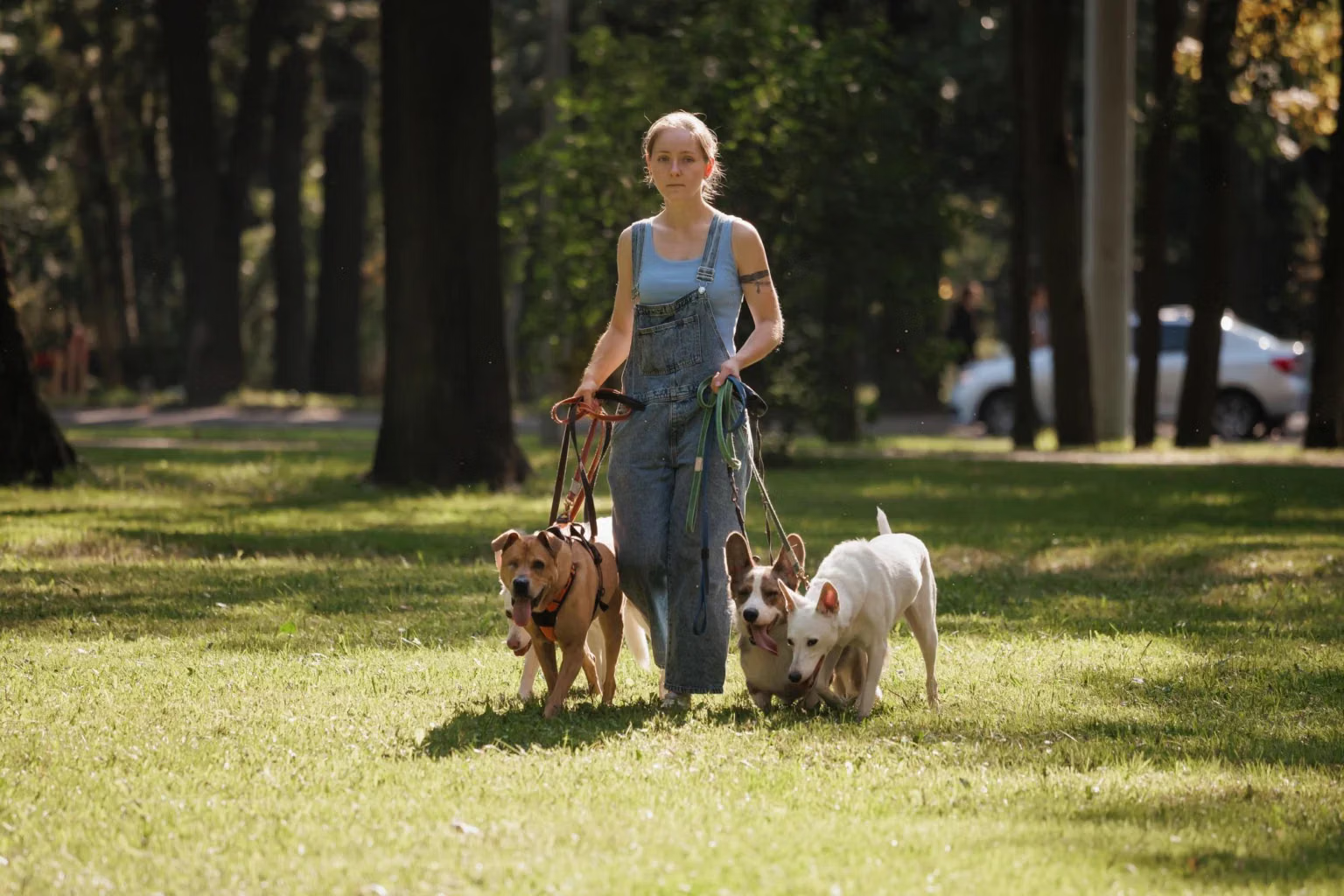
Larger salons split the work. A bather washes and dries, a groomer does the scissor work and finish, the front desk handles drop-off and collection. Every handover is a place for information to fall through. One job record per dog, with a checklist of stages and room for notes, means the groomer knows the bather found a tick, and the desk knows the nails were skipped because the dog would not allow it.
That record also answers the question every salon owner eventually asks: who groomed this dog on that date. With the groomer, times, checklist and photographs on the job, a complaint months later is answered from the file instead of from memory.
Rebooking at the desk
Regular clients return every four to eight weeks, and the best moment to book the next visit is at collection. Grooming appointment software that shows the same groomer's next free slot of the right length, while the owner is still standing there, fills the calendar weeks ahead and keeps each dog with the person who knows it.
What Shifton Field Service does in a grooming business
It keeps the salon tables and the van on one planning board, and the groomer's phone becomes the pet grooming app for the day: each dog's notes, intake form and stage checklist, plus photographs and signatures. It records hours per dog and per person and turns visits into reports. A lone van groomer, or a salon owner working with one bather, keeps scheduling, the phone app, intake forms and reporting at zero cost however long the business stays that size. Billing, product stock, van location control and a portal for owners are each bought as a module.
It is not a point-of-sale till, it does not send marketing campaigns and it does not replace a vet's advice or records. Treat it as grooming software for planning and evidence: who is working on which dog, when, and what state the dog was in before and after.
Frequently Asked Questions
Can appointment length change with the dog's coat condition?
Each booking carries breed, size and coat notes, and whoever takes the call sets the slot length from them. The board then shows the real day, so a matted coat gets its extra hour on paper before it takes it on the table.
How do we record a dog's condition at drop-off?
The intake form on the groomer's phone takes photographs and short notes on skin, coat, lumps or old injuries. It is saved against the visit with the time, so you can show exactly how the dog came in.
Can an owner sign a shave-down agreement before we start?
Yes. Add a consent line to the intake form and the owner signs on the screen. The signed form stays on the job, which matters when someone is surprised by a short coat at collection.
Does it cover a mobile grooming van as well as the salon?
The van sits on the same board as the salon tables. Its day is a run of addresses rather than a queue of dogs, and the groomer sees each stop with its notes and access details on the phone.
If a complaint comes in weeks later, can we see who groomed the dog?
Every visit shows who worked on the dog, which checklist items they ticked and the photos they took, all with times. That is usually enough to answer a complaint long after the groom.
Can we track hours for groomers paid per dog or on commission?
Hours per job and per person are recorded and come out in reports, which gives you the figures for commission or piece-rate sums. The pay calculation itself stays in your payroll process.
What does a one-van or two-table business pay?
Nothing while the whole business is one or two people, and there is no date when that ends. Booking, the groomer's phone, intake forms and the reports all sit inside that. Counting shampoo and blades, billing owners, seeing where the van is and an owner login are extras you switch on and pay for only if you want them.
Can behaviour notes follow a dog to a new groomer?
Behaviour notes live on the client record and show on the job every time the dog is booked: snaps at the feet, hates the dryer, needs two people for nails. New staff read them before they meet the dog.
Ready to transform your field operations?
Join thousands of field service companies that trust Shifton to run smarter every day.