

Pet Sitting and Dog Walking Software for Visits in the Client's Home
Walks, drop-ins and overnight stays planned around keys, routines and the owner's travel dates.
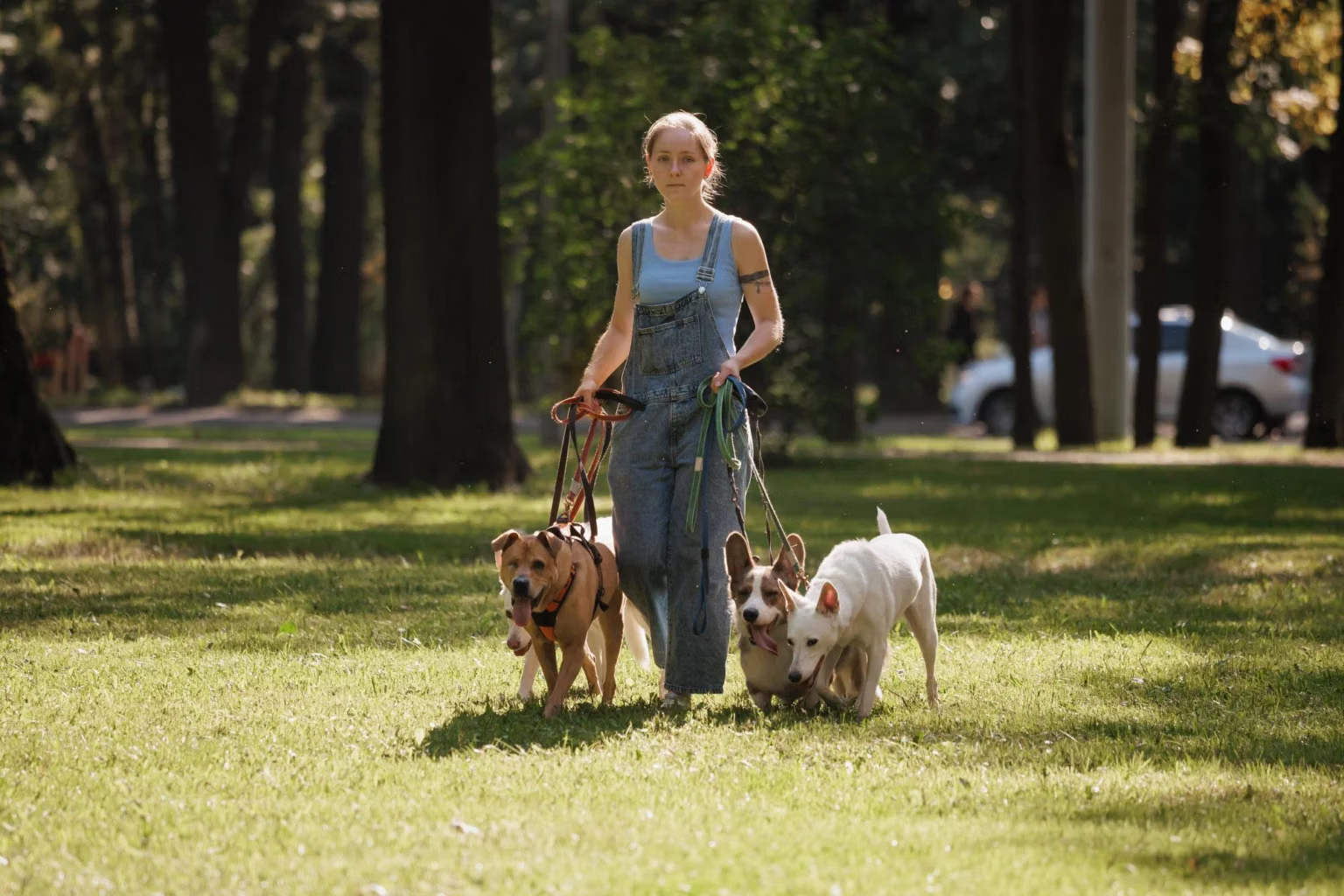
You are trusted with a house, not only a dog
A sitter walks into an empty home with a key, an alarm code and a list of instructions written by someone now at an airport. The work is feeding, walking, medication and litter, but what the client is really buying is certainty that nothing was missed while they were away.
Proof that the visit happened
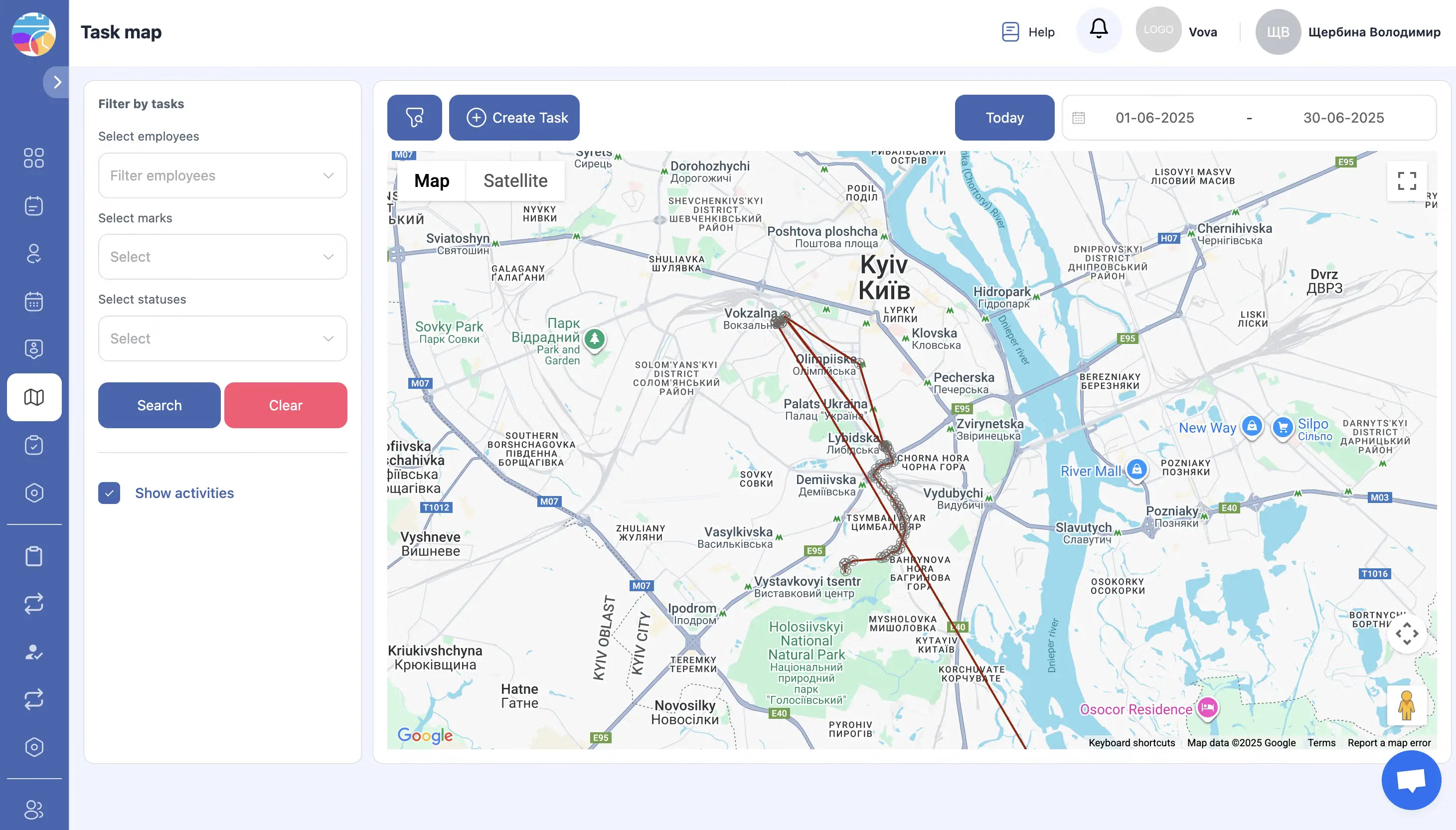
The question every pet care business hears is simple: did someone actually come? A visit that closes with a timed photo of a fed cat, a note about the walk and a tick against each instruction answers it before the owner asks.
Routes that respect the dogs, not just the map
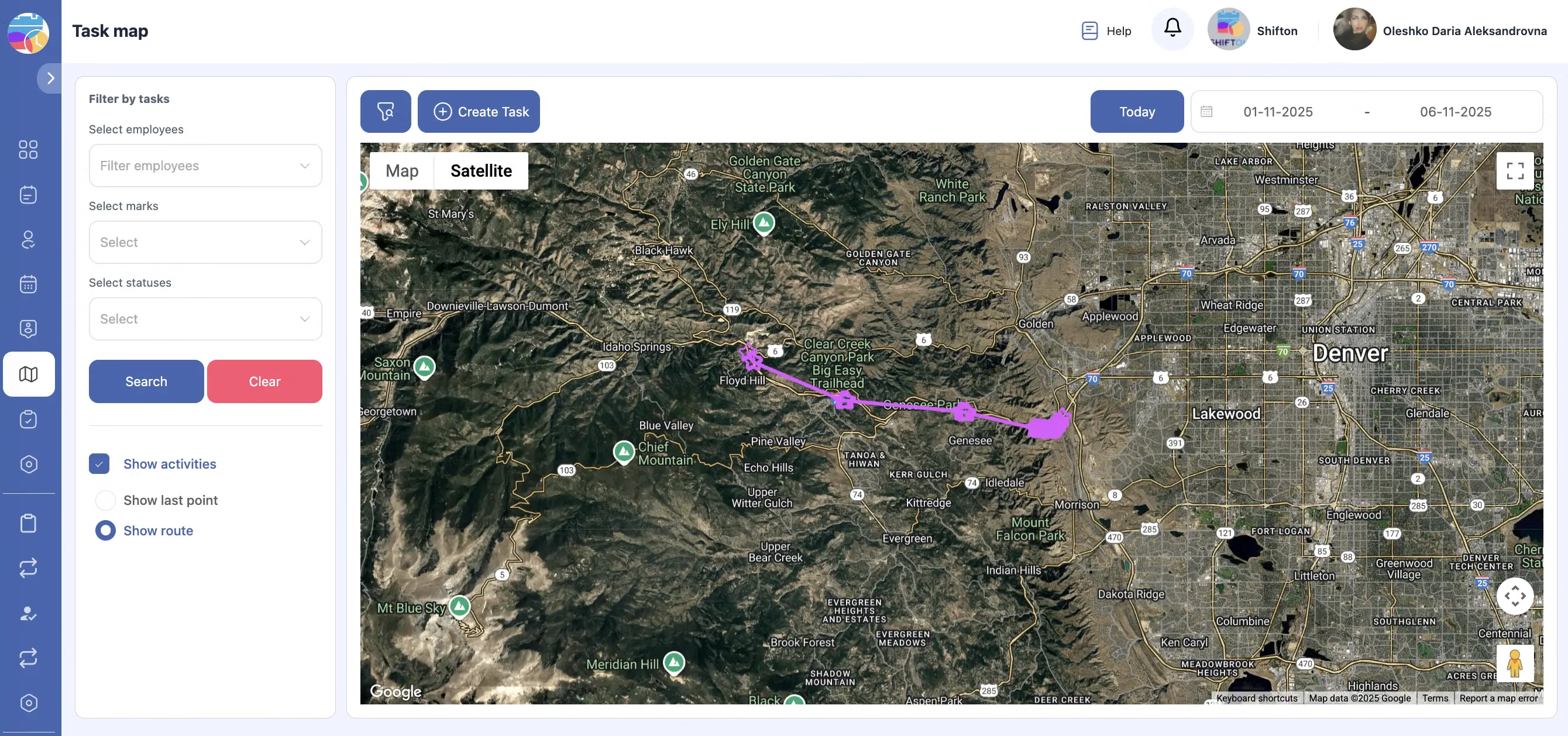
Group walks have limits a spreadsheet ignores: how many dogs one walker may take, which dogs cannot share a van or a lead, which ones must stay on lead, and which ones need a solo walk. A day planned by postcode alone produces a reactive dog in the middle of a group.
Cover for holidays, illness and peak weeks
School holidays and the Christmas fortnight bring every client's trip at once, and that is when a sitter falls ill. The business that survives those weeks is the one where any colleague can pick up a visit and find everything needed on the phone.
Start with the Free Plan
No time limits. Get full access to core features and upgrade when you're ready.
Read how pet sitters plan keys, stays, walks and cover
What pet sitting software is for
Pet sitting software is about one thing clients never say out loud: they are handing a stranger their house keys and their animal while they are out of reach. A walker or sitter works alone in someone else's home, often before anyone else in the business is awake, and every visit has to be done exactly as instructed. The software's job is to put those instructions on the sitter's phone at the right moment, record that they were followed, and let the office see the day without ringing round.
That is a different problem from running a salon or a kennel. There is no front desk, no building of your own, and the work happens at dozens of addresses with their own locks, alarms and quirks.
The house is part of the job
Clients do not only ask for the cat to be fed. They ask for the post to be moved off the mat, the bins taken out on Tuesday, the blinds changed so the house looks lived in, and the back door checked twice. Those house instructions matter as much as the feeding plan, and a sitter who forgets one of them loses the client. Writing them once on the client record, and showing them on every visit, is how pet care software earns its fee.
Keys, lockboxes and codes
Key handling is the part of the business that keeps owners awake. A register of who holds each key, where spares are kept, and which lockbox code belongs to which house should never live in one person's head. When a sitter leaves the business, the office needs to know which keys to collect.
Dog walking software and group walks
Walking software has to handle walks that are rarely one dog at a time. A walker collects several dogs, drives or walks them to a park, and returns them within a window the owner expects. Capacity, compatibility and lead rules shape each walk. Some areas limit how many dogs one person may walk; insurers set their own limits too. The planner needs to see, per walker, which dogs are booked and whether any of them should not be together.
Pickups and drop-offs
Owners who work from home notice the time a dog is collected and returned. A walk that was booked for eleven and leaves at twelve generates a message, and a pattern of that generates a cancellation. Recording actual start and finish per visit shows where the day is really slipping, which is usually one walker with too many pickups in the morning slot.
Solo walks, puppies and older dogs
Puppies need short, frequent visits; old dogs need slow ones; reactive dogs need a walker who knows them. Flagging those on the client record keeps them off the wrong walk and makes sure the same small group of people handle them.
Stays, drop-ins and pet sitting scheduling software
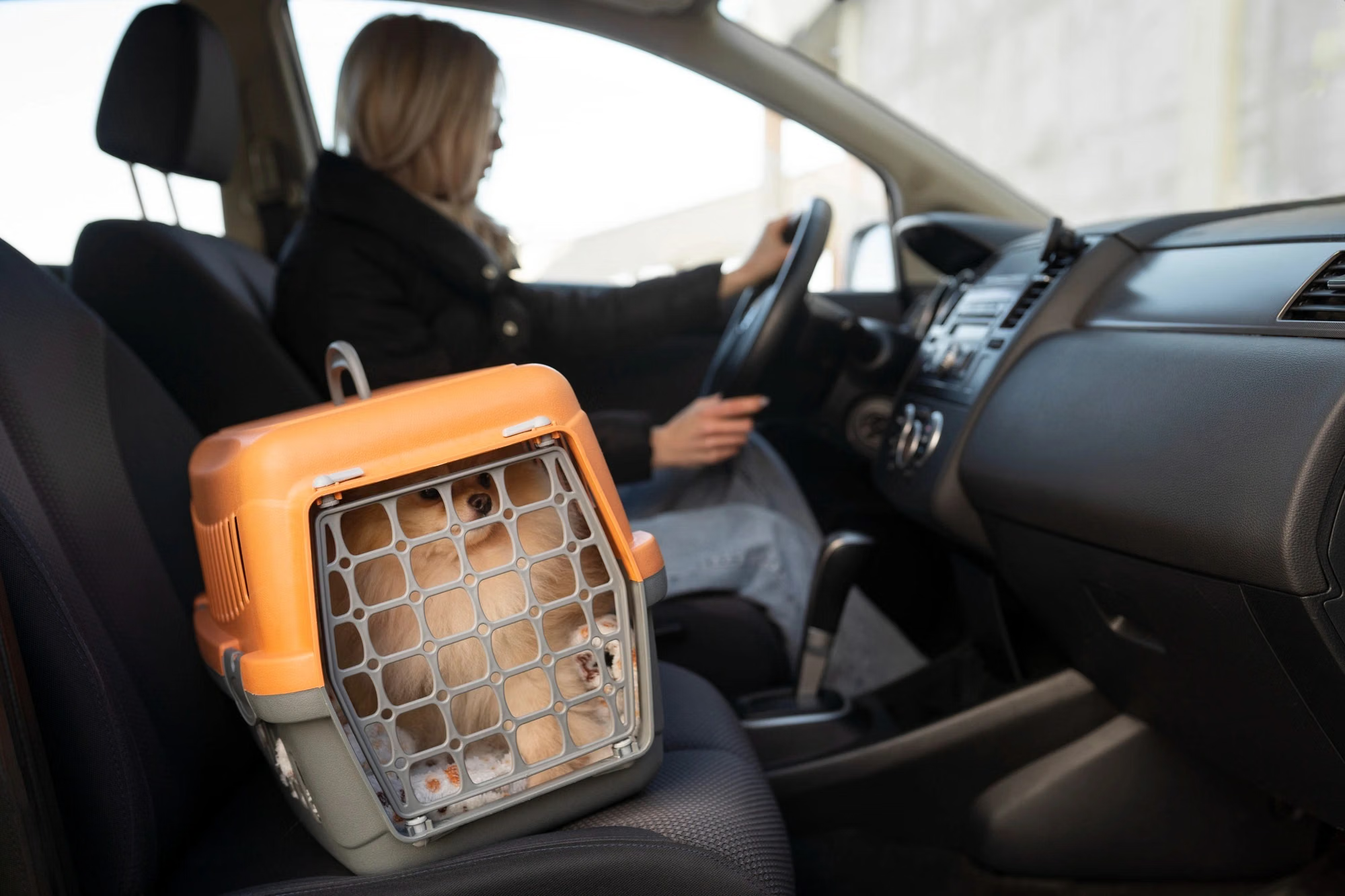
A holiday booking is not one appointment but a run of visits: morning and evening drop-ins for ten days, or overnight stays with a morning walk. Pet sitting scheduling software needs to create that run in one go, keep the same instructions on every visit, and show the whole stay so nobody books the sitter somewhere else on day six.
Meet-and-greet before the first visit
Most businesses meet the client and the pet before the first sitting, to collect keys, walk through the house and see the routine. That meeting is where the instructions are written. Recording it as a visit of its own, with notes and photos of where the food and leads are kept, means any sitter who covers later starts with the same picture.
Peak weeks
Summer holidays, Easter and the end of December bring most of the year's stays into a few weeks. That is when cover matters most, and when the owner of the business ends up doing visits themselves. Seeing every stay across the team on one board makes it obvious where there is room and where one more booking will break the week.
When something goes wrong on a visit
A dog slips its collar, a cat has not eaten for two days, a pipe is leaking under the sink. The sitter needs the owner's emergency contact, the vet's details and a clear rule about who decides what. Having those on the visit, and writing down what happened with photos and times, protects the sitter, the business and the relationship with a client who is abroad and anxious.
What Shifton Field Service does for walkers and sitters
It plans walks, drop-ins and stays on one board, sends each visit to the walker or sitter's phone with access notes, pet instructions and a checklist, and brings back times, photos, notes and signatures. It records hours per person and gives the owner reports on visits done, late and missed, which is most of what dog walking business software is asked to show. While the team is two people or smaller, planning, the sitter's app, visit checklists and reporting carry no fee, this year or any other. Location control, invoicing, stock and an owner-facing portal each have their own price.
It is not a marketplace that finds you clients, it does not take online payments by itself and it does not replace your insurance or your contract with the owner. It keeps the instructions, the visits and the proof in one place so the business does not depend on anyone's memory.
Frequently Asked Questions
Where do sitters find the key and alarm code for a visit?
Access details sit on the client record and appear on the visit itself, so the sitter sees them on the phone when they are on that job. You decide what goes into the note; there is no need to text codes around.
Can owners get a photo and a note after every walk?
The sitter takes a photo and writes a short note inside the visit before closing it. The visit report, with times and the checklist, is what you send to the owner or keep in case of questions.
How do we plan a two-week holiday stay with three visits a day?
Create the run of visits across the owner's travel dates and assign them to one sitter or split them between several. Each visit carries the same instructions, and the board shows the whole stay at a glance.
What happens if the booked sitter is ill on the morning of a visit?
Move the visit to another sitter on the board. The access notes, pet instructions and history move with it, and the replacement opens the job on the phone with everything the first sitter had.
Can we record medication given during a sitting?
Add medication to the visit checklist with the dose written in the instructions. The sitter ticks it with the time, and a missed tick is visible to the office the same day.
Can we keep track of which sitter holds a client's key?
A key custody line on the client record, updated when keys change hands, tells anyone in the office who holds it. It is a simple record kept by your team rather than a tracking device.
Is there a price for a solo walker or a two-person pet sitting business?
A walker on their own, or a pair of sitters, is never billed for the diary of walks and stays, the phone app, visit forms or reports. Raising invoices from visits, an owner login and proof of location come later as paid add-ons, if at all.
Can one walker be limited to a set number of dogs per walk?
The walk is a job with the dogs listed on it, so whoever plans the day sees how many are booked on each walker before confirming. Group size stays a planning rule your office applies rather than something the system guesses.

Ready to transform your field operations?
Join thousands of field service companies that trust Shifton to run smarter every day.