

Water Treatment Service Software for Systems and Softeners
Service visits generated on the cycle each system runs to, consumables tracked per installation, and test results recorded at the equipment.

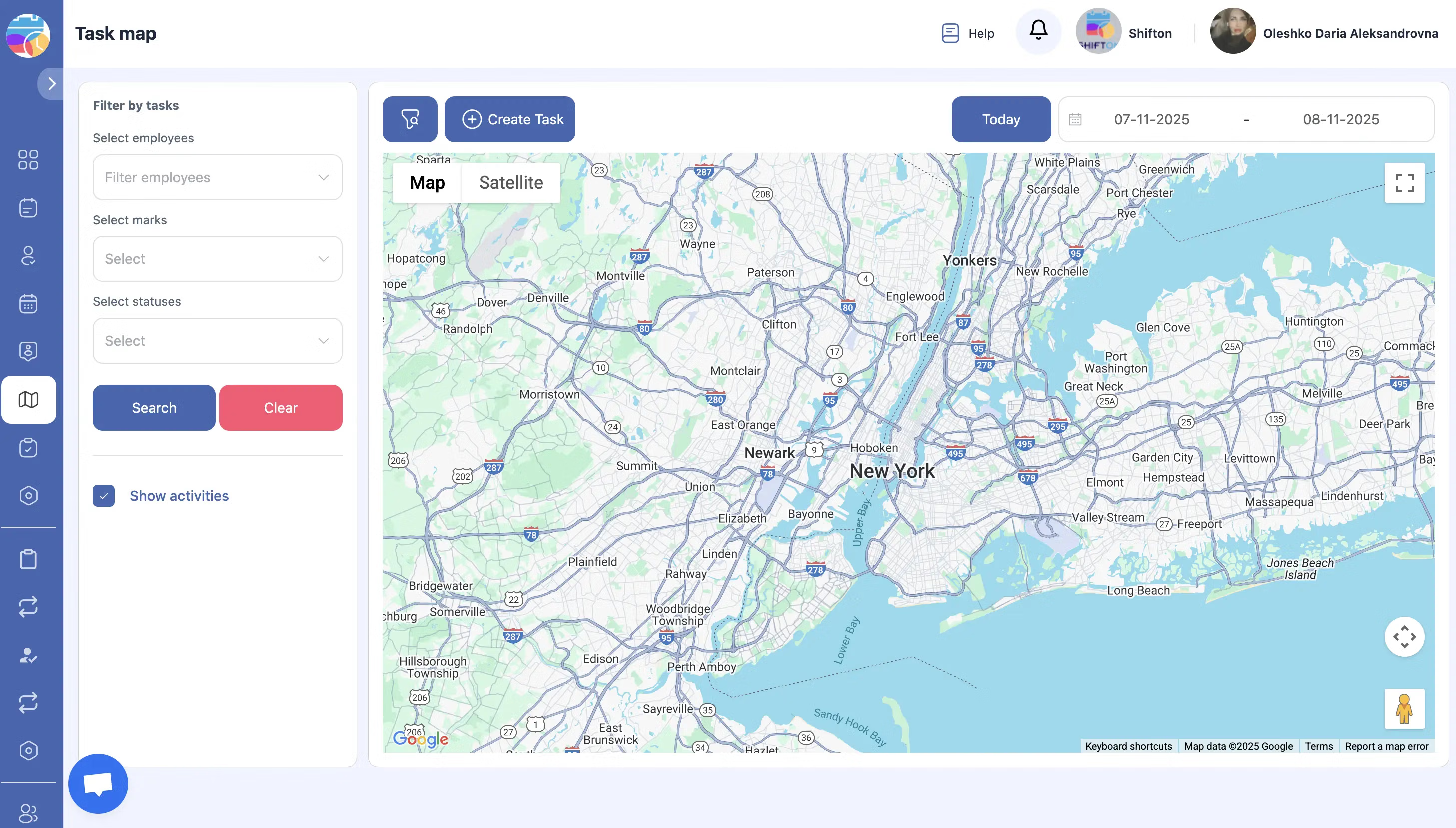
The system, not the address, is what you service
A water treatment business maintains equipment: softeners, filters, reverse osmosis units, dosing systems. Each has a model, a service interval and a history, and dispatching against the building loses all three the moment a site has more than one unit.
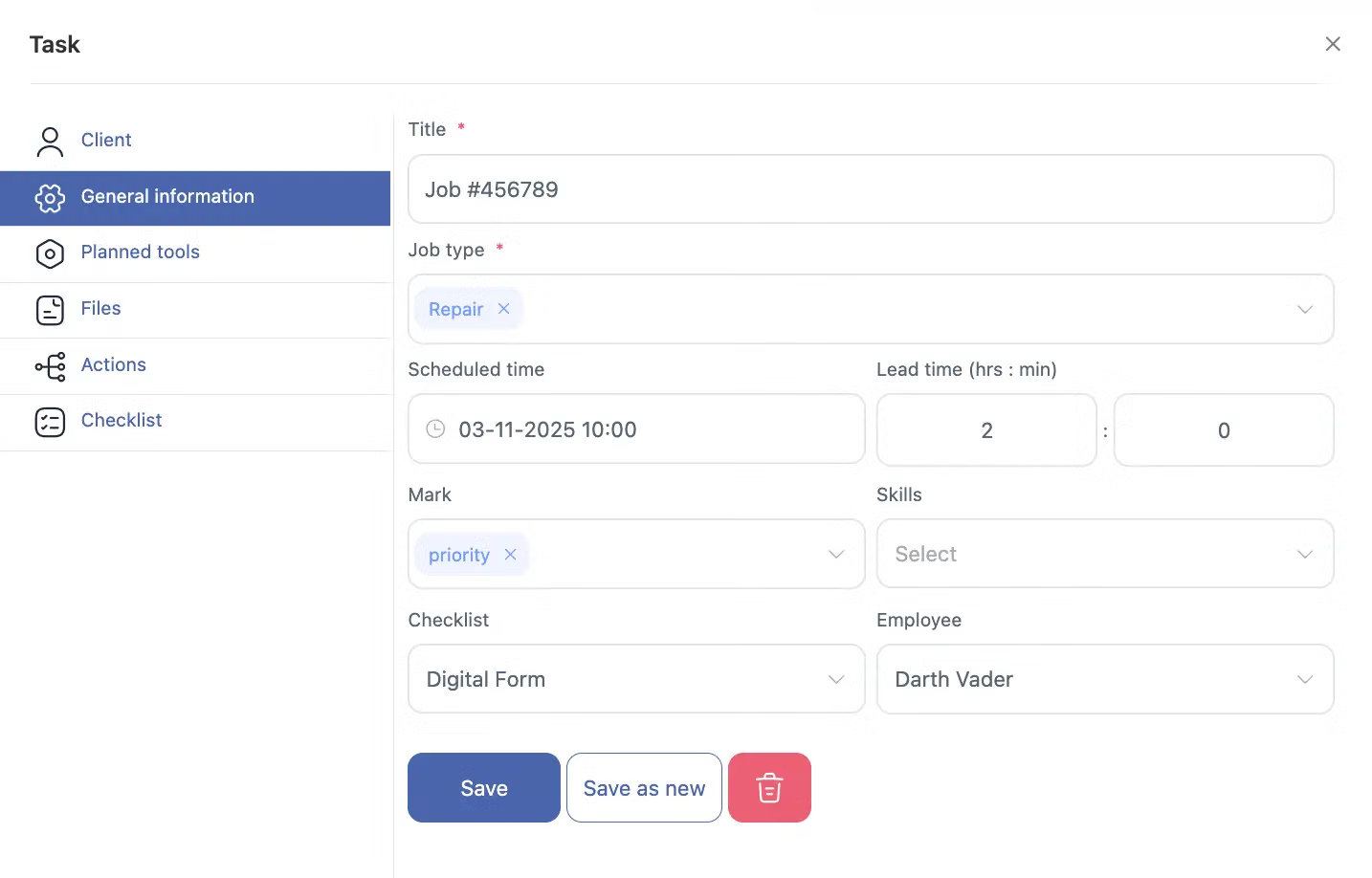
Consumables are the recurring revenue
Cartridges, media, salt and membranes are consumed on a cycle, and that cycle is the business model. Visits that generate themselves keep the revenue; visits that depend on somebody checking a list lose it quietly, one customer at a time.
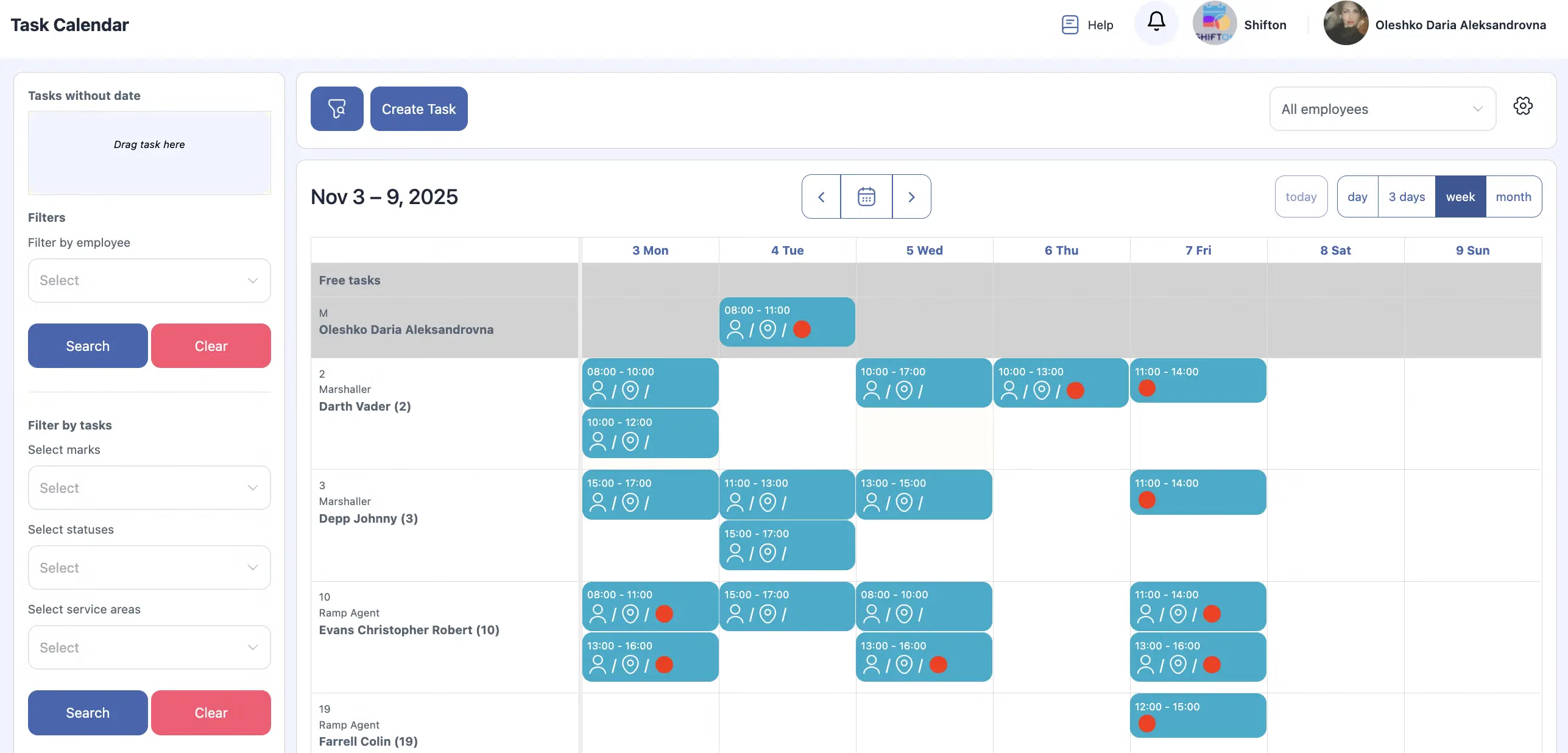
Readings and tests belong on the job
Hardness, TDS, pressure, salt level, chlorine: an engineer takes readings at the unit and they mean something only in sequence. Written on a job sheet in a van, they are numbers. Attached to the system, they are a trend.
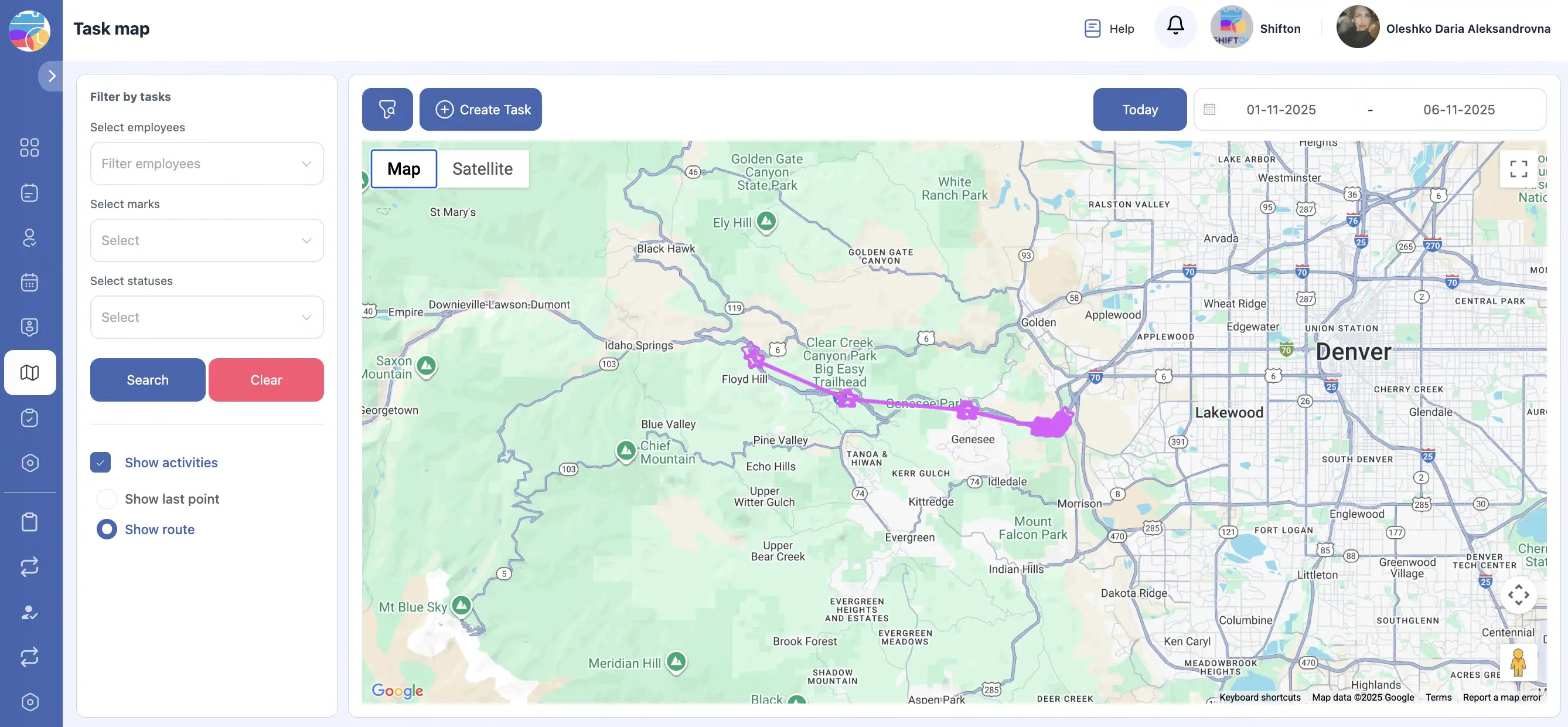
Installs, breakdowns and the hours between them
The work mixes planned service with installations and emergency callouts, and they compete for the same engineers. Keeping them on one board is what makes the trade-off visible when an urgent job displaces a scheduled one.
Start with the Free Plan
No time limits. Get full access to core features and upgrade when you're ready.
Read the full guide to servicing water treatment systems
Why equipment service businesses fail on scheduling rather than on engineering
Water treatment is a straightforward technical trade with an awkward commercial shape. The installation is a one-off sale. The revenue that keeps the business alive comes afterwards, in small recurring amounts, from visits that nobody is asking for and that the customer will not chase.
That makes the service schedule the single most valuable asset in the company. A firm with four hundred installed systems has four hundred annuities, and every one of them is cancelled silently by a missed visit that nobody noticed.
The record has to belong to the equipment
Because customers move
Properties change hands, businesses relocate, tenants change. The unit stays where it is and keeps its history. Filing service records under a customer name produces an orphan system the first time somebody sells a house.
Because sites hold several units
A commercial site can have a softener, a filtration train and a dosing system on different intervals. A job raised against the address tells the engineer nothing about which one is due.
Because readings only mean something in sequence
Hardness creeping up over three visits is a resin bed reaching the end of its life. The same number in isolation is noise. The trend exists only if the readings are stored where the next engineer will find them.
Planned, reactive and the conflict between them
Emergency work pays better and arrives without notice. Planned service pays modestly and can always be moved. The predictable result is that planned visits slip until they stop happening, and the recurring revenue erodes without any single decision being made to let it go.
Keeping both on one board does not resolve the tension, but it makes it visible. When a callout is placed into a route, the visit it displaced is obvious, and the office can decide rather than discovering the consequence in next quarter's numbers.
Consumables, stock and margin
Cartridges, media and membranes are the cost of the service visit, and they are easy to lose track of. Engineers carry stock, fit what is needed, occasionally fit something more expensive than the visit was priced for, and the difference only appears in an annual stock count.
Recording what was fitted against the system closes that gap. It also answers the question customers ask most often, which is what was changed last time and whether it is due again.
What Shifton Field Service is
Workforce and job software for service businesses. It holds the system record, generates recurring visits, carries the job and its forms to the engineer, captures readings and evidence on site, and turns the result into hours, invoices and reports. Two engineers or fewer carry no cost at all, with no time limit, for the system records, scheduling, the app, forms and reporting; the paid modules are inventory, invoicing, location control and the customer portal.
It is not a water quality management system, a legionella compliance platform or a laboratory information system. Where a site has statutory obligations, those are met with the records the regulator specifies; this holds the operational history of the equipment and the visits.
Frequently Asked Questions
Can jobs be raised against a specific unit rather than a site?
Yes. The job carries the system it belongs to, with its model, serial, install date and service history, which matters as soon as a customer has more than one unit on the same premises.
Can service visits be generated from the service interval?
Recurring jobs produce planned visits ahead of time on the cycle each system runs to, each with its own checklist and parts. Systems falling overdue are visible on the board.
Where are test results recorded?
In the mobile app at the equipment. Readings stay attached to that system, so the engineer attending next sees the sequence rather than a single measurement taken on the day.
Is a plant room without coverage a problem?
No, and it is the normal case for this trade. Readings and forms are entered on the phone at the equipment and upload when the engineer is back in signal.
Can we track consumables used per system?
Parts fitted are recorded against the unit, and stock carried on the van is covered by the Inventory module, which is a paid addition. Together they show consumption against what was ordered.
Does it handle emergency callouts alongside planned service?
Both sit on the same board, so an urgent breakdown can be placed into the route that is genuinely nearest and the office can see which planned visit it displaced.
Is this a water quality compliance system?
No. It records the readings your engineers take and the work they did. Water quality standards, legionella control regimes and any statutory testing obligations are defined by your regulator, and this does not replace the records those require.


Ready to transform your field operations?
Join thousands of field service companies that trust Shifton to run smarter every day.