

Septic Business Software for Pumping and Service Routes
Pumping rounds, emergency call-outs and inspections on one board, with the tank details, the volume and the disposal record on the job.

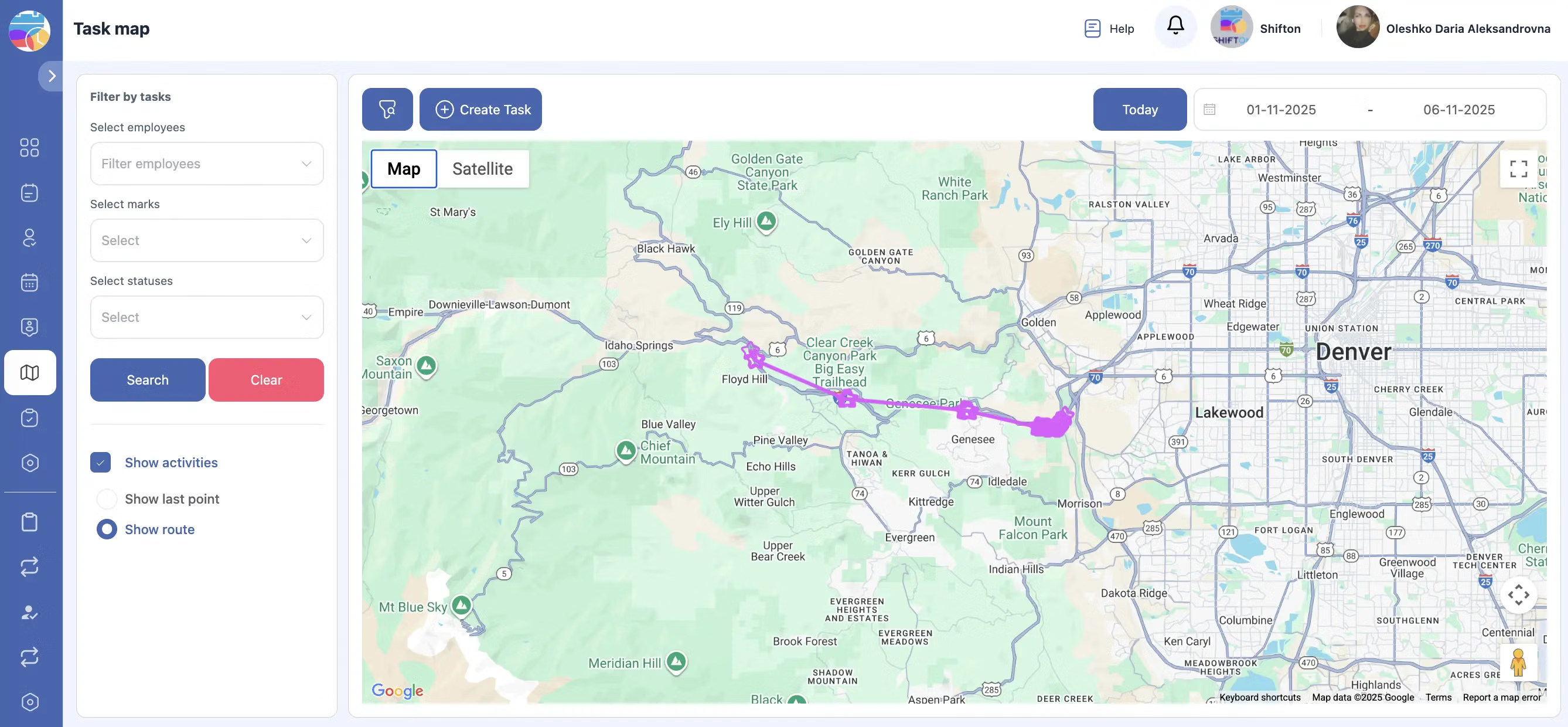
A tanker day is a routing and capacity problem
A septic round is limited by two things: how far the tanker drives and how much it can hold before it has to go to the disposal site. Plan the day by appointments alone and the truck fills up two properties early, which turns into an unplanned round trip and a customer who was promised an afternoon slot.
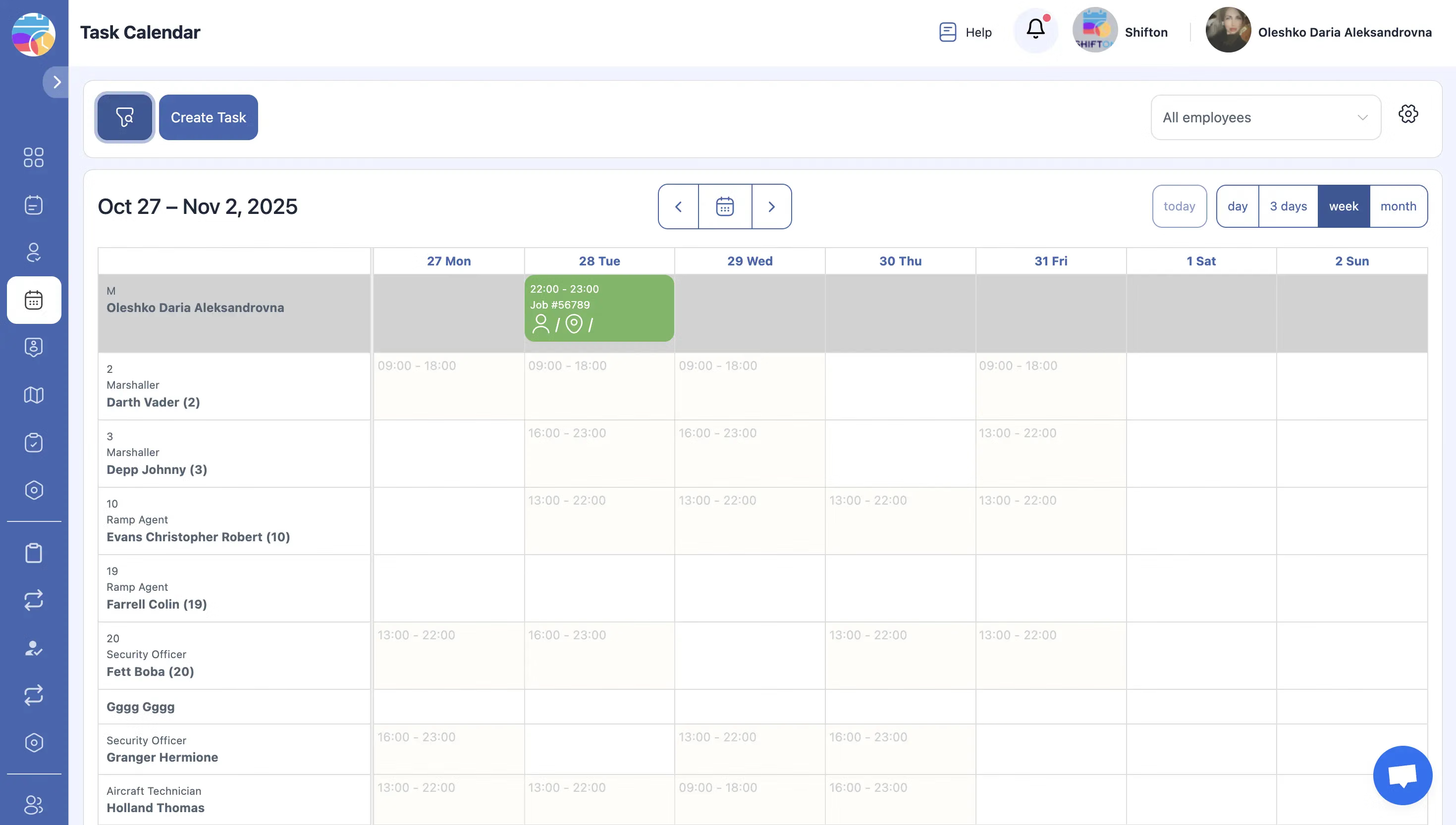
The property record makes the visit predictable
Tank size, lid location, whether the drive takes a tanker, how much hose is needed, the dog, the gate. Recorded once on the property, this is the difference between a routine empty and a driver walking round a garden looking for a lid.
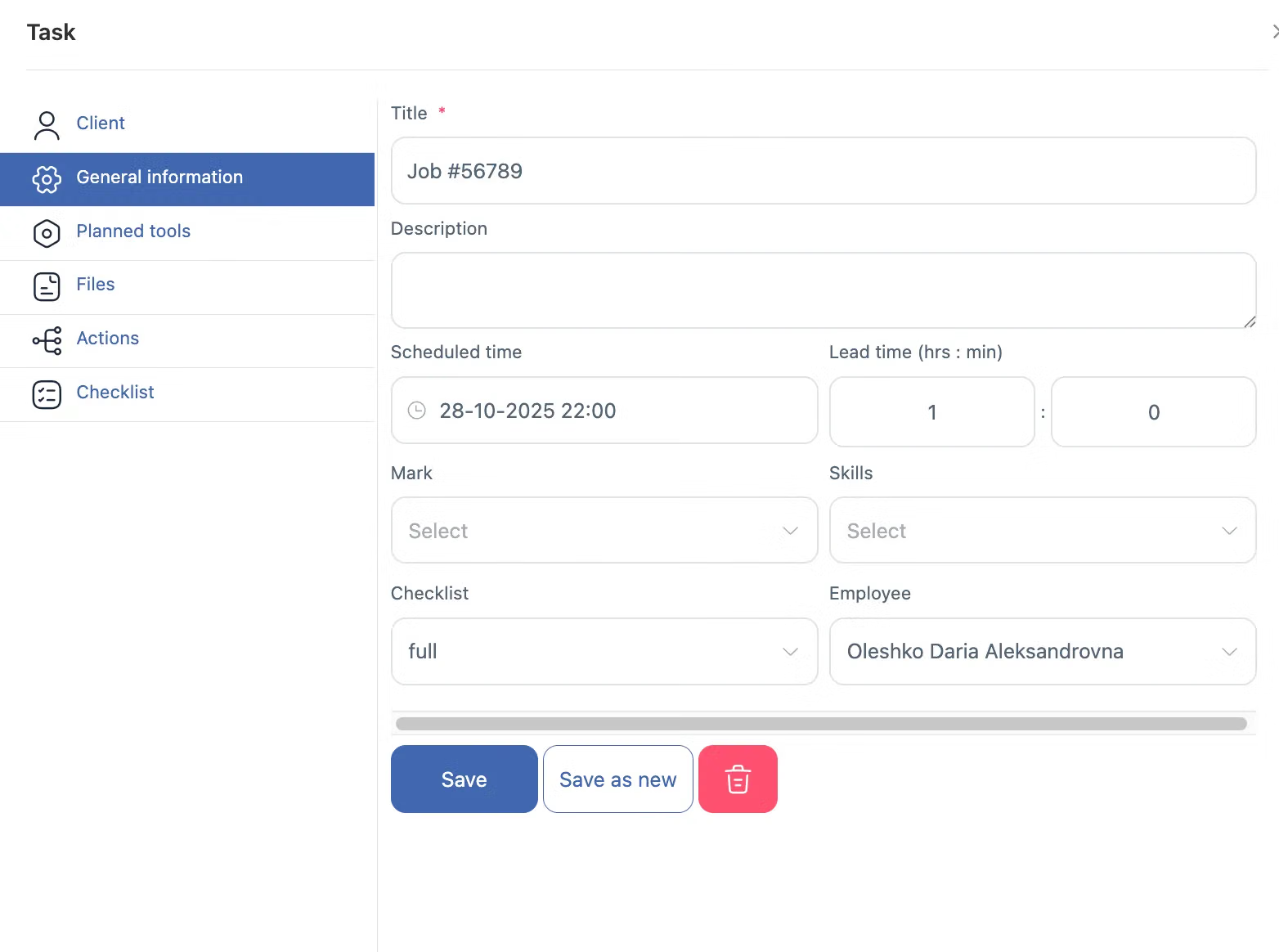
Volumes, disposal and the paperwork that follows waste
Waste has to be accounted for from the tank to the disposal point. Recording volume and destination on the job builds that trail as the work happens rather than reconstructing it from tickets in a cab at the end of the week.
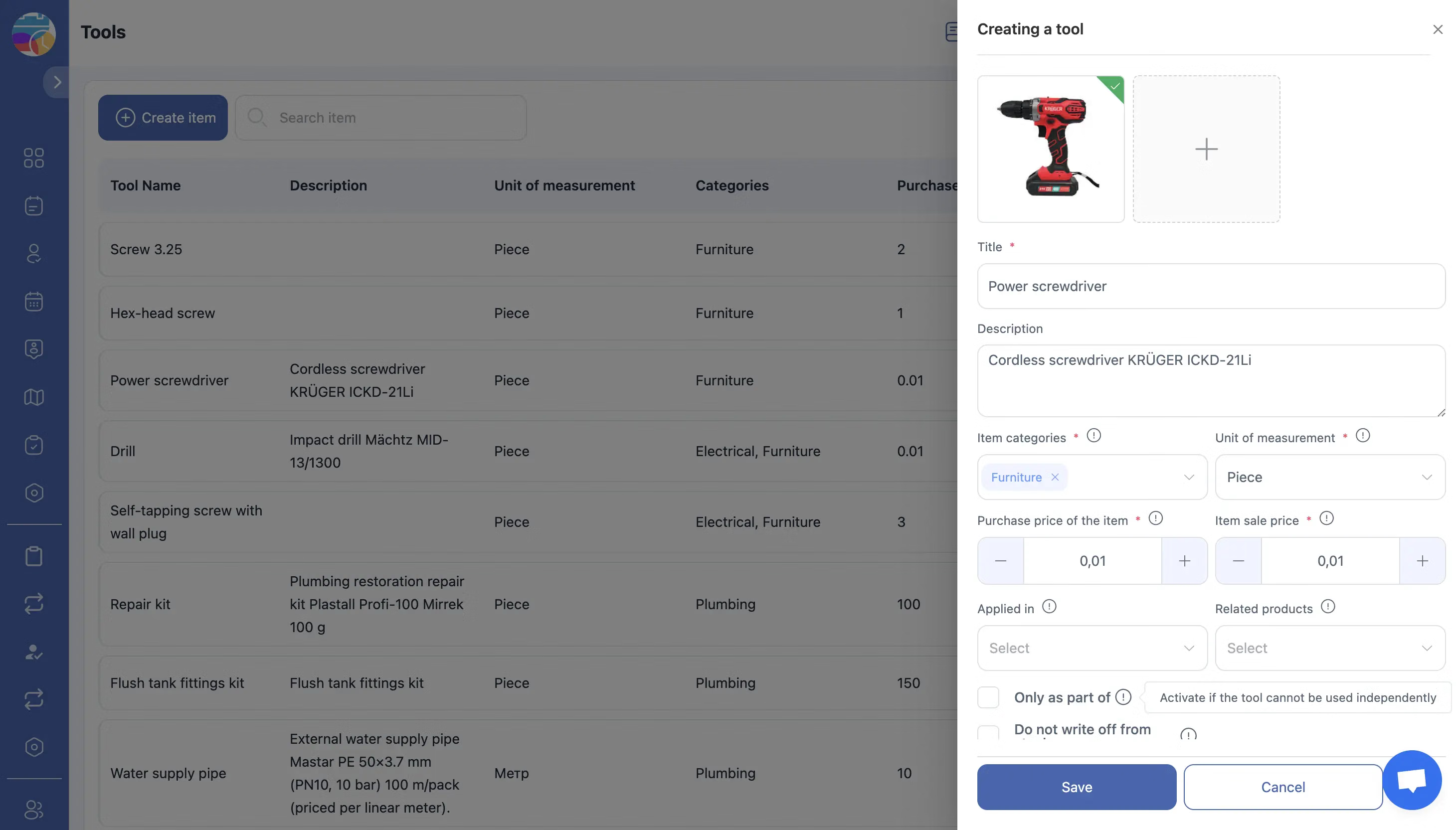
The next empty is the next sale
Most septic revenue is repeat revenue, and most of it is lost by not asking. A tank emptied on an interval should generate its own next appointment, so the round refills itself instead of depending on customers remembering.
Start with the Free Plan
No time limits. Get full access to core features and upgrade when you're ready.
Read the full guide to septic business software
The constraint nobody schedules around
Most route businesses are limited by time. A septic business is limited by time and by volume, and the second constraint is the one that ruins days. A tanker that fills at the fifth property of eight has to drive to a disposal site and back, and that round trip was not in anybody's plan. The customers at properties six, seven and eight find out by waiting.
Planning the day with disposal runs in it, rather than as an unfortunate surprise, is the single biggest scheduling improvement available in this trade. It is also the one most software ignores, because appointment calendars have no concept of a truck being full.
Rural work punishes missing information
Septic properties are usually not on main roads. The drive is long, the access is awkward, and the lid is under a slab that somebody landscaped over in 2018. A driver who knows the tank size, the hose distance and where the lid is completes the job in the time it was priced for. A driver who does not spends twenty minutes discovering it, and the whole round moves.
None of that information is hard to capture. It just has to be captured once, on the property, rather than living in the memory of whoever last went there.
Waste has a paper trail whether you keep one or not
Volumes removed and where they were taken are recorded because they must be. The only question is whether the record is made as the work happens, on a phone, or reconstructed on a Friday from tickets in the footwell of a cab. The second version is slower, less accurate and considerably less convincing when somebody asks for it.
Recurring work is the whole business model
A tank emptied on a two-year cycle is a customer for decades if somebody schedules the next visit. Left to the customer to remember, it becomes a lead that a competitor gets when the tank backs up. Recurring scheduling turns that from a marketing problem into an operational default.
The same record makes the emergency work better too. When a call comes in from a property you last emptied fourteen months ago, knowing the tank size and the history changes the conversation immediately.
What to check before buying
Can the round be planned in driving order. Can capacity and disposal be part of the plan. Can a driver complete a job on a phone with no signal, including a photograph. Can the next service be scheduled automatically. Those four cover the trade.
Starting free
A one-truck business runs free with no time limit: scheduling, digital job forms, the mobile app and reports are included.
Modules are added when they earn it: invoicing when billing takes too long, inventory for filters and consumables, location control when several trucks are working the same county. Each carries a free trial of up to 55 days.
Each part is documented: task management and dispatch, the mobile app, digital job forms, client records, invoicing and reports. Prices are on the pricing page.
Frequently Asked Questions
Can the round be planned around tanker capacity?
The day is planned in route order with disposal runs treated as part of it rather than as an interruption. That is what stops a tanker filling up two properties before the end of the route and forcing an unplanned trip to the disposal site.
Are tank details kept per property?
Yes. Tank size and type, lid location, access notes, hose distance and photographs from previous visits stay on the property record, so a driver who has never been there before works as efficiently as one who has.
Can we record volumes removed and where the load went?
Each job records the volume removed and the disposal destination, so the trail from property to disposal point is built as the work happens instead of being reconstructed from tickets at the end of the week.
Does the app work at rural properties with no signal?
The mobile app for iOS and Android holds the job, the checklist and the photos on the device and syncs when the phone reconnects, which matters in a trade that spends most of its time outside coverage.
Can the next empty be scheduled automatically?
Yes. Recurring visits are set per property at the right interval, so the next service appears on the board without anyone remembering to book it. That is the cheapest way to keep a pumping round full.
Is septic software practical for one truck?
Teams of two or fewer run free with no time limit, including scheduling, digital job forms, the mobile app and reports. Paid modules such as invoicing, inventory and location control are added when a second tanker arrives.
What does septic tank service software cost?
The free plan covers up to two employees permanently and pricing above that is per employee per month. Every paid module carries a free trial of up to 55 days, which is long enough to run a full service cycle through it.



Ready to transform your field operations?
Join thousands of field service companies that trust Shifton to run smarter every day.