

Remodeling Software for Crews, Sites and Snagging
Multi-week projects, trade sequences and snagging visits on one board, with the scope, the hours and the site photos on the job.

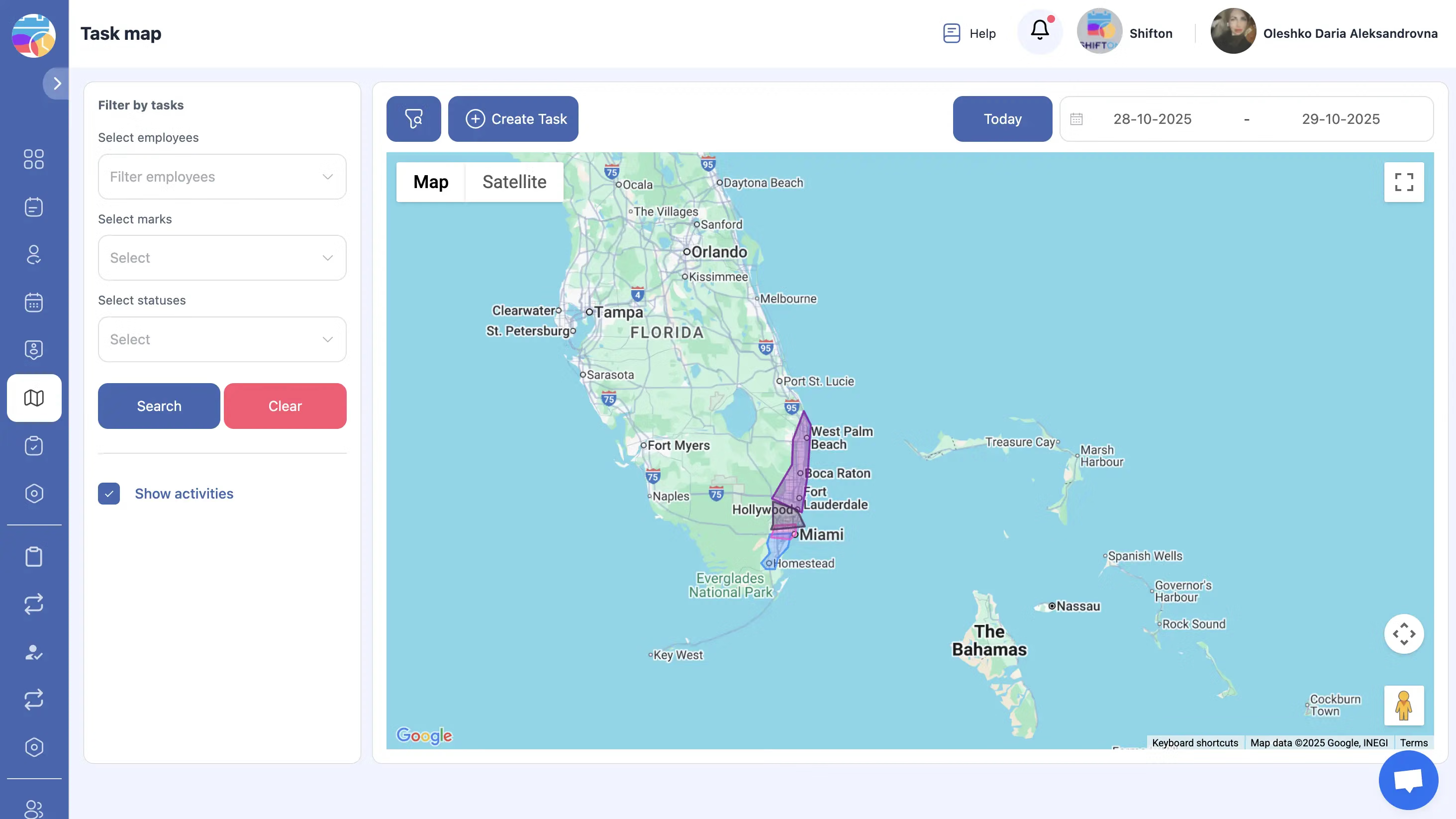
A project is a sequence of days, held by people
A kitchen or a bathroom is not a job, it is a chain of trades where each depends on the one before. Strip out, first fix, plaster, second fix, decoration, snagging. The plan lives or dies on whether the office can see where each site actually is today, not where it was supposed to be on Monday.
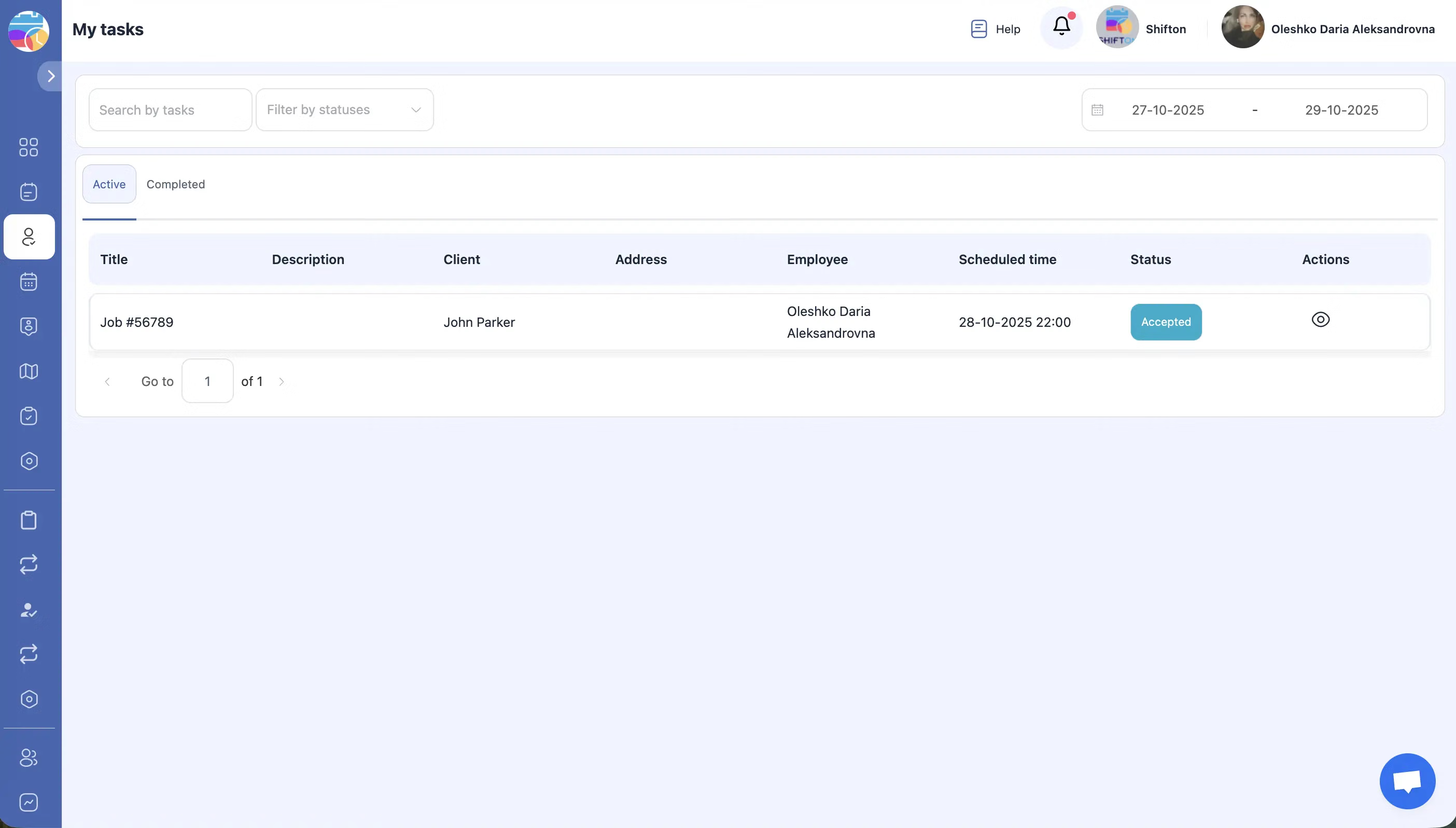
The scope reaches the people doing the work
What is included, what the customer is supplying, which wall is coming out, which tiles were chosen, what was agreed as an extra on Tuesday. Every remodeling dispute starts as a scope that lived in an estimator's head and never reached the site.
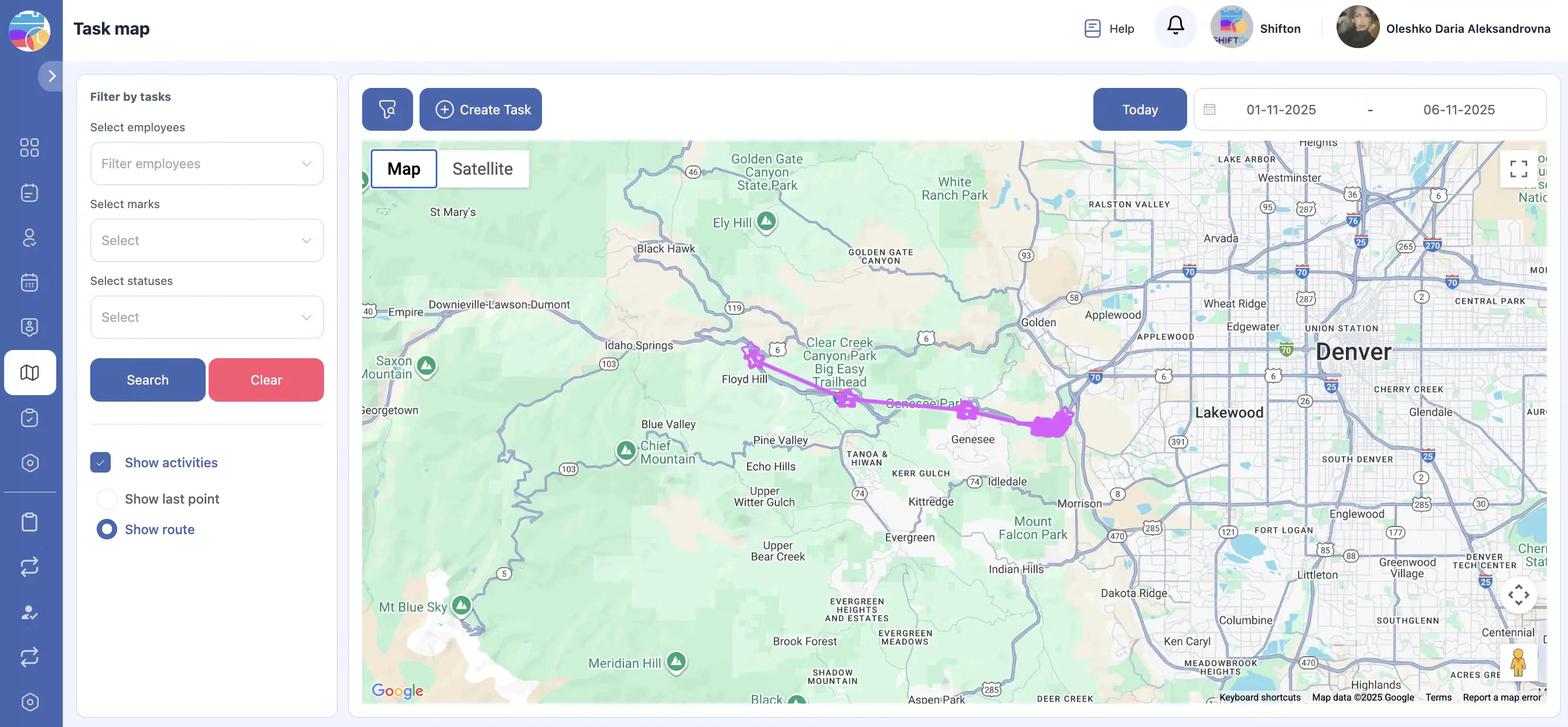
Hours and materials against the site they belong to
Project margin is decided by two numbers nobody has until the end: hours worked on that site and materials consumed there. Recorded as the work happens, both become weekly facts and the estimate for the next kitchen gets better.
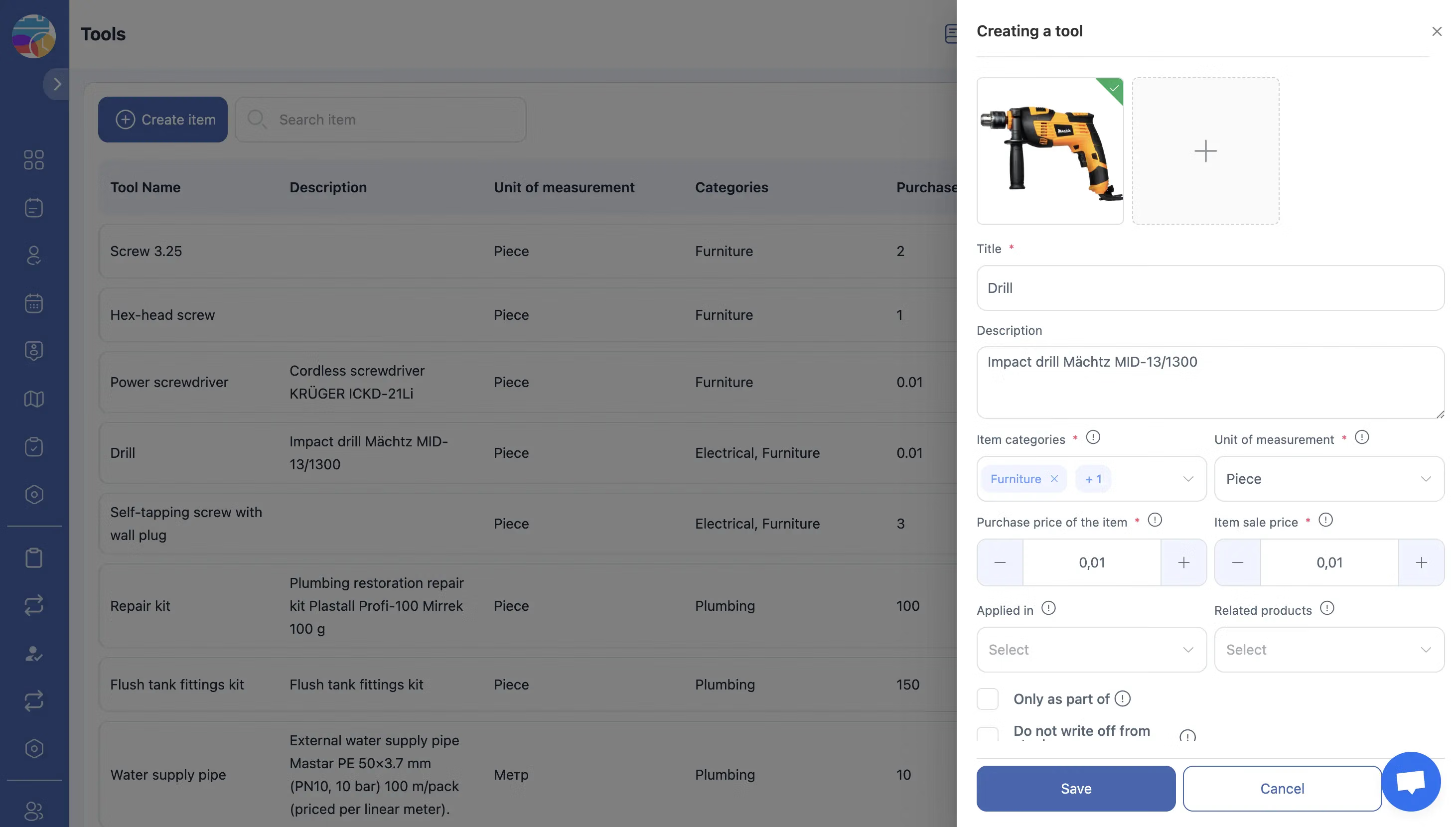
Snagging, sign-off and the final payment
The last payment on a remodeling job waits behind a snag list. Recorded on site with photographs, agreed with the customer and scheduled as a return visit, that list closes in days instead of weeks.
Start with the Free Plan
No time limits. Get full access to core features and upgrade when you're ready.
Read the full guide to remodeling software
The sequence is the whole job
A remodeling project is a chain of dependencies wearing the disguise of a booking. The plasterer cannot start until the first fix is done and inspected. The kitchen fitter cannot start until the plaster is dry. The decorator cannot start until the fitter is out. Each link is fine on its own and the chain breaks constantly, because every trade is also working on somebody else's project.
This is why a diary entry that says kitchen, three weeks is useless. What the office needs to see is which stage each site is on today, and what happens to the following stages when one of them slips.
Scope is the source of every dispute
Remodeling arguments almost never start with workmanship. They start with expectation. The customer believed the price included making good the hallway. The estimator meant the room only. Neither of them wrote it down where the crew could see it, so the crew did what seemed reasonable and somebody is now unhappy.
Variations have to be recorded on the day
A homeowner asking for one more socket while the walls are open is normal and reasonable. It is also chargeable. Recorded on the job with a photograph, on the day, it is a line on the final invoice that nobody disputes. Agreed verbally on a dusty Tuesday, it becomes a conversation at the end of the project where the customer sincerely does not remember it.
Hours per site is the number that improves estimates
Most remodeling firms estimate from experience and cannot say, afterwards, whether a particular project made money. That is because hours are recorded against a payroll week rather than against a site, so the labour cost of a specific bathroom is unknowable from the moment it is paid.
Recording time against the project changes the next quote. After a handful of jobs you know what a bathroom of a given size actually takes, which trades routinely overrun, and which types of property carry hidden work. That is worth more than any estimating template.
Materials on the site that used them
Deliveries arrive at sites and leave them again in vans. Without a record, materials are attributed to whichever job the invoice happened to be raised against, which is roughly random. Recording what was used where turns the material line into something that can be compared to the quote.
Snagging is where the last payment lives
The final ten per cent of a remodeling job is worth a disproportionate amount of stress, because it holds the final payment. A snag list agreed on site with photographs and scheduled as a return visit closes in days. The same list mentioned verbally, carried in somebody's head and fitted in around other work drags on for weeks and sours a customer who was, until then, happy.
What to look for
Can a project be held as stages rather than a block. Can the scope and the survey photographs reach the crew. Can a variation be recorded in under a minute on site. Can hours and materials be attributed to the project. Can the final invoice be built from all of it.
Starting free
A two-person business runs free with no time limit: scheduling, digital job forms, the mobile app and reports are included, which is enough to run one site properly and see whether the approach fits.
Paid modules follow the need, each with a free trial of up to 55 days: inventory for materials, invoicing to bill from the job, location control when several sites are running, the customer portal when clients want visibility of progress.
Each part is documented separately: task management, digital job forms, the mobile app, job history, invoicing and reports. Prices are on the pricing page.
Frequently Asked Questions
Can a remodeling project be scheduled as stages?
Yes. Strip out, first fix, plaster, second fix and decoration are held as separate scheduled jobs against the crews doing them, so a delay in one stage shows immediately what it does to everything that follows on that site.
How do variations agreed on site get recorded?
The crew records the extra work on the job while they are there, with a photograph if it helps. It stays attached to the project and is carried into the invoice, which is the difference between billing variations and arguing about them.
Can we see hours and materials per project?
Hours are recorded against the site rather than against the payroll week, and materials are recorded against the job that used them. Reports then compare the estimate with what the project actually consumed.
Does the app work in an empty property with no signal?
The mobile app for iOS and Android keeps the job, the checklist and the photos on the device and syncs when a connection returns, which covers empty properties and new builds.
How is the snag list handled at the end of a project?
The snag list is recorded on the job during the walk round with photographs, and the return visit is scheduled as its own job. When the snags are cleared the customer signs on the device and the project can be invoiced.
Is this practical for a small remodeling business?
Teams of two or fewer run free with no time limit, including scheduling, digital job forms, the mobile app and reports. Paid modules such as inventory, invoicing and location control are added when there is more than one site running.
What does remodeling software cost here?
The free plan covers up to two employees permanently and pricing above that is per employee per month. Every paid module carries a free trial of up to 55 days, which covers a full project from strip out to snagging.



Ready to transform your field operations?
Join thousands of field service companies that trust Shifton to run smarter every day.