English
  Español
  Português
  Deutsch
  Français
  Italiano
  日本語
日本語  中文
中文  हिन्दी
  עברית
עברית  العربية
  한국어
한국어  Nederlands
  Polski
  Türkçe
  Українська
  Русский
  Magyar
  Română
  Български
  Čeština
  Ελληνικά
  Svenska
  Dansk
Dansk  Norsk
Norsk  Suomi
Suomi  Bahasa
  Tiếng Việt
  Tagalog
  ไทย
ไทย  Latviešu
  Lietuvių
  Eesti
Eesti  Slovenčina
  Slovenščina
  Hrvatski
  Македонски
  Қазақ
Қазақ  Azərbaycan
  Afrikaans
  বাংলা
বাংলা 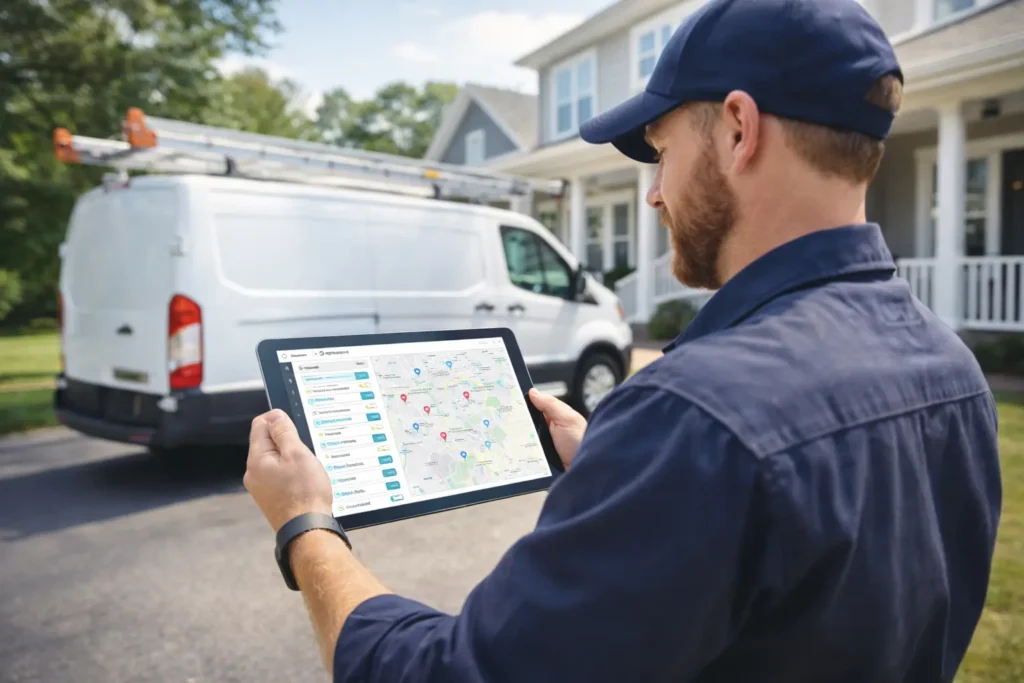
When an HVAC business is busy, the hardest part is not the repair. It is keeping every call organized. One late technician, one missed address, or one double-booked slot can turn a good day into angry customers and stressed staff.
Dispatch is where the whole day either stays smooth or falls apart. Owners want a clear plan, dispatchers want fewer phone calls, and technicians want jobs that are easy to understand and easy to close out.
This is exactly where Shifton Field Service helps. It gives you one place to schedule, dispatch, track, and report field work so your team can move faster without losing quality. If you serve heating and cooling customers every day, this kind of control quickly turns into fewer mistakes and more completed jobs.
What dispatchers and technicians need every day
HVAC teams deal with a mix of planned visits and urgent calls. Some jobs are quick, some run long, and some require a return visit with parts. On top of that, you have season spikes where the schedule changes every hour. A dispatcher needs to see who is available, who is nearby, what skills each tech has, and what is already promised to customers.
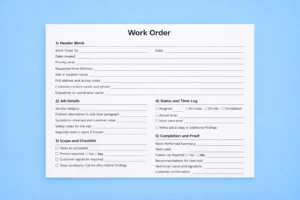
Technicians need job details that are complete the first time. Address, contact, access notes, model information, and the exact problem description. When details are missing, the tech calls the office. The office calls the customer. Everyone loses time.
A good dispatch process also needs accountability. You want to know when the technician arrived, what was done, what was recommended, and what the customer approved. That should not live in random messages or scattered notes. It should be connected to the work order and easy to report on later.
hvac dispatch software that reduces delays and missed calls
HVAC dispatch software is most useful when it turns daily coordination into a simple workflow. Shifton helps you create jobs, assign them to the right people, and track progress in real time. Dispatchers can plan the day, react to emergency calls, and keep customer expectations realistic with clear time windows.
Instead of guessing, you can view active jobs, job status, and technician availability from one dashboard. When something changes, you update it once and the whole team sees the same truth. That means fewer misunderstandings, fewer repeat calls to the office, and fewer surprises at the end of the day.
If your business serves heating repairs, AC maintenance, installs, and diagnostics, you can also use the same system for both one-time and recurring work. That keeps preventive maintenance from getting forgotten when the emergency calls come in.
Scheduling and workload balancing that actually fits HVAC work
HVAC scheduling is not just placing names on a calendar. It is matching skills and time to the right job. Some work needs a senior technician. Some installs need two people. Some jobs must happen within a narrow time window because a customer is home only after work.
With Shifton, you can plan schedules that consider real capacity. Dispatchers can assign jobs based on availability and workload, while team leads can avoid stacking complex jobs back-to-back. When the schedule is realistic, technicians arrive calmer and customers get better service.
This also helps with fairness and performance. If one technician is always overloaded while another has gaps, quality drops and turnover goes up. A clear schedule makes it easier to balance the day and keep everyone productive without burning out. For teams that run late calls or overnight coverage during peak season, even a simple sleep schedule for 12-hour night shifts can help reduce fatigue and prevent avoidable mistakes.
Routes, travel time, and realistic ETAs for customers
In HVAC, travel time is invisible cost. If you do not control routing, your team spends too much time driving and too little time fixing. Better routing also improves customer trust because you can give a more accurate arrival time.
Shifton supports route planning and location awareness so dispatchers can reduce unnecessary miles. When an urgent call comes in, you can assign the closest qualified technician instead of sending whoever is next on a list. That can cut response times during peak season and help you win repeat business.
Choosing hvac dispatch software for urgent same-day calls
Same-day work is where dispatch decisions matter most. You need to see the full picture fast: which technician is free soon, who is nearby, and who has the right skills for the issue. A clear dispatch view helps you make a confident choice instead of guessing and hoping it works out.
When you dispatch with real-time visibility, you also avoid the classic trap of overpromising. Customers hear a realistic window, and your team has the breathing room to handle surprises like extra diagnostics or parts runs.
To learn how Shifton supports HVAC teams specifically, visit the HVAC service industry page and match the workflow to your daily job types.
Customer updates, proof of work, and clean handoffs
Many HVAC complaints are not about the repair. They are about communication. Customers want to know when the technician is coming, what happened, and what is next. If the office is chasing updates all day, you lose focus and time.
Shifton helps you keep a clean flow of updates with job statuses and digital notes. Technicians can confirm arrival, document the work, and share results without long phone calls. That makes it easier for dispatchers to answer customers quickly because they can see what is happening right now.
Proof of work also matters for trust and billing. A structured job record with notes, photos, checklists, and customer sign-off reduces disputes. It also makes return visits easier because the next technician can see what was done last time and what parts were involved.
Reporting that shows where you win and where you leak money
HVAC businesses often grow faster than their reporting. You can feel that you are busy, but you cannot always see which jobs are profitable, which technicians need support, or where delays come from.
With clear reporting, you can spot patterns: jobs that take longer than expected, routes that waste time, repeat visits caused by missing parts, or customer segments that bring too many low-margin calls. When you have that data, you can adjust scheduling, training, and service packages.
Shifton gives you structured data from daily operations so reporting is not a separate project. Jobs, time, status changes, and team activity feed into simple analytics you can use to make decisions.
Modules that matter for HVAC dispatch and daily operations
Below are Shifton modules that are especially useful for HVAC company owners, dispatchers, and technicians. The goal is simple: fewer manual steps, fewer mistakes, and a smoother day for everyone.
Tasks
Use tasks to standardize work orders and ensure key steps are never missed. Dispatchers can assign tasks with due times, and technicians can follow clear checklists on-site and close work with confidence.
Schedule Management
Build daily and weekly schedules that match real capacity. This helps you handle peak season demand, avoid double-bookings, and keep workloads balanced across the team.
Time Tracking and Timesheets
Track time spent on jobs and travel in a consistent way. This supports payroll accuracy and helps you understand how long job types truly take.
Mobile Access
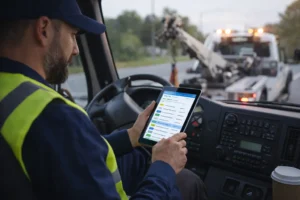
Give technicians everything they need on-site: job details, customer notes, status updates, and job completion flow. This reduces office calls and improves speed.
Notifications
Send the right reminders to keep work moving. Dispatchers can reduce manual follow-ups and technicians stay aligned with schedule changes.
Reports and Analytics
Turn daily job activity into readable insights. Use reports to improve response times, reduce repeat visits, and understand productivity without guessing.
If you want to test the workflow with your own team, Shifton offers up to 55 days free trial so you can see if dispatch, scheduling, and job tracking feel simpler in real operations.
How to start in one afternoon
Start small and build from there. The fastest way is to set up a basic dispatch flow first, then add more detail once the team is comfortable.
Step 1: Create your team and roles
Add dispatchers, technicians, and managers so each person sees what they need.
Step 2: Set your job types and basic workflow
Define common HVAC jobs like maintenance, repair, and install. Keep statuses simple at first.
Step 3: Start dispatching real jobs
Create work orders, assign them, and track status changes during the day.
Step 4: Add checklists and proof of work
Introduce job notes, photos, and a consistent completion process to reduce mistakes.
Step 5: Review reports weekly
Use real data to refine schedules, staffing, and response strategy.
When you are ready, сreate an account and start building your dispatch flow with your current team size.
FAQ
How is HVAC dispatch different from regular scheduling?
Dispatch is the live part of scheduling. Scheduling is the plan, dispatch is the moment-to-moment decisions when calls change, jobs run long, or emergency work appears. HVAC needs dispatch that can adapt fast.
What should an HVAC dispatcher track during the day?
At minimum: technician availability, job status, travel time, priority level, and customer time windows. A clear dashboard makes this easier than chasing updates by phone.
Can dispatch help reduce repeat visits?
Yes, if work orders include complete details, checklists, and job history. When technicians know what happened before and what is required now, they make fewer mistakes and return visits drop.
Do technicians need to be tech-savvy to use dispatch tools?
They should not. The best tools keep it simple: see the job, follow steps, update status, and close it out. Clear mobile access removes confusion.
Should small HVAC companies use dispatch tools too?
Small teams often benefit the fastest because the owner is doing everything. A simple dispatch flow reduces admin work, helps avoid missed calls, and keeps jobs organized as you grow.
How do I choose the right setup for my HVAC team?
Start with the basics: work orders, scheduling, dispatch view, and technician updates. Add reporting and more structure once the team is comfortable. The right setup is the one your team will actually use every day.