

Pool Service Software for Routes and Chemistry
Weekly routes, repairs and openings on one board, with the readings, the chemicals and the photos recorded at the pool.

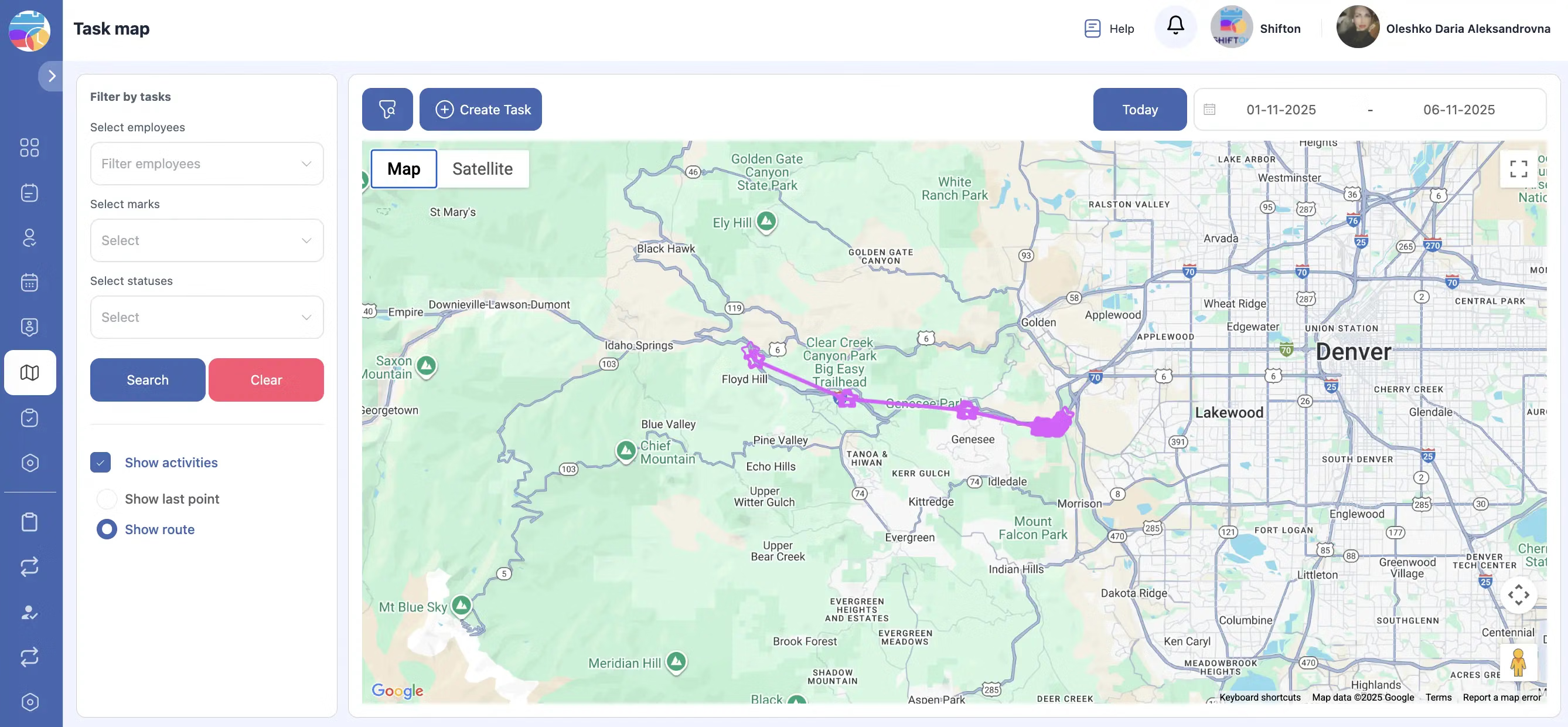
The route is the product
Pool service is a route business with a chemistry problem attached. The same properties, the same order, every week, and the margin is decided by the driving. A route that grew by adding customers wherever they signed up costs a technician an hour a day, and nobody sees it because the hour is spent in a truck.
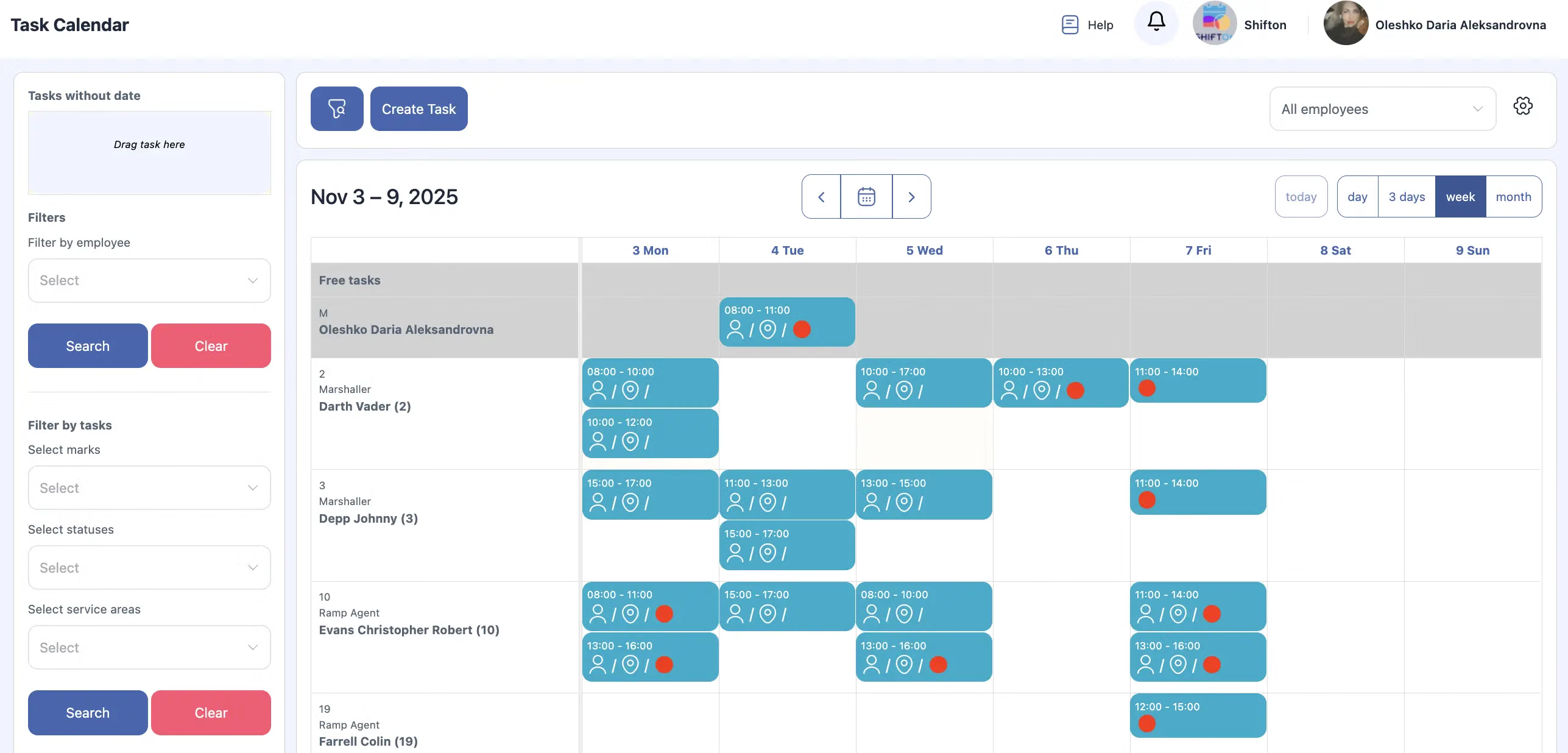
Readings and doses recorded at the pool
Chlorine, pH, alkalinity, stabiliser: numbers taken at the pool and written on a pad, then typed up or, more often, not. Recorded on the job in the mobile app they become a history per pool, which is what turns a service call into an explanation the customer can follow.
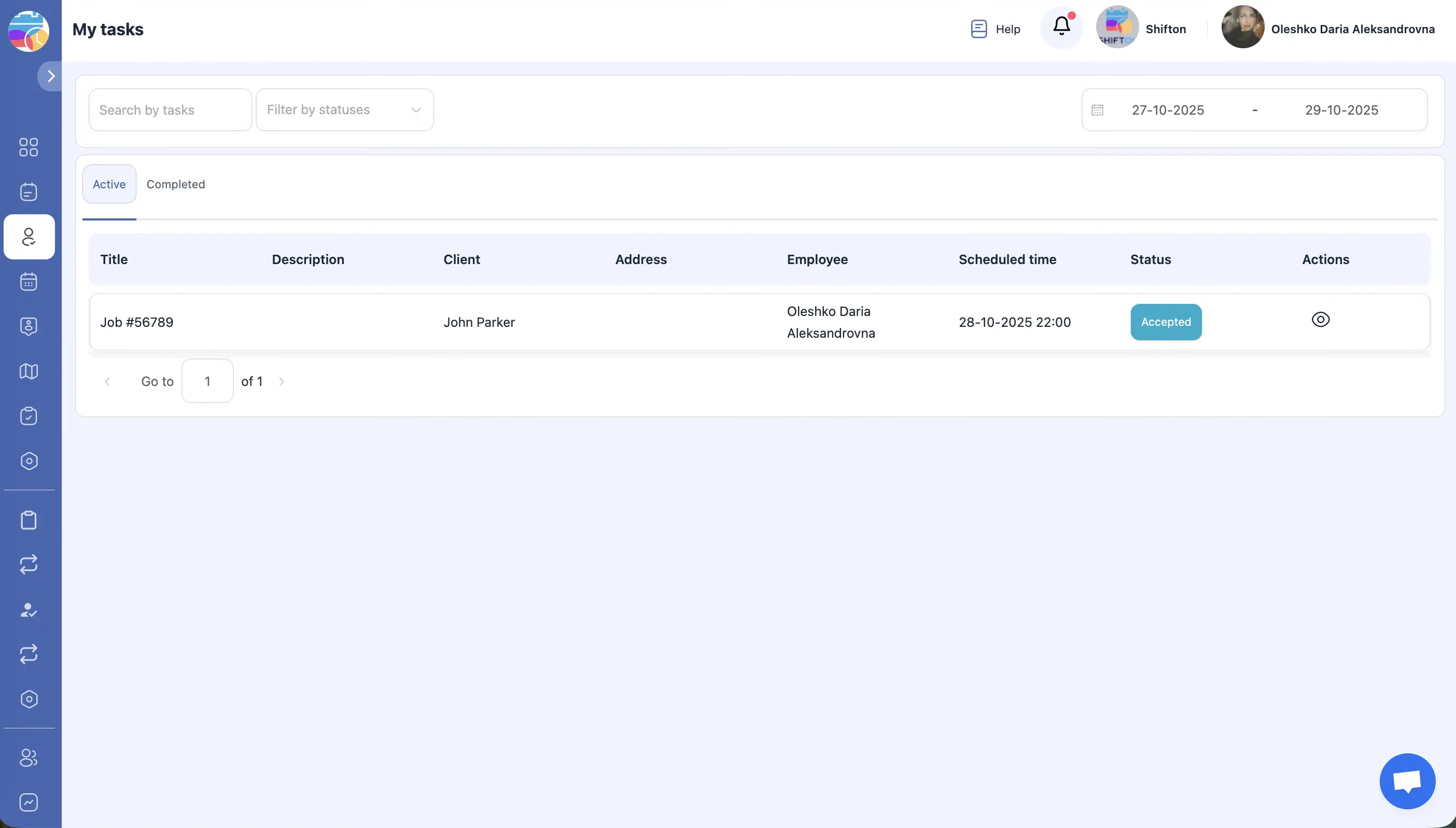
Chemicals off the truck, priced properly
Chemical cost is the second largest line in a pool business and the least controlled. Bought in bulk, used by the scoop and recorded nowhere, it is reconciled once a season by subtraction. Recording doses against the stop turns it into a per-pool number.
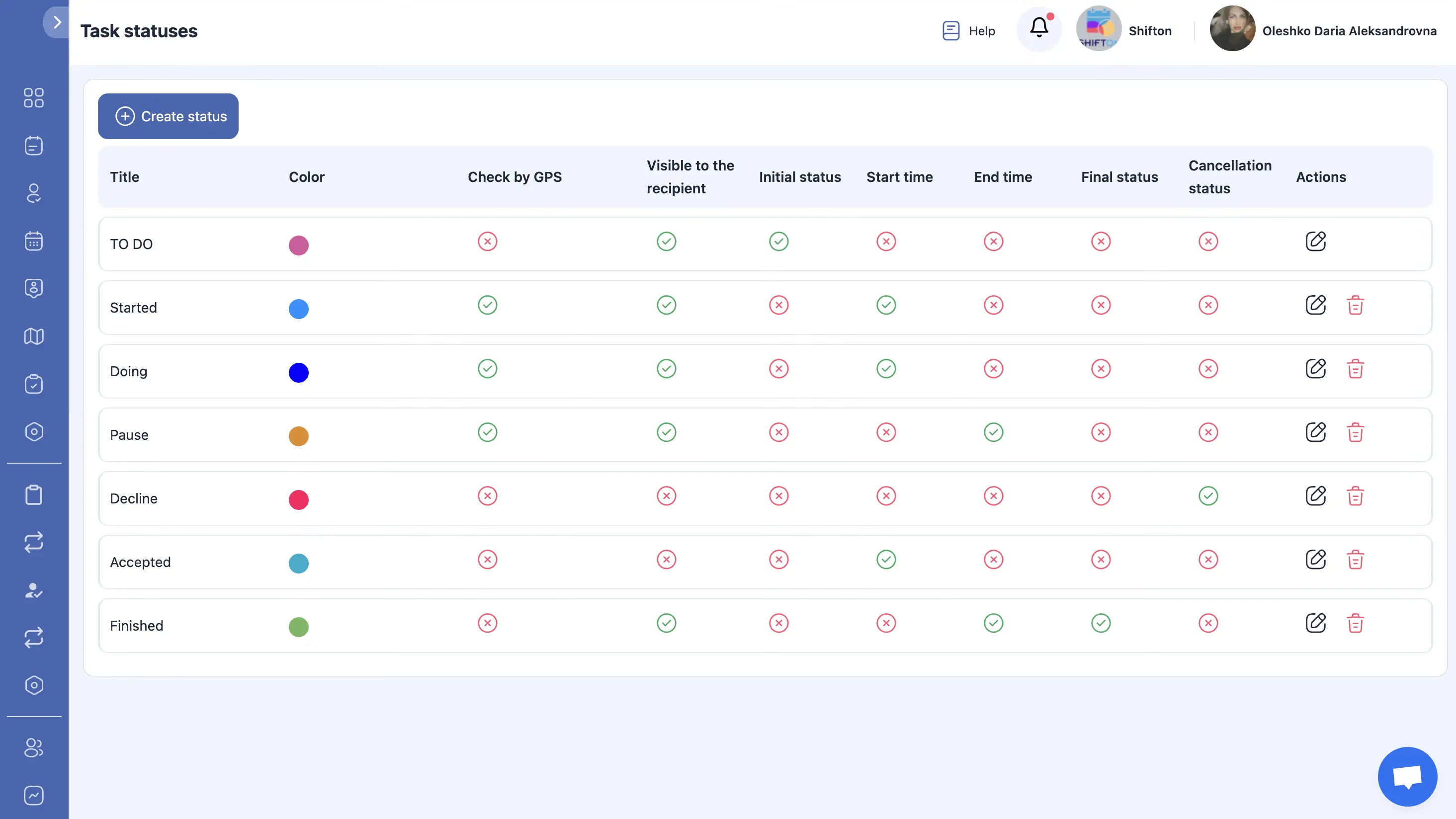
Repairs, openings and the invoice at the end of the month
Between the weekly stops sit pump repairs, filter changes, openings and closings. They are the profitable work and the easiest to bill badly. Held on the same board as the route, they are scheduled properly and invoiced from what was done.
Start with the Free Plan
No time limits. Get full access to core features and upgrade when you're ready.
Read the full guide to pool service software
Two jobs in one truck
A pool service company sells two things that look like one. The first is a route: predictable weekly stops, priced per month, where profit is made by driving less and finishing earlier. The second is repair and seasonal work: pumps, heaters, filters, openings and closings, priced per job, where profit is made by charging for the parts and the hours that were actually used.
Almost every operational problem in the trade comes from the two being managed as if they were the same. The route is squeezed to fit a repair, the repair is done in twenty minutes between stops and billed for nothing, and by the end of the season nobody can say which part of the business made money.
Route order is the cheapest improvement available
The work at each pool is roughly fixed. The driving is not. A route that grew organically, in the order customers signed up, can put twenty five per cent of the day in the truck. Planning the day in the order it will be driven, and keeping that order as customers come and go, is the single largest gain available to a pool business and it costs nothing but attention.
Chemistry is a history, not a reading
A single set of numbers tells you what to add today. A season of numbers tells you which pool has a leak, which cover is failing and which customer is topping up with a garden hose. That second thing only exists if the readings are recorded somewhere they accumulate, against the property rather than on a pad in a truck.
It also changes the customer conversation. When somebody complains that the water was cloudy, a history of readings and doses is an explanation. A shrug is not.
Photographs of what you found
Equipment damage, a cracked skimmer lid, a pump seal weeping. Photographed on the stop and attached to the job, these become quotes for repair work. Noticed and not recorded, they become somebody else's repair work later in the season.
Chemical cost per pool
Chemicals are bought in volume and used by the handful, and the reconciliation is usually a subtraction at the end of the year. Recording doses on the stop turns that into a per-pool figure, which matters because pool costs vary enormously. Shade, bathers, cover, a leak: any of them can double consumption on a property that was priced like all the others.
Getting repairs billed
The repair work in a pool business is where the margin lives, and it is the work most likely to be given away. A pump that is stripped and cleaned during a routine stop is fifteen minutes and a real cost, and it is invoiced roughly never unless it exists as its own record.
What to check
Can the season be scheduled once and adjusted. Can a technician record readings, doses and a photograph in under a minute at the poolside, with no signal. Can the month be invoiced from stops and repairs that were actually recorded. Those three decide whether the software survives July.
Starting free
One or two people run free with no time limit, including scheduling, digital job forms, the mobile app and reports. A single-truck route works this way permanently.
Paid modules follow the business: inventory when chemical cost stops adding up, invoicing when billing the month by hand becomes the worst day of it, location control when routes spread across a county. Each carries a free trial of up to 55 days.
The individual parts are documented: task management and dispatch, digital job forms, the mobile app, inventory, invoicing and reports. Prices are on the pricing page.
Frequently Asked Questions
Can I schedule a whole season of pool service stops?
Yes. Recurring stops are set per property, so the route appears automatically each week rather than being rebuilt. Individual stops can be moved, skipped or caught up, and the effect on the rest of the route is visible before you commit to it.
How are chemistry readings recorded?
On the job in the mobile app, at the pool. Chlorine, pH, alkalinity and anything else the checklist asks for are entered on the stop, along with the doses added, so each property builds a history you can look back through when the water misbehaves.
Can the technician work without a signal?
The app for iOS and Android holds the job and the checklist on the device, so stops at rural properties are recorded normally and sync when the phone reconnects. Nothing has to be written on a pad and typed up in the evening.
Can I see how much chemical each pool consumes?
With the inventory module, doses recorded on each stop reduce stock and roll up into reports per pool and per route. The property that quietly consumes twice what it was priced for stops being invisible.
How are repairs handled alongside the route?
Repairs are scheduled as jobs on the same board, with parts, labour and photographs on the record. That keeps them from being squeezed into a route stop and then billed from memory at the end of the month.
Is pool service software usable by a single-truck business?
Teams of two or fewer run on the free plan with no time limit, including scheduling, digital job forms, the mobile app and reports. Paid modules such as inventory, invoicing and location control are added when a second truck appears.
What does it cost for a growing pool route?
Above two employees the platform is priced per employee per month, and every paid module carries a free trial of up to 55 days, which covers a full swimming season before you have to decide.


Ready to transform your field operations?
Join thousands of field service companies that trust Shifton to run smarter every day.