

Locksmith Software for Call-Outs and Mobile Work
Lockouts, planned lock changes and commercial contracts on one board, with the job, the parts and the payment on the phone.
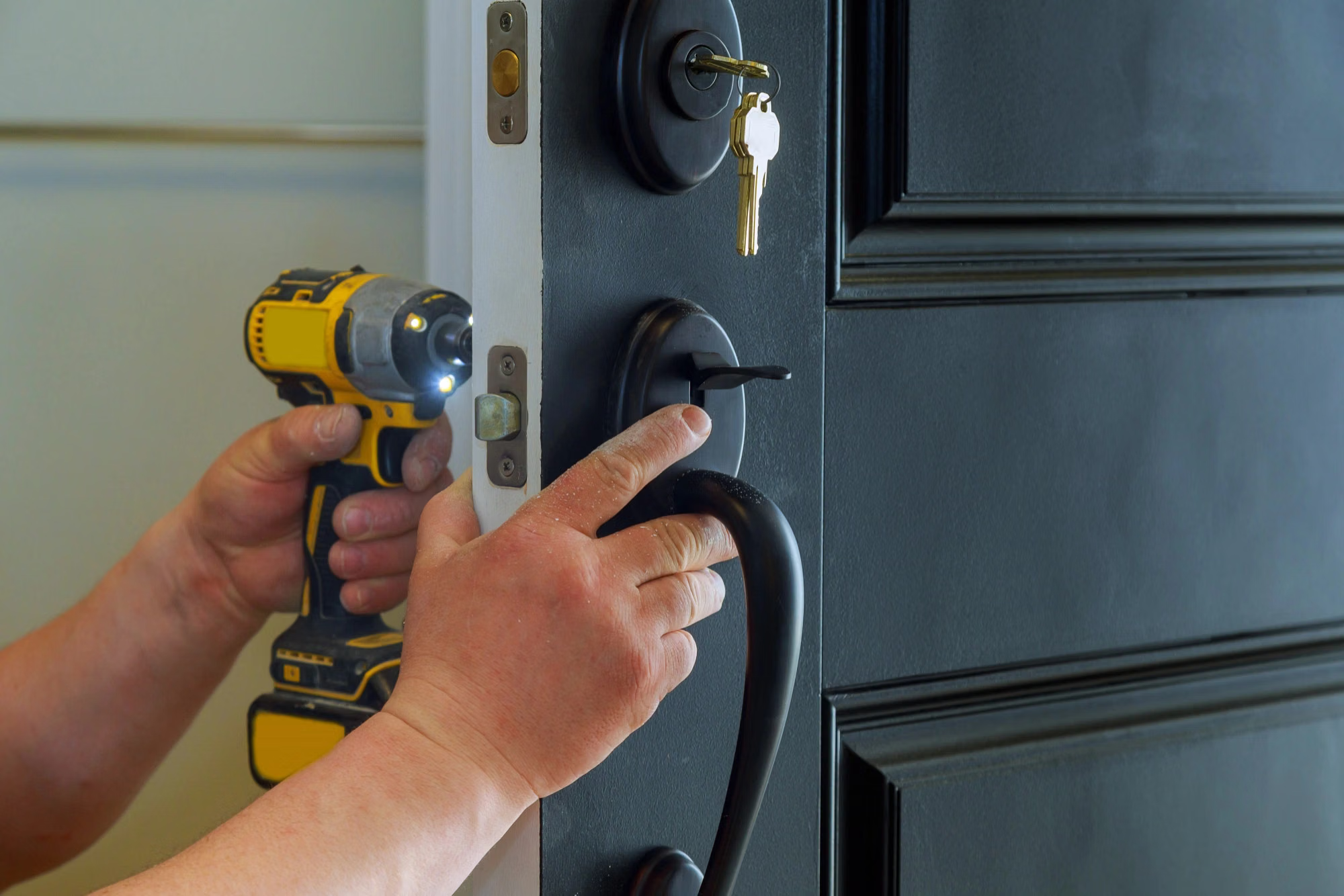
Every call is an emergency to the person making it
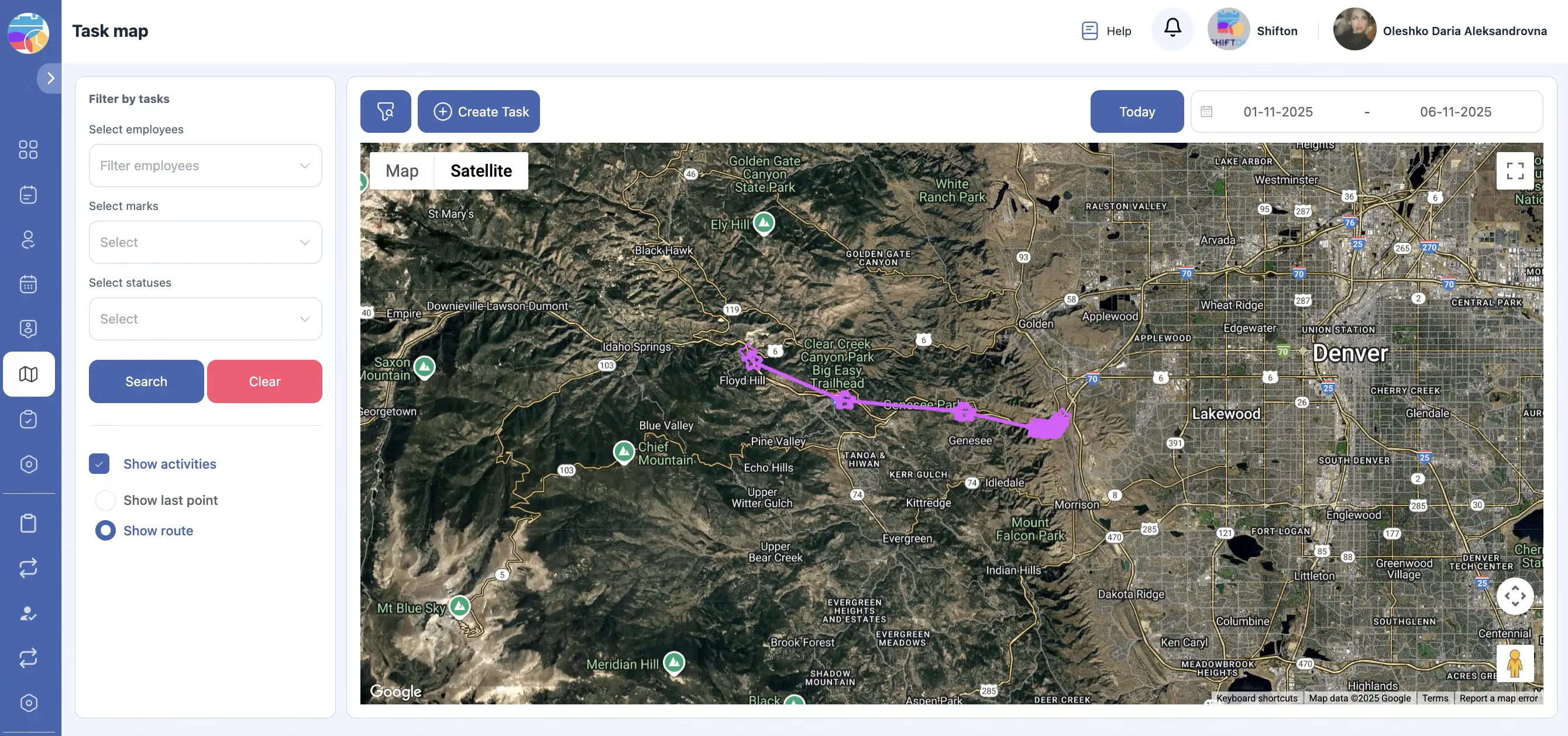
Locksmith work is bought in the worst ten minutes of somebody's day. They will ring three numbers and go with whoever gives a time. That makes dispatch the entire commercial engine of the business: the board has to show who is free, who is closest and what they are already committed to, before the call ends.
The van is the warehouse
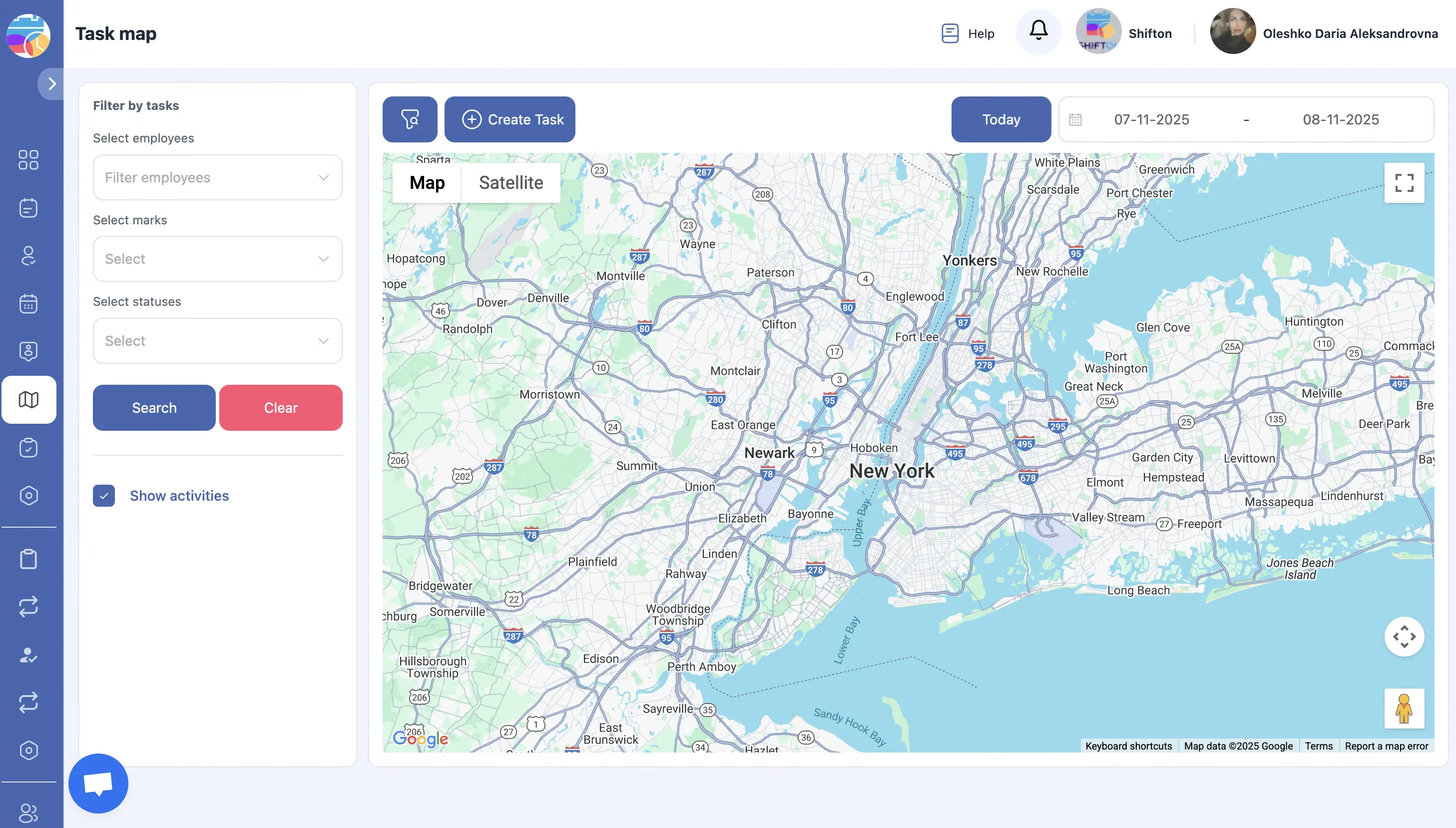
A locksmith carries their stock. Cylinders, night latches, mortice locks, handles, keys and blanks, and the difference between one visit and two is whether the right item is on board. Recording what leaves the van against the job turns a guess into a stock level.
Proof of who, what and where
Locksmiths open other people's property. That makes evidence part of the job: who authorised the work, what identification was seen, what condition the door was in before and after. Recorded on the job card, it protects the engineer and the business.
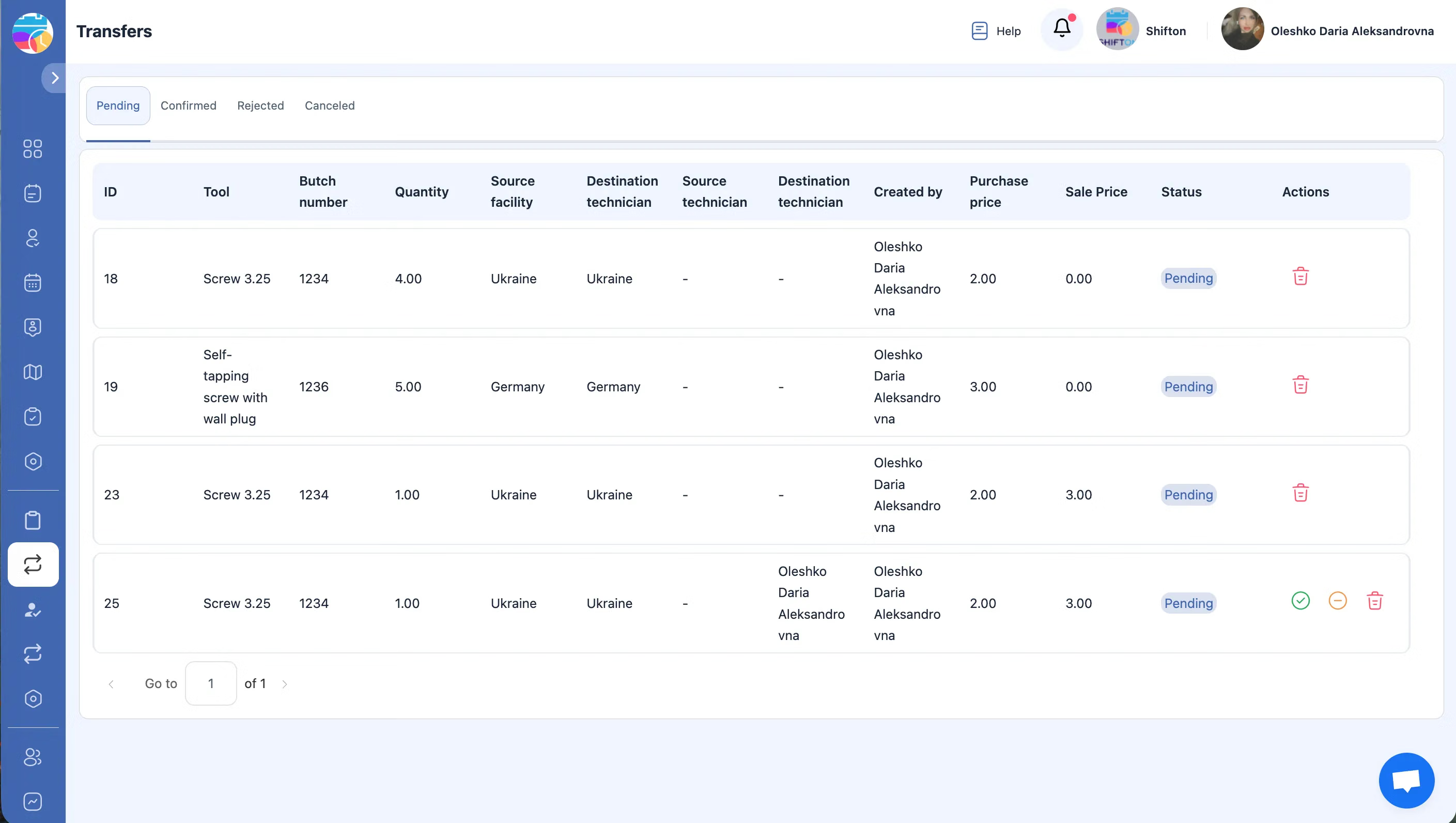
Paid on the doorstep, billed for contracts monthly
Domestic lockouts are paid immediately and commercial work is billed on account, and most locksmith businesses handle the two with the same notebook. Building the invoice from the finished job covers both without a second system.
Start with the Free Plan
No time limits. Get full access to core features and upgrade when you're ready.
Read the full guide to locksmith software
A business decided on the phone
Locksmithing is one of the few trades where the buying decision takes under a minute. Somebody is locked out, they search, they call two or three numbers, and they book the first firm that gives a credible time. Nothing about the quality of the work influences that decision, because they have not seen any of it yet.
That makes the dispatch function the commercial heart of the business. Any system that leaves the office saying it will call back is losing work to somebody who did not have to.
Knowing who is nearest, honestly
Nearest is not the same as free. An engineer ten minutes away who is halfway through a lock change is not available, and sending the job to them anyway produces a late arrival and an angry customer. A board that shows both position and commitment lets the office give a time it can keep.
Service areas stop the polite mistake
Every locksmith business has an engineer who says yes to everything. It feels like good service and it costs an hour of driving. Defining coverage as a rule rather than a preference removes the decision from the moment when nobody has time to think about it.
The van decides the job
First-time fix in locksmithing is almost entirely a stock question. The engineer who has the right cylinder finishes in twenty minutes. The one who does not either drives to a supplier or books a return visit, and the second visit costs more than the profit on the first.
Recording parts against the job is the only practical way to know what a van actually carries. It also produces, over a few months, a picture of what is used most, which is the basis for stocking vans properly instead of by habit.
Evidence protects the engineer
Opening a door for somebody who says it is their property carries obvious risk. Businesses handle it with a policy, and the policy only helps if it produces a record. Photographs of the door, a note of what identification was seen, the name of the person who authorised the work: none of it takes more than a minute on a phone and all of it matters if there is a dispute.
The same record settles the other common argument, which is about damage. A photograph of the frame before work started is the shortest possible conversation about a mark that was already there.
Two revenue streams, one board
Emergency call-outs pay immediately and unpredictably. Commercial contracts pay reliably and modestly, and they are what makes a locksmith business survive a quiet January. Holding both on the same board is what lets the office protect the planned work instead of cannibalising it every time the phone rings.
What to check before choosing
Can a job be created and dispatched while the caller is still on the line. Can an engineer complete a job, with photographs, on a phone in a stairwell with no signal. Can the invoice be produced on the doorstep from the work just done. If those three hold, the rest is detail.
Starting free
A one or two person business runs free with no time limit, including scheduling, digital job forms, the mobile app and reports. That covers a single-van locksmith outright.
Modules come later: inventory when van stock starts costing you second visits, invoicing when doorstep billing is worth automating, location control when there are several engineers to route. Each paid module carries a free trial of up to 55 days.
Each piece is documented on its own page: dispatch and task management, the mobile app, digital job forms, inventory, invoicing and service areas. Prices are on the pricing page.
Frequently Asked Questions
How fast can a lockout be assigned to an engineer?
The job is created with the address and the lock details and pushed to the nearest available engineer, who sees it on the mobile app straight away. The office can give a realistic arrival time while the caller is still on the phone, which is what wins the job.
Can I track what stock each van is carrying?
With the inventory module, yes. Cylinders, latches and other parts are recorded against the job that used them and stock comes down per van, with warnings when levels fall low. That is the practical route to a higher first-time fix rate.
How do we record proof of authority on a lockout?
On the job card. Who requested the work, what identification was checked and photographs of the door before and after are all recorded on the phone, time stamped and stored against the address for later reference.
Does the locksmith app work with no signal?
The app for iOS and Android holds the job, the checklist and the photos on the device. Underground car parks and rural addresses are recorded normally and sync as soon as the phone reconnects.
Can commercial contract work be scheduled alongside call-outs?
Yes. Planned lock changes, master suite work and periodic checks are scheduled ahead on the same board as emergency call-outs, so the office can see what accepting an urgent job does to the committed work before it accepts it.
Can we invoice on the doorstep?
The invoicing module builds the bill from the job that has just been completed, including call-out, labour and parts fitted, so it can be produced and sent on site instead of being written up later from a notebook.
What does locksmith software cost for a small business?
One or two people run on the free plan with no time limit: scheduling, digital job forms, the mobile app and reports are included. Above that, pricing is per employee per month and every paid module has a free trial of up to 55 days.
Ready to transform your field operations?
Join thousands of field service companies that trust Shifton to run smarter every day.