

Access Control Management Software for Installers
Door surveys, reader and panel installs, intercom commissioning and service visits planned door by door, with sign-off captured on site.
Work measured in doors, not in jobs
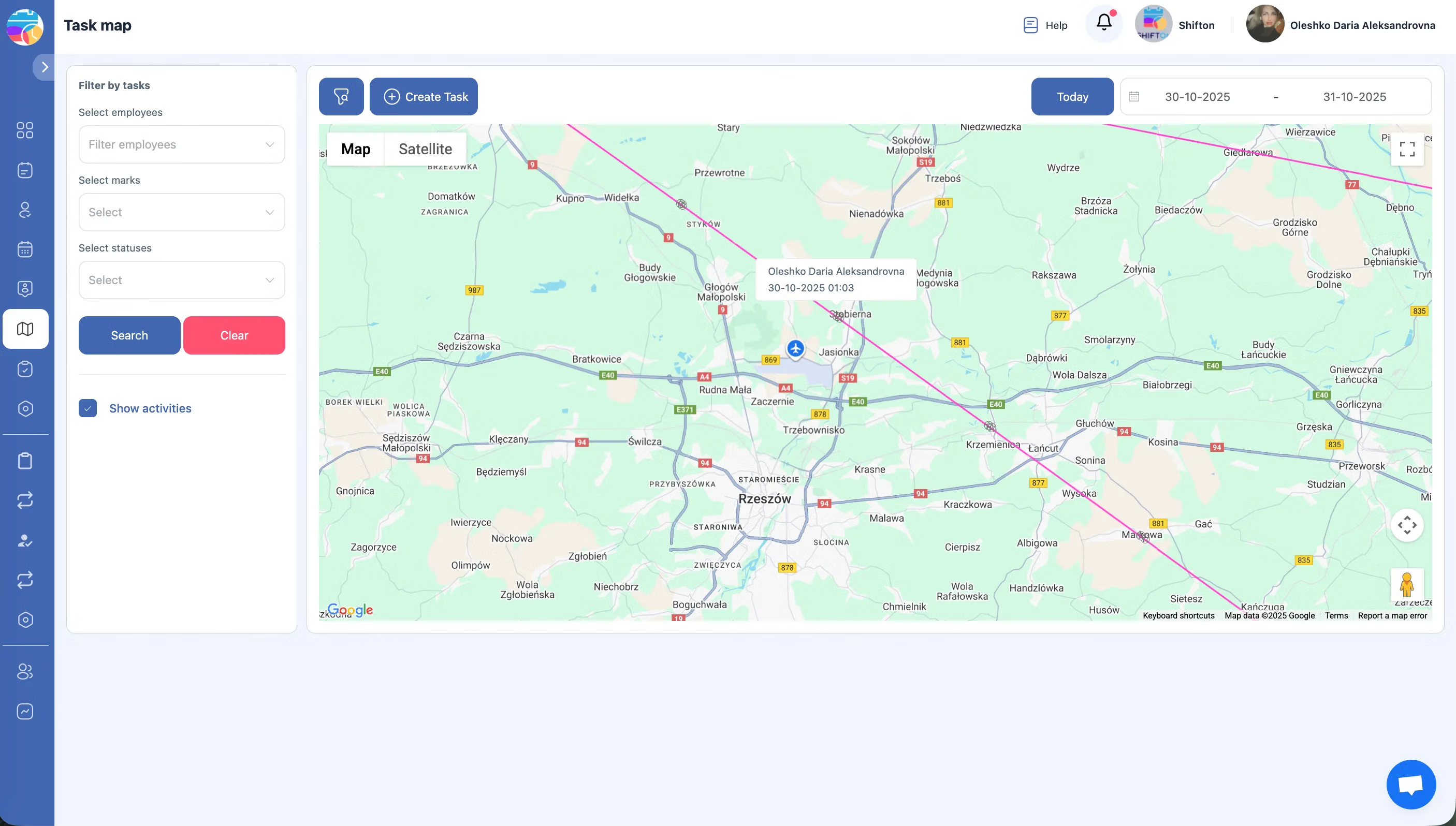
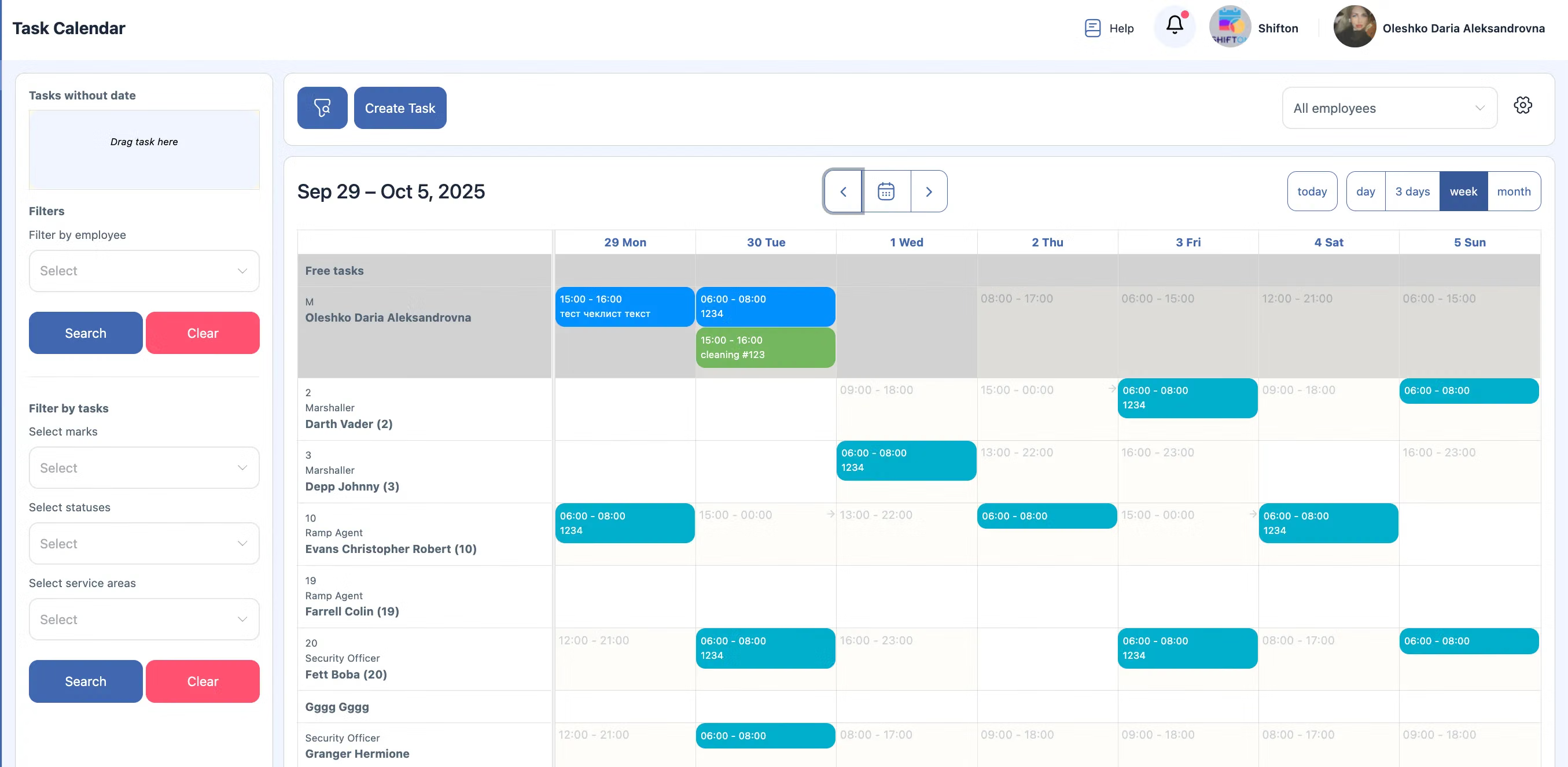
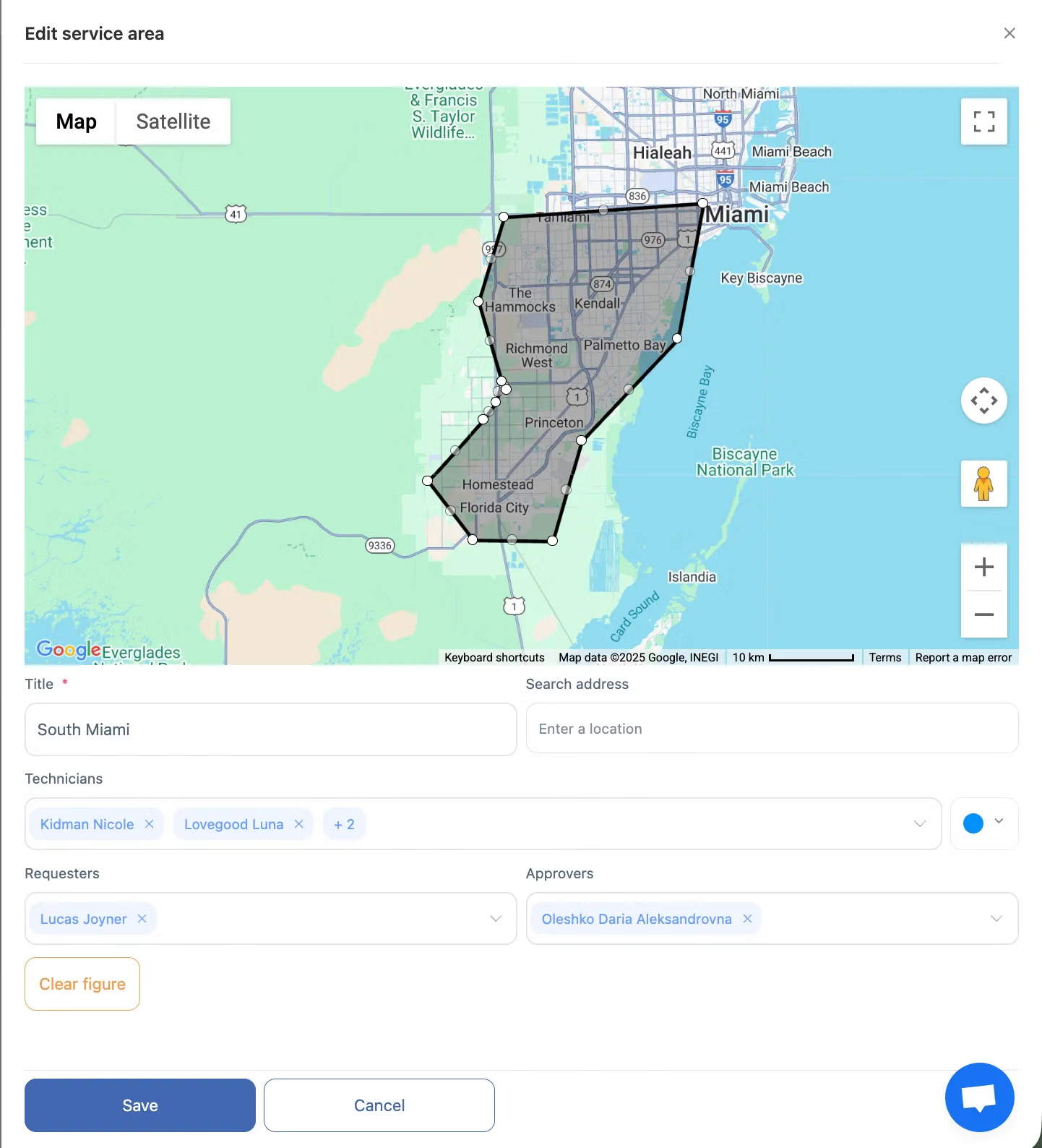
An access control contract is a list of openings, and each one has its own hardware, its own wiring and its own moment when it must work. A schedule that treats the whole building as one job hides the doors that were surveyed but never installed, and the ones that were installed but never commissioned.
Credentials, panels and the details that stop a handover
Access control fails at handover for administrative reasons more often than technical ones: cards not enrolled, groups not configured, a lock left on the wrong fail state. Holding those steps on the job card makes them part of the work rather than something remembered at the end.
Intercoms and the buildings they live in
Intercom work happens in occupied buildings with residents, concierges and managing agents involved. The visit succeeds or fails on arrangements made before it: who lets the engineer in, which flats are reachable, which risers are locked.
Service contracts and the numbers behind them
Maintained systems bring recurring revenue and recurring obligations. Scheduled visits, reactive calls and the record of both decide whether the contract is profitable or quietly subsidised.
Start with the Free Plan
No time limits. Get full access to core features and upgrade when you're ready.
Read the full guide to access control installation software
Why access control projects overrun
Access control is deceptively simple to quote and difficult to finish. A building has a number of openings, each opening needs hardware, and the arithmetic looks straightforward until the work starts. Then the doors turn out to be different from each other: one needs a new leaf, one is a fire door with regulations attached, one is in a tenant area that can only be touched at weekends, and one has no cable route that anybody surveyed.
The overrun is therefore not a scheduling failure in the usual sense. It is a visibility failure. Access control management software addresses it by making the opening the unit of work, so the project reports progress in doors completed rather than in confidence.
The four states every opening passes through
Survey
The survey decides the profitability of the whole job. Door type, leaf, frame, existing hardware, power availability and cable route determine the labour, and a survey recorded in a notebook is a survey that will be repeated. Captured on a form with photographs, it becomes the reference the installing engineer works from.
Installation
Installation is where access arrangements matter more than skill. Escorted areas, tenant notice periods, out of hours windows and permits govern when work can happen at all. Holding those constraints on the job means the plan reflects the building rather than an optimistic view of it.
Commissioning
This is the state most often skipped in the record and most often disputed later. Lock states, door groups, anti-passback settings, reader configuration and integration with the intercom all have to be set, tested and documented. A door that opens is not a door that is finished.
Sign-off
The handover is a document, and the document is only as good as the evidence behind it. Test results, photographs and a signature captured at the door close the opening properly and end the argument about scope before it starts.
Intercom work is building work
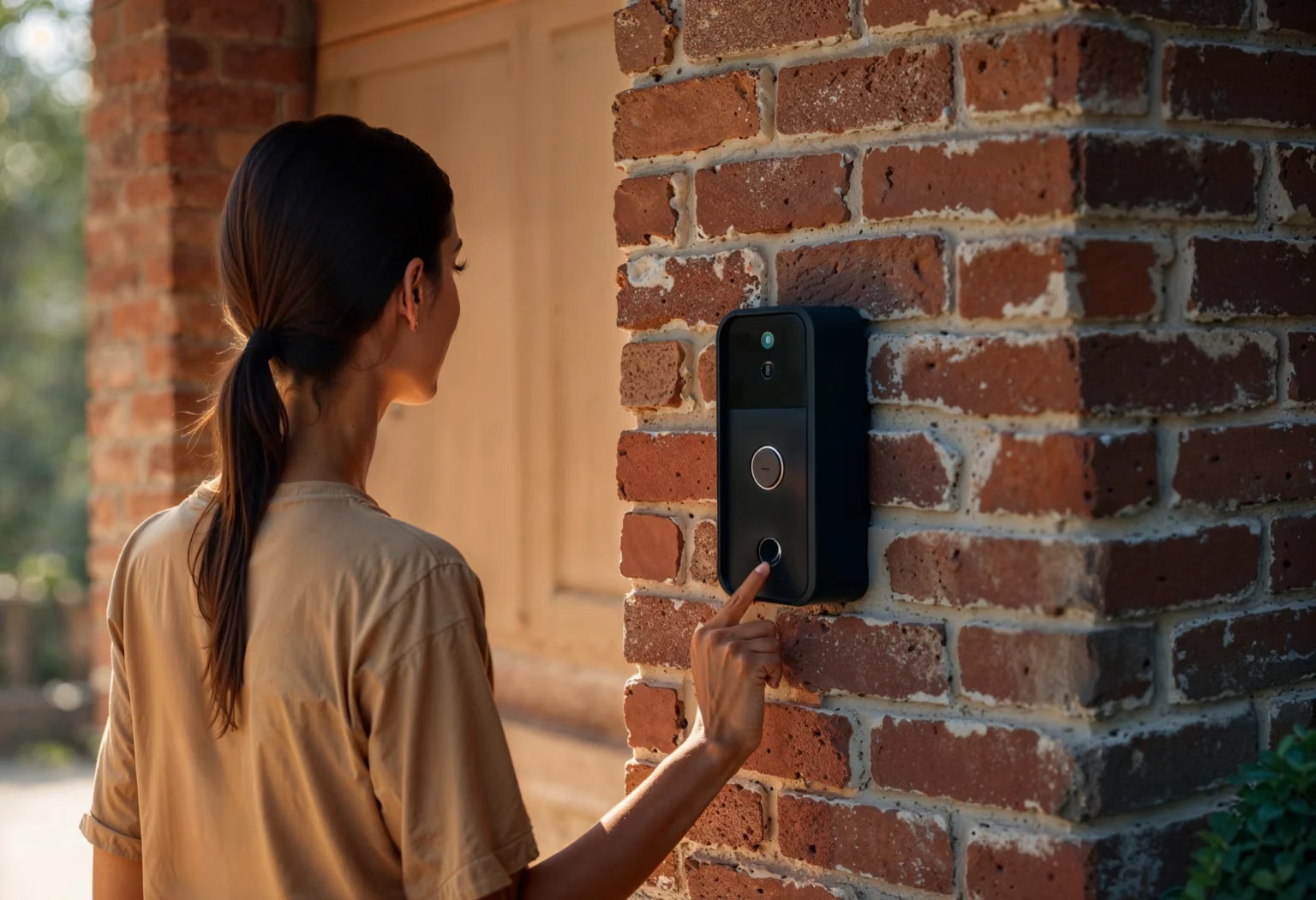
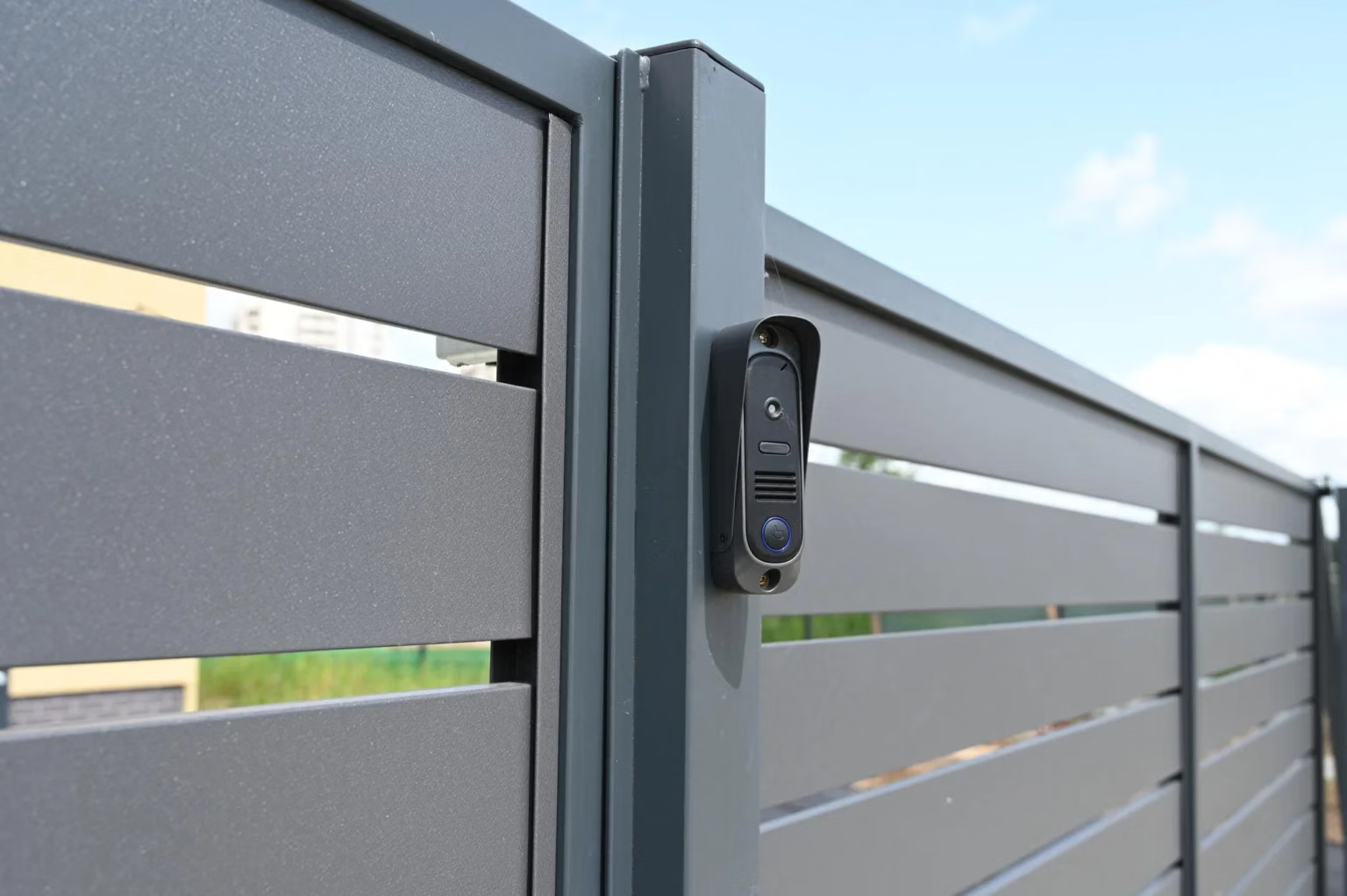
Door entry systems in residential blocks put the contractor inside other people's homes, and the operational difficulty is coordination rather than electronics. Managing agents, concierges, key holders and residents all control some part of the access, and a visit arranged without them is a visit that gets to the front door and stops. Keeping those arrangements on the job card, and the history against the entrance, is what makes the second and third visits cheaper than the first.
The service contract is the real business
Installation revenue is one-off. Maintenance revenue is what makes a security business worth something, and it is delivered through scheduled visits that are easy to postpone and reactive calls that are hard to price. Generating the planned work automatically, and recording the reactive work against the site, shows which contracts are healthy and which are being subsidised by the install team.
Documentation as an asset
Access control systems outlive the engineers who install them. When the record of how a system was actually built lives on the site rather than in someone's head, the business can send anyone, price changes accurately and take over systems installed by competitors without rediscovering them from scratch.
Getting started on the next project
Put one building on the board with its openings as jobs and the difference is visible within a week: the doors that are genuinely done, the ones waiting on access and the ones nobody has surveyed. Installers with two or fewer employees stay on the free plan permanently, and the paid modules carry a trial of up to 55 days.
Frequently Asked Questions
Can we track a project door by door?
Yes. Each opening can be carried as its own job through survey, installation, testing and sign-off, so the board shows how many doors are genuinely finished rather than a percentage estimated by the site manager.
How is configuration recorded?
Through digital job forms completed on site. Panel and reader settings, lock states, wiring notes and test results are captured as the work is done and stay attached to the site record for whoever attends next.
Does it handle intercom work in occupied buildings?
It does. Key holders, concierge arrangements, permits and resident access notes sit on the job card, and each entrance keeps its own visit history, so a second engineer is not repeating the first one's phone calls.
What happens in a riser or basement without signal?
The mobile app holds the job and the forms on the device. Call tests, checklists, photographs and signatures are completed offline and sync when the phone finds signal again.
Can maintenance visits be scheduled automatically?
Yes. Recurring jobs generate planned visits for each maintained site ahead of time, each with its own checklist, so contracted maintenance appears on the board instead of depending on someone's memory.
Can a two person door entry business use this?
Teams of two or fewer use the free plan permanently: scheduling, digital job forms, the mobile app and reports are included. Inventory, invoicing, location control and the customer portal are paid modules added later.
What will this cost a door entry contractor?
The free plan covers up to two employees with no time limit. Beyond that pricing is per employee per month, and every paid module carries a free trial of up to 55 days, which covers a full installation project.


Ready to transform your field operations?
Join thousands of field service companies that trust Shifton to run smarter every day.