

Chimney Sweep Software for Sweeps and Certificates
Seasonal sweeps, inspections and repairs on one board, with the flue details, the photos and the certificate on the job.
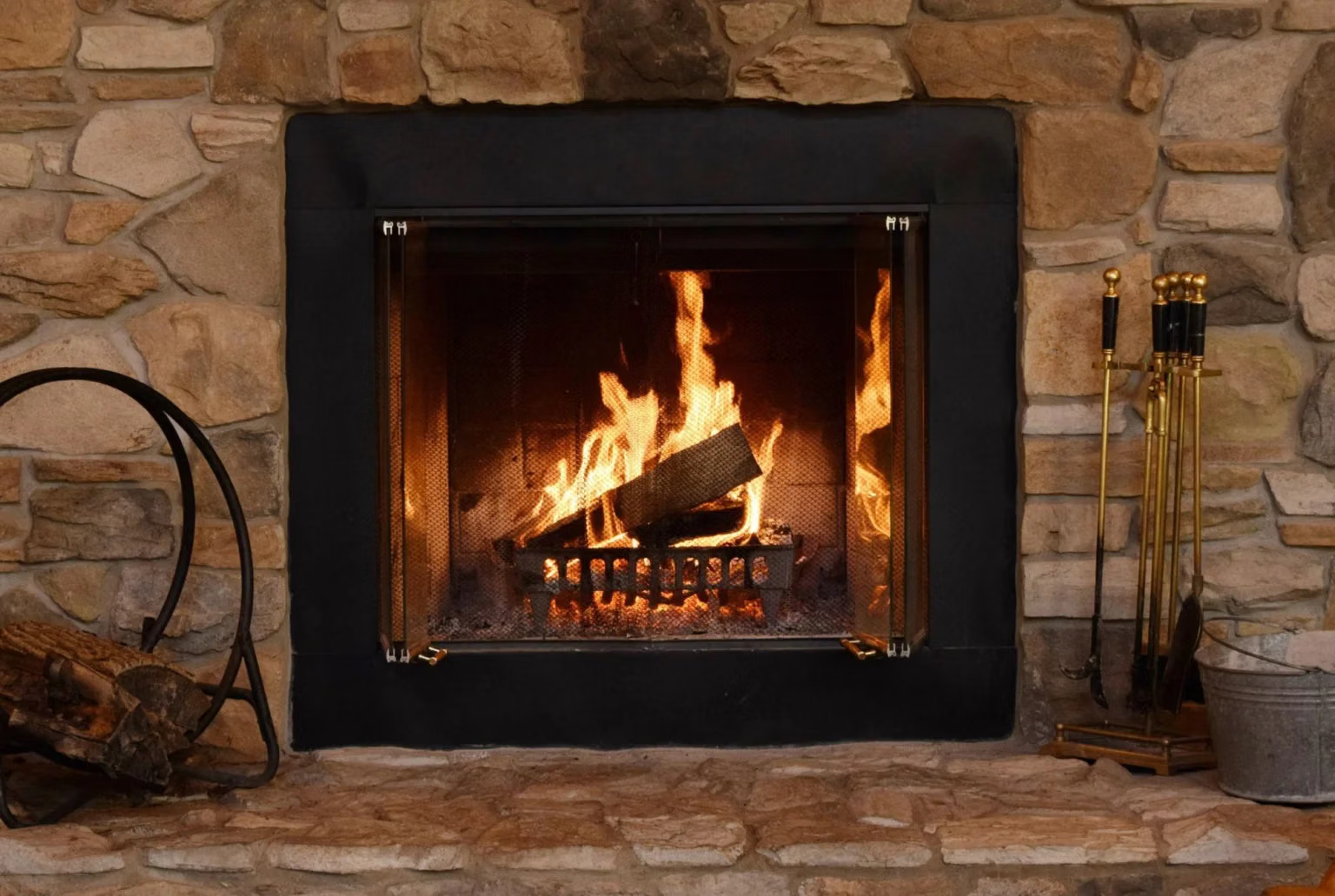
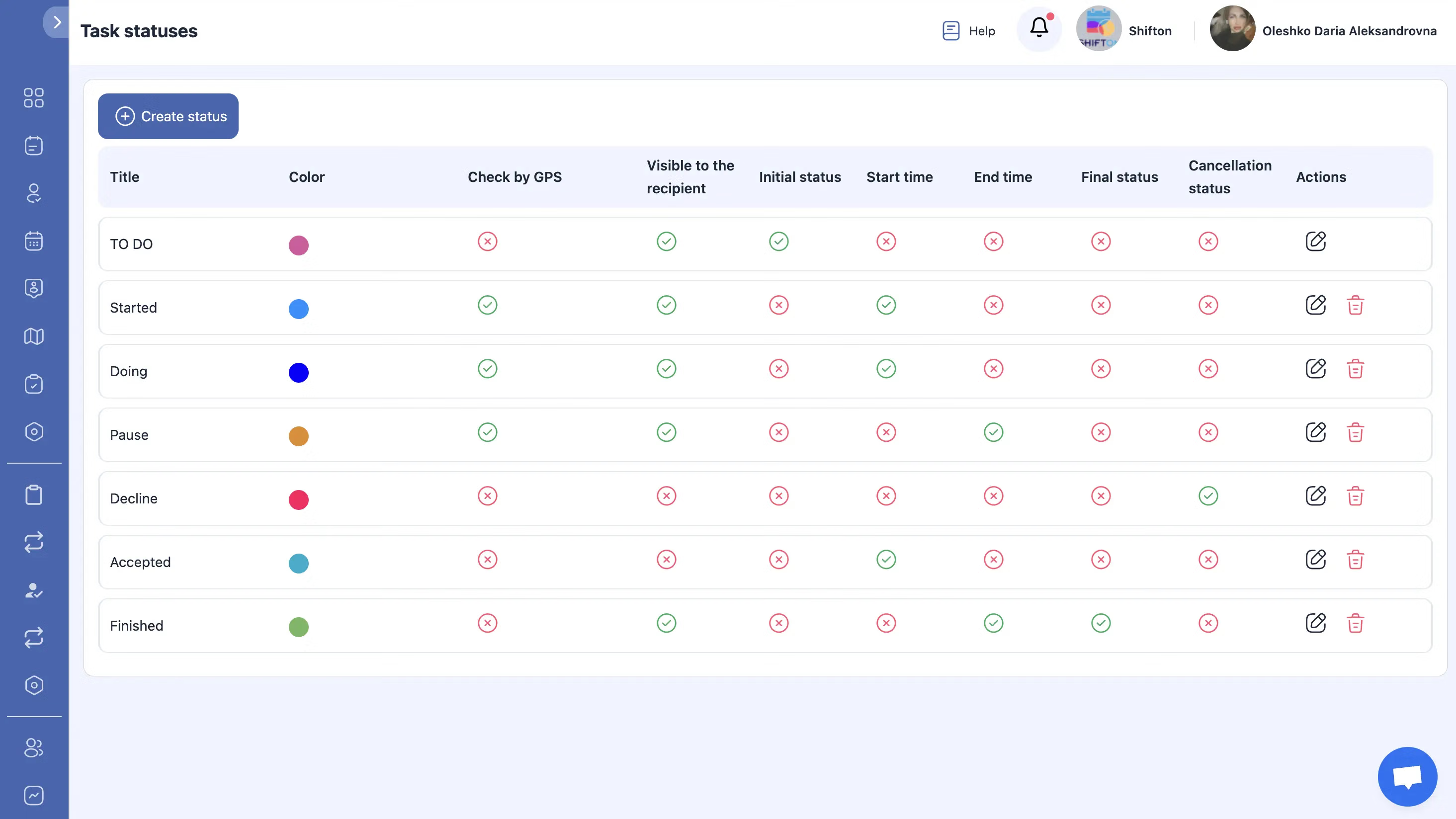
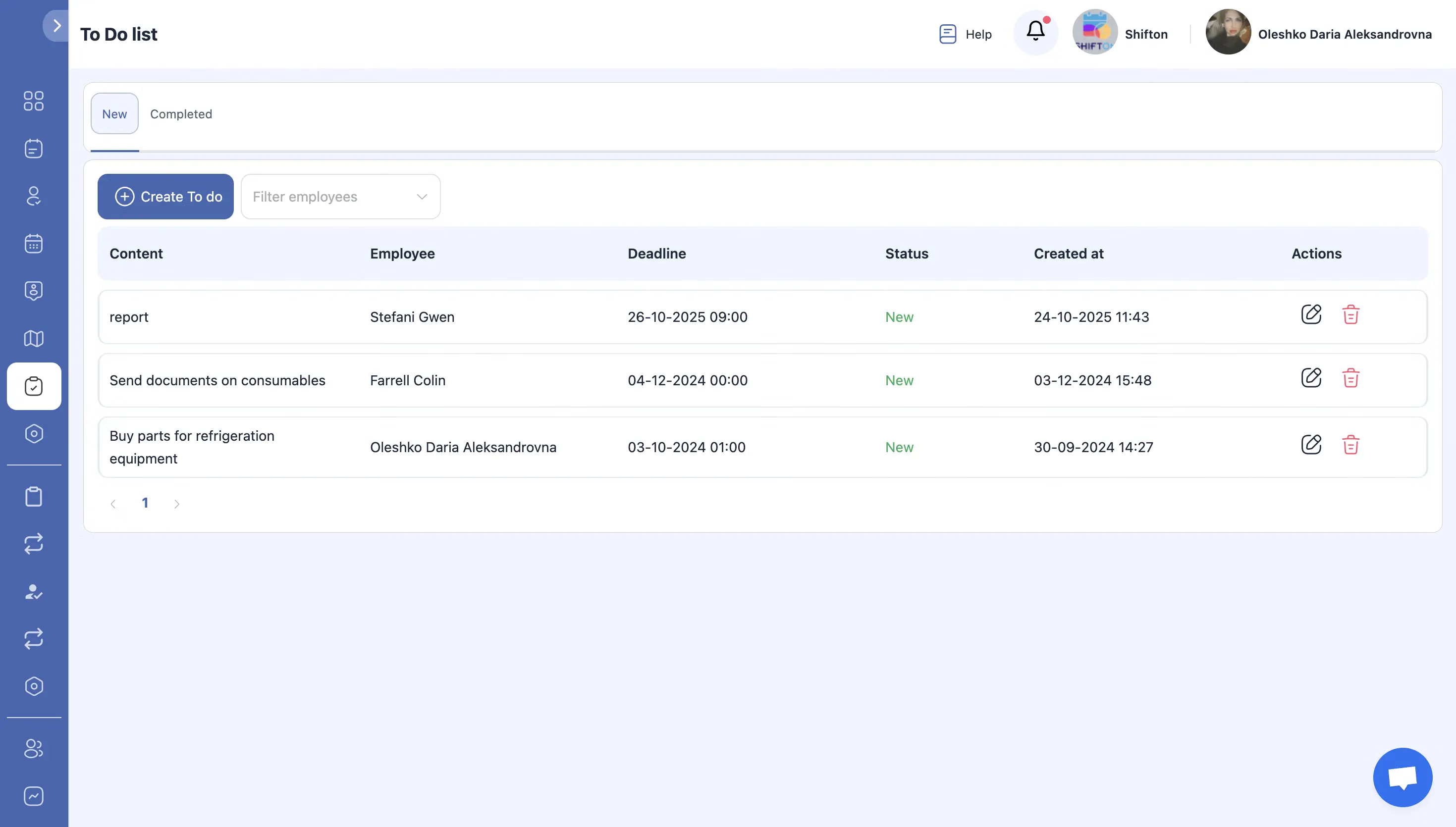
Autumn is the business
Most of a sweeping year happens between September and December. The bookings arrive faster than they can be organised, and the difference between a good season and an exhausting one is whether the round was planned in driving order or in the order the phone rang.
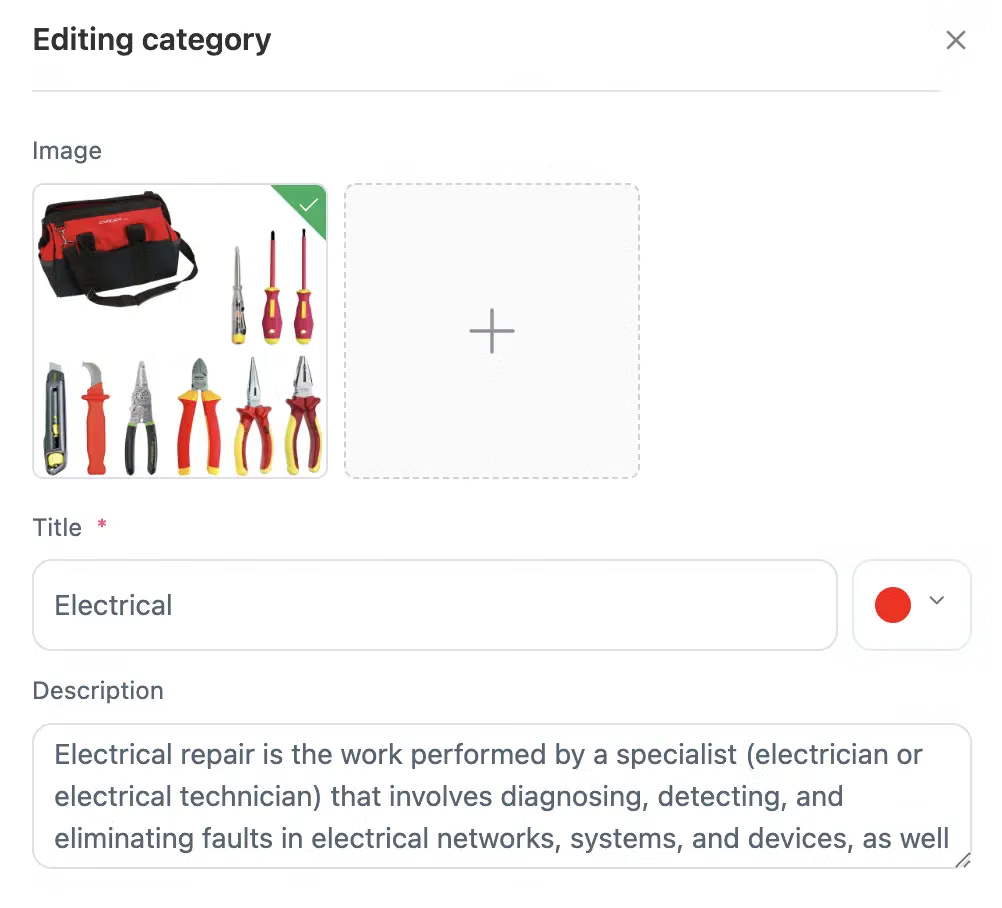
The flue on the record, not in your head
Liner or unlined, the appliance make, the pot and cowl, the last inspection findings, the customer who has a wood burner and burns unseasoned timber. Recorded against the property, that history makes each subsequent visit quicker and safer.
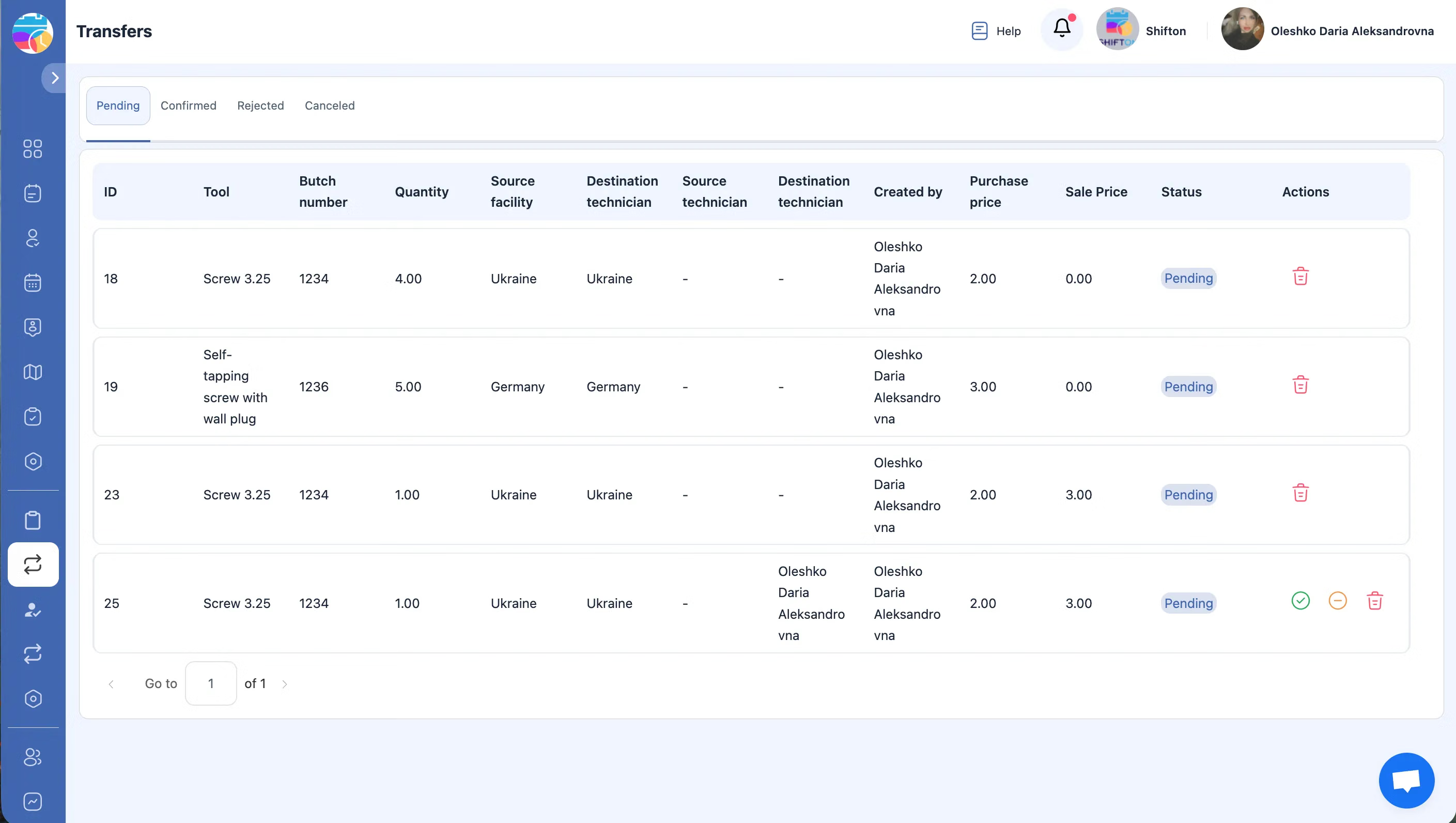
The certificate is issued before you leave
A sweep produces a certificate, and the customer needs it for insurance. Written by hand it is transcribed later, posted or forgotten. Completed on the phone it is signed, sent and stored against the property while the sweep is still packing up.
Repairs, extras and the invoice
Cowls, birdguards, liners and repairs are where the season's profit sits above the sweeping fee. They are noticed on the visit and lost in the diary unless they are recorded where they happened.
Start with the Free Plan
No time limits. Get full access to core features and upgrade when you're ready.
Read the full guide to chimney sweep software
A four month year
Chimney sweeping compresses most of its revenue into autumn. The phone starts in September and stops in December, and everything about the business is decided by how those weeks are organised. A sweep who plans the round geographically fits noticeably more appointments into the same daylight than one who books in the order calls arrive, and daylight is the binding constraint from November onwards.
The second thing that decides the season is whether last year's customers are contacted before they think to ring. In a trade where nearly every customer needs the same service every year, that is the difference between a full diary in September and a scramble in November.
Recurrence is the marketing plan
Annual sweeps are the most predictable repeat work in any field trade. Scheduling the next one at the right interval, automatically, means the round refills itself. Customers who are contacted book. Customers who are not contacted eventually call somebody who did contact them.
The record makes the work safer
A sweep is also an inspection. What was found last year matters this year: a hairline crack in a liner, a cowl that was already loose, a customer who burns wet wood and produces three times the deposit. Written on a job sheet in a van, none of that is available at the next visit. Held on the property record with photographs, it is the first thing the sweep reads.
Photographs of the flue
Camera inspections and photographs of the flue are worth keeping for two reasons. They justify the recommendation when you tell a customer their liner needs replacing, and they establish what the flue looked like on the day you swept it, which matters if there is a chimney fire later.
The certificate should not be an evening job
Customers need the certificate for insurance and they need it now, not next week. Completing it on the phone at the property, signed and sent immediately, removes the evening of paperwork, removes the risk of transcription errors, and removes the phone calls asking where the certificate is.
Where the profit above the sweep sits
Sweeping is priced competitively and the margin is thin. Cowls, birdguards, liners, repairs and camera inspections are where the season becomes profitable. All of them start as something noticed during a sweep, and almost all of them are lost if they are mentioned rather than recorded.
Photographing the defect and attaching it to the property turns a passing comment into a quote you can follow up in January, when the diary is quiet and the customer has just had a cold snap to think about it.
What to look for
Can annual sweeps be scheduled automatically. Can the day be planned in driving order. Can the certificate be issued and sent from the phone. Can a defect be photographed and turned into a quote. Four questions, and they cover the trade.
Starting free
A sole trader or a two-person business runs free with no time limit: scheduling, digital job forms, the mobile app and reports are included.
Paid modules follow if the business grows: invoicing to bill from the job, inventory for cowls and parts, location control when more than one van is out. Each carries a free trial of up to 55 days.
Each part has its own page: task management, digital job forms, the mobile app, client records, job history and invoicing. Prices are on the pricing page.
Frequently Asked Questions
Can annual sweeps be scheduled before customers call?
Yes. Recurring visits are set per property at the right interval, so last season's customers appear on the board in advance and can be arranged in driving order rather than being fitted around whoever rang first.
Can the certificate be issued at the property?
The certificate is completed as a digital job form on the phone, signed on the device, sent to the customer and stored against the property, so nothing is transcribed in the evening and nothing goes missing in a van.
Is the flue history kept per property?
Yes. Flue type, liner, appliance, cowl, previous findings and photographs are held on the property record, which makes every subsequent visit faster and gives you a documented history if a problem is found later.
Does the app work in properties with no signal?
The mobile app for iOS and Android holds the job, the checklist and the photos on the device and syncs when the phone reconnects, which matters for rural properties and cottages.
Can defects and extra work be captured on the visit?
A defect is photographed and recorded against the property while the sweep is there, which turns it into a quote for a cowl, a birdguard or a liner rather than a comment that is forgotten by the next appointment.
Is it suitable for a single sweep working alone?
One or two people run free with no time limit, including scheduling, digital job forms, the mobile app and reports, which covers a sole trader completely through a season.
What does it cost if the business grows?
Above two employees pricing is per employee per month, and every paid module carries a free trial of up to 55 days, which covers a full autumn season before you decide.


Ready to transform your field operations?
Join thousands of field service companies that trust Shifton to run smarter every day.