

Generator Maintenance Software for Service Engineers
Service intervals, load bank tests and emergency call-outs planned per set, with run hours and readings recorded at the machine.
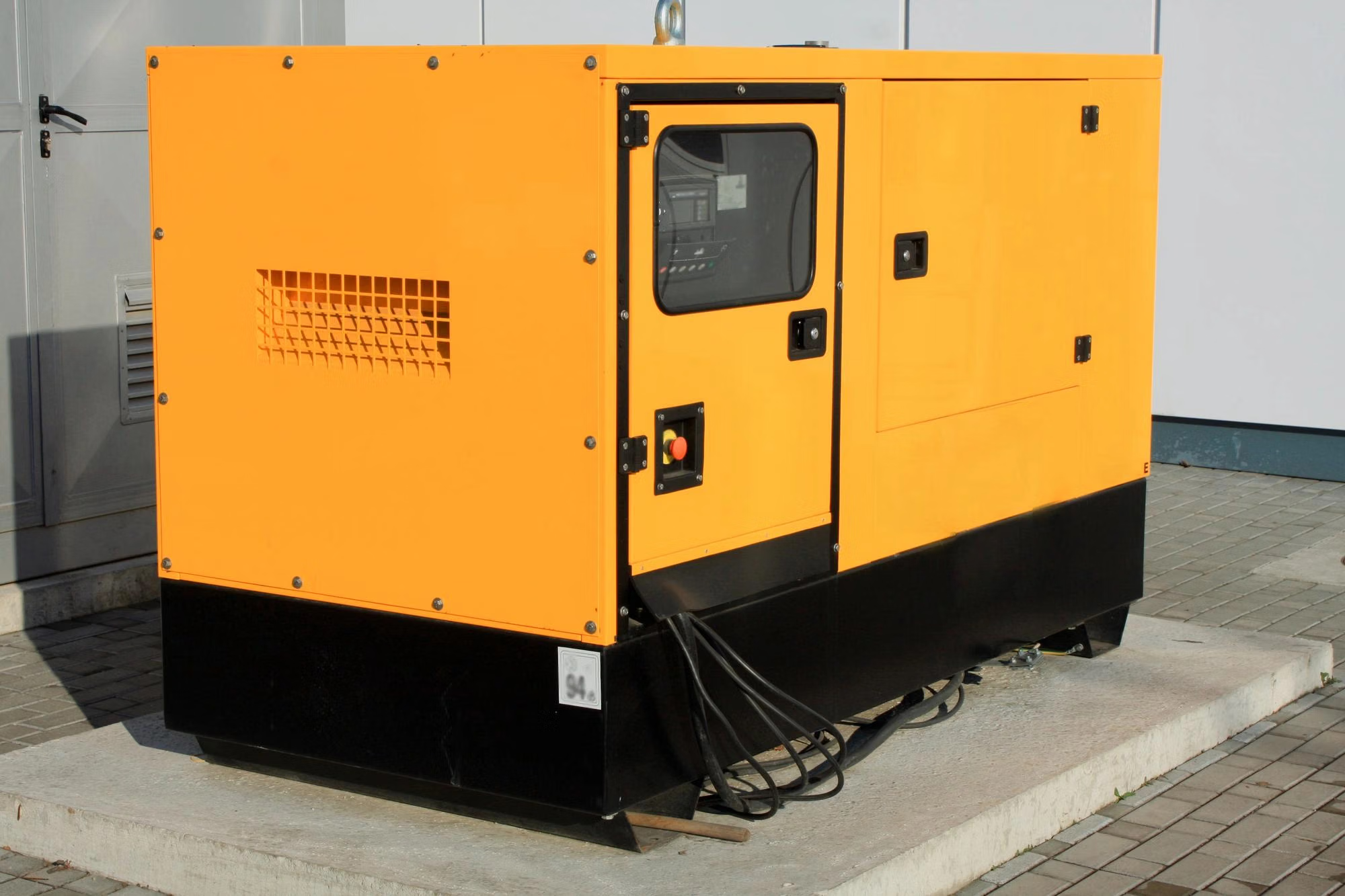
Standby power is sold on readiness
A standby set earns nothing until the day the mains fails, and on that day it either starts or it does not. The service contract behind it is a promise about that moment, and the promise is kept through visits that happen on schedule and tests that are actually recorded.
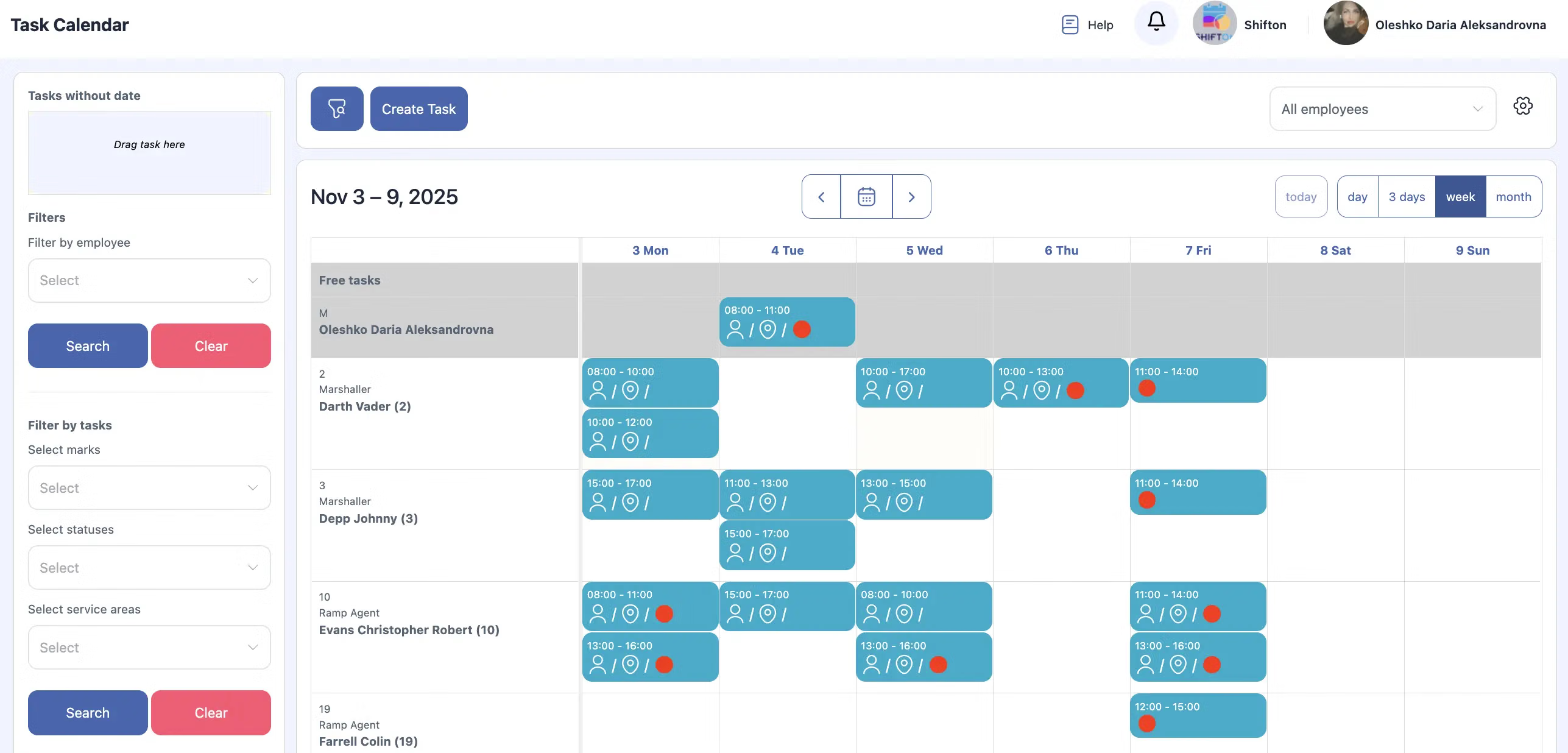
Every set keeps its own history
A generator estate is a set of individual machines with different ages, duties and fuel arrangements. Service records attached to the asset rather than the site make the pattern visible: which sets start reliably, which need attention between services, which are approaching replacement.
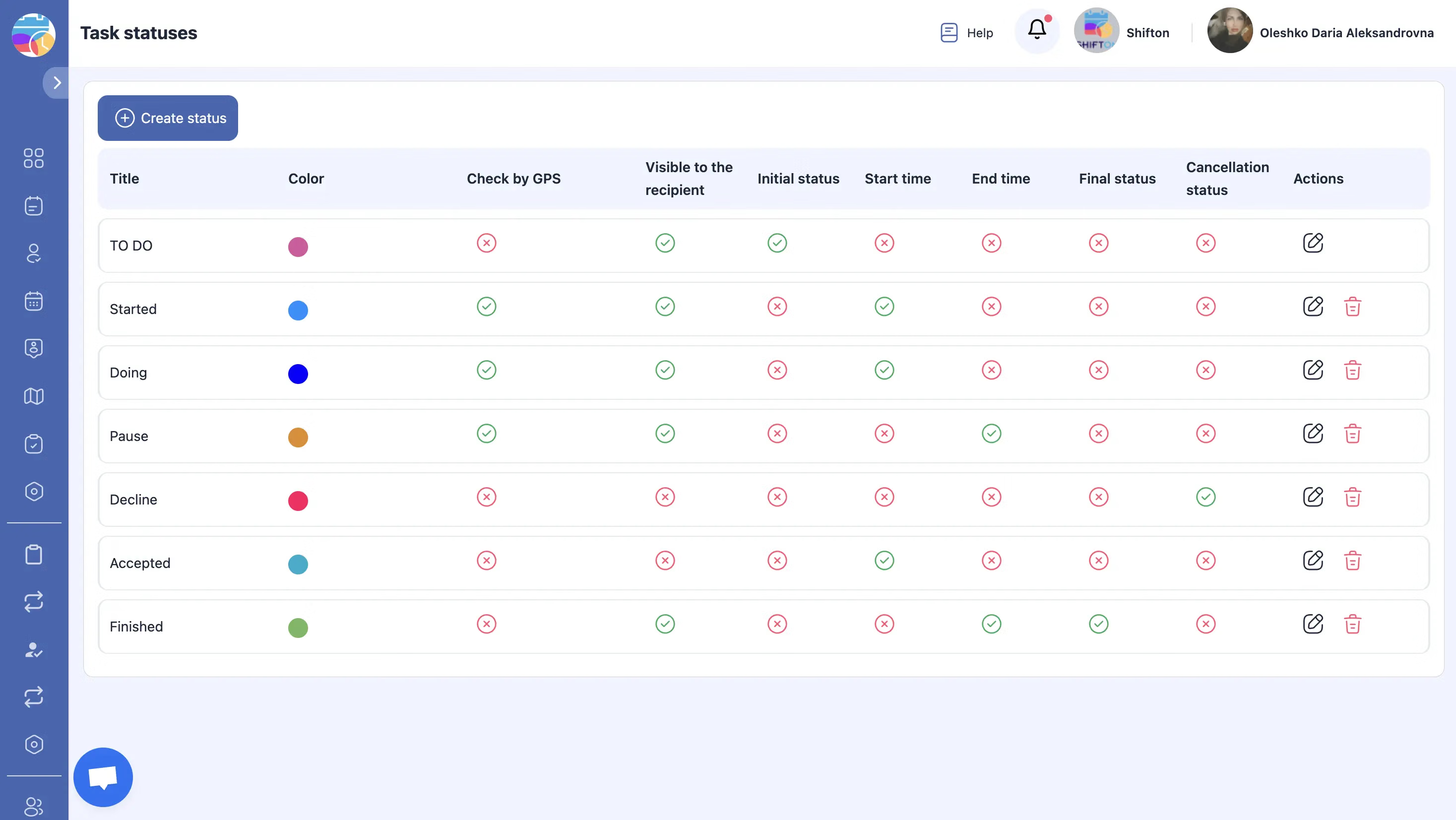
Tests that produce their own paperwork
Load bank tests, transfer switch checks and start tests exist to be evidenced. Digital forms capture the readings, the durations and the results where the work happens, so the certificate is a product of the visit rather than an evening of typing.
Contracts, parts and the numbers behind them
Maintenance contracts are priced on assumed visit counts and part usage. Only the field record shows what the contract actually consumed, per customer and per set.
Start with the Free Plan
No time limits. Get full access to core features and upgrade when you're ready.
Read the full guide to generator service software
A contract about a day that may never come
Standby generation is unusual among service industries because the customer buys availability rather than output. The set runs for a few hours a year in testing and, occasionally, for real. Everything the service contractor does is aimed at that moment, and the only proof that the work was effective is the record of the tests behind it.
That gives generator maintenance software a narrow and clear job. Make sure the scheduled visits happen, make sure the readings are captured accurately at the machine, and make sure the history of each set is available when a customer, an insurer or an auditor asks. Everything else is secondary.
Scheduling an estate rather than a calendar
Two clocks per set
Generators are due on calendar intervals and on run hours, and the two rarely agree. A set that carries a data centre through weekly tests accumulates hours faster than one sitting behind a small office. Tracking both per machine is the difference between a service regime that reflects use and one that treats every set as identical.
Access is the constraint
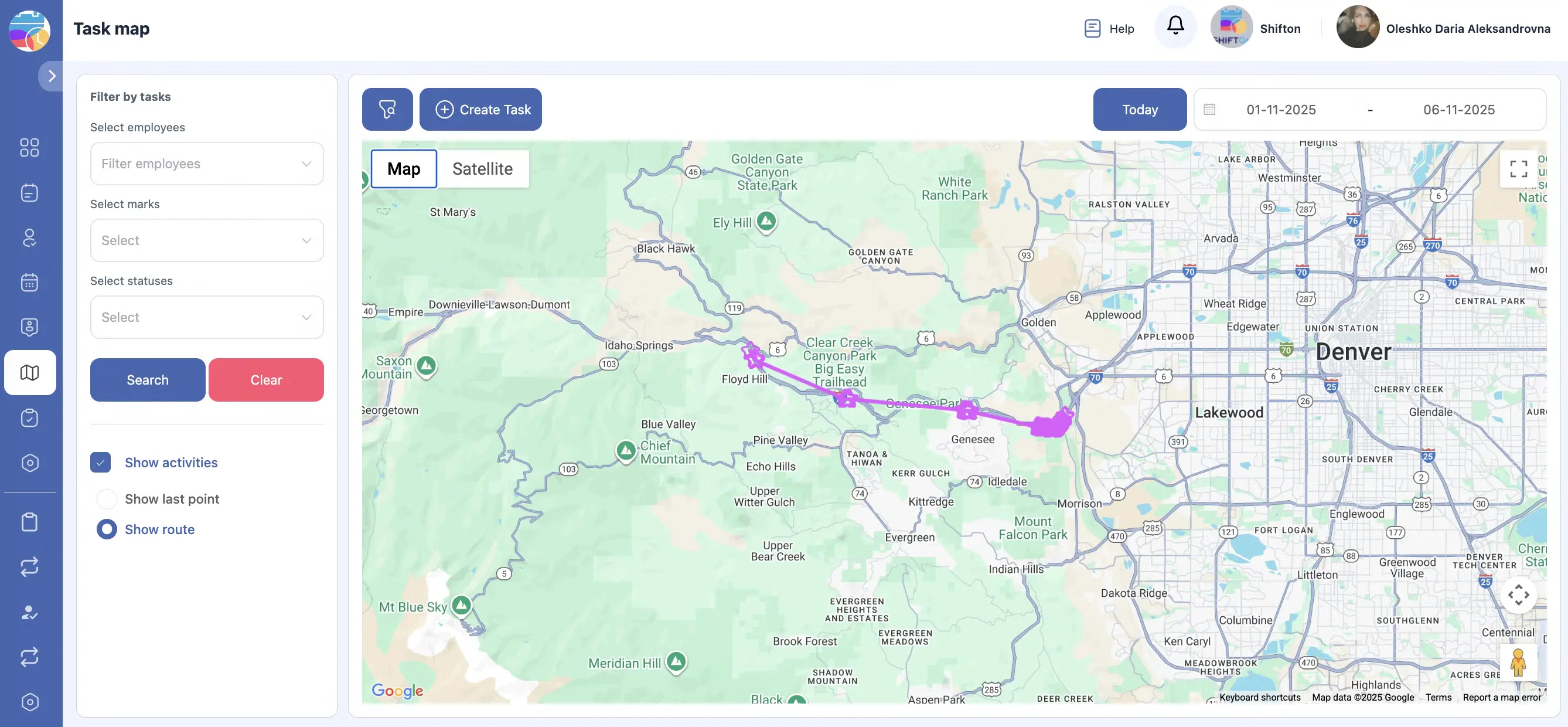
Plant rooms, rooftops, switch rooms and secure basements come with permits, escorts, isolation procedures and shutdown windows. These are not details, they are the reason a visit either happens or is rebooked. Holding them on the job card lets the schedule reflect what the building will actually allow.
Emergency work is the interruption that pays
A failed start is the call a standby contractor must answer, and it arrives on top of a full day. Holding routine and emergency work on the same board makes the trade-off explicit: the office can see which planned service is being displaced and tell that customer before they notice.
Readings are the deliverable
A generator service report is a set of numbers: voltages, frequencies, temperatures, pressures, load figures, run hours and fuel condition. Their value depends entirely on being recorded where they were taken. Numbers transcribed from a notebook hours later are the ones that get transposed, and a transposed reading in this trade can be the difference between a set that is fine and a set that is quietly failing.
Capturing them on a form at the machine also builds the trend. One set of readings describes a moment. Four years of readings attached to the same asset describe a machine, and that is what tells a customer whether to overhaul or replace.
Fuel, filters and what actually gets consumed
Consumables in generator servicing are predictable in theory and untracked in practice. Filters, belts, coolant, oil and fuel treatment leave the van and reappear in nobody's records. Attaching them to the job keeps the stock count honest and shows whether a maintenance contract is priced for the parts it really uses.
Proving the contract was delivered
Standby power contracts get scrutinised after an incident, and the questions are specific: when was the last service, was the load bank test completed, what did it show, who signed it. A service history built from completed jobs answers those questions in a search. A history built from filed paperwork answers them eventually, if the file is complete.
Starting with one estate
Load the sets for a single customer with their intervals, let the engineers complete their reports on the phone, and within one cycle the asset histories, the readings and the response figures exist without anyone compiling them. Contractors with two or fewer employees stay on the free plan permanently, and the paid modules carry a trial of up to 55 days.
Frequently Asked Questions
Can service intervals be tracked per generator?
Yes. Each set carries its own calendar and run hour intervals, and the visits are generated ahead of time with the right checklist attached, so a mixed estate stays compliant without a spreadsheet of due dates.
How are load bank tests recorded?
Through digital job forms completed at the machine. Readings, durations, temperatures and outcomes are captured on the phone with photographs where they help, and the site signs before the engineer leaves.
Does it handle emergency call-outs alongside planned work?
It does. A failed start or a fault is raised as a job with its own priority, the set history and the site access details attached, and it is scheduled on the same board as the planned services rather than in a separate list.
What happens in a plant room with no signal?
The mobile app holds the job and the forms on the device. Tests completed in basements and switch rooms sync when the phone finds signal again, and readings do not have to be retyped.
Can we see run hours over time for a set?
Run hour readings are recorded at each visit and stay on the asset record, so the history shows usage between services and supports the decision about when a set needs overhaul or replacement.
Is it suitable for a small service company?
Teams of two or fewer use the free plan with no time limit: scheduling, digital job forms, the mobile app and reports are included. Inventory, invoicing, location control and the customer portal are paid modules added later.
What does the platform cost a maintenance contractor?
The free plan covers up to two employees permanently. Beyond that pricing is per employee per month, and every paid module carries a free trial of up to 55 days, which covers a full service cycle across an estate.



Ready to transform your field operations?
Join thousands of field service companies that trust Shifton to run smarter every day.