

Roll Off Dumpster Software for Deliveries and Swaps
Deliveries, swaps and collections on one board, with the bin, the site photo and the disposal weight on the job.

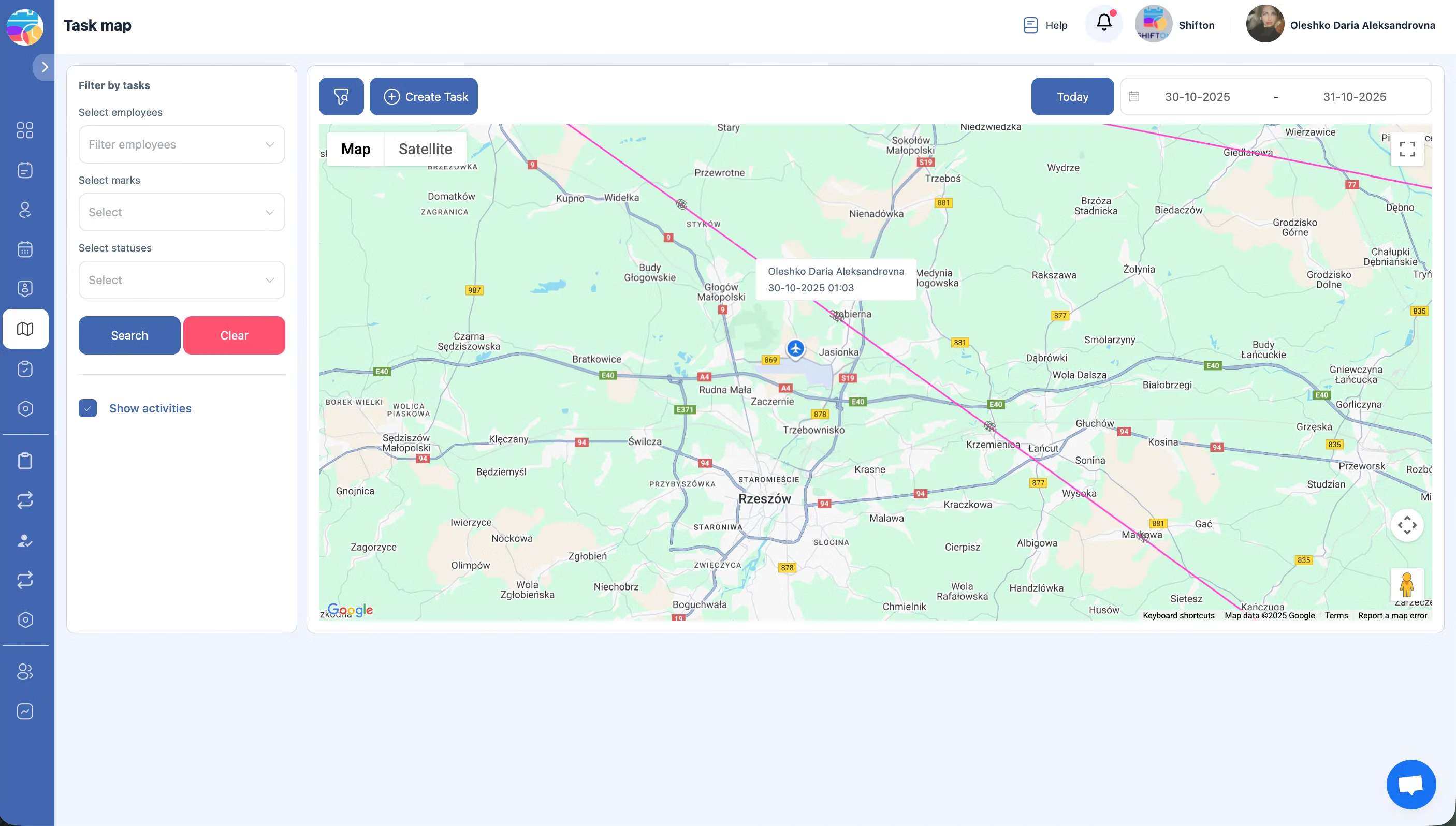
The day is drops, swaps and pickups
A roll off day is a sequence of movements, and each one depends on the truck being empty or loaded at the right moment. Planned as a list of appointments it fails quietly: the driver arrives to swap a bin with another already on the truck. Planned as a route of movements, with the truck state in mind, it works.
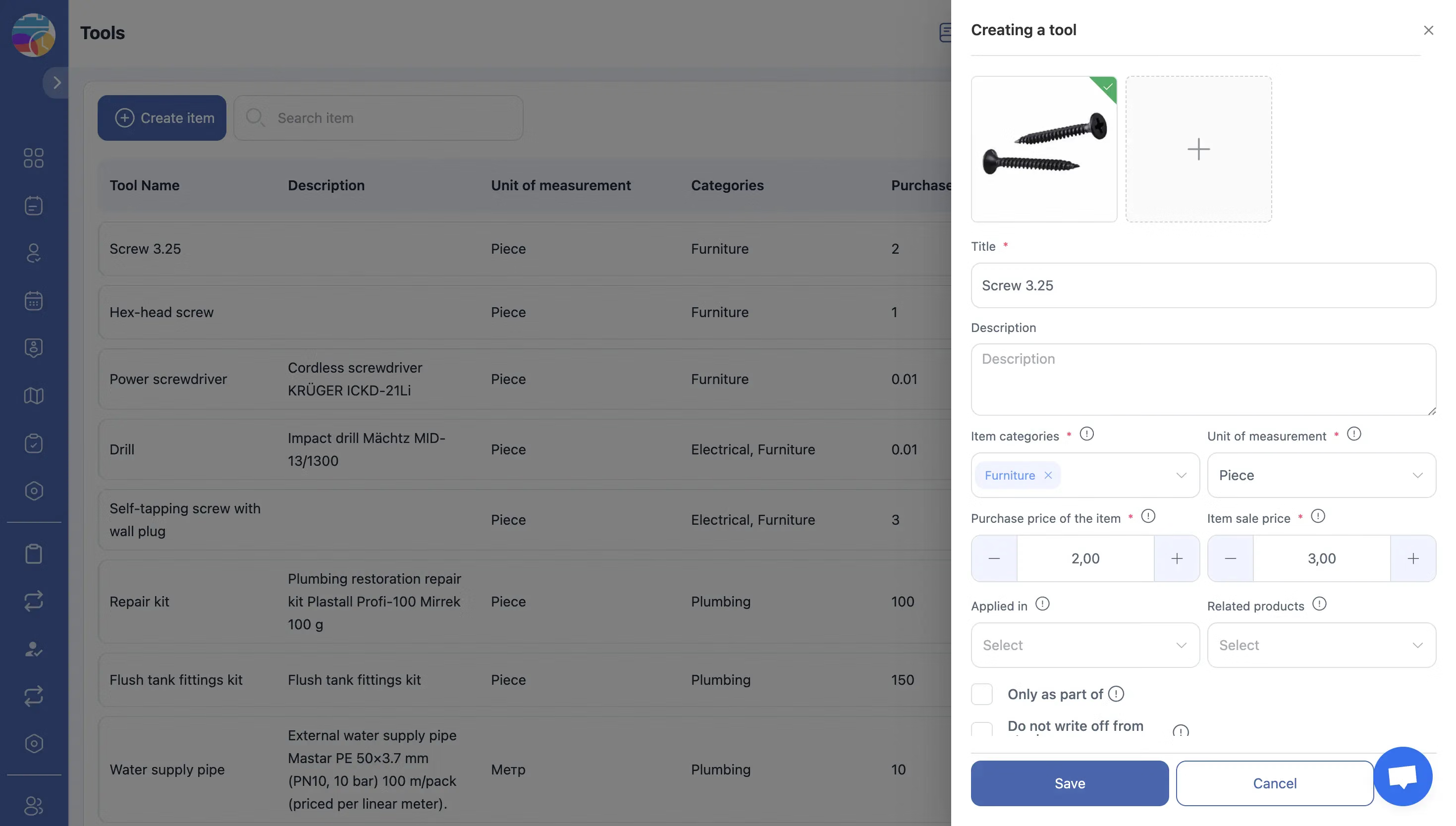
Knowing where every bin is
The most expensive question in this business is where the bins are. A container sitting on a finished site for three weeks is capital doing nothing and revenue nobody billed. Tracking each bin against the job it went to answers the question without a phone round.
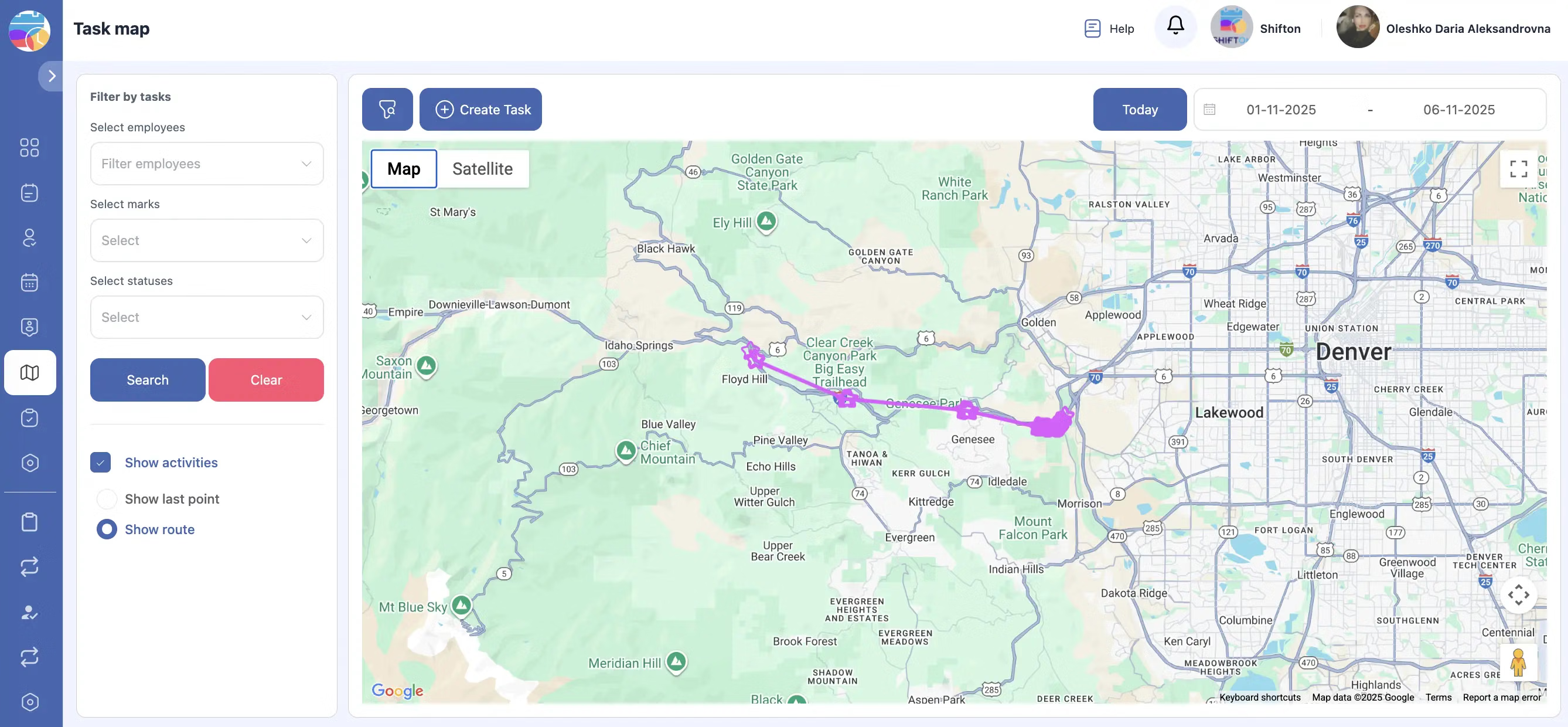
Site access, photos and the argument you avoid
Placement disputes are the routine friction of this trade: a damaged driveway, a bin left where the customer says they did not want it, a site the truck could not reach. A photograph taken at drop-off, attached to the job, ends most of them before they start.
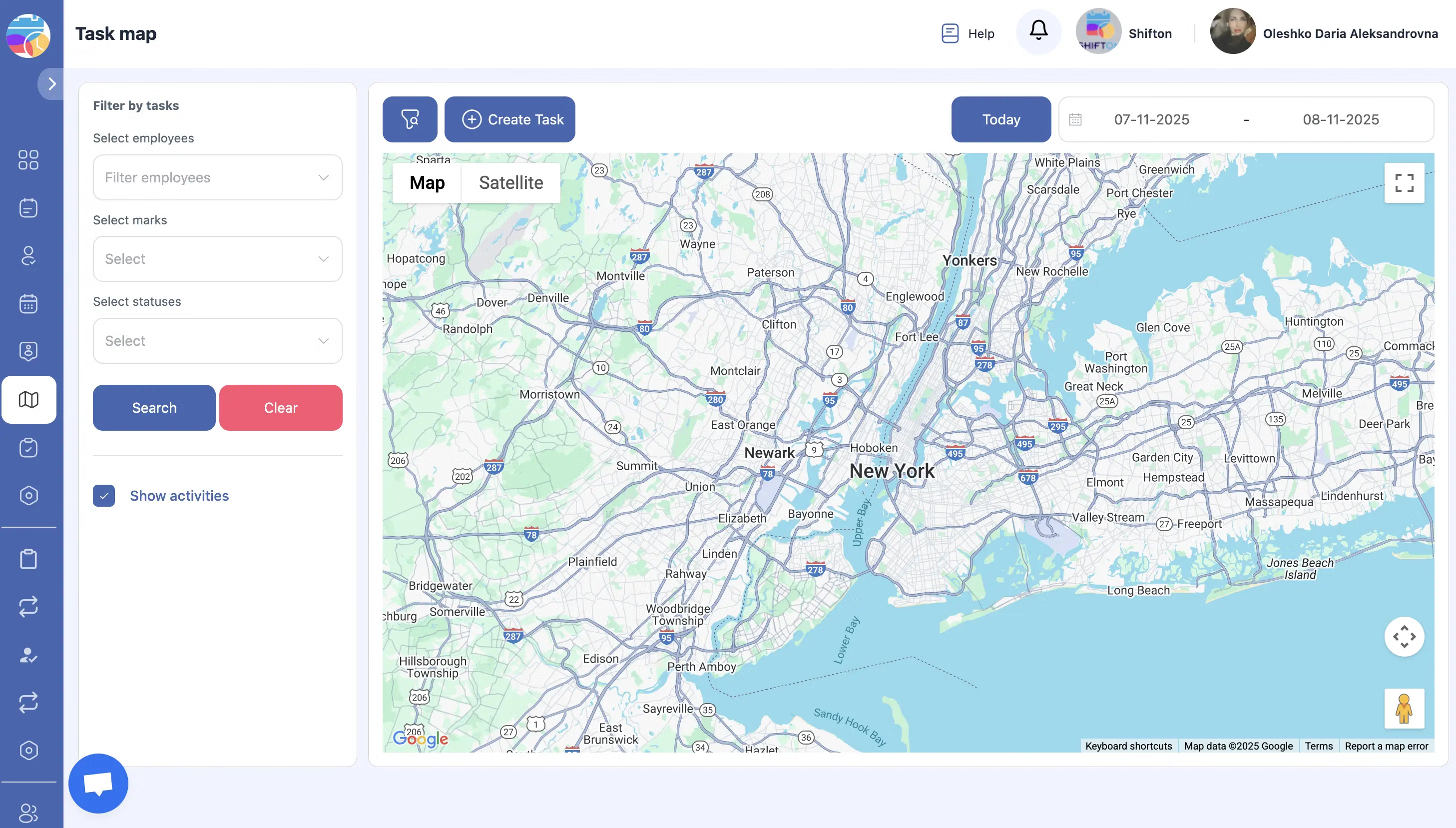
Weights, disposal and an invoice that adds up
Charges come from a rental period, a weight and sometimes a surcharge for what was in the container. All three are recorded at different points in the day, and all three belong on the job so the invoice is arithmetic rather than reconstruction.
Start with the Free Plan
No time limits. Get full access to core features and upgrade when you're ready.
Read the full guide to roll off dumpster software
A business made of movements
Roll off is not an appointment business, it is a movement business. Every job is a container going somewhere or coming back, and the constraint is that a truck carries one at a time. Software built around appointments misses this completely, which is how drivers end up scheduled to collect a bin while already loaded.
Modelling drops, swaps and pickups as distinct movements, in route order, is the difference between a plan that survives contact with the day and one that is being rebuilt by phone from nine in the morning.
Containers are the capital
The bins are the balance sheet. A container sitting on a completed site for an extra fortnight is an asset earning nothing, and in most cases the extra days are never billed because nobody knows how long it has been there.
Tracking each container against the job that placed it turns that into a report. Bins past their rental period appear on a list, which is either a call to the customer or an invoice, and both are better than the container quietly disappearing into a yard behind a builder's merchant.
The photograph at the drop
Damaged driveways, bins placed where a customer says they did not want them, and access that turned out to be impossible are the standing disputes of this trade. All of them are decided by what the site looked like when the container was set down.
A photograph taken at the drop, attached to the job with a time stamp, costs the driver half a minute and resolves nearly all of these conversations at the first message. Without it, the customer's recollection and yours are equally sincere and completely different.
Weights, tickets and where the invoice goes wrong
The bill has three parts: the haul, the rental period and the weight. They are recorded at three different moments and, in many operations, on three different pieces of paper. The invoice is then assembled at the end of the week from tickets, memory and a schedule, which is why disputes are common and why some hauls are never billed at all.
Recording the weight ticket and disposal destination against the job as it happens turns the invoice into arithmetic. It also produces the data that answers the harder question: which container sizes and which customer types actually make money.
Same day requests
Urgent pickups are good business and they are also how a route falls apart. The value of a live board is that the office can see what accepting one does to the rest of the day before agreeing to it, rather than promising a time and then discovering it costs two other customers their slot.
What to check
Does the tool understand swaps as two movements. Can it tell you where every container is and how long it has been there. Can a driver photograph a placement in seconds without a signal. Can the invoice be built from movements, weights and rental days.
Starting free
A small operator with one truck runs free with no time limit: scheduling, digital job forms, the mobile app and reports are included.
Modules are added as the fleet grows, each with a free trial of up to 55 days: invoicing to bill from the movements, location control when several trucks are running, the customer portal when contractors want to book and track their own containers.
The parts are documented separately: task management and dispatch, the mobile app, digital job forms, job history, invoicing and reports. Prices are on the pricing page.
Frequently Asked Questions
Can drops, swaps and pickups be planned as different jobs?
Yes. Each movement is its own job on the route, so a swap is understood as a pickup and a delivery rather than a single appointment. That is what stops a driver arriving to collect a container with a full one already on the truck.
How do we know where every container is?
Each bin is recorded against the job that placed it, with the date. Days on site are counted from that record, so containers past their rental period are visible rather than being discovered when somebody notices one missing from the yard.
Can drivers photograph the placement?
A photograph taken at drop-off is attached to the job with a time stamp, along with any access notes. That settles most placement and damage disputes immediately, which in this trade is a routine and expensive category of argument.
Does the app work at sites with no signal?
The mobile app for iOS and Android keeps the job, the checklist and the photos on the device and syncs when a connection returns, so rural and industrial sites are recorded normally.
Can weights and disposal be recorded?
The weight ticket and disposal destination are recorded against the job, which means the invoice is built from rental period, haul and weight rather than assembled from tickets in a cab at the end of the week.
Is this workable for a small operator with a few containers?
Teams of two or fewer run free with no time limit: scheduling, digital job forms, the mobile app and reports are included. Paid modules such as invoicing and location control are added as the fleet grows.
What does container hire software cost?
The free plan covers up to two employees permanently and above that pricing is per employee per month. Every paid module carries a free trial of up to 55 days, long enough to run a full quarter of hauls through it.



Ready to transform your field operations?
Join thousands of field service companies that trust Shifton to run smarter every day.