

Subcontractor Scheduling Software for Drywall Crews on Site
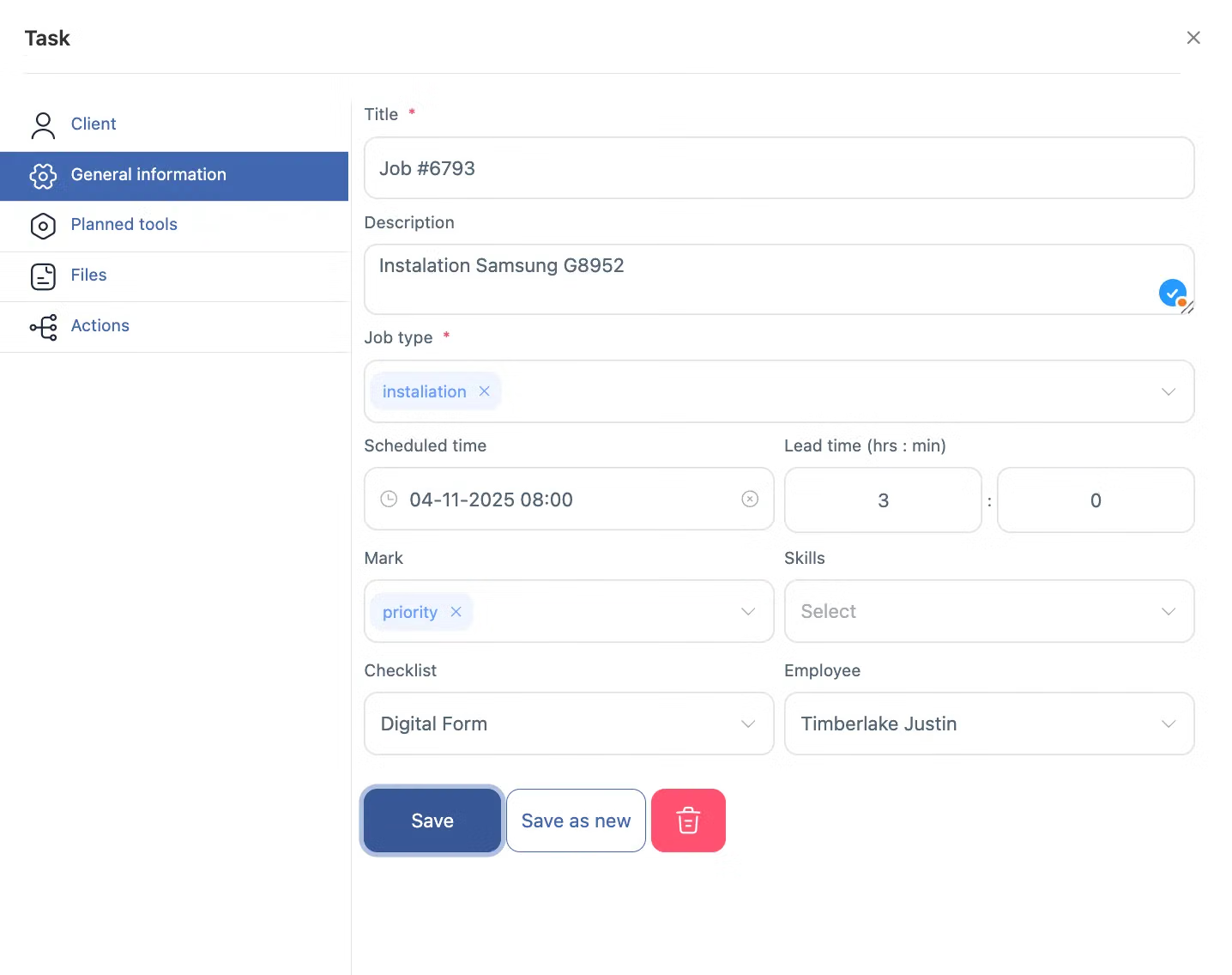
Crews allocated across sites by stage, boarding and finishing tracked separately, and hours recorded where the work happened.
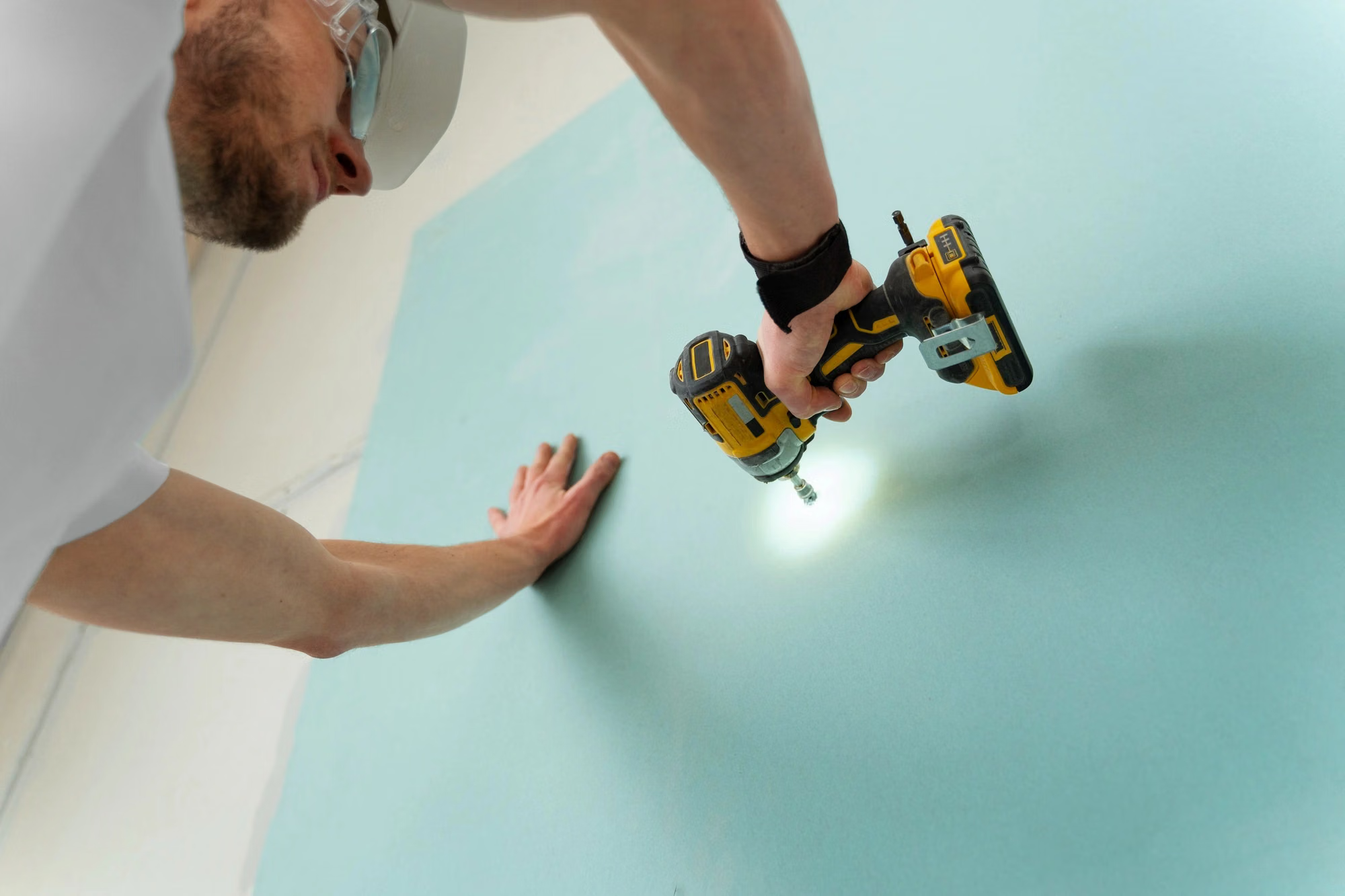
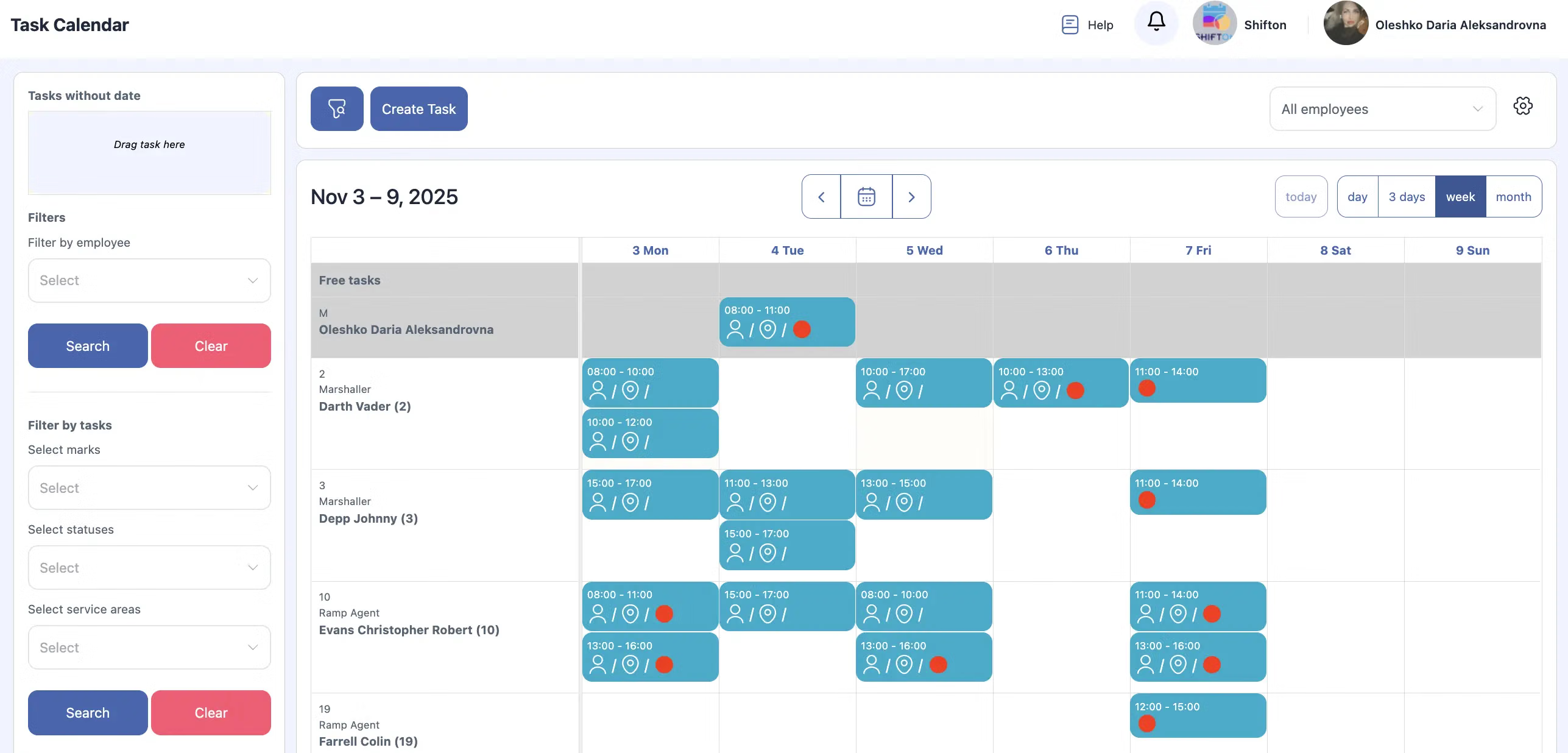
Boarding and finishing are two different schedules
Drywall is not one trade with one crew. Boarding, taping and finishing happen at different times, often by different people, and a plan that treats the job as a single block hides the gap where the site sits waiting between them.
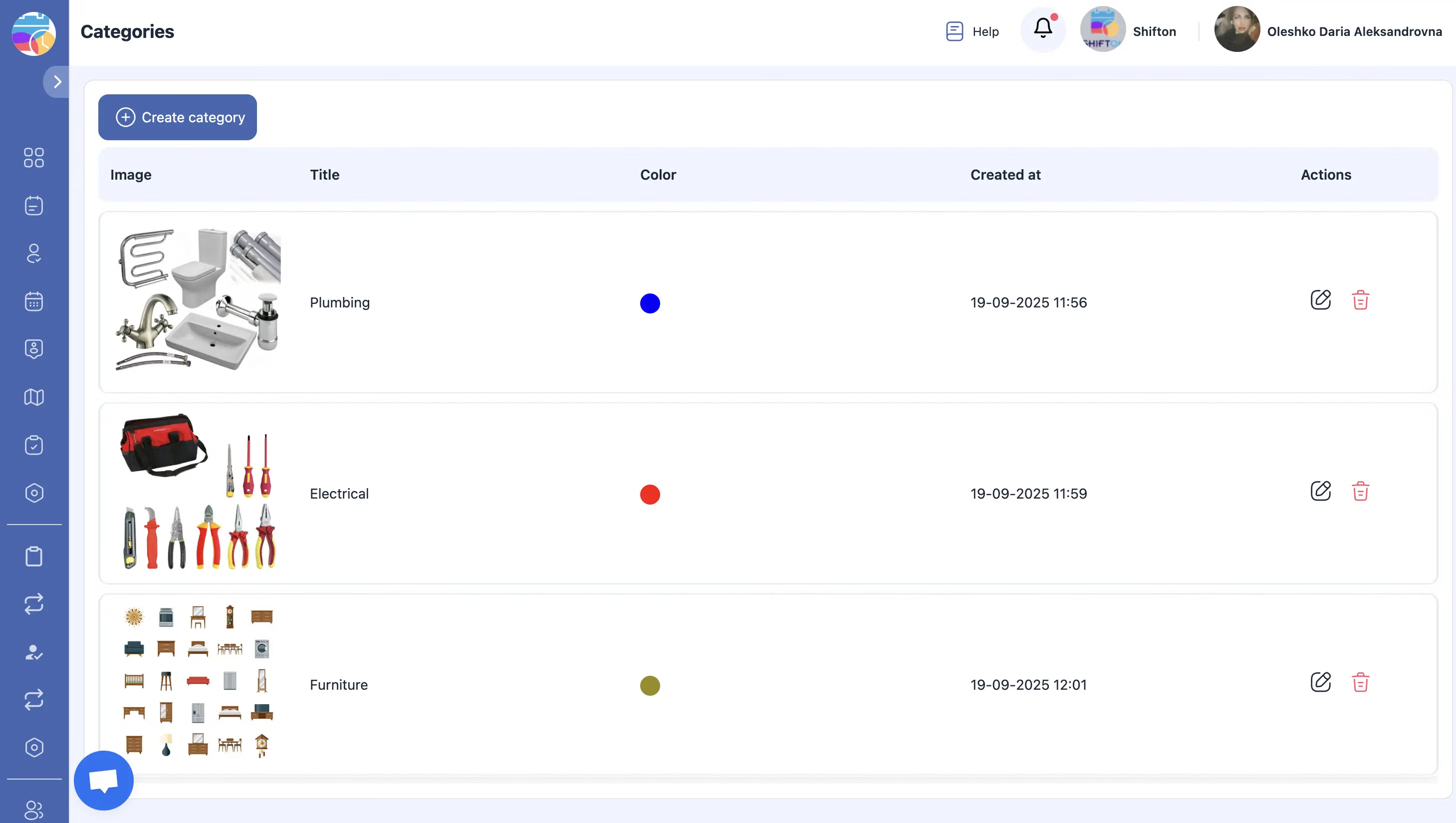
Crews that move between sites in the same week
Drywall firms run several sites at once with crews that split their time, and the question of who is where becomes unanswerable by phone as soon as there are four active jobs and a sick day.
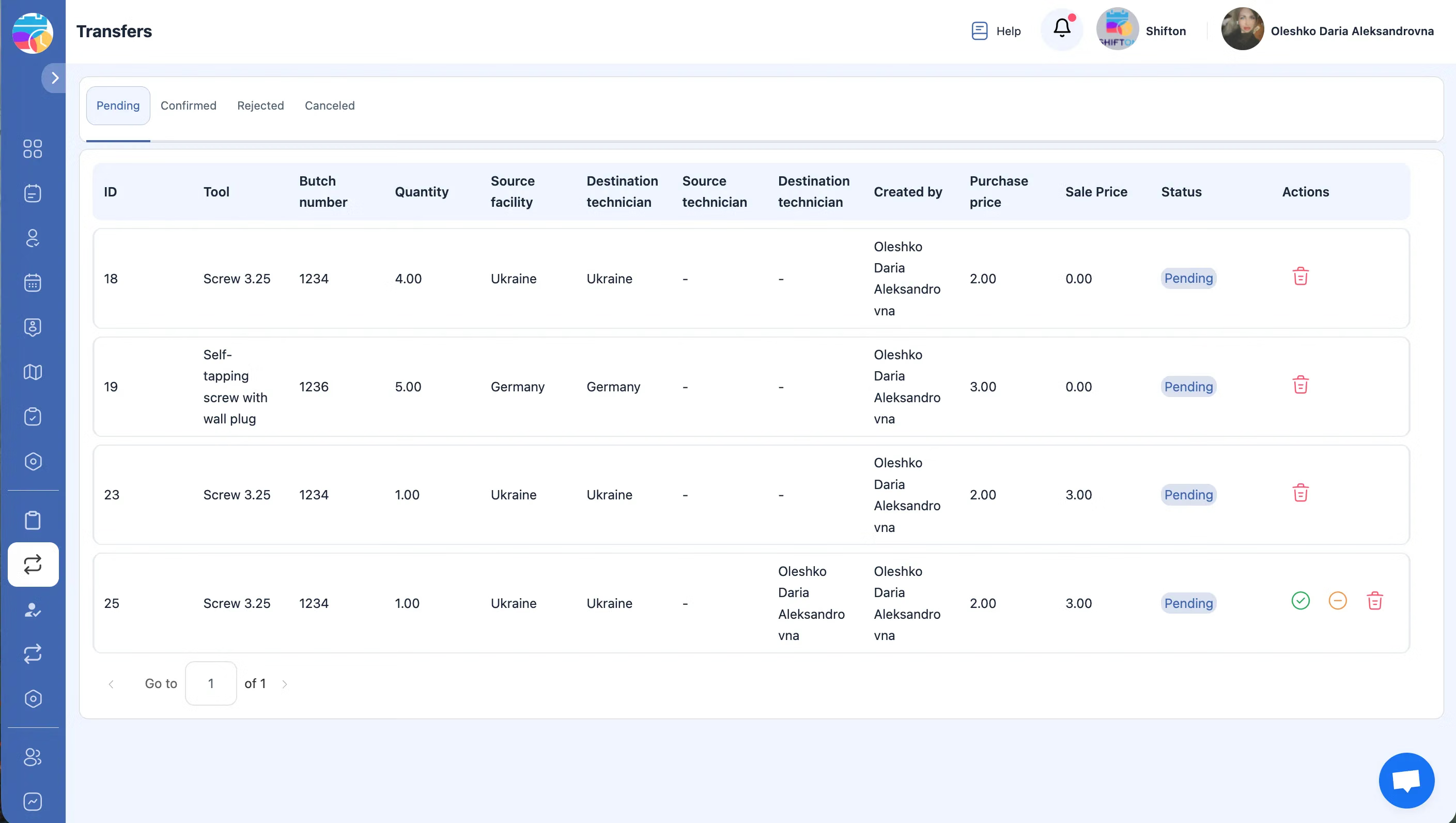
Snagging, and the evidence that ends it
Every drywall job ends in a list of defects, and every list contains items that were not the drywaller's fault. Without dated photographs, that argument is settled by whoever is most insistent.
Hours, travel and what a crew day really costs
Site labour is the whole cost base in drywall. Hours written on a Friday from memory are wrong in both directions, and neither error is discovered until somebody prices the next job using them.
Start with the Free Plan
No time limits. Get full access to core features and upgrade when you're ready.
Read the full guide to scheduling drywall crews across sites
The scheduling problem in drywall is sequencing, not allocation
A drywall business with twenty people and five sites does not struggle to work out who is available. It struggles because the work has an order, that order depends on other trades, and the moment one of them slips the whole allocation has to be redone with crews who are already halfway across the city.
This is why subcontractor scheduling software is a better description of what the trade needs than crew scheduling. The unit being scheduled is not a person for a week, it is a stage of work on an area of a building, and it moves whenever the programme moves.
Stages, and why they should not be one job
Boarding
Fast, visible and easy to plan, which is why it is the part most firms schedule well. It also produces the most material handling, so access, lifts and delivery timing decide the pace more than labour does.
Taping and jointing
Dependent on what came before and on conditions: temperature, humidity and drying time between coats. Booked too early it wastes a day, booked too late it holds up decorators who are already on site.
Snagging
The stage nobody schedules and everybody does. It is genuine work, it costs crew days, and when it is invisible in the plan those days come out of the margin of the next job instead.
The main contractor's view of you
Drywall subcontractors are rehired on reliability rather than price, within reason, and reliability is judged on a narrow question: does this firm turn up when the programme says and tell us early when it cannot.
A live board answers that in a way a phone call cannot. When the office can see that Thursday's crew is committed elsewhere, the contractor hears about it on Tuesday. That single habit is worth more commercially than any efficiency gain inside the business.
Evidence, deductions and the end of a job
The last ten per cent of a drywall contract is where money is lost. Defect lists arrive, some items belong to other trades, damage appears in areas finished weeks earlier, and retention is held against all of it.
Dated photographs taken as areas are completed change that negotiation completely. So does a record of when the crew was on site and what they handed over. None of it is sophisticated; it simply has to exist, and it only exists if capturing it was easy on the day.
What Shifton Field Service covers
It plans crews and stages across multiple sites, carries the job to the phone, records progress and hours, and reports on both. Crews of two or fewer pay nothing, with no time limit, for the board, the app, forms and reporting; invoicing, inventory, location control and the customer portal sit behind a price.
It does not estimate, price or measure work, and it is not a construction project management platform for the whole site. It is the workforce layer for the subcontractor, which is a smaller and more specific job than either of those.
Frequently Asked Questions
Can boarding and taping be scheduled as separate stages?
Yes. Each stage carries its own crew, duration and dependencies, so the finishers are scheduled when there is something to finish rather than being booked against the job as a whole.
Can hired-in crews be scheduled alongside our own?
They can. Employed crews and subcontract labour sit on the same board, which is how the site sees them, and hours are recorded the same way for both.
How do we prove damage was caused by another trade?
Photographs and notes attach to the job with the date they were taken. An area photographed at handover and again when a defect is raised is the difference between a deduction and a conversation.
Does a shell with no coverage stop the record?
No. The stage, its checks and its photographs are held on the device, so a crew working in a shell or a basement records everything and syncs when the phone finds a network.
Does it estimate materials or price work?
No. This plans and records the work rather than pricing it. Drywall estimating and take-off stay in whatever package you already use; the crews, the sites and the hours live here.
Can we see how long an area actually took?
Hours are recorded against the site and the stage, so the cost of a floor or an area is a number rather than an impression, and the next job can be priced from it.
What does a two person crew pay?
Free covers up to two people with no time limit and no reduced feature set on the essentials: scheduling, the app, forms and reports. The paid modules are invoicing, inventory, location control and the customer portal.


Ready to transform your field operations?
Join thousands of field service companies that trust Shifton to run smarter every day.