

Blasting, Coating and Inspection Records for Industrial Painting Crews
Work planned by area and coat, site conditions and film readings logged as they are taken, and hold points signed before the next stage starts.
Conditions before every coat
Protective coatings fail when they go on in the wrong conditions: steel too close to the dew point, humidity too high, surface contaminated after blasting. The specification sets the limits, and the client's inspector will check the records against them.
Hold points belong on the job
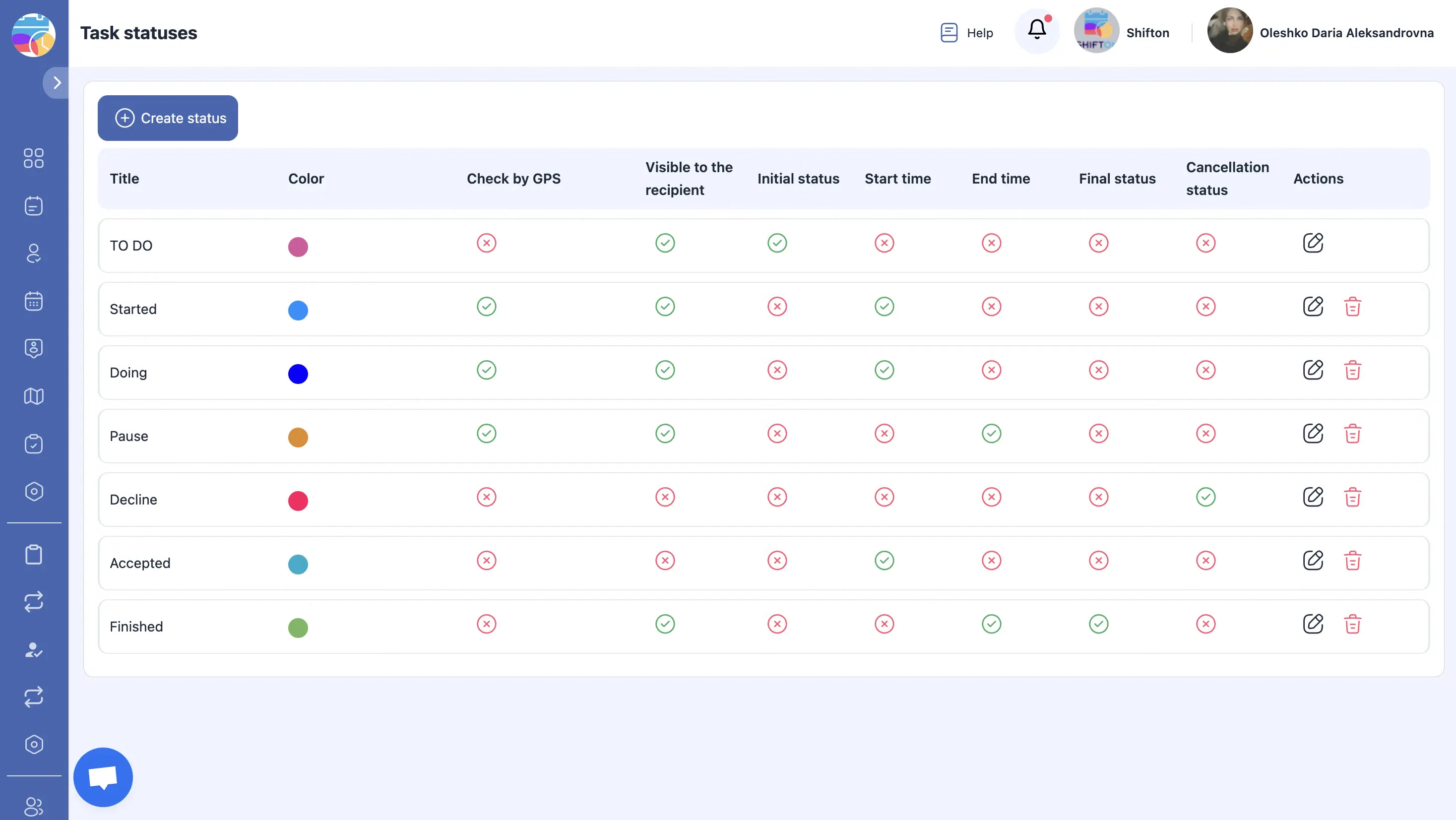
Industrial coating work moves through inspection stages: surface preparation accepted, primer thickness checked, each subsequent coat checked, final inspection. The next stage should not start until the previous one is signed off.
Shutdowns and access
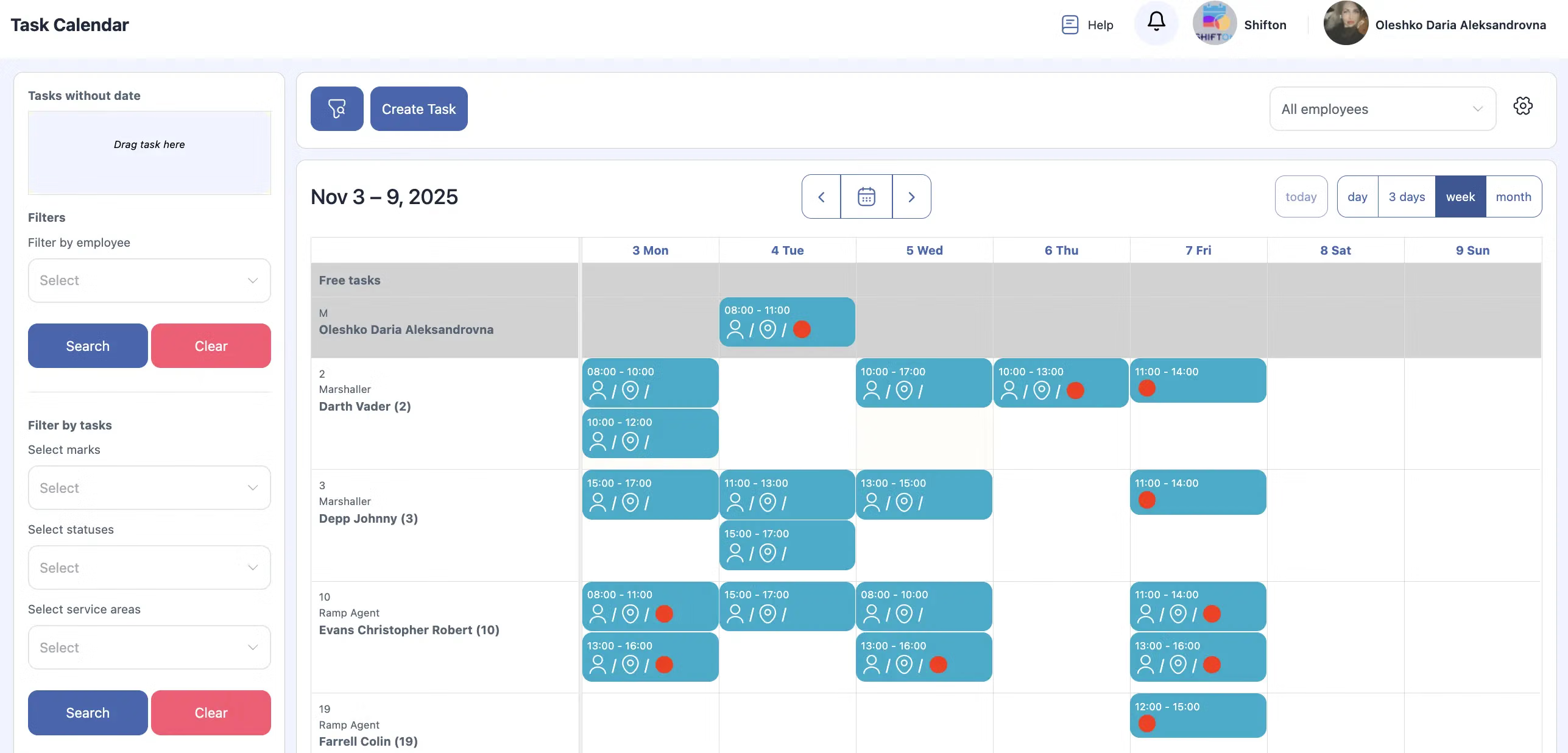
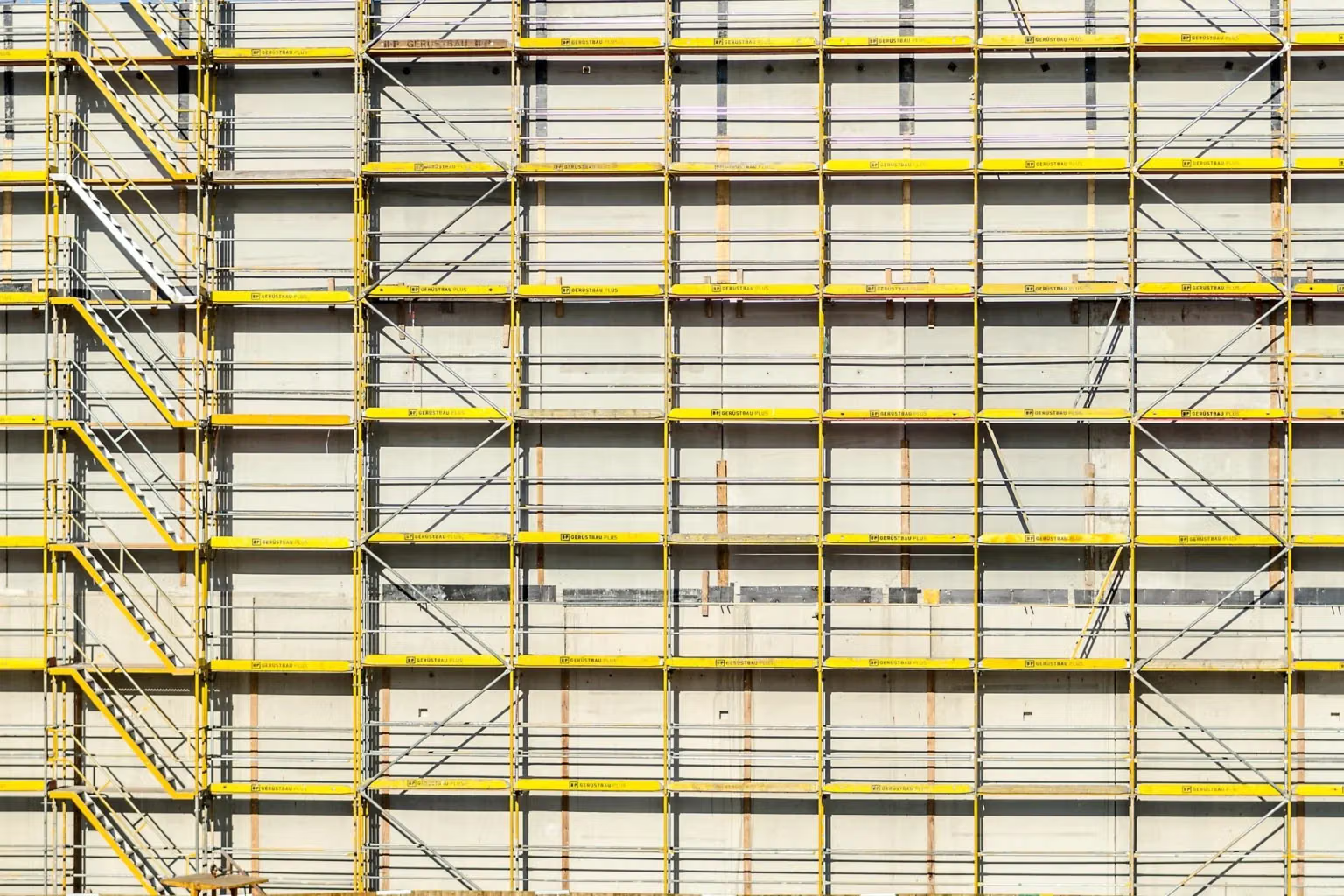
Much plant painting happens during shutdowns, when a process unit is offline for a fixed window. Access depends on scaffolding, permits and other trades, and crews often work day and night to finish before restart.
Materials and batches
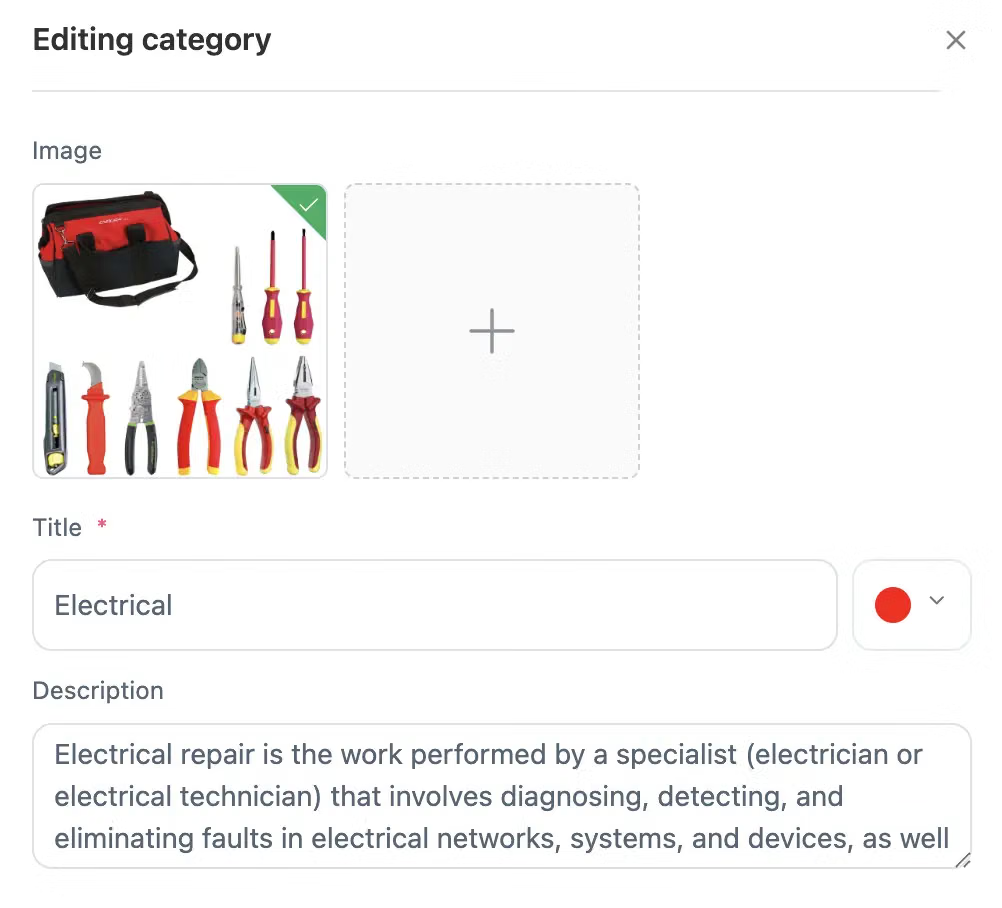
Coatings are specified by product, and inspectors often want batch numbers recorded per area. Two-pack products have pot lives and overcoat windows that decide when the next coat can go on.
Start with the Free Plan
No time limits. Get full access to core features and upgrade when you're ready.
Read how coating contractors plan shutdowns and inspection stages
Where industrial painting software helps
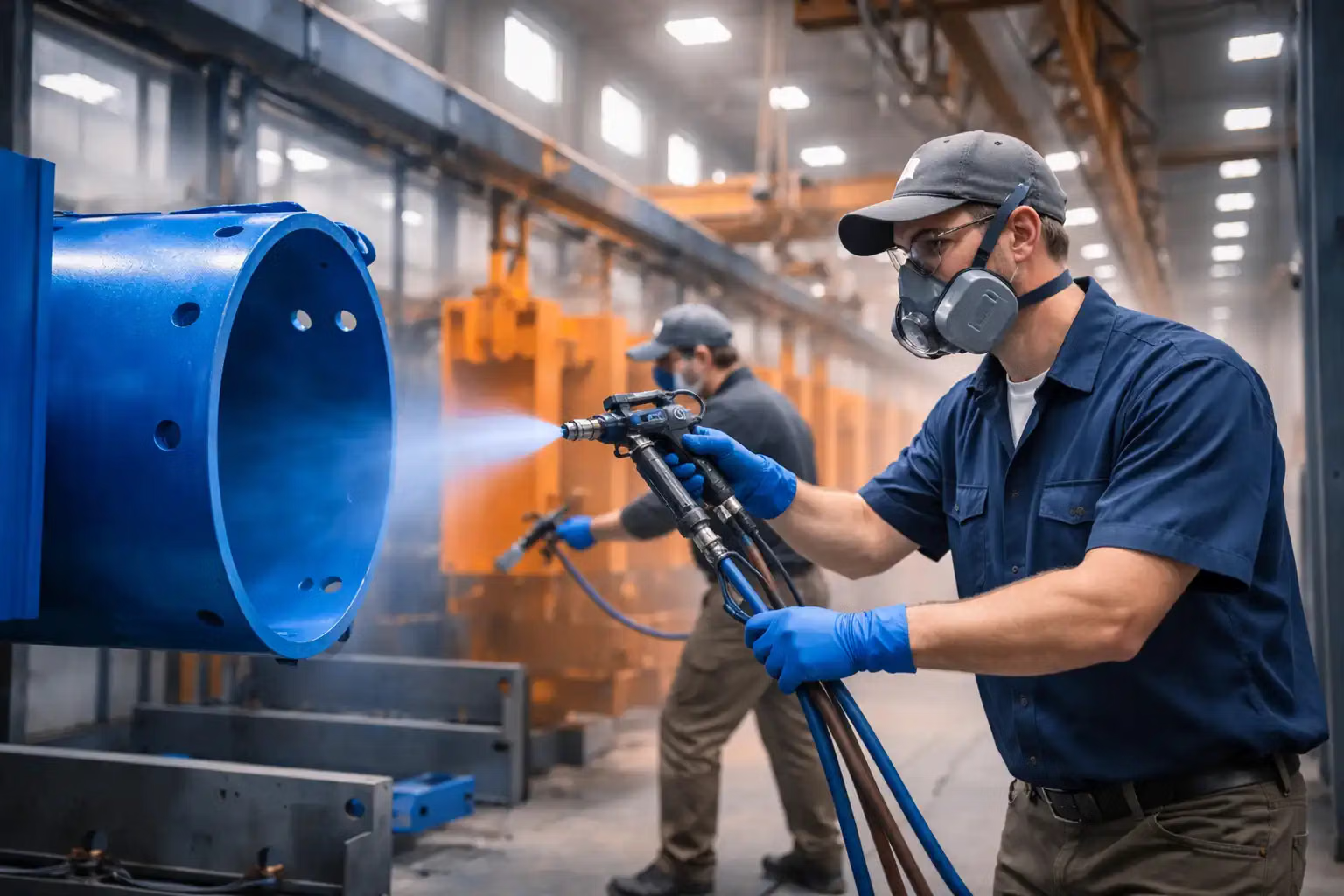
Industrial painting software for protective coatings contractors has less to do with colour and more to do with evidence. The work is steel, concrete and plant equipment: storage tanks, pipe racks, structural steel, bridges. The client pays for a coating system that has to last, and the only proof it was applied correctly is the record made while it was applied.
Coating inspection on the job
Coating inspection is usually done by an independent inspector or the client's own quality team, but the contractor's crew collects most of the readings. Temperature, humidity, surface profile, wet and dry film thickness, and holiday testing on linings all need to be written down against the right area. When those readings go into a form on the phone at the moment they are taken, the inspector's report and the contractor's records agree.
Blasting first
Abrasive blasting sets the pace of most jobs. It is noisy and dusty, often needs other trades cleared from the area, and the blasted surface has to be primed before it flash-rusts, sometimes within hours. Planning blast and prime as linked tasks, with the same crew or a second crew following directly behind, stops cleaned steel from sitting overnight and being blasted again.
Why coating schedules slip
Weather is the obvious cause on outdoor work: rain, fog in the morning, a cold night that leaves the steel below the dew point until noon. The less obvious causes are scaffolding that is not handed over, a permit that was not issued, a delivery of the wrong product, or another contractor still working in the area. Each delay is worth recording with its reason, because the daily record is what the claim is built on. A photo of the idle crew next to wet steel at nine in the morning is hard for anyone to dispute later.
Travel matters too. Industrial painting crews often work far from base for weeks, with hotel stays and long shifts. Hours per job, including standby when conditions stop work, show the true cost of a contract and support claims for delays that were not the contractor's fault. They also show which crews finish areas at the rate the estimate assumed.
What Shifton Field Service does
It schedules crews by area and shift on one board, puts condition checks, inspection stages and checklists on the crew leader's phone, and keeps readings, photos, signatures and hours with each job. A crew of one or two can run the board, app, forms and reports on the free plan indefinitely; invoicing, inventory, GPS location control and the customer portal are added for a fee.
It is not coating inspection instrument software, it does not import readings from gauges, and it does not write specifications. It keeps the crew organised and the records complete.
Frequently Asked Questions
Can crews record dew point and humidity before they start coating?
Yes. The condition check is a form on the job, filled in on the phone with the readings and the time, and repeated whenever the specification requires.
How do we record film thickness readings per area?
Each area is a task with its own form, so readings are entered against the right surface and coat, and they appear in the job's report.
Can the client's inspector sign off hold points on site?
The inspector signs on the crew leader's phone when a stage is accepted, and the signature is stored with the stage and the time.
What is the cost for a crew of two painters?
A crew of two pays nothing, with no time limit, for the schedule board, mobile app, forms and reports. Invoicing, stock, GPS location control and the customer portal are separate paid modules.
Can we track paint batches, thinners and abrasive?
With the paid Inventory module, materials are held in stock and quantities are recorded against each job, alongside the batch numbers your crew enters.
Can we plan day and night crews during a shutdown?
Yes. Both shifts are planned on the same board with their areas and tasks, so the night crew sees exactly where the day crew stopped.

Ready to transform your field operations?
Join thousands of field service companies that trust Shifton to run smarter every day.