

Fence Contractor Software for Crews and Installs
Surveys, installs and repairs on one board, with the run length, the materials and the photos on the job.

Installs are days, not appointments
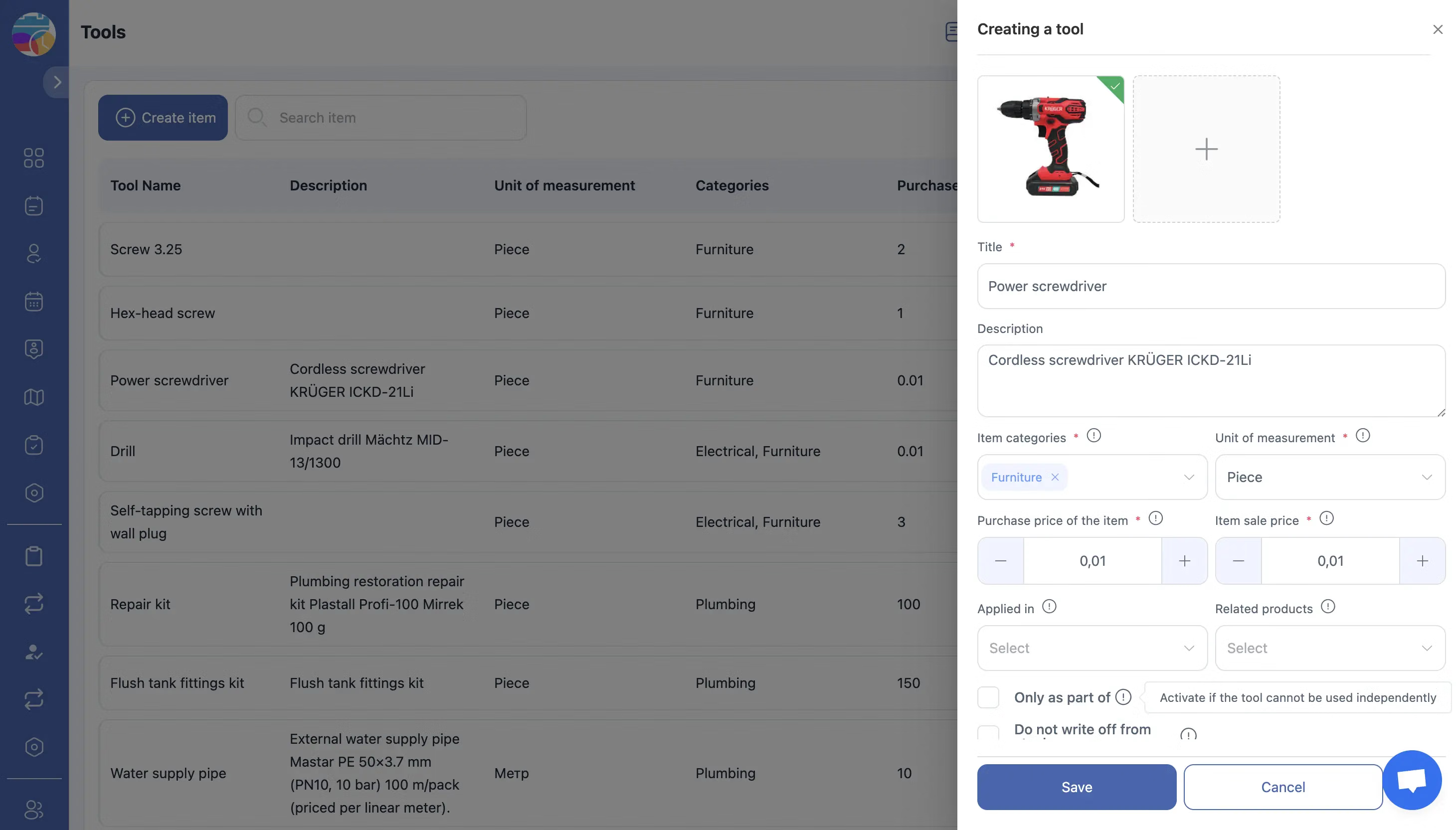
A fence install is a crew, a delivery and two or three days of work, and it depends on materials arriving and on the ground being workable. Held as a single diary entry, none of that is visible. Held as scheduled days against a crew, the plan shows what a delay actually does.
The survey travels to the crew
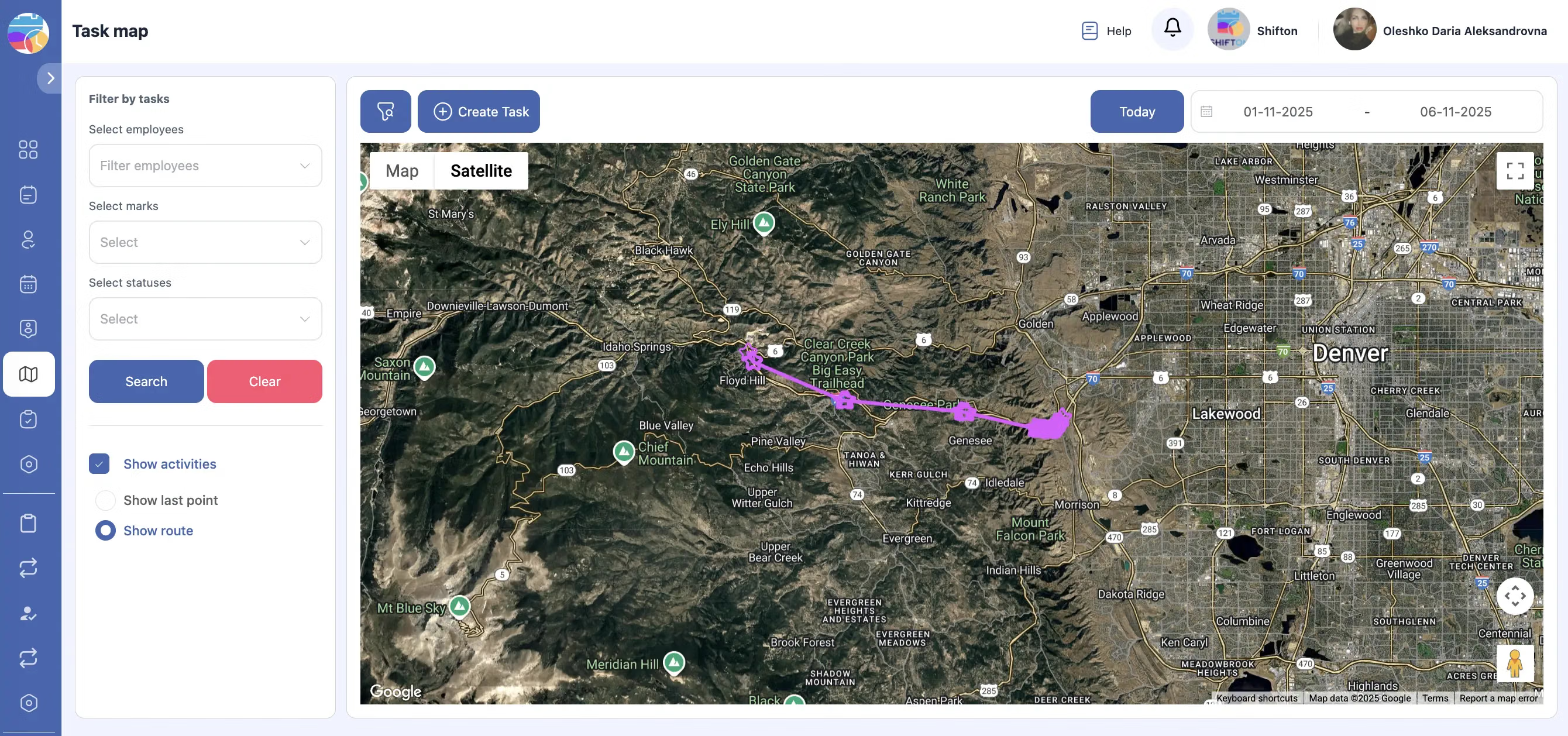
Run length, post centres, panel type, gate positions, ground conditions, the slope that needs stepped panels, the neighbour's boundary that is disputed. All established at the survey and all easy to lose. On the job card it reaches the people digging.
Posts, panels and the material list that has to be right
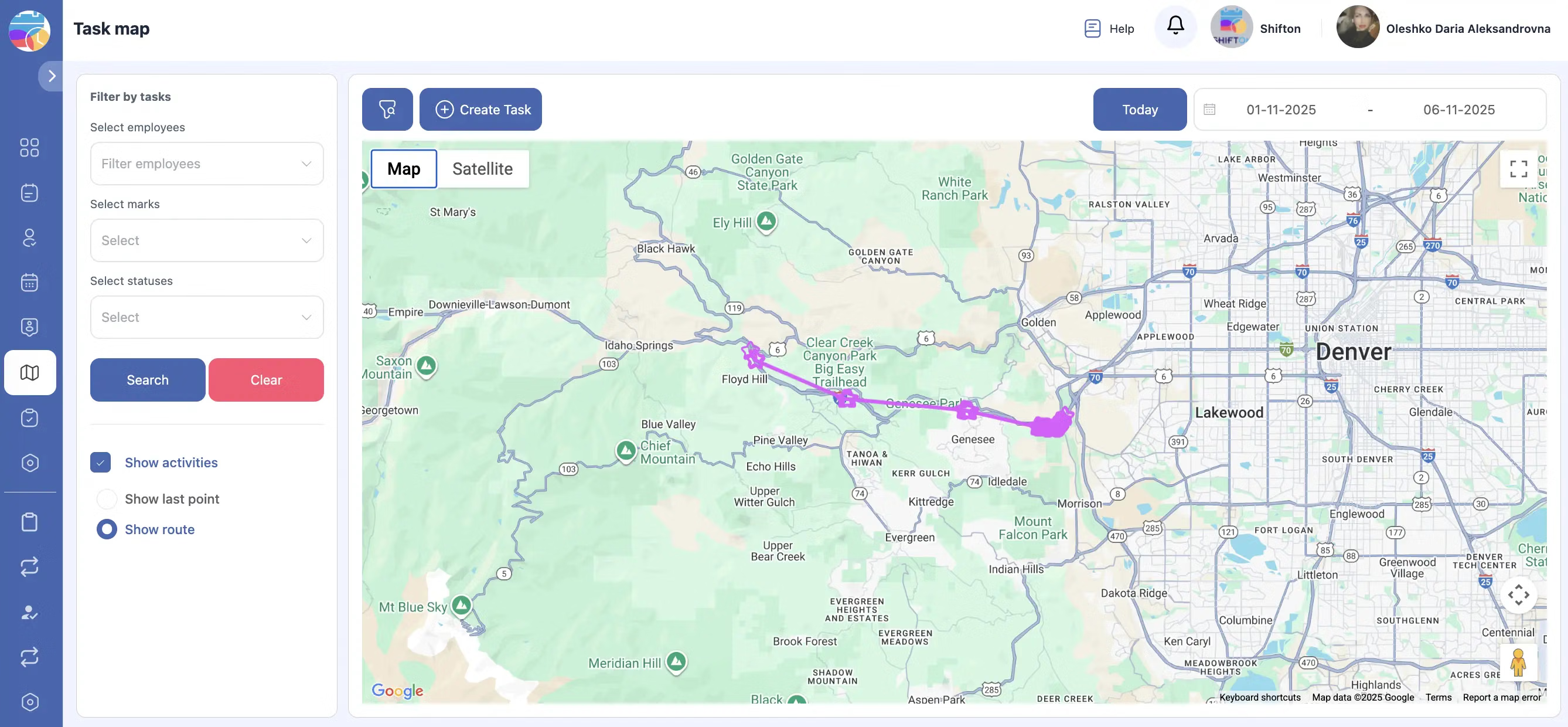
Fencing materials are bulky, ordered per job and expensive to get wrong. A short delivery costs a day. Recording what was used against the job shows where the estimates run light and which jobs consumed more than they were priced for.
Handover, photographs and getting paid
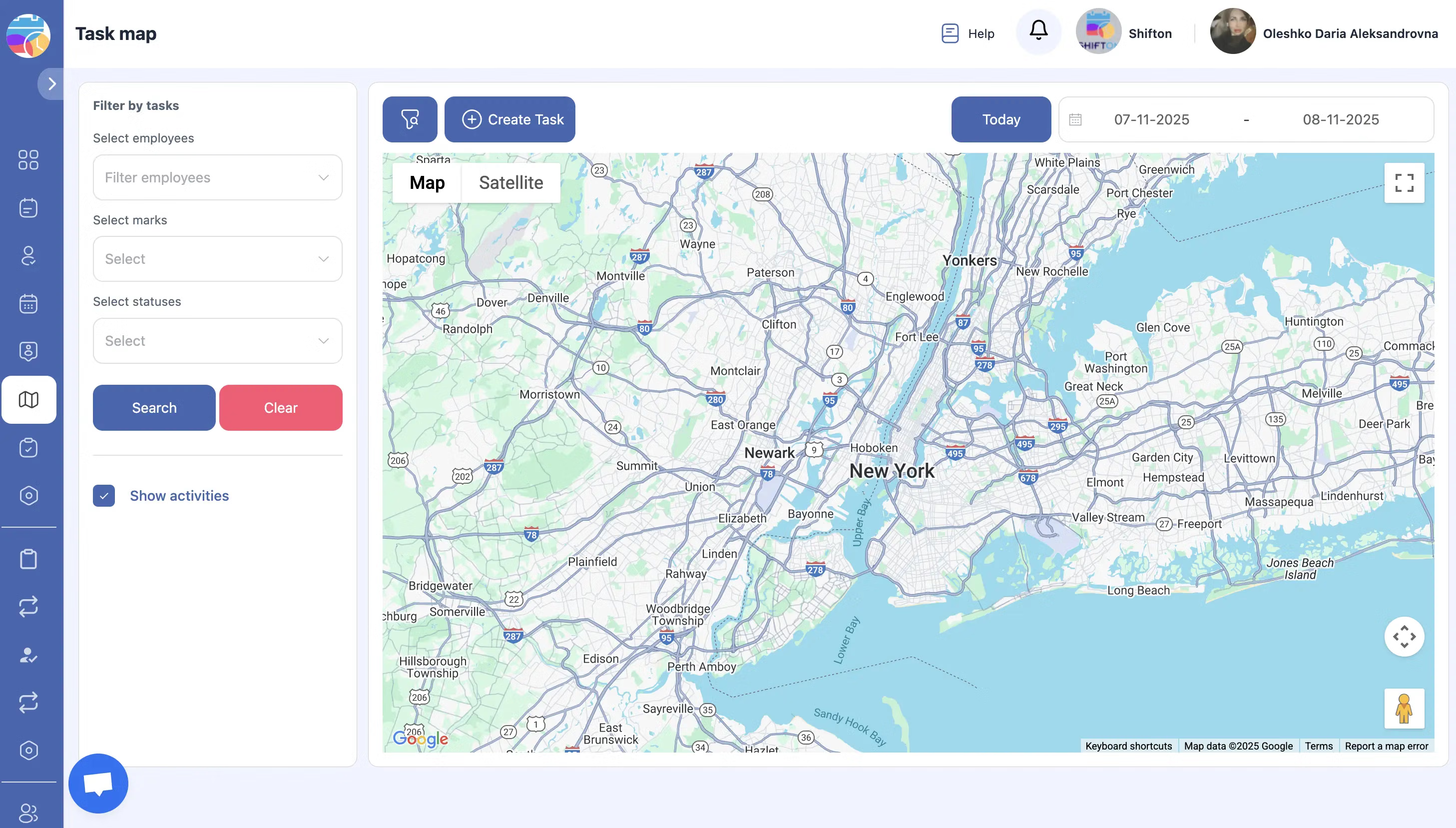
A finished fence is signed off on site. Photographs of the completed run, the gates operating and the ground made good are the record that closes the job and settles the questions that arrive after the first storm.
Start with the Free Plan
No time limits. Get full access to core features and upgrade when you're ready.
Read the full guide to fence contractor software
Fencing is a materials business with a crew attached
The labour on a fence install is predictable. Two people, a day per so many metres, longer on a slope or in stony ground. What is not predictable is whether the right materials are on site on the right morning, and that single question decides more lost days in fencing than weather does.
Any software that helps a fencing contractor therefore has to hold the delivery as part of the job rather than as somebody else's problem. A crew standing on a site with no posts is the most expensive thing that happens in this trade, and it happens because two systems, a diary and a supplier order, are not looking at each other.
The survey is where the money is made or lost
Everything about a fencing quote comes from the survey: the run, the post centres, the ground, the slope, the access for a mini digger, whether the old fence has to be removed and taken away. Get any of those wrong and the job is priced wrong, and the crew discovers it on day one.
What should be on the job card
Measurements, materials, gate positions, ground conditions and photographs. The photographs matter twice: they tell the crew what to expect, and they establish what the boundary looked like before you touched it. Boundary disputes with neighbours are common enough that this is worth the thirty seconds on its own.
Estimating improves only if the actuals are recorded
Most fencing businesses estimate from experience, which is a polite way of saying from memory. Memory is good on labour and poor on materials, because materials are consumed in quantities nobody counts at the end of a job.
Recording what was used against the job produces, after a season, a straightforward answer to which types of work are priced correctly. Slope jobs, removals of old concrete-set posts, and gates are the usual culprits, and none of them can be corrected without the numbers.
Repairs fill the gaps between installs
Storm damage and single panel replacements are small, profitable and irritating to schedule. Held on the same board as install work, they can be dropped into the half days that installs leave behind rather than being turned away or done as favours at the weekend.
Handover and what comes after the first storm
Fencing gets tested by weather, and the first strong wind after an install produces calls. Photographs of the finished run and the ground made good, plus a signature on the day, decide how those calls go. With a record, the conversation is about whether a specific panel failed. Without one, it is about whether the job was done properly at all.
What to look for
Can an install be planned as several crew days. Can the survey reach the crew intact. Can materials be recorded against the job. Can the handover be photographed and signed on a phone. Those four cover a fencing business better than any feature list.
Starting free
A two-person outfit runs free with no time limit: scheduling, digital job forms, the mobile app and reports are included, which is a complete working system for a small fencing contractor.
Paid modules are added when the business grows into them, each with a free trial of up to 55 days: inventory for materials, invoicing to bill from the job, location control when several crews are working.
Each part is documented: task management, digital job forms, the mobile app, inventory, invoicing and job history. Prices are on the pricing page.
Frequently Asked Questions
Can multi-day fence installs be scheduled properly?
Yes. An install is planned as the crew days it actually takes rather than as a single diary entry, so a delay caused by weather or a late delivery shows immediately what it does to the jobs that follow.
How does the survey reach the installation crew?
It sits on the job card: run length, post centres, panel type, gate positions, ground conditions and the photographs taken when the job was quoted. The crew opens the same record the estimator built.
Can we record the materials used on each job?
With the inventory module, posts, panels, concrete and fixings are recorded against the job that used them. Over a few months this shows which types of job are consistently underestimated on materials.
Does the app work on site with no signal?
The mobile app for iOS and Android holds the job, the checklist and the photos on the device and syncs when a connection returns, which covers rural and new build sites.
How is the handover recorded?
Photographs of the finished run and the gates are attached to the job and the customer signs on the device. The record stays against the property, which is what answers questions that arrive after the first serious wind.
Is this suitable for a two-person fencing business?
Teams of two or fewer run free with no time limit: scheduling, digital job forms, the mobile app and reports are included. Paid modules such as inventory and invoicing are added when there is a second crew.
What does fencing business software cost?
Above two employees pricing is per employee per month and every paid module carries a free trial of up to 55 days, which is long enough to run a full season of installs through it.



Ready to transform your field operations?
Join thousands of field service companies that trust Shifton to run smarter every day.