

Painting Contractor Software for Crews and Sites
Multi-day repaints, snagging visits and commercial jobs on one board, with the specification, the photos and the materials on the job.

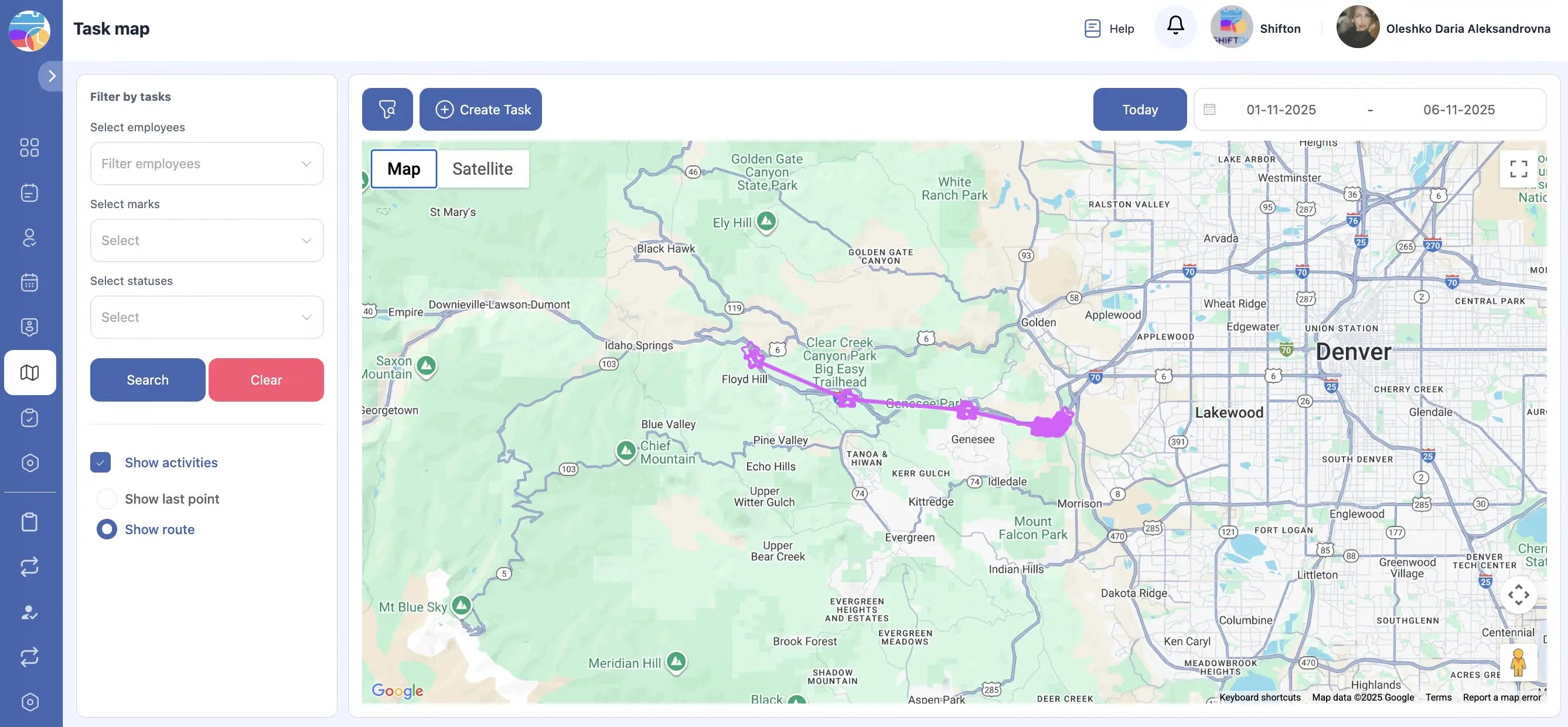
Painting work is a sequence, not an appointment
A repaint is preparation, then coats, then snagging, and each stage depends on the one before it drying, on scaffolding being up, or on another trade finishing. Booking it as a single appointment hides all of that. Holding each stage as its own scheduled job shows where the crew actually is and what a delay upstream really costs.
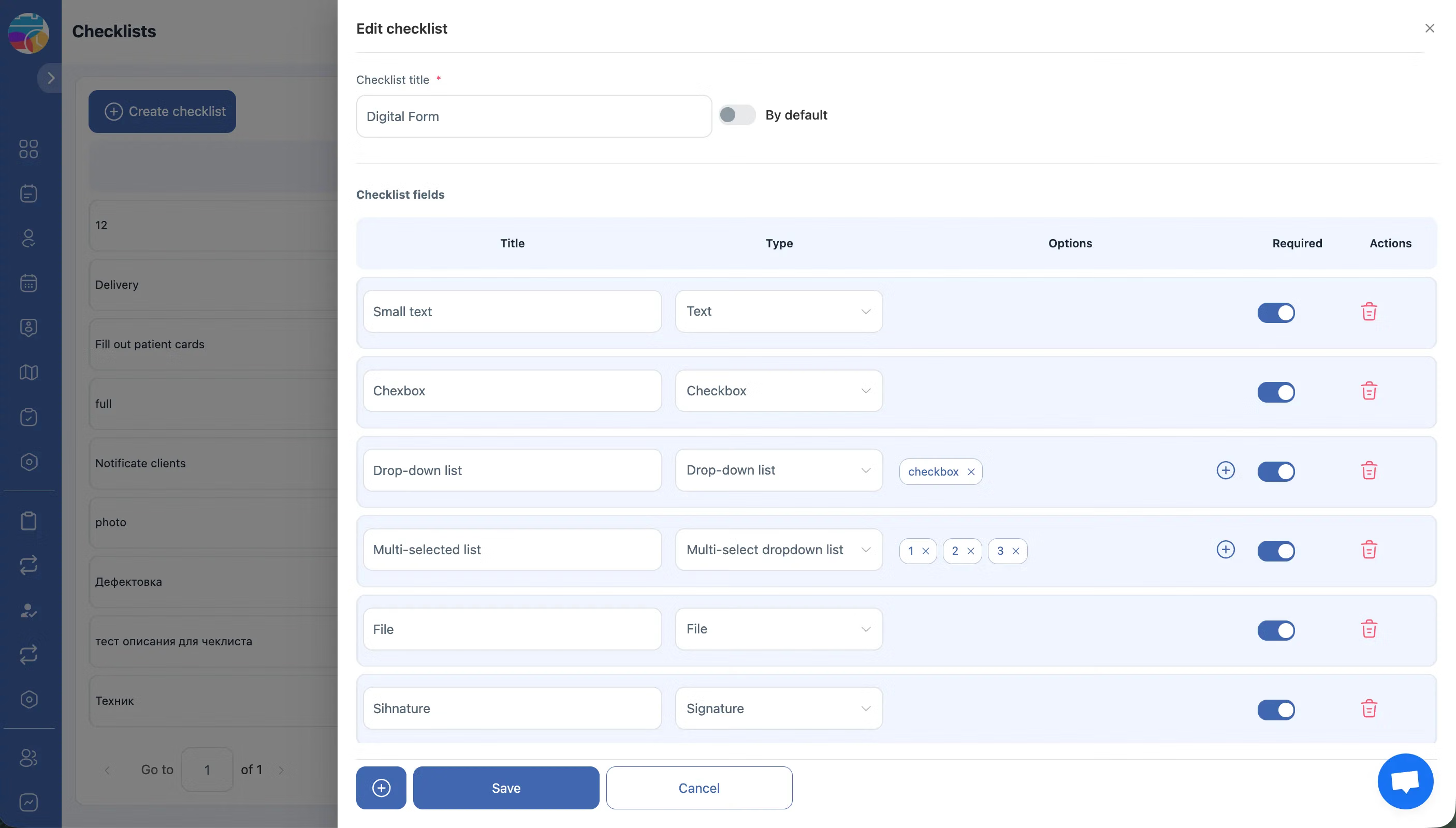
The specification travels with the crew
Colour codes, sheen levels, which walls are being done and which are not, the customer's own paint, the trim that was excluded from the quote. All agreed with the estimator and all easy to lose on the way to the site. On the job card it reaches the person holding the brush.
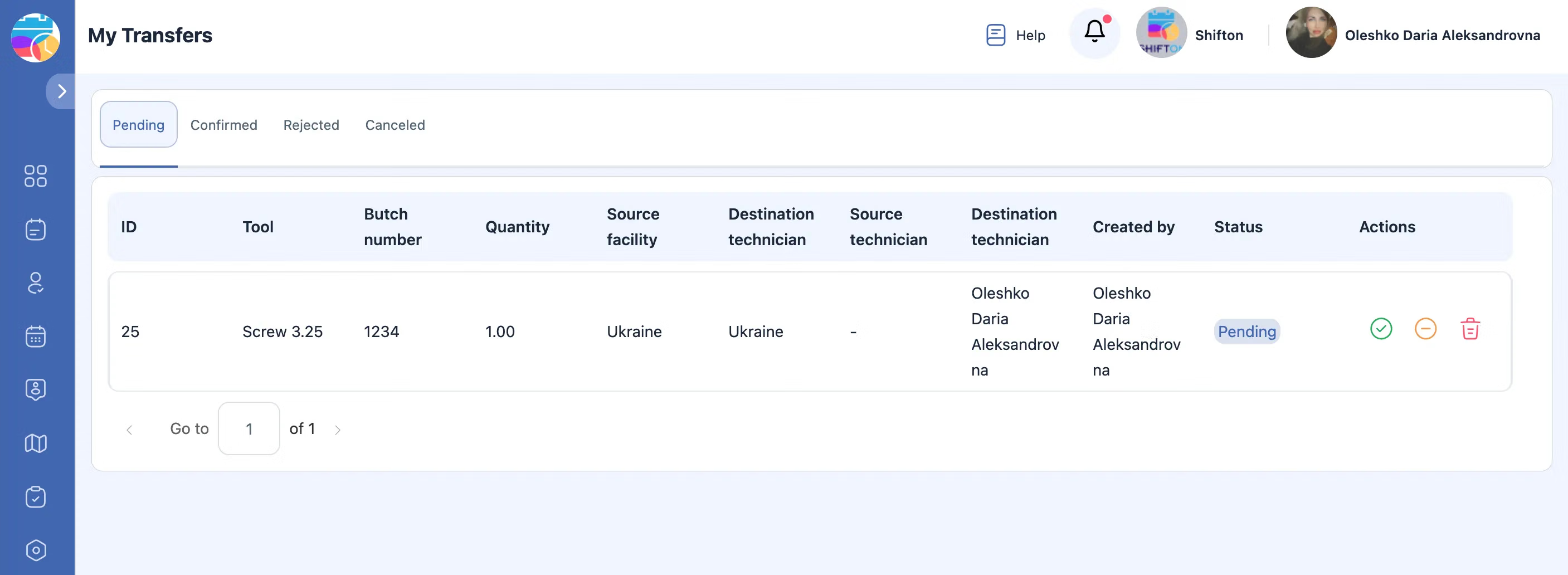
Materials, and where the estimate goes wrong
Paint is bought by the job and used by the wall. A quote based on two coats becomes three on a dark colour, and the extra never reaches the invoice because nobody recorded it. Materials tied to the job turn that into a number you can see per site.
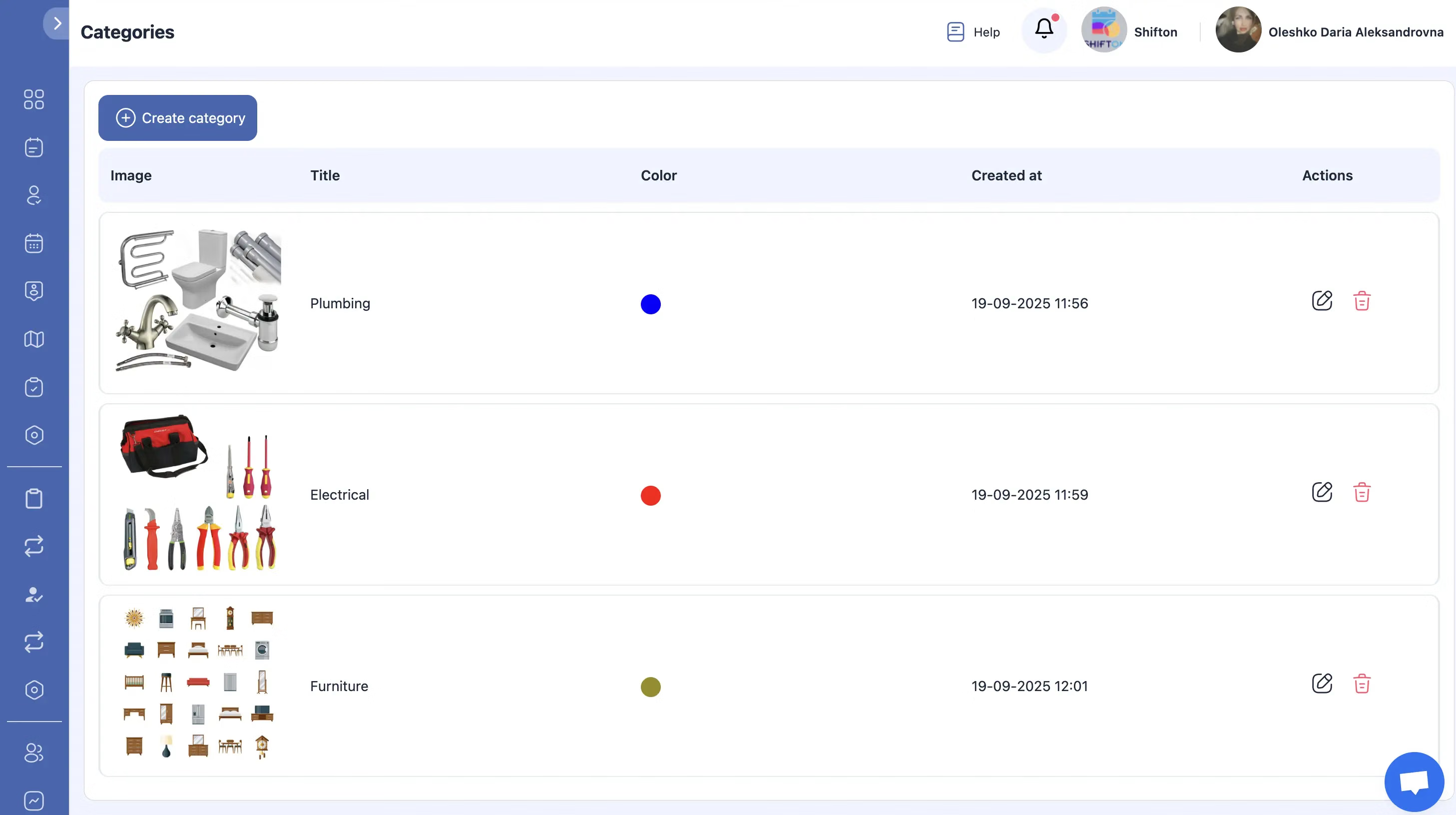
Snagging, sign-off and getting paid
The last five per cent of a painting job is where the money sits waiting. A snagging list agreed on site, photographed and signed, closes the job in one visit instead of three.
Start with the Free Plan
No time limits. Get full access to core features and upgrade when you're ready.
Read the full guide to painting contractor software
Why painting schedules look simple and are not
A painting job looks like a block of days on a calendar. In practice it is a chain: strip and fill, sand, prime, first coat, second coat, snag. Each link waits on drying time, on scaffolding, on a plasterer, on a customer moving furniture. Booked as one appointment, the chain is invisible, so a two-day slip in preparation is discovered when a crew arrives to paint a wall that is not ready.
Holding the stages as separate jobs against the same site is the whole difference. It costs nothing extra to plan and it shows, immediately, what a delay in one place does to everything downstream.
The specification is the job
Painting is priced on detail: which surfaces, how many coats, what finish, whose paint, what is excluded. All of that is agreed between an estimator and a customer, and then it has to survive the journey to a crew that was not in the room.
Colour is unforgiving
Nearly every serious loss in painting starts with a wrong assumption about scope or colour. A wall painted in the wrong shade is not a small correction, it is preparation, two coats and an awkward conversation. Putting the colour codes and the excluded areas on the job card is a five-minute discipline that removes a five-hundred-pound mistake.
Photographs from the quote
The photographs taken when the job was priced tell the crew what the estimator was looking at, and they also record the condition of a property before anyone touched it. Both of those are worth having and both come free if the survey and the job are the same record.
Materials and the third coat
Estimates assume two coats. Dark colours, patch repairs and bare plaster do not care about estimates. The extra coat happens, the paint gets used, and unless somebody records it against the job, the business learns nothing and bills nothing.
Recording materials on the job card is not about controlling painters, it is about knowing which kinds of work are consistently underpriced. That pattern is invisible on a single site and obvious across a quarter.
Snagging is where the money waits
A painting job is finished when the customer says it is. The snag list is therefore the most valuable document in the process, and in most companies it is written on the back of an envelope during a walk round. Recorded on the job with photographs, it becomes a short scheduled return visit rather than three trips and a chase.
What to look for
Ask whether the tool can hold a multi-stage job, whether a crew can complete a stage on a phone without signal, and whether the invoice can be built from what was actually done, including the extras. Those three carry a painting business further than any estimating feature.
Starting free
Two people run free with no time limit: scheduling, digital job forms, the mobile app and reports. That is a working system for a small decorating business and a safe way for a larger one to test the approach on one site.
Modules are added when the pain is real: inventory when paint stops reconciling, invoicing when the delay between finishing and billing costs cash, location control when crews are spread out. Each has a free trial of up to 55 days.
The parts are documented individually: task management, digital job forms, the mobile app, inventory, invoicing and job history, with prices on the pricing page.
Frequently Asked Questions
Can painting jobs be split into stages rather than one appointment?
Yes. Preparation, coats and snagging are held as separate scheduled jobs on the same site, so drying time and dependencies on other trades are visible. Moving one stage shows immediately what it does to the ones that follow.
How does the specification reach the crew?
It sits on the job card: colours, sheen, coats, the areas included and excluded, and the photographs taken when the job was quoted. The crew opens the same record the estimator built, which is what stops the wrong wall being painted the wrong colour.
Can we record the paint used on each site?
With the inventory module, yes. Paint and materials are recorded against the job that consumed them, stock comes down automatically, and the third coat that a dark colour needed is documented rather than quietly absorbed into the margin.
Does the app work on a new build with no coverage?
The mobile app for iOS and Android holds the job, the checklist and the photos on the device. New builds and empty properties without coverage are recorded normally, and everything syncs when the phone reconnects.
How is snagging handled after the final coat?
The snag list is recorded on the job during the walk round, with photographs, and the return visit is scheduled against the same site. When the snags are done the customer signs on the device and the whole history of the job stays in one place.
Is this practical for a two-person painting business?
Yes. Teams of two or fewer run free with no time limit, including scheduling, digital job forms, the mobile app and reports. Paid modules such as inventory, invoicing and location control are added when there is more than one crew to keep track of.
What does painting contractor software cost here?
The free plan covers up to two employees permanently, and beyond that pricing is per employee per month. Each paid module carries a free trial of up to 55 days, enough to run several full repaints through it before deciding.

Ready to transform your field operations?
Join thousands of field service companies that trust Shifton to run smarter every day.