

Screed Pours, Drying Times and Floor Layers on One Schedule
Pours booked only when the site is ready, depths recorded room by room, and the finish trades told when the floor can take them.
A pour only goes ahead if the site is ready
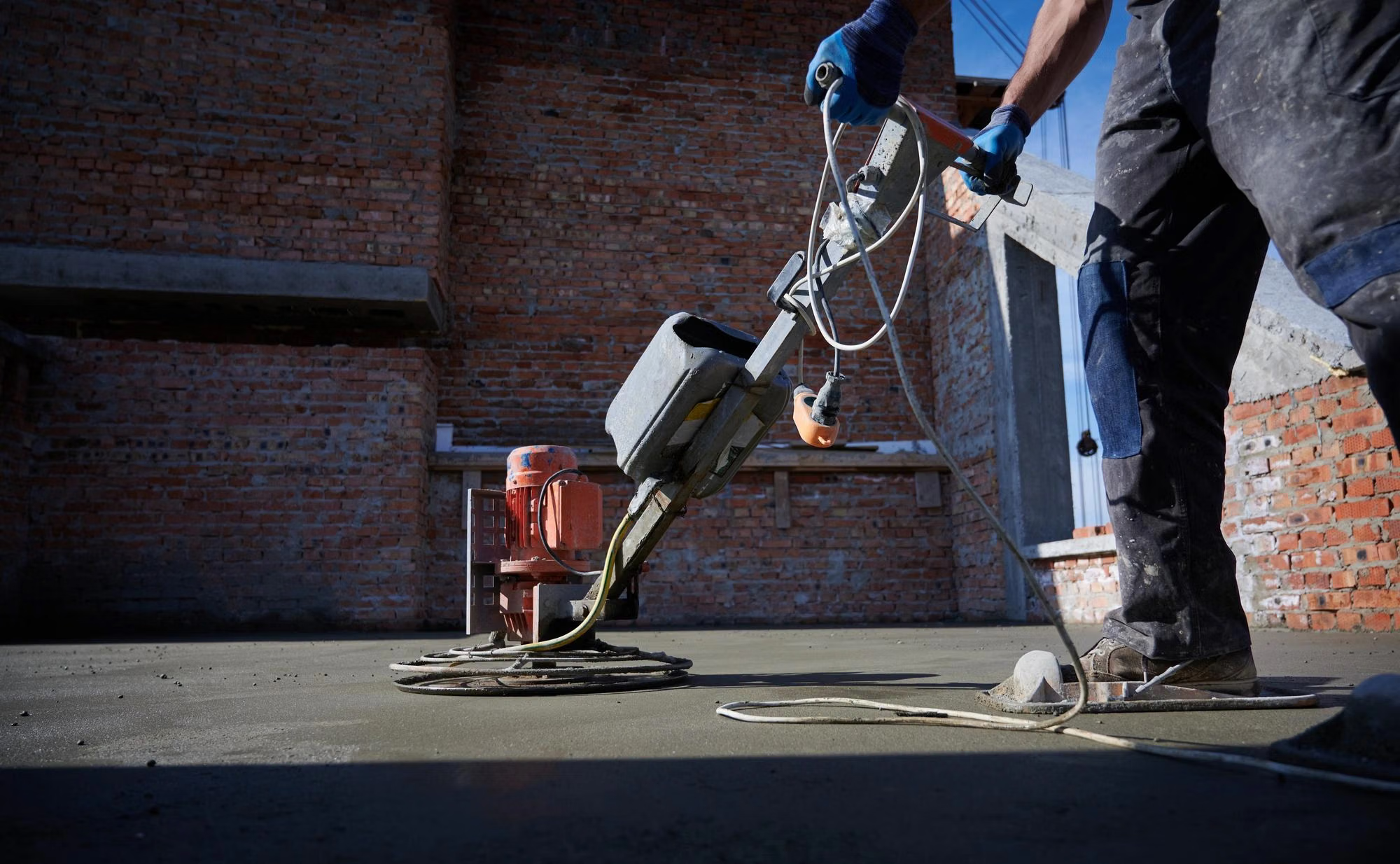
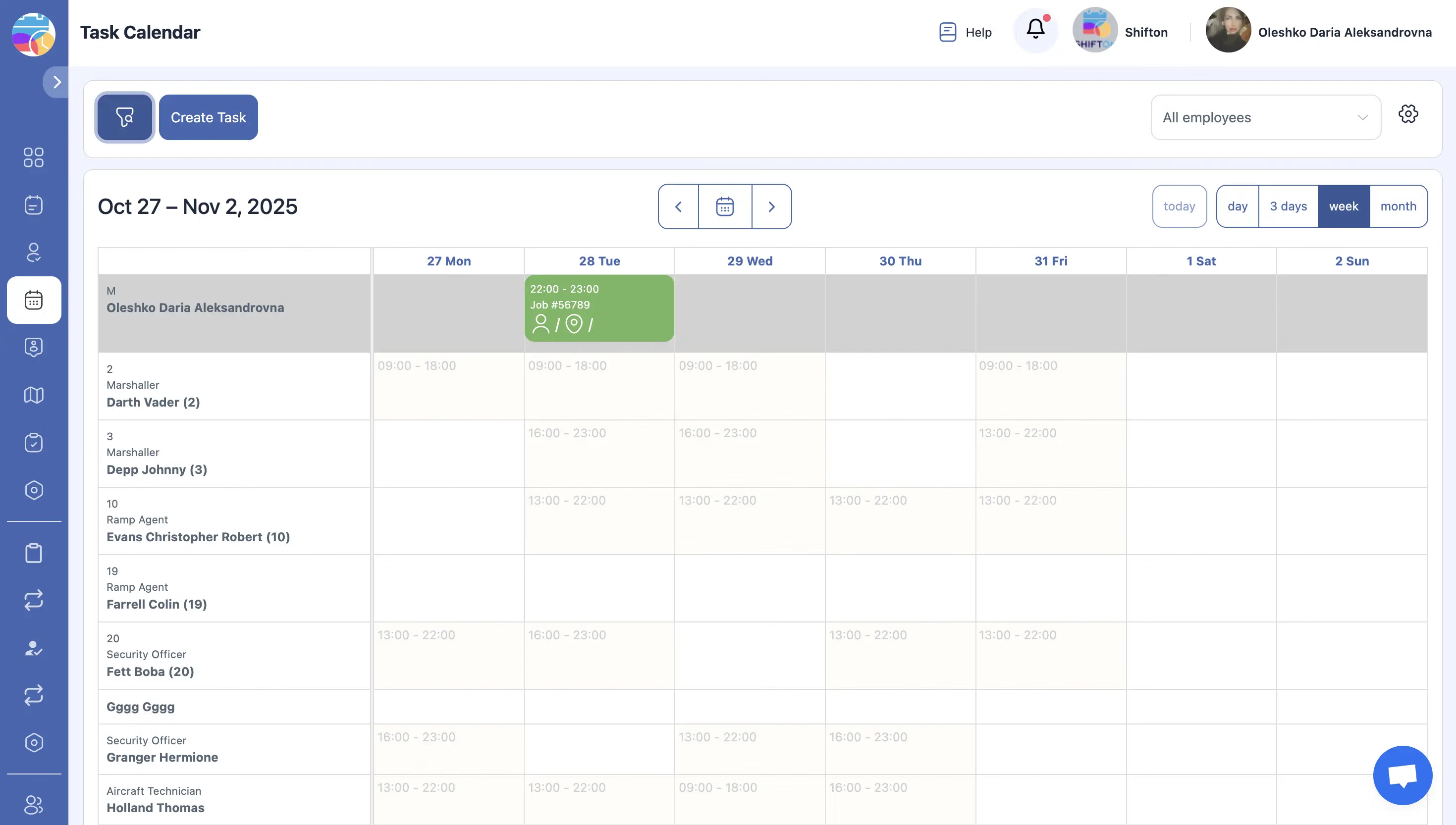
Screed crews lose more days to sites that are not ready than to anything else. The insulation is half laid, the underfloor heating has not been pressure tested, the plasterers are still in, or there is no water on site. The pump and the mix are booked either way, and cancelling them costs money.
Depths and levels, room by room
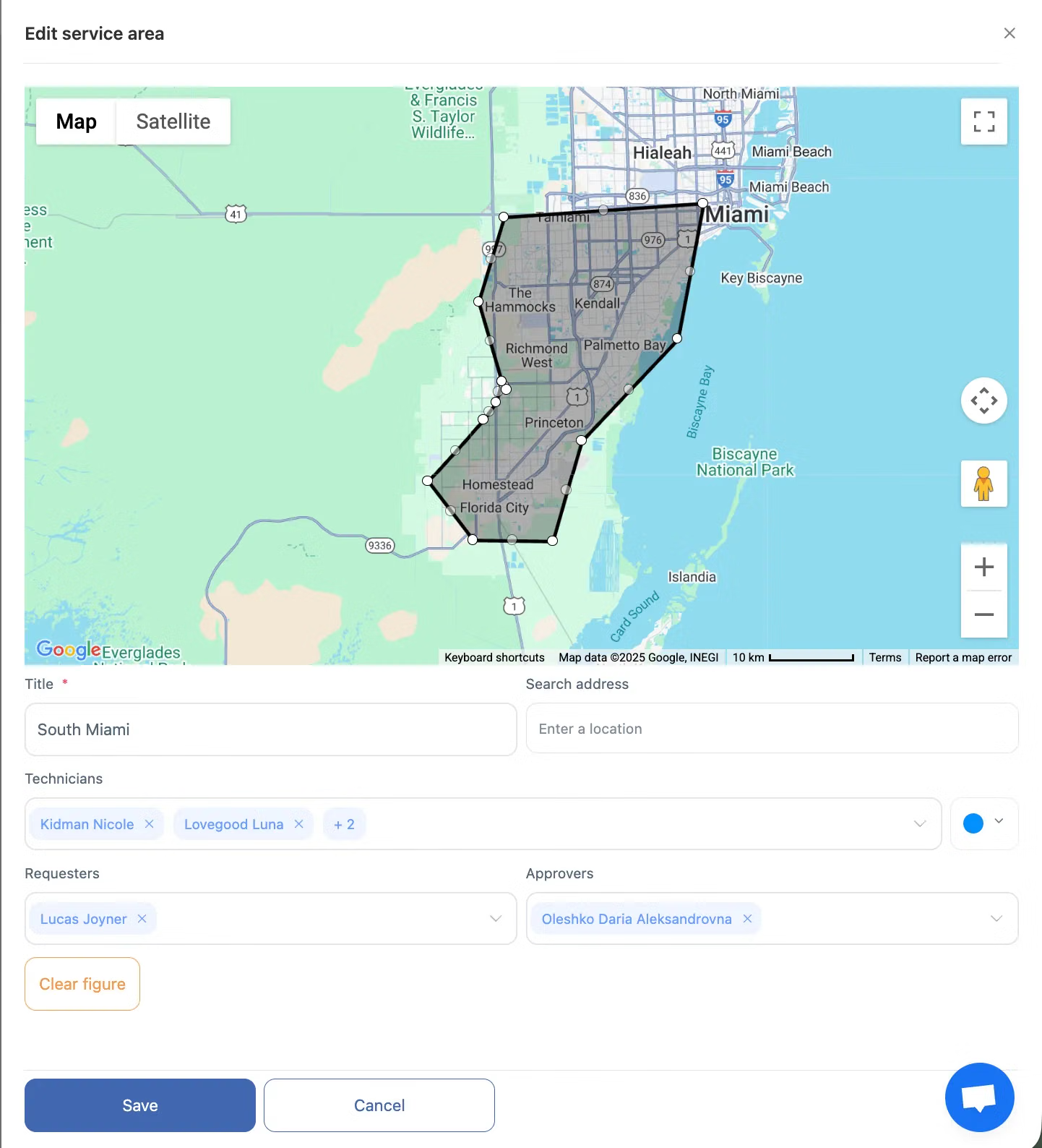
Main contractors and building inspectors ask for depths, especially over heating pipes where cover matters. Recording them on the day, against the room, is far easier than reconstructing them when a dispute comes up six months later.
Drying time is the real programme
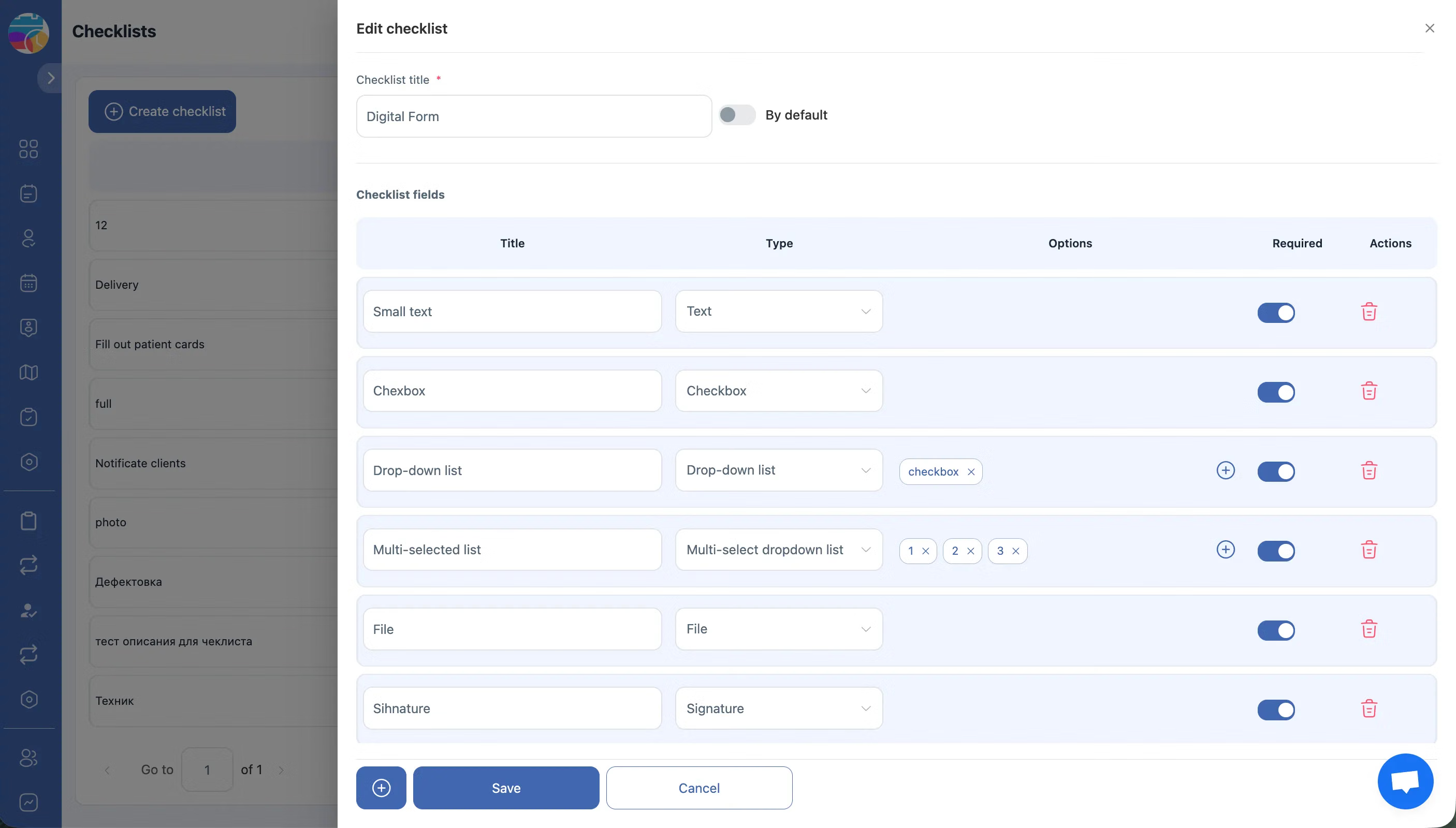
A screed is not finished when it is laid. It is finished when it is dry enough for the floor covering, and that depends on thickness, mix, ventilation and the time of year. Flooring contractors who book the tiler or the timber fitter on the pour date end up with failed adhesives and lifting boards.
Plots, phases and the builder's programme
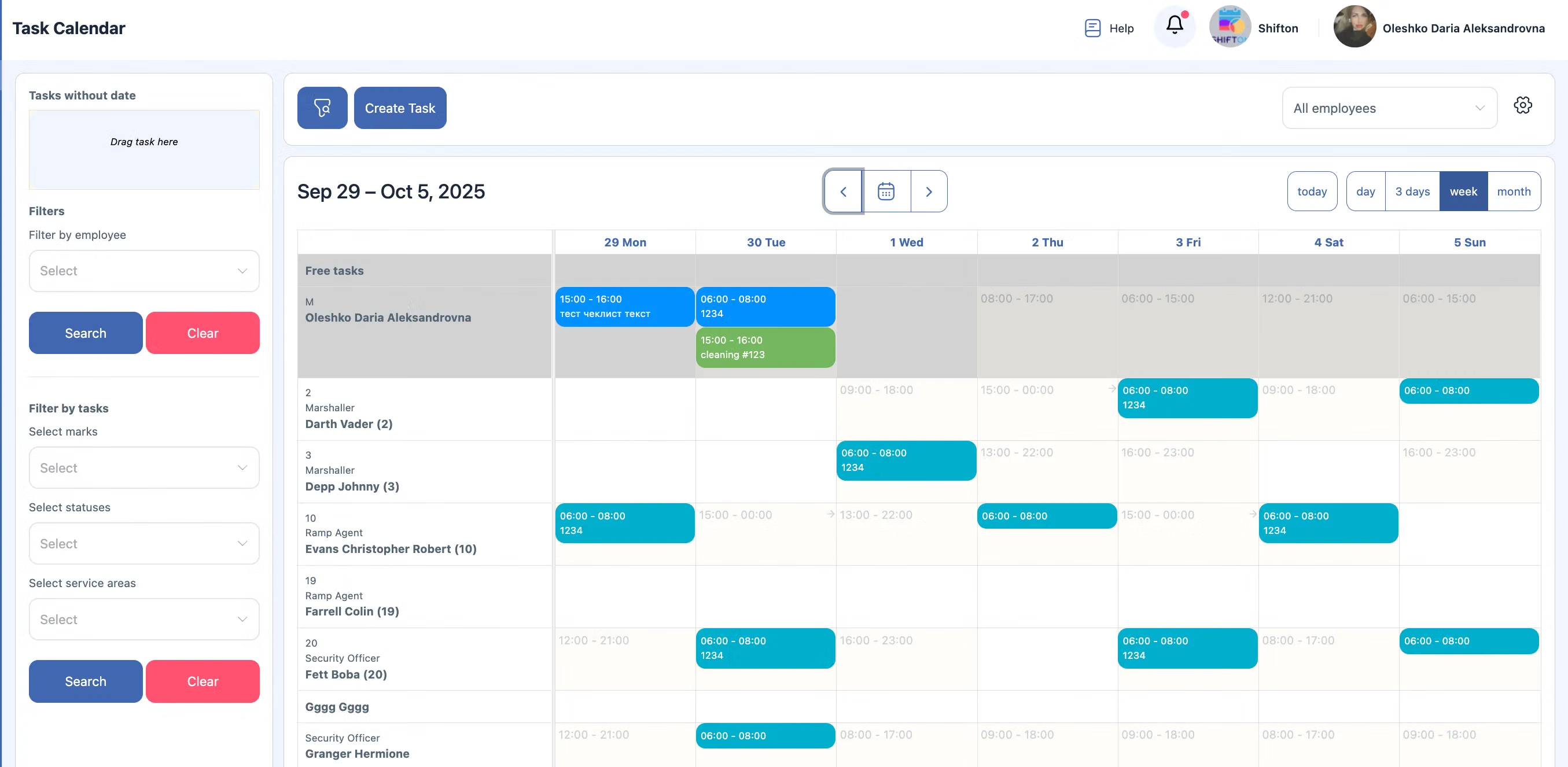
On housing developments a screed firm works through plots in sequence, often alongside several other subcontractors. The builder's programme moves weekly, and the screeders have to move with it.
Start with the Free Plan
No time limits. Get full access to core features and upgrade when you're ready.
Read how screed and flooring contractors plan pours and drying
What flooring scheduling software has to do for a screed business
Flooring scheduling software for a screed firm is not a simple diary of pour dates. Every pour depends on work by other trades, and every floor finish depends on the screed drying. The schedule is a chain: base prepared, heating tested, screed laid, drying, moisture tested, covering fitted. A break in any link stops the ones after it.
Sand and cement against liquid screed
Traditional sand and cement floor screeding is labour heavy and slower to lay; liquid screeds are pumped quickly but need the room sealed, an edge strip around the perimeter and, for some products, the surface sanded before finishes. Drying behaves differently for each. The job should record which system was used, because it changes when the floor can be tested and what the floor layer needs to do.
Underfloor heating
Heated floors add steps on both sides of the pour. The pipes are tested before the screed goes down, and many manufacturers want the heating commissioned gradually afterwards to help drying without cracking. Those dates belong on the same record as the pour.
Why screed dates slip
Ask any screed contractor what wrecks the week and the answers are the same. The site said it was ready and it was not. The mix was delivered late or the pump broke down. A cold snap stopped the pour, or the builder moved the plot forward and expected the crew the next day. None of this can be prevented by software, but all of it can be recorded, and a record is what lets you charge for a wasted visit or argue about a delay.
Remedials are the other drain. Hollow spots, curling at joints, cracks over pipe runs or a surface that fails a straightedge check all mean a return visit. Logging each one against the original pour, with photos and the cause if it is known, shows whether the problem is a crew, a product or the sites you are sent to.
Flooring contractor software beyond the pour
For flooring contractor software to be useful, it has to cover the people as well as the floors: which operatives were on site, how long the pour took and whether the crew had to return for remedials. Hours by job show where the price was too tight, and a list of repeat visits shows which sites were not ready when the crew arrived. Firms that also lay the final covering benefit most, because they control both ends of the drying period and can plan their own fitters against their own moisture readings rather than someone else's promise.
What Shifton Field Service does
It plans pours, moisture tests and return visits on one board, gives operatives the readiness checks and depth forms on their phones, and keeps photos, readings, hours and sign-off per room or plot. A firm with no more than two people doing the work pays nothing for the board, app, forms and reports, permanently; invoicing, inventory, GPS location control and the customer portal can be bought as modules when needed.
It does not calculate screed volumes, it does not order concrete or liquid screed from suppliers, and it does not predict drying from weather data. It keeps the programme and the evidence in one place.
Frequently Asked Questions
Can we stop a pour going out before the site checks are done?
The readiness checklist sits on the job, and your supervisor can see whether it has been completed before confirming the pump and the crew for the morning.
How do we give the main contractor our depths and levels?
Operatives enter depths per room on the phone during the pour, with photos of the base beforehand. The job record and its report can be shared with the contractor at handover.
Can the schedule show when a floor is ready for the floor layer?
Each job carries its expected drying date and the moisture test visit, so the office can see which rooms are still drying and which have been released to the finish trades.
Is there a free option for a screeder working with one labourer?
Yes. Two people can run the schedule board, the mobile app, forms and reports at no cost and without a time limit. Invoicing, materials stock, GPS location control and the customer portal are paid add-ons.
Can we record moisture test results on site?
Yes. The test is a form on the job: the reading, the method used, the room and the person who took it, with a photo of the meter if you want one.
Can we keep track of sand, cement, edge strip and membrane?
The paid Inventory module holds your materials, and quantities used are recorded against each job, so the yard knows what is left and the job shows what went into the floor.

Ready to transform your field operations?
Join thousands of field service companies that trust Shifton to run smarter every day.