

Pipeline Inspection Software for Field Crews and Contractors
Right-of-way patrols, test post readings, valve checks and dig inspections planned by segment, with each finding photographed where it was found.

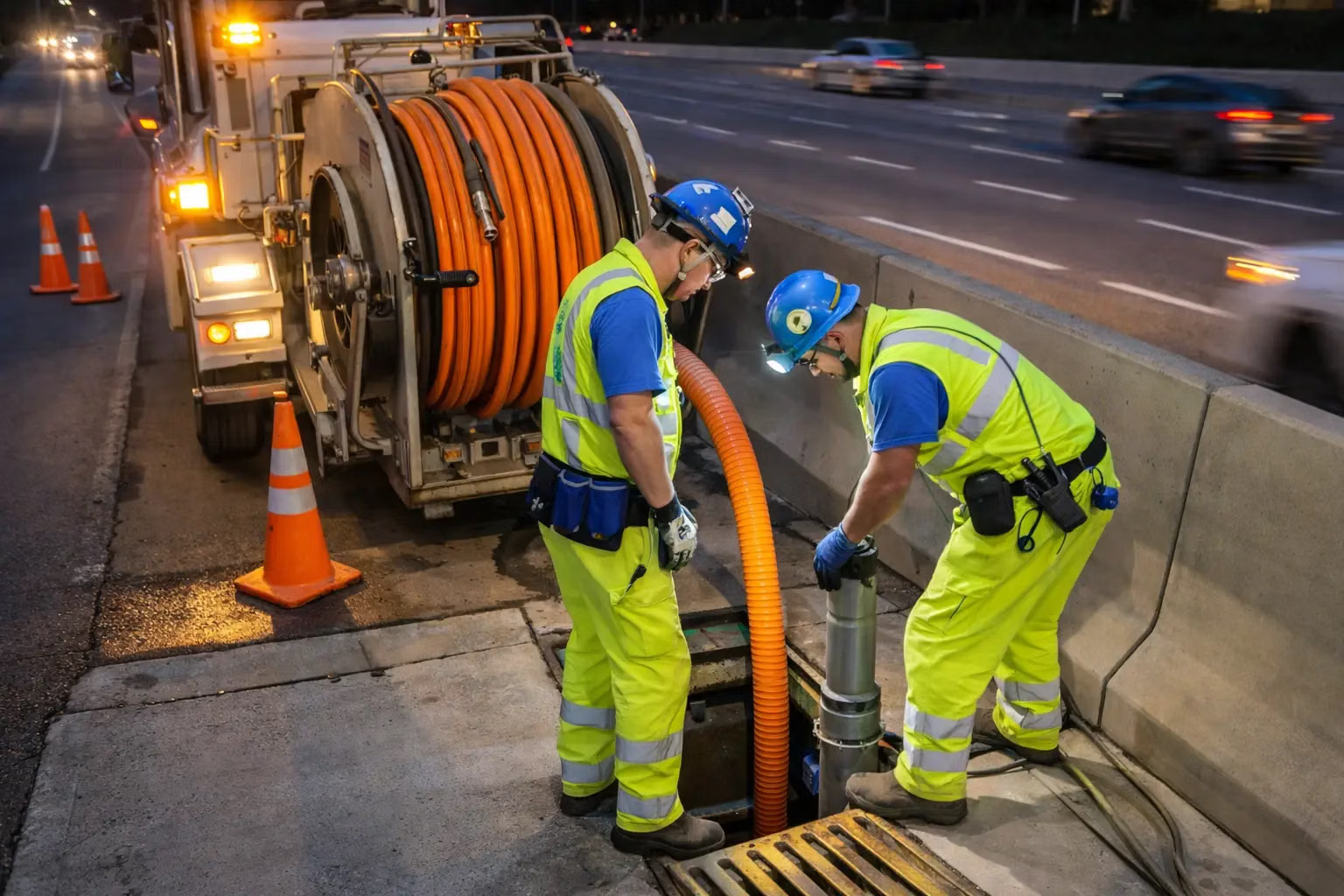
The line is long; the crew is small
A transmission line or a water main is inspected in pieces: a stretch of right-of-way this week, a run of cathodic protection test posts the next, a valve station after that. The contractor's crew is spread over hundreds of kilometres, and the operator wants to know every section was covered on time.
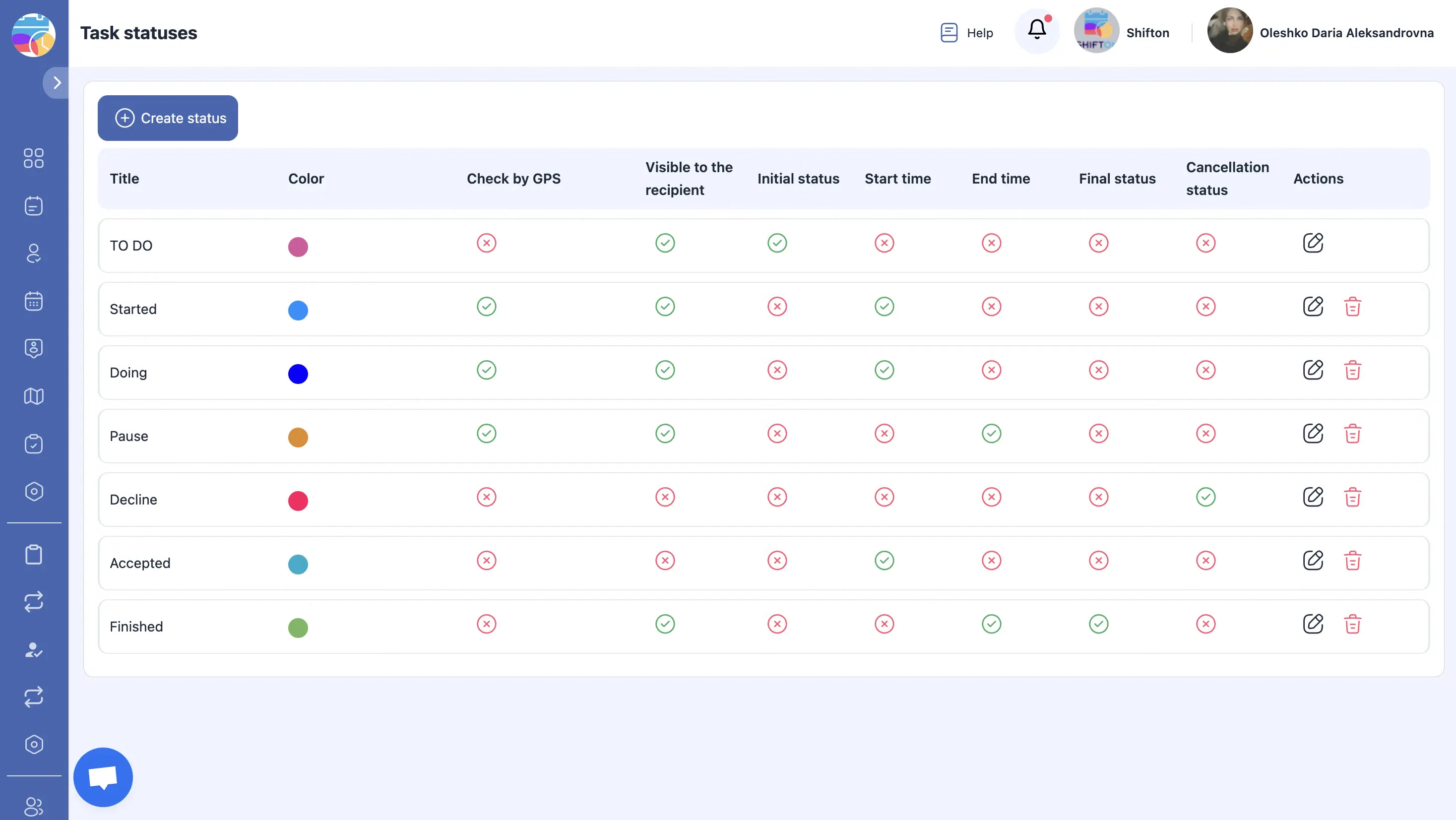
Findings recorded where they are found
An inspector on the right-of-way sees encroachment, exposed pipe, washouts, vegetation over the line and damaged markers. Each observation has to be located, described and photographed, or it will be argued about later.
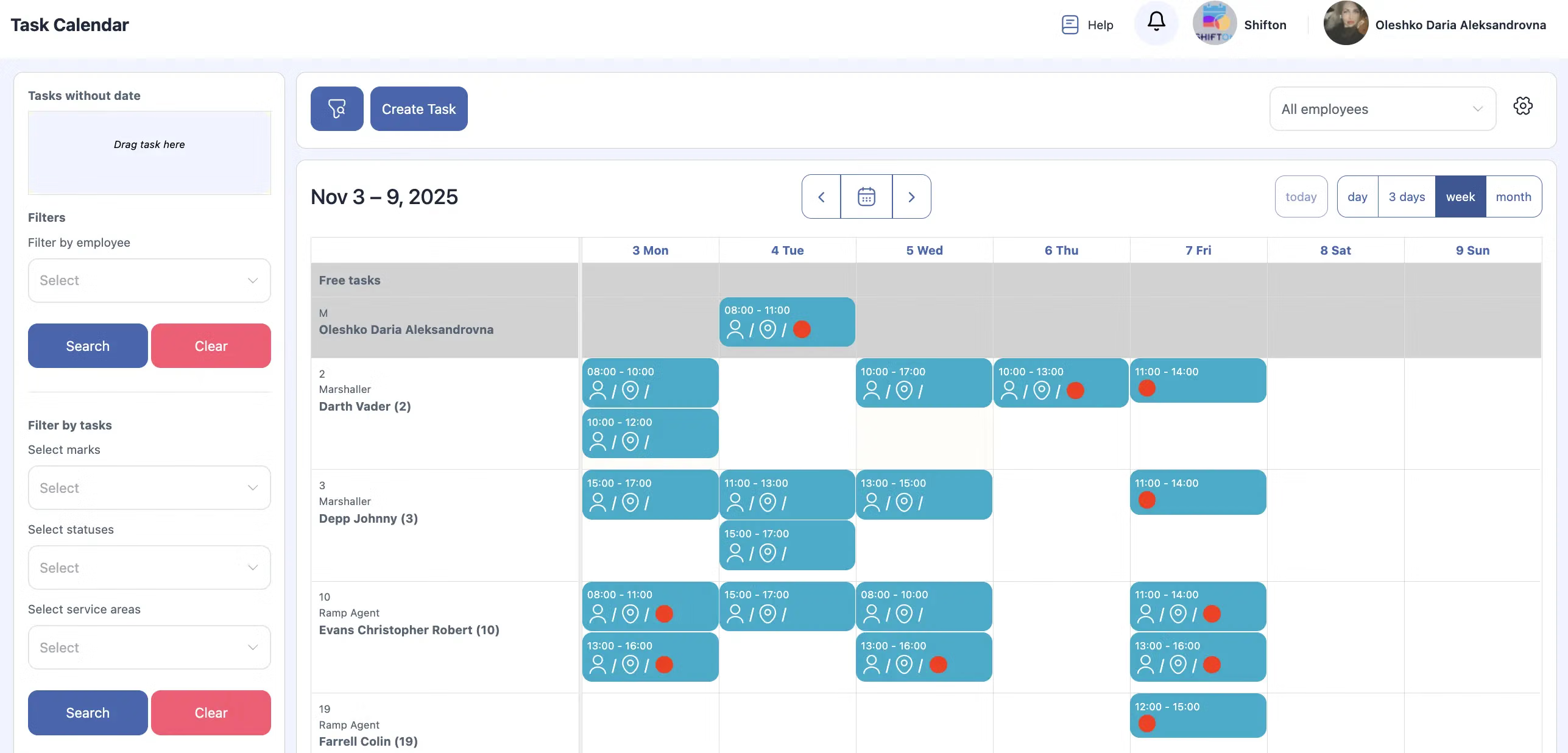
Dig inspections run to a sequence
When the operator exposes the pipe, the inspection crew works in a fixed order: coating condition, wall thickness readings, pit measurements, recoat and backfill release. Missing one step means the excavation stays open longer than planned, and that costs everyone.
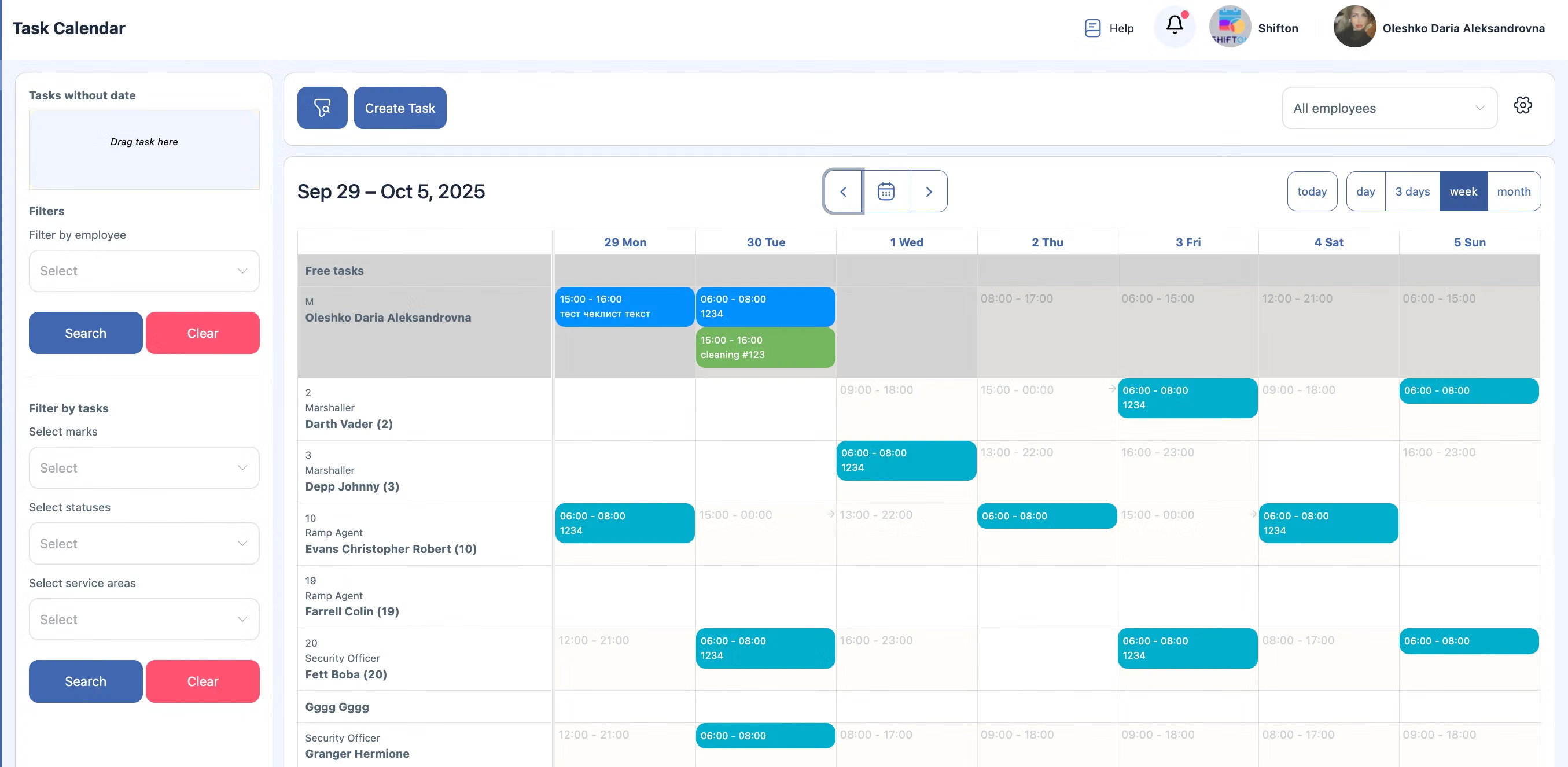
Records the operator can hand to a regulator
The operator carries the regulatory responsibility, but it relies on the contractor's records. Clean, consistent reports from every crew are what keep the contract when it comes up for renewal.
Start with the Free Plan
No time limits. Get full access to core features and upgrade when you're ready.
Read how inspection contractors plan patrols, surveys and digs
What pipeline inspection software does for a contractor
An operator's integrity team decides what needs inspecting and how often. The contractor's job is to send qualified people to the right place on the right date, collect the evidence and hand it back in a form the operator can use. Pipeline inspection software for a contractor is therefore mostly about scheduling crews across a very long asset and making every crew record the same things in the same way.
Shifton Field Service handles that part. Every patrol, survey and dig inspection is a job on the board with a segment, a date and a crew. The crew works from a mobile app with the checklist for that type of inspection, enters readings, takes photographs and gets a signature where the operator requires one.
Types of work that share the same crews
Right-of-way patrols
Walking, driving or flying the line to look for third-party activity, erosion, exposed pipe, missing markers and encroachment. The value is in consistent observations with photographs and locations, so a change since the last patrol is obvious.
Cathodic protection surveys
Reading potentials at test posts and checking rectifiers along the route. These are repetitive and easy to skip, which is exactly why each post should be a line on a form rather than a note in a book.
Excavation and dig inspections
Direct assessment at an exposed section, usually tied to an excavation programme run by the operator. Timing depends on the dig contractor, so the inspection crew's slot moves, and the board has to show where they can go instead when it does.
Above-ground stations
Valve sites, pig traps, regulator stations and crossings get their own periodic checks. They are fixed places with fixed equipment, well suited to a standard checklist and a photo of each item.
Why pipeline inspection schedules slip
The causes are rarely technical. A landowner withdraws access, a river crossing floods, the dig contractor is two days behind, or the only certified inspector in the region is off sick. Each of these moves one job, and each moved job pushes others. When the whole programme sits on one board, the planner can see which segments are drifting towards their due dates and bring another crew across before the operator notices. When it sits in separate spreadsheets per region, the first sign of trouble is usually an overdue report.
Writing the reason for every reschedule on the job also helps at contract review. An operator is far more forgiving of a late patrol with a recorded flood than of one that simply did not happen.
Pipeline maintenance software and inspection in one plan
Many contractors inspect and repair. When pipeline maintenance software and inspection scheduling are separate, findings wait in an inbox until someone creates a repair order. On one board, the office sees the finding, raises the repair job and assigns it, with the inspector's photos already attached.
Qualifications and crew safety
Some work needs certified inspectors; some sites need a two-person crew because of the terrain or the landowner. The planner notes the certification a job needs and puts the right pair together. Daily start and finish times for every crew are visible on the board, and GPS work location control can be added as a paid module if the operator asks for proof of position.
What Shifton Field Service does
It plans patrols, surveys, dig inspections and maintenance on one board, sends crews the job details and checklists on their phones, collects readings, photographs and signatures, logs hours and produces reports for each operator. Two people or fewer use the core of it without charge and without a deadline. Inventory, Invoicing, GPS work location control and the customer portal are paid modules.
It is not pipeline integrity software. It does not process in-line inspection runs, model risk, calculate remaining life, store the network in a GIS or connect to SCADA. It is the tool that gets your crews to the line and brings their evidence back.
Frequently Asked Questions
Is Shifton pipeline integrity software?
No. It does not analyse in-line inspection data, run risk models, calculate corrosion rates or hold a GIS of the network. It plans the field crews and records the patrols, surveys and dig inspections they carry out, with photos, readings and signatures.
Our patrols cover country with no mobile coverage. Can inspectors still fill in forms?
Yes. The inspector completes the observation forms and takes photographs out on the right-of-way, and the app sends them once the phone is back in range, usually on the road home or at the next town.
Can we record cathodic protection readings?
Yes. Build a survey form with fields for each test post: identifier, pipe-to-soil potential, rectifier output and remarks. The inspector enters the values on the phone; Shifton keeps them but does not interpret them.
How do we pass a finding to the repair crew?
The inspector flags the item on the form, and the office creates a repair job on the board with the photos and location from the inspection. The repair crew sees exactly what the inspector saw.
Can we use it for pipeline maintenance as well as inspection?
Yes. Valve servicing, marker replacement, vegetation clearance and coating repairs are jobs like any other, with their own checklists, parts and hours.
How is Shifton priced for an inspection contractor?
Two field staff or fewer use the board, the mobile app, forms and reports free for good. Larger teams pay per employee, and Inventory, Invoicing, GPS work location control and the customer portal are separate paid modules.
Can the operator see the inspection records?
You can send them reports per segment or period, or give them the paid customer portal so they can look at completed jobs themselves.

Ready to transform your field operations?
Join thousands of field service companies that trust Shifton to run smarter every day.