

Heat Exchanger Service Software for Turnaround and Cleaning Crews
Opening, cleaning, regasketing and testing planned as a sequence, with plates, gaskets and test results recorded unit by unit.

A turnaround is a queue of units
During a shutdown the crew works through a list of exchangers, each with its own steps: isolate, drain, open, clean, inspect, reassemble, test. One unit held up by a stuck bolt or a missing gasket set delays everything behind it.
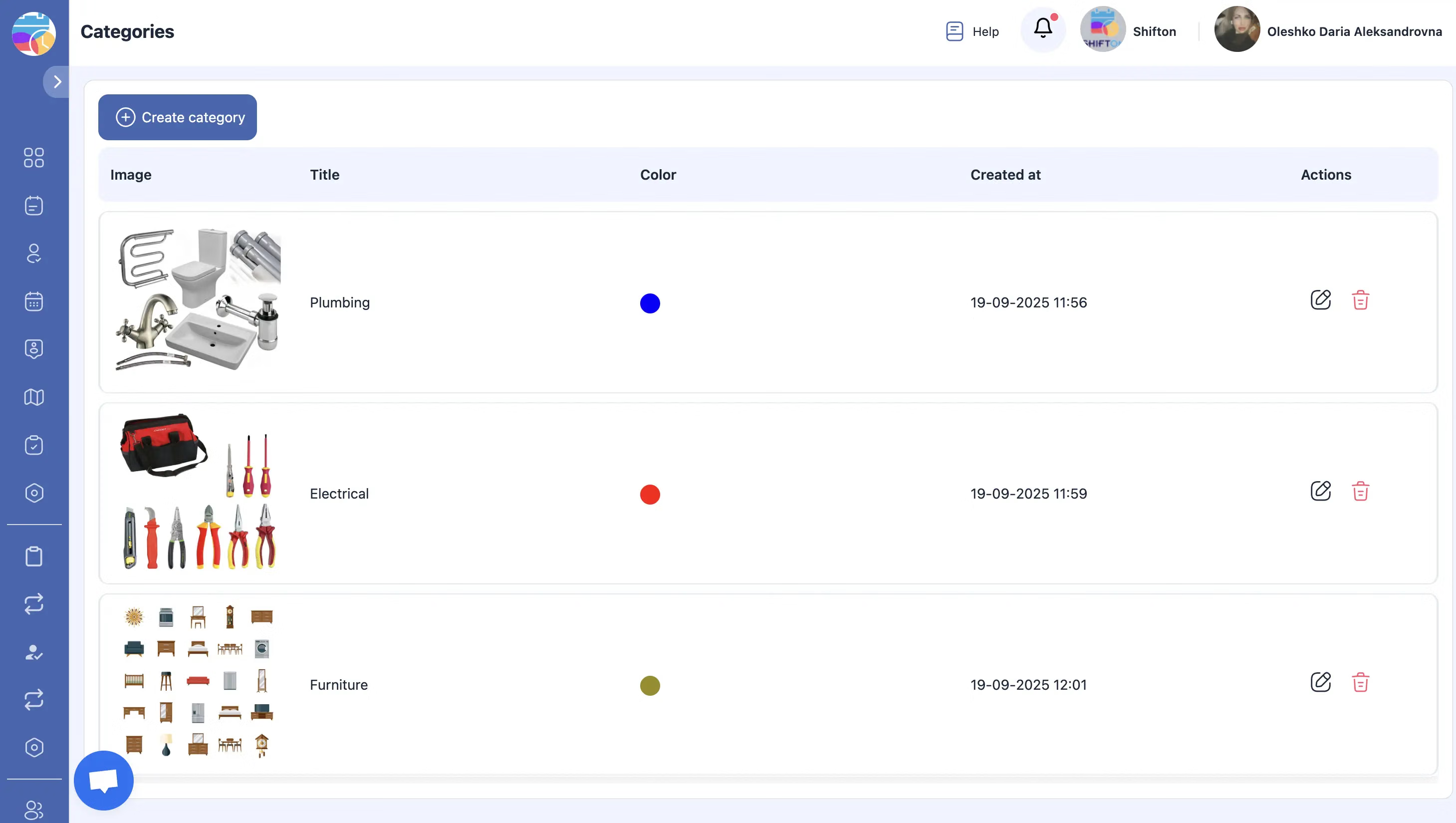
Plates and gaskets go missing easily
Plate packs are dismantled, sent away for cleaning or regasketing, and brought back. Plates get mixed, gaskets arrive in the wrong profile, and a unit sits open waiting for parts.
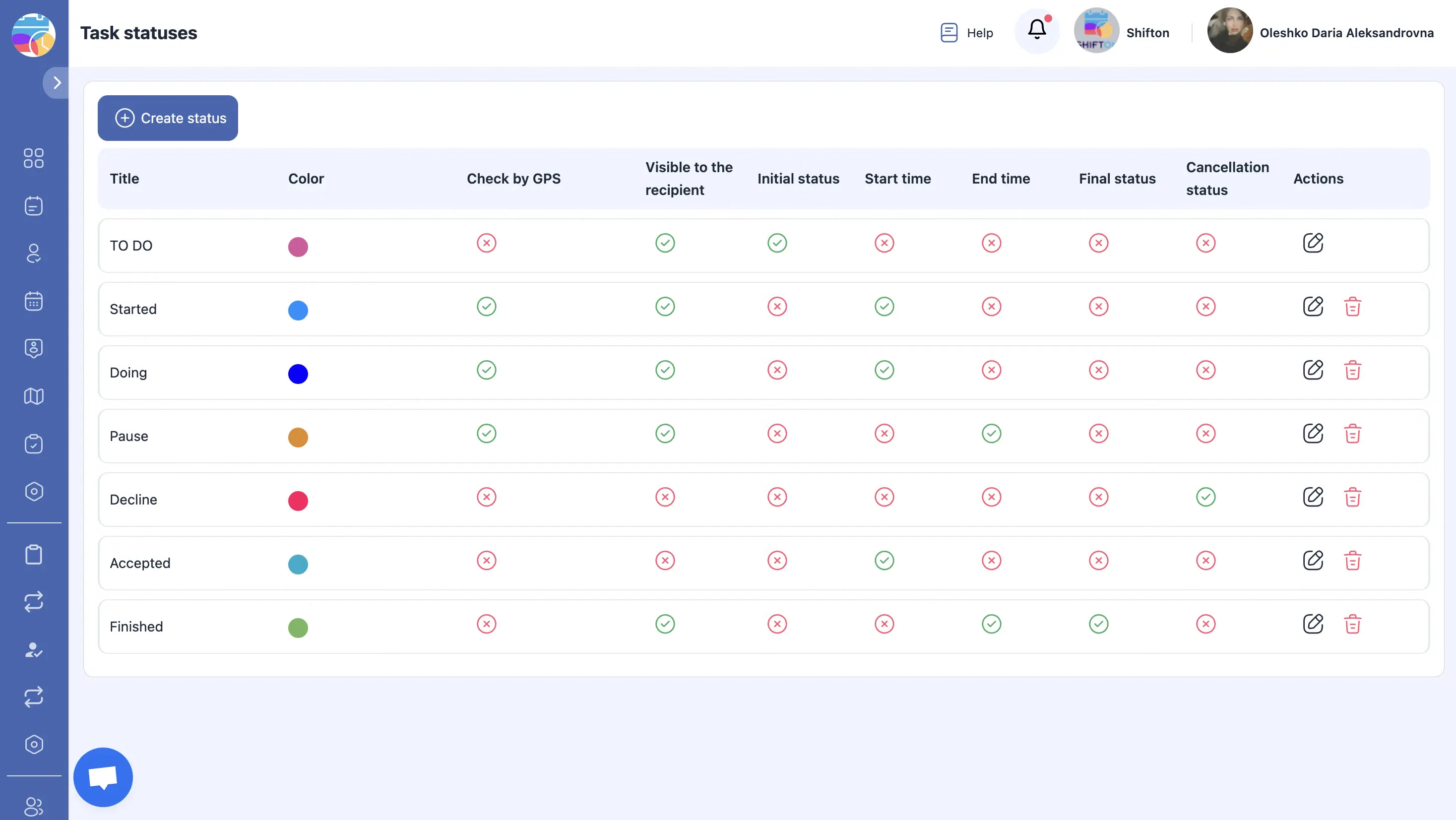
Pressure tests the client can trust
A hydrotest or leak test is the proof the unit can go back into service. The client needs the pressure, the hold time and a witness.
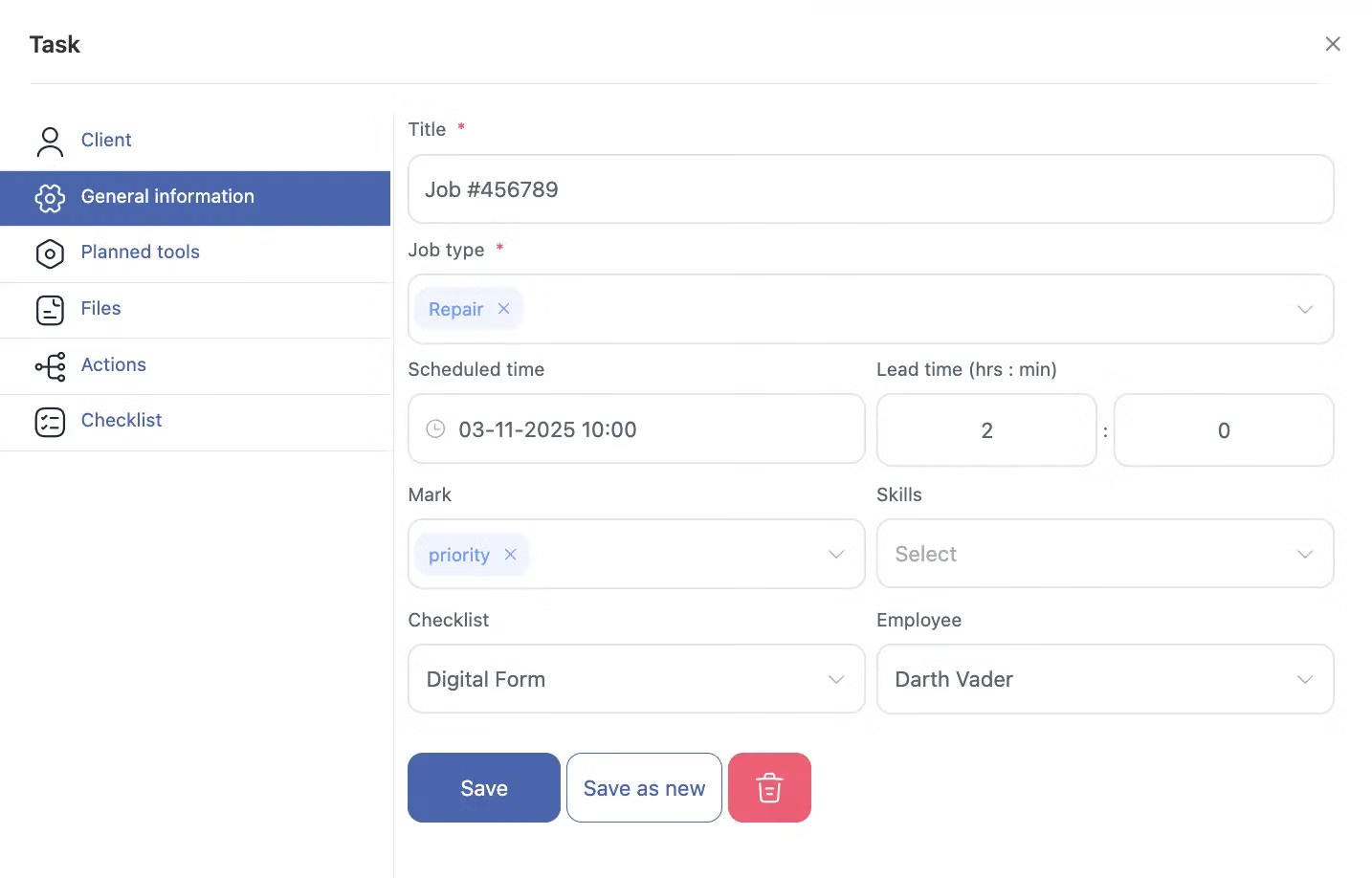
Routine cleaning between shutdowns
Not all heat exchanger maintenance waits for a turnaround. Food, HVAC and district heating customers book cleaning on a regular cycle.
Start with the Free Plan
No time limits. Get full access to core features and upgrade when you're ready.
Read how exchanger crews plan shutdowns and cleaning cycles
What heat exchanger service software needs to handle
Heat exchanger service is sequential, physical work under time pressure. Heat exchanger service software for a contractor should show the list of units, who is working on each, what stage it has reached and what is missing, and it should capture the evidence the client wants when the unit goes back into service.
Shifton Field Service does this with a board, a mobile app and structured forms. Each unit is a job; each job carries a checklist, parts and a test record.
Why exchanger jobs overrun
The work itself is well understood. Overruns come from what surrounds it: a unit that was not fully drained when the crew arrived, seized bolts on a channel head, fouling far heavier than the last report suggested, a crane booked for the wrong day, or a gasket set in the wrong material. None of these can be prevented by software, but each can be seen early. When the crew records the delay and its cause on the job as it happens, the planner can move people to the next unit instead of leaving them waiting, and the client sees why the schedule changed. Those notes also make the next shutdown plan more honest, because the units that always take longer are there in the history.
Heat exchanger maintenance outside the shutdown
Plate heat exchangers in food plants, building services and district heating substations are cleaned and regasketed on a cycle. That heat exchanger maintenance is steady, repeatable work, and it is where a small contractor often earns its base income. Planning those visits months ahead and recording the chemicals, parts and hours for each unit keeps the contract profitable and the history clear for the next visit.
Mixed methods, mixed crews
Hydroblasting crews, chemical cleaning teams and fitters rarely overlap. Booking them as separate jobs on the same unit shows who has to finish before the next team starts.
What Shifton Field Service does
It sequences units on one board, sends crews checklists and job details through the app, records parts, readings, photos, test results and signatures, logs hours and reports per client. For a business of two people or fewer, that core costs nothing indefinitely; Inventory, Invoicing, GPS work location control and the customer portal are extra.
It is not a design, rating or inspection data system, and it does not assess tube wall thickness or remaining life. It plans the crews and keeps the record of each unit they touched.
Frequently Asked Questions
Does it calculate fouling factors or thermal performance?
No. Shifton does not model heat transfer or analyse temperatures and pressure drop. Technicians can enter readings they take into a form, and those stay with the job, but the engineering analysis is done elsewhere.
Can we plan a shutdown with thirty exchangers and three crews?
Yes. Each exchanger becomes a job on the board, assigned to the crew that suits the cleaning method. The planner sees which units are done, in progress or waiting, and moves people as the shutdown develops.
Can we track gasket and plate stock?
With the paid Inventory module, gasket sets, plates and consumables are issued to the jobs that use them, so stock levels and usage per unit are visible.
How do we record a pressure test?
Use a test form with pressure, hold time, result, a photo of the gauge and the witness signature. It is filled in on the phone at the unit.
What does it cost a small heat exchanger service firm?
A firm with at most two people pays nothing for the board, the app, forms and reports, and that stays the case for as long as it is that size. Inventory, Invoicing, GPS work location control and the customer portal are modules paid for separately.


Ready to transform your field operations?
Join thousands of field service companies that trust Shifton to run smarter every day.